
|
Review by Sean Boelman
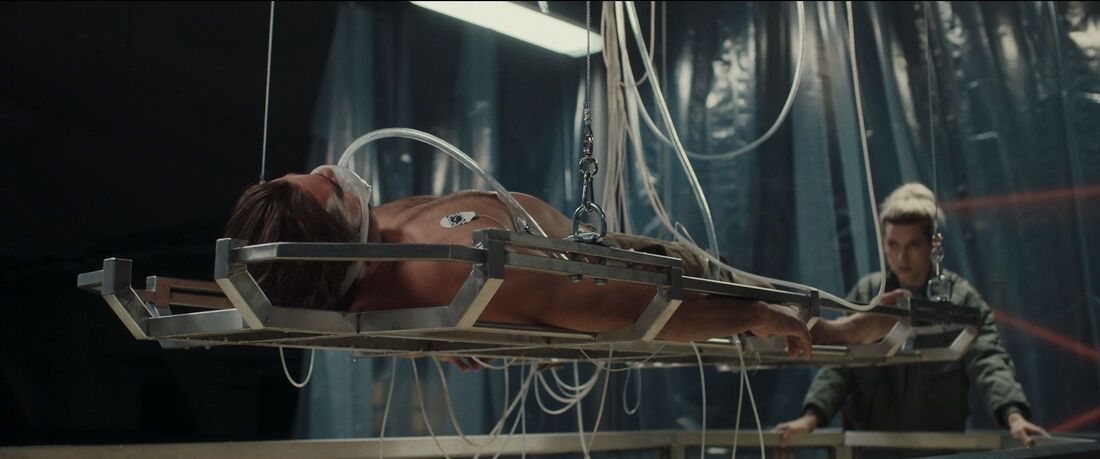
Robert Hloz’s dystopian science fiction noir Restore Point recently debuted at Karlovy Vary, where it was one of the biggest breakouts of the lineup. The film is one of the most impressively grand indies of the year, with amazing production values that would stack up against most bigger-budget Hollywood movies that are released these days.
Restore Point is set in a futuristic dystopia where people can be “restored” after they die thanks to a system in which their consciousness is backed up. A detective investigates the case of a murdered couple whose deaths might have connections to a scandal involving the company behind the restoration process. The most impressive aspect of the film is without a doubt its world-building. Tomislav Cecka and Zdenek Jecelin take this somewhat simple concept and expand it into a sci-fi world that feels massive. Beyond the main story, the movie also allows us to explore some of this world in which violence has become almost meaningless. The production value on Restore Point is truly insane. Comparisons to epic sci-fi movies like Blade Runner and Minority Report are certainly earned because of its great production design and visual effects. Considering that this is the first Czech sci-fi in 40 years, per the Fantasia description, it’s impressive the scale at which this was made. Cecka and Zdenek’s script asks what are pretty much the expected questions about mortality when you have a premise like this. However, there are also some really provocative themes in the film about the commercialization of healthcare and how Big Pharma companies have become extremely corrupt to make money. The mystery that unfolds hits a lot of familiar beats, but it’s engaging enough to keep viewers interested. Admittedly, it would have been nice to see this concept used on a story that is more original, but as far as sci-fi noirs go, this has everything it needs to work: plenty of twists and turns, a compellingly disillusioned heroine, and plenty of wild supporting characters to be investigated. Andrea Mohylová’s performance in the leading role is fantastic, perfectly capturing the gruffness of a noir protagonist — and she only has a few television credits before this, making it even more impressive. In the supporting cast, Matej Hádek gives a strong turn as the protagonist’s amnesiac sidekick, bringing a surprising amount of emotion to a role that is complex and purposefully distant. Restore Point is a solid sci-fi flick elevated to excellent level thanks to above-average production qualities and excellent world-building. The fact that this is playing at a genre-specific festival like Fantasia, and not a broader showcase — something on the level of TIFF — is frankly shocking. Restore Point screened at the 2023 Fantasia Film Festival, which runs from July 20 to August 9. Rating: 4/5
0 Comments
Review by Sean Boelman
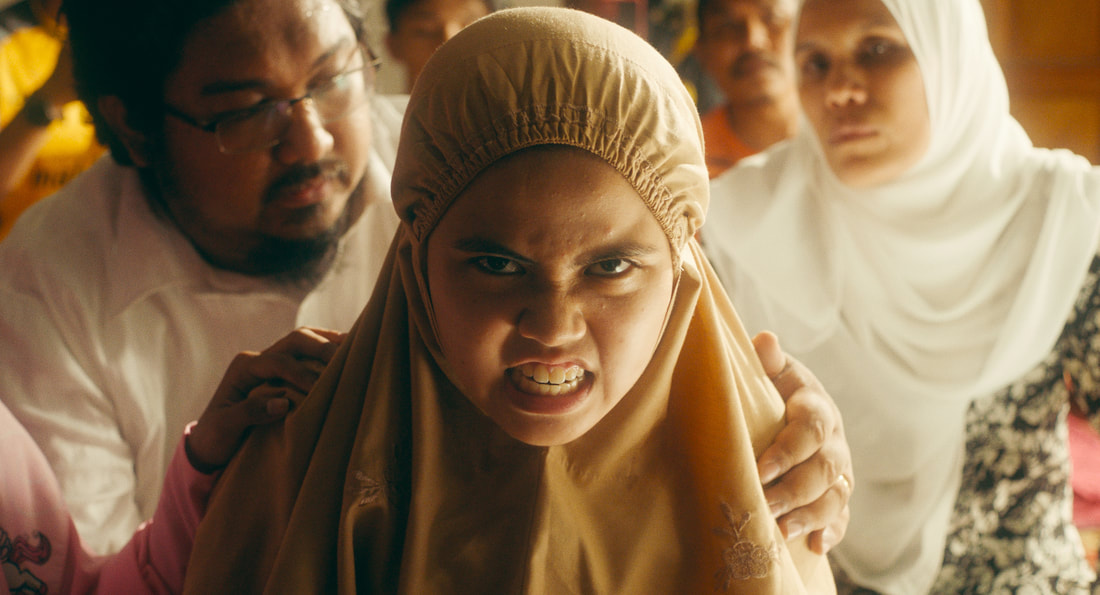
The Malaysian film Tiger Stripes debuted at the 2023 Cannes Semaine de la Critique, where it was met with a mostly warm reception. Although the coming-of-age horror story hits many familiar beats, it manages to be mostly effective thanks to a strong lead performance and assured direction.
The movie follows a girl who is the first among her friends in a tight-knit Muslim community to hit puberty, which causes her to experience unexpected — perhaps even horrifying — changes to her body. In a way, this is a body horror film, but that story almost feels secondary to the story of the protagonist attempting to cope with a community that is unfairly hostile towards her. We’ve seen many horror and horror-adjacent movies where the thematic focus is on a girl’s coming-of-age — the most recognized of which is likely Carrie. However, what allows Tiger Stripes to stand out, even among a crowd of similarly-themed genre pictures, is its focus on cultural specificity and exploring these familiar and universal ideas in a way that is more distinctive. There is a lot happening in this film, from the exploration of womanhood to the dissection of a society that can be somewhat misogynistic in its overzealous approach to tradition. Ultimately, the movie refuses to give the viewer any easy answers, which can be as frustrating as it is perplexing. 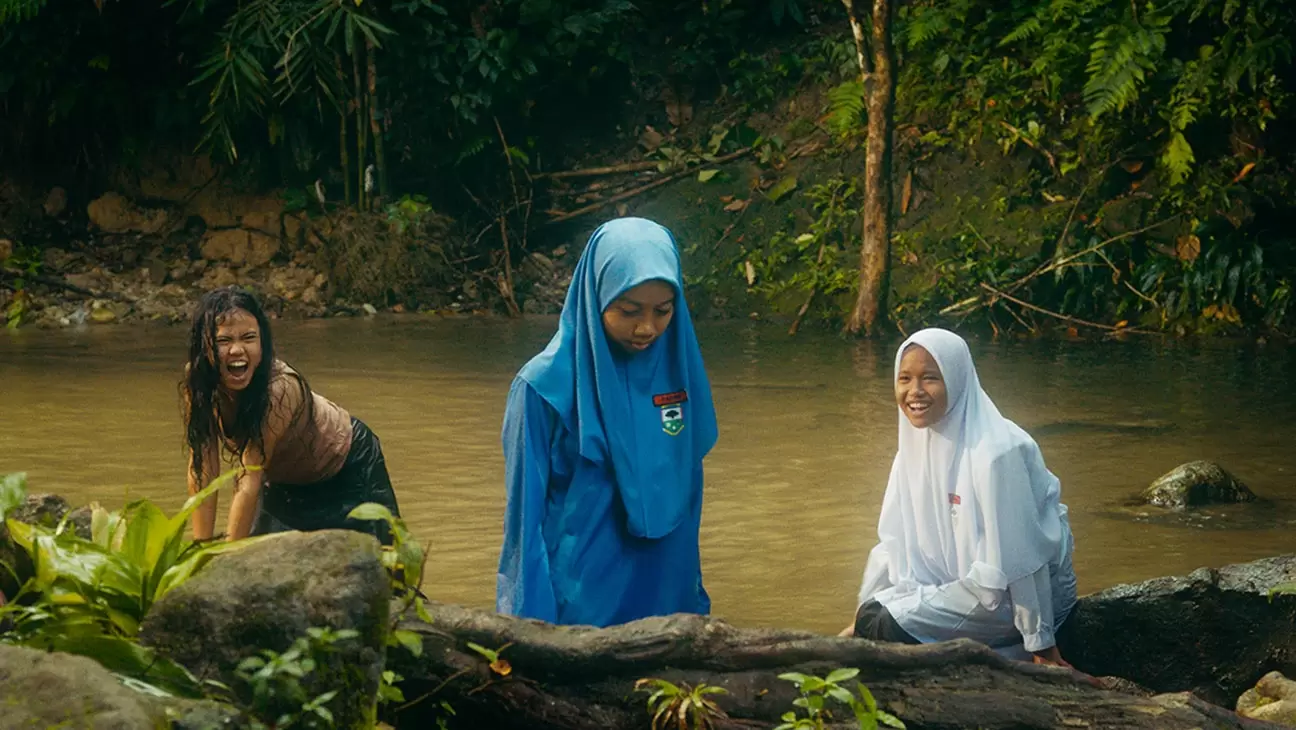
Although the protagonist of the film is compelling because of the way in which she is constantly mistreated by her community, this has some unfortunate side consequences. Although it seems clear that the movie is designed to comment on the “mob mentality” associated with religious communities such as the one in which it is set, this also makes the threat feel arguably non-specific.
Zafreen Zairizal’s performance in the leading role is superb, especially considering that this is her first ever on-screen turn. It’s a role that is demanding — both physically and emotionally — yet Zairizal manages to make everything feel entirely authentic. Even with sounds and expressions, not just dialogue, Zairizal is able to get an extraordinary level of emotion. Visually, the film is somewhat restrained until the final act, which leans a bit more heavily into the fantasy elements. The pacing for the first two thirds is somewhat relaxed, only for the final act to kick things into overdrive and become truly unsettling and provocative. The final image of the movie creates a fascinating and effective parallelism that will stick with viewers long after the credits roll. Although Tiger Stripes might be off-putting to some due to its pacing, it sticks the landing in a way that makes it stand out in a familiar genre. It would have been nice to see Amanda Nell Eu’s film cut a bit deeper, but it’s still a fascinating take on this story and themes. Tiger Stripes screened at the 2023 Fantasia Film Festival, which runs from July 20 to August 9. Rating: 3.5/5 Review by Camden Ferrell 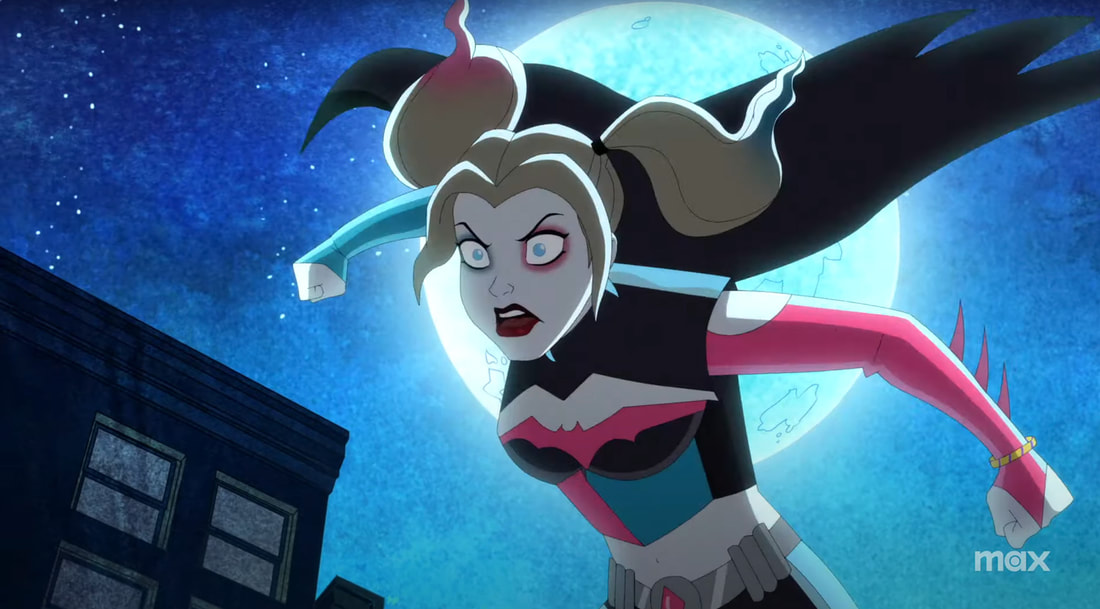 DC’s animated series, Harley Quinn, stands out among a sea of comic book content by being unapologetically raunchy and goofy. Since 2019, audiences have watched the explicit, gory, and crass antics of one of DC’s most beloved characters. Season 4, which comes out imminently, is no different. Thanks to another round of outrageous and hilarious episodes, paired with more great voice acting, this newest season proves that the show is not running out of steam anytime soon. Spoilers for season 3, but Harley is a good guy now, and she is the newest member of the Bat-family. However, this major life change doesn’t come without some adjustments. Harley and Poison Ivy are still madly in love, but their individual paths of life lead to complications both serious and comedic. Fans can expect more engaging storylines for this ensemble to embark on with enjoyable results. This is a show that I believe excels due to its consistency. From its very first episode, this show has had reliable humor and dialogue that made it fun to watch. This season doesn’t stray from that tried and tested format, and it doesn’t need to. These characters are still hilarious to watch, and this season provides more raunchy jokes and dialogue to help push its narrative along. Obviously, there are some swings and misses, but you can always rely on each episode to have its fair share of laughs. 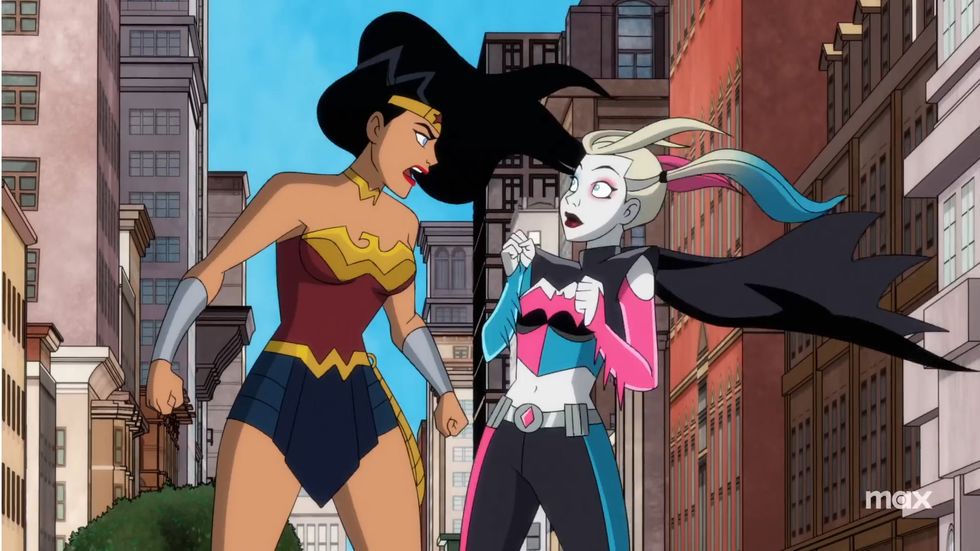 The voice cast has always been one of the most appealing aspects of the show, and they’re all still delivering immensely with this. Kaye Cuoco reprises her role as Harley Quinn, and I still can’t imagine anybody else playing her in an animated show. She embodies her perfectly, and really brings the character to life. Lake Bell also excels as Poison Ivy as usual, and she always plays well off Cuoco’s performance. As usual, this show features an extensive cast, all of whom bring their own personality into this unique group of DC characters.
These episodes have some great narrative choices to keep viewers guessing, and it’s great to see Harley adjust to her new role and new life. The Bat-family is an interesting new change to the status quo of the show, and it gives the show plenty of new material to explore. In addition to the fun stories being told, fans can also look forward to the usual helping of sex and blood galore, and I’d even say this might be their raunchiest season thus far. Harley Quinn continues its hot streak with a quickly paced fourth season that is as reliable as ever. Never amazing but never bad, this season will please its fans and hopefully encourage newcomers to start the series. You can expect plenty of adult-oriented entertainment to accompany your helping of comic book adjacent media with this show. Harley Quinn season 4 is streaming July 27 on Max. Nine out of ten episodes have been reviewed. Rating: 4/5
Review by Sean Boelman
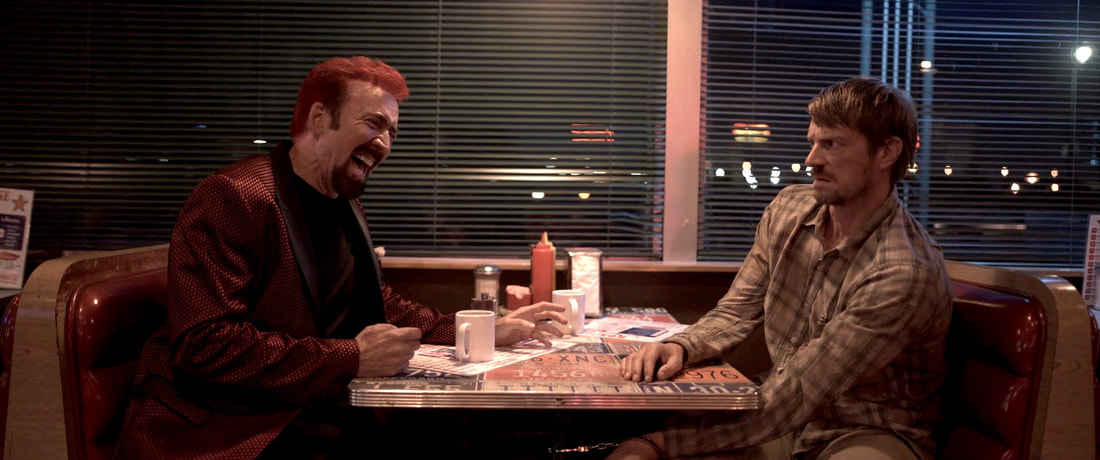
Nicolas Cage as "the passenger" and Joel Kinnaman as "the driver" in Yuval Adler's SYMPATHY FOR THE DEVIL. Courtesy of RLJE Films. An RLJE Films Release.
Nicolas Cage is the rare actor where, regardless of the caliber of the film he’s acting in, he almost always gives 110%. Sympathy for the Devil is not the greatest movie in Cage’s filmography by any matter, but Cage gives such an impassioned turn that the result ends up being thoroughly watchable.
The movie follows a driver who picks up a mysterious passenger who begins to hold him at gunpoint, only for the driver to realize that there is more to this situation than he may realize. It’s an extremely minimalistic film and story, and while it’s not “good” in a traditional sense, it’s sure to be enjoyable by the niche audience of those who enjoy Cage’s B-movie efforts. With a runtime under 90 minutes, the movie is pretty tight with its pacing. However, as much of this is owed to the bare-bones nature of Luke Paradise’s script as Yuval Adler’s direction. Viewers might be surprised to see just how little violence and action there is in this film, but the movie manages to keep viewers engaged nonetheless. One of the most frustrating things about Sympathy for the Devil is that it is overly ambiguous. The film’s aspirations are never to be more than a standard B-movie, so why does it play so coy with its themes? Viewers might even spend the first act of the film wondering if there is a supernatural angle before realizing how straightforward it is. The character development in the movie also doesn’t make a ton of sense. There’s an ominous connection between the characters teased throughout the film, and it is eventually explained through some heavy-handed exposition around the one hour mark. By that time, viewers will either be checked out of the movie or along for the ride. As is often the case with many of the films he is in, Nicolas Cage manages to single-handedly elevate Sympathy for the Devil from a rudimentary thriller into something legitimately fun. His line delivery, even when the dialogue is less than impressive, is fully committed and over-the-top in a way that’s quite enjoyable. The movie contains what might be one of the Cage-iest Nic Cage moments in recent memory in an inspired rendition of disco classic “I Love the Nightlife.” Joel Kinnaman’s performance isn’t terrible, but when put up against Cage’s unhinged turn, it feels uncharacteristically dull for the usually talented actor. To be fair, the role doesn’t give him a whole lot to do other than react to Cage’s lunacy for a little over 80 minutes, but it too often feels like the two actors are on entirely different levels. Sympathy for the Devil hopes to take minimalism to the extreme and deliver simple thrills, and the only reason it is able to do so is the characteristically committed performance by Nicolas Cage. Genre cinephiles who check out everything Cage is in will see this when it hits theaters and VOD in the US this week, July 28 — but it’s unlikely to win over anyone outside of the actor’s cult following. Sympathy for the Devil screened at the 2023 Fantasia Film Festival, which runs from July 20 to August 9. Review: 3/5 Reviewed by Jonathan Berk 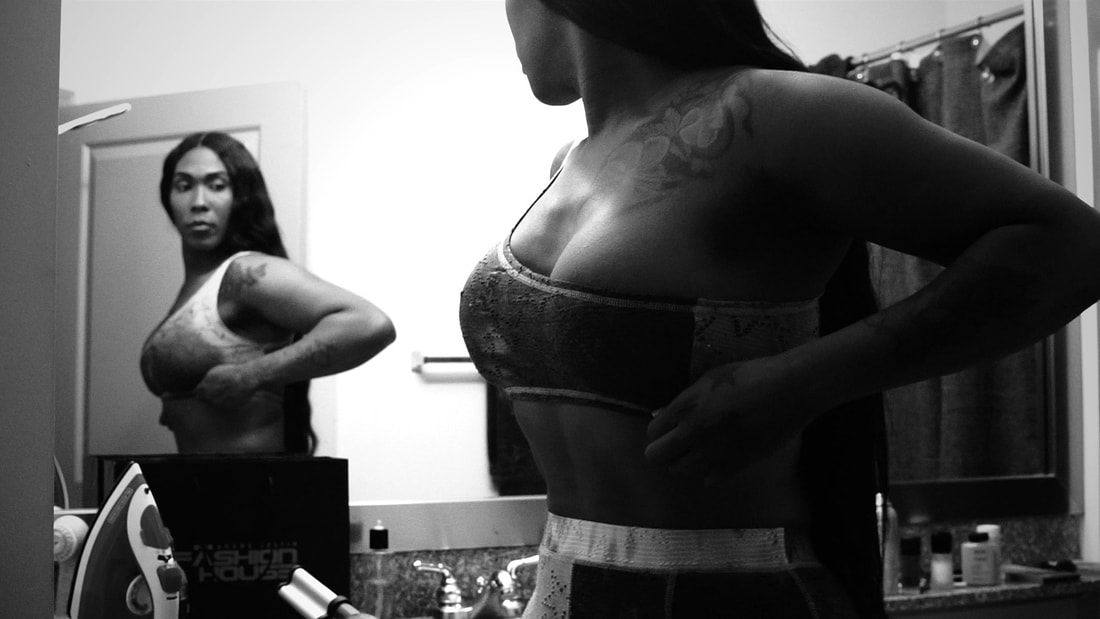 Koko Da Doll in KOKOMO CITY, a Magnolia Pictures release. Photo courtesy of Magnolia Pictures. Choosing what project to make your directorial debut on is a big one. If that choice says something about the one making it, then D. Smith is brave, bold, and beautiful. Kokomo City is simple as a documentary film. It is a person with a camera pointed at the subjects sharing their lives. Where this film is elevated is the stunning black and white cinematography, unique camera placement, and both the stories shared and the people to whom they belong. Smith’s movie features four Black transgender sex workers out of Atlanta and New York City — Daniella Carter, Koko Da Doll, Liyah Mitchell, and Dominique Silver — who share stories unreservedly about their profession and the struggles they have faced with acceptance. While the film mostly focuses on the four transgender women, it also frequently returns to Lo, a music producer and writer, and his experience with an internet relationship with a transgender woman. His reluctance to admit his interest really helps land the struggles the core four experience. There are other interviews and conversations to supplement the main stories, but Lo seems particularly compelling as the film returns to him and his struggle. Black and white cinematography has seen a resurgence over the last few years, but it is still infrequent. For some people, the lack of color on screen is enough of a reason to walk away from a movie or show, and thus a risk a filmmaker takes. However, Smith’s decision to shoot this in black and white pays off. There are so many gorgeous frames in this documentary, it is often easy to forget it’s not a fashion ad. The great juxtaposition of the exquisite look is the realness Smith asked the four transgender women to maintain. 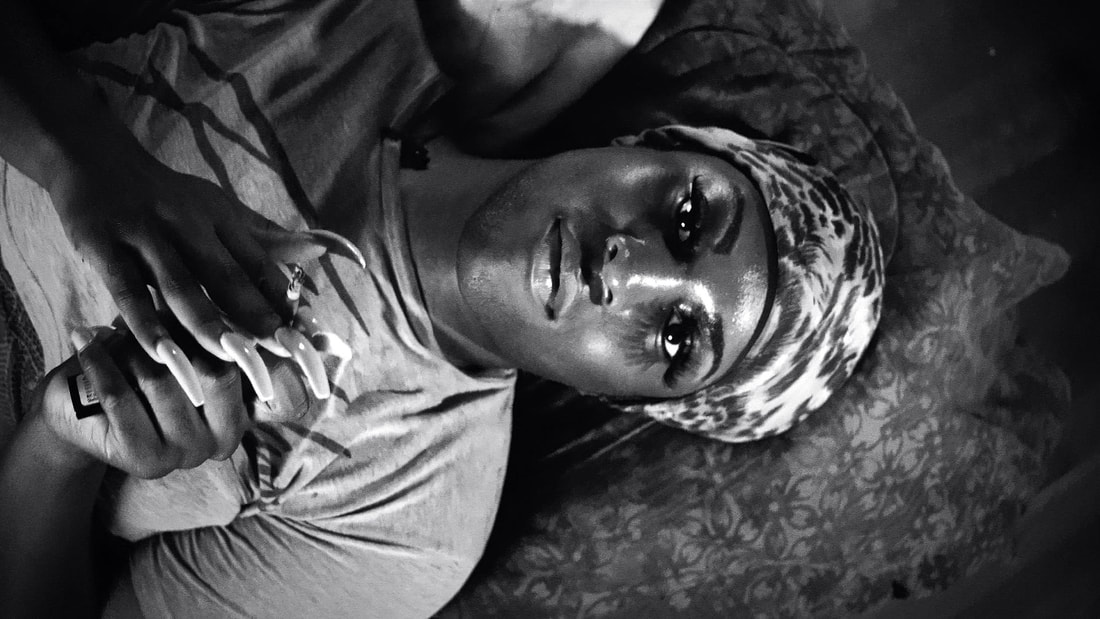 Liyah Mitchell in KOKOMO CITY, a Magnolia Pictures release. Photo courtesy of Magnolia Pictures. Smith said, “I wanted those walls down. In this film, I was able to share the private lives of four transgender sex workers who are never represented publicly. I offered the girls freedom. Freedom to talk like us. Look like us. Don’t worry about politics. Forget about makeup. Don’t worry about calling your glam squad today. Just tell your story. I wanted to humanize the transgender experience.” This idea is present in every moment of the film, and it is executed to great impact.
Kokomo City touches on many hot-button topics in our world right now. While many stories are comedic, Smith’s film slowly turns towards many of the struggles faced by black transgender women. The focus of finding ones place and our desire to find acceptance rings true and loud. This film emphasizes how sad it is that our society makes people feel unable to exist openly and freely. The final shot of the film is a powerful one that stamps Smith’s statement completely. Kokomo City is out in theaters on July 28. Rating: 4.5/5
Review by Sean Boelman
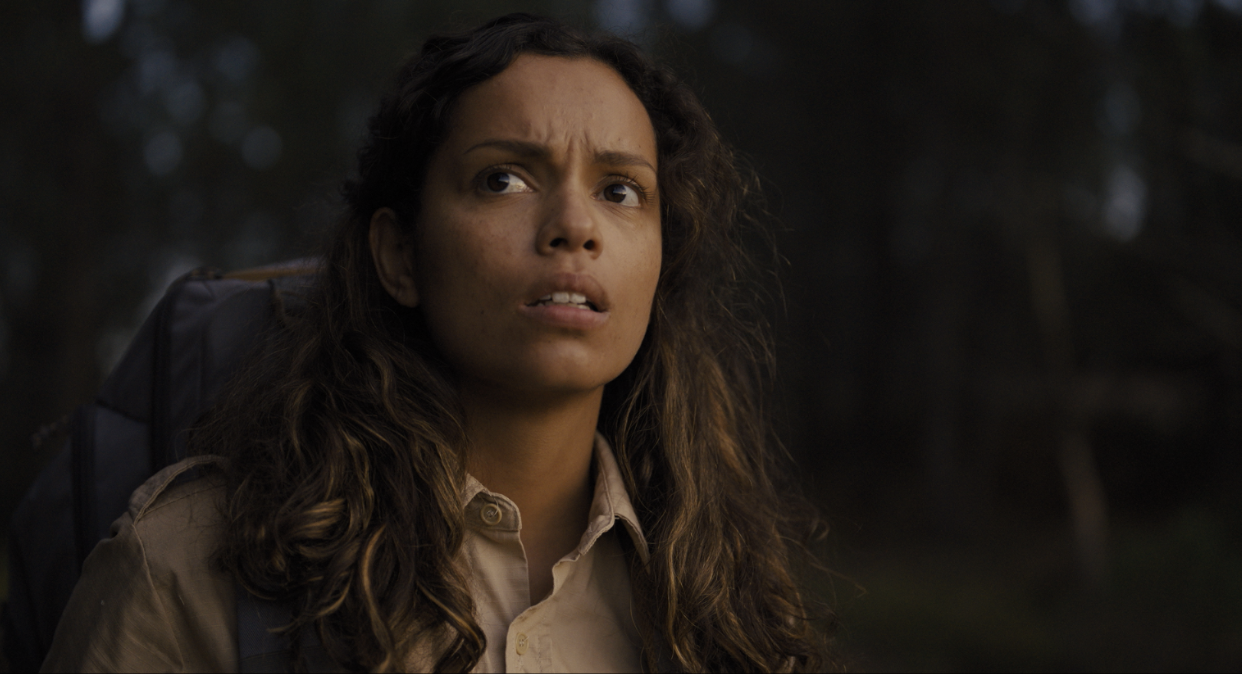
Teresa Sutherland is already an acclaimed writer in the horror space, having written the horror Western The Wind and serving as a writer on Mike Flanagan’s Midnight Mass. Genre cinephiles are undeniably hoping that her directorial debut, Lovely, Dark, and Deep will boast the same level of pedigree, but apart from some effective visuals, the film offers precious little to enjoy.
The movie follows a novice park ranger who, as she begins to investigate a series of disappearances, finds her grip on reality becoming increasingly strained. This is the type of movie where viewers will likely ask themselves “what the heck is happening in this?” and not be able to figure out the answer — but not in an intriguing, thought-provoking way. If the film is effective at one thing, it is creating an effective atmosphere. As a psychological horror, the movie almost works. It has a little bit of The Shining, a little bit of Lynch, a little bit of Lovecraft — all influences which are extremely good at creeping under the viewer’s skin. Unfortunately, what the movie builds to feels quite anticlimactic, leaving viewers feeling empty and unsatisfied once the credits roll. However, even with the unsettling atmosphere, the film isn’t able to maintain tension for the entirety of its runtime — made even worse by the fact that it is under 90 minutes. It all too often feels like the movie is just spinning its wheels, coming up with excuses to give us more cool and unsettling imagery. The technicals of the film are all quite strong. The cinematography by Rui Poças, the music by Shida Shahabi, and the effects (both practical and CGI) look great. Sutherland also really knows how to use the location in which the movie was shot — a woodsy area in Portugal — to maximum effect. It will likely come as no surprise that, like many psychological horror films, Lovely, Dark, and Deep is another examination of the things that haunt the characters internally. However, this would work better if viewers knew… almost anything about these characters. Even the protagonist feels needlessly vague, and so many character decisions in the movie simply make no sense. It’s a shame that the film doesn’t give its cast much to work with because lead actress Georgina Campbell is extremely talented — as evidenced by last year’s unexpected breakout Barbarian. Campbell tries her best here, and she manages to squeeze just enough emotion out of the character for the audience to care about her fate, but nothing beyond that. The title Lovely, Dark, and Deep is a misnomer — in actuality, the movie is only one of those three things: dark. There’s a lot of potential in this thanks to the talent in front of and behind the camera, but Teresa Sutherland’s feature debut unfortunately doesn’t quite come together. Lovely, Dark, and Deep screened at the 2023 Fantasia Film Festival, which runs from July 20 to August 9. Rating: 2.5/5
Review by Sean Boelman
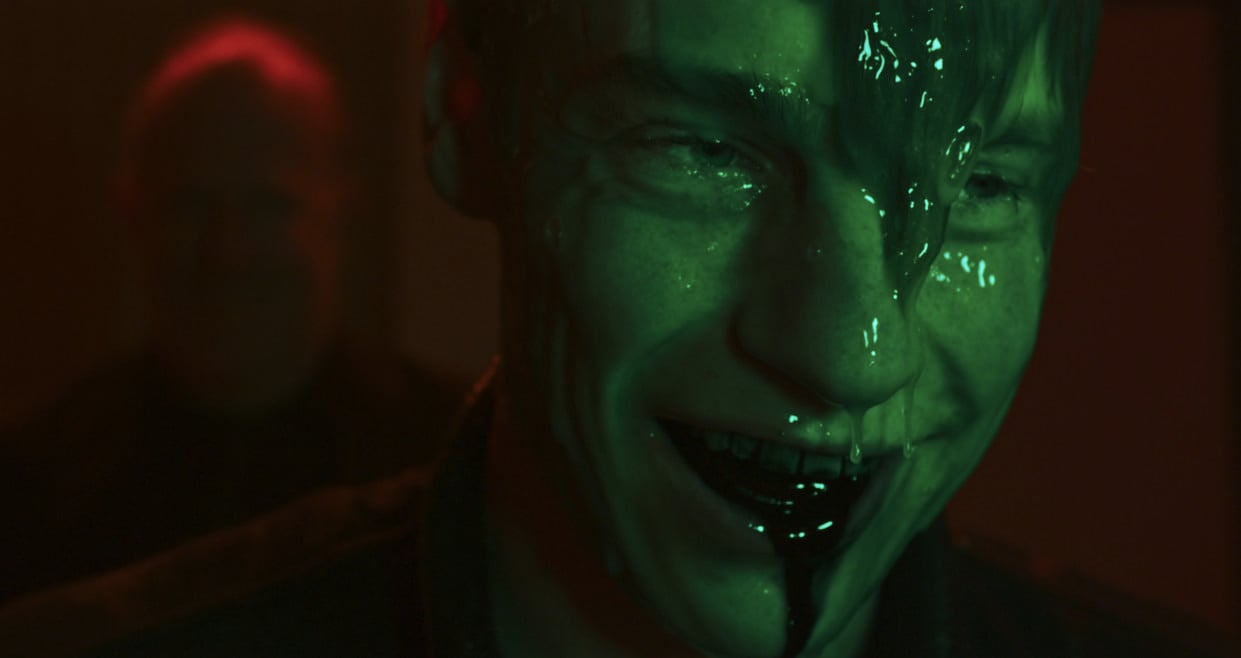
At only 18 years old, Australian filmmaker Alice Maio Mackay is already on her third feature film, and all three of them have gained a good deal of recognition among the genre cinephile community. Her latest, T Blockers plays like a queer version of the cult classic horror-comedy They Live, and if that pitch sounds like your thing, this is definitely a movie you’ll want to check out.
The film follows a young trans filmmaker as she discovers that the residents of her town are being infected by mysterious parasites, and she is the only one who can sniff them out. Mackay has taken this familiar premise and put a distinctly queer spin on it, and the result feels charming and creative despite its flaws. As one may expect, the movie is extremely angry in its discussion of transphobia. The result is several story beats and lines of dialogue feeling very on-the-nose. And while the message of the film is undeniably important in a world that is increasingly hostile towards trans people, one can’t help but feel like this is preaching to the choir. The people who are going to seek out a crazy trans genre movie like this aren’t the ones who need to be learning about the dangers of transphobia. One of the biggest shortcomings of the movie is that its character development is somewhat scant. The protagonist is compelling, but even her arc does not feel as pronounced as one would like. And the supporting characters — from the villains to the love interest and even the protagonist’s best friend/sidekick — never grow beyond their archetypes. 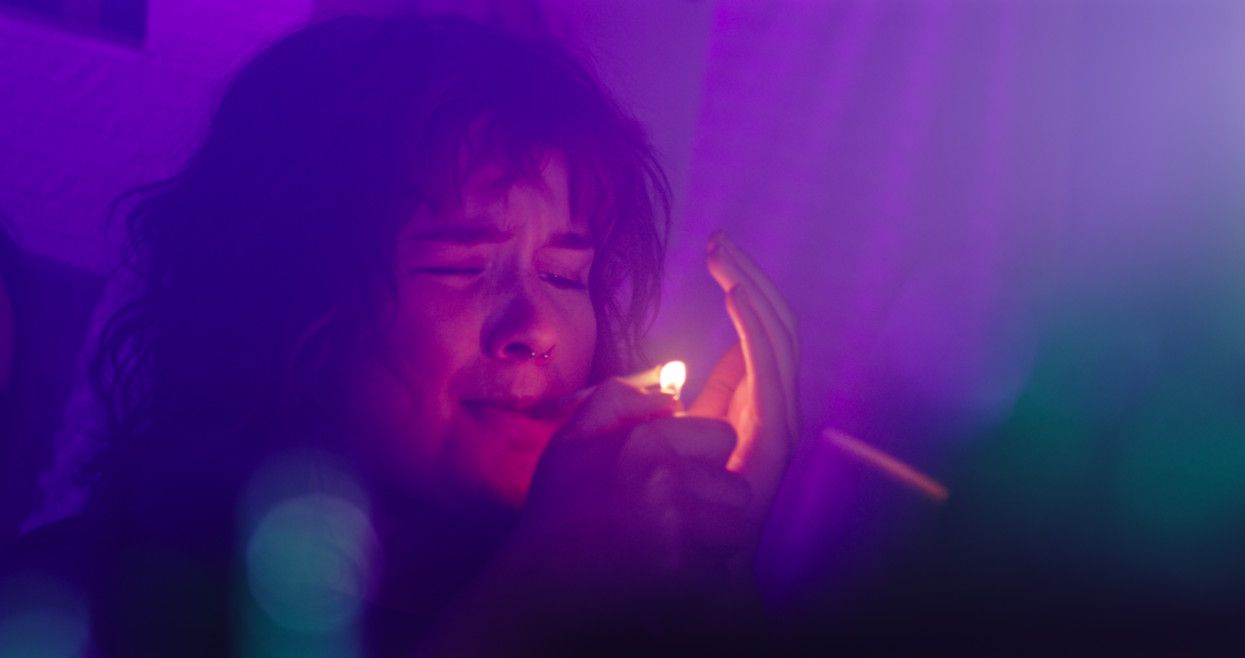
The pacing in the film is also a bit off. The horror elements of the movie are almost treated like a subplot for the first forty or so minutes, which have heavy romantic comedy elements to them. However, for the last thirty minutes, it kicks it into overdrive and ends up feeling somewhat rushed. With a runtime under 75 minutes, it would have been nice to see the film be a bit longer to allow its story to breathe a bit more. Lauren Last gives a performance in the leading role that can only be described as “kickass.” She channels her inner Roddy Piper, delivering one liners while feeling effortlessly cool. However, there is also a very effective emotional side to her turn as well. In fact, Last is so good that she sticks out like a needle in a haystack — as everyone in the supporting cast is giving pretty standard B-movie turns while she totally dominates. Mackay was clearly going for a particular B-movie look, and if you evaluate the movie by that standard, it’s very much a success. The cinematography is rough and the effects over the top, but it’s very fun in a campy way. Throw in some extremely youth-oriented soundtrack choices and a neon-drenched aesthetic, and you have a to-be cult classic for queer youth. T Blockers isn’t a perfect film by any means, but Alice Maio Mackay takes a fun concept and brings a unique vision to it, creating an idiosyncratic yet approachable queer horror flick. But even beyond the great representation it offers, it’s just an all-around good time. T Blockers is screening at Outfest, which runs in-person in Los Angeles from July 13-23, and online from July 17-30. Rating: 3.5/5
Review by Sean Boelman

The First Slam Dunk was one of the biggest films in its home country of Japan last year, earning a spot among the top-grossing Japanese movies of all time. Western audiences are getting their introduction to the movie at Fantasia before its upcoming U.S. release, but it seems unlikely to translate to do as well here as it did overseas.
The film follows a teenager who, after the passing of his older brother, sets out to achieve his brother’s dream of becoming a basketball star. Based on the popular Slam Dunk manga series, this is the type of uplifting underdog story that should be a crowd-pleaser, but it’s a bit overlong and shoddily paced to connect with many beyond the source material’s admirers and basketball lovers. One of the movie’s big mistakes is not investing more in the team dynamic. We’re given a backstory for the protagonist, but none of the other characters, nor much about his friendship with any of them. As a result, viewers will end up cheering for the protagonist rather than the team as a whole, which is not the most effective approach when it comes to a sports movie like this. The First Slam Dunk deserves major props for delivering some excellent basketball sequences, but there is a bit of a disparity between what we see and what we are supposed to believe. What we are watching is a high school basketball team. The film treats this competition in the same way one would more reasonably expect to see at a professional match — or even a college game — creates a need for suspension of disbelief. Additionally, the fact that the movie is essentially one long basketball match (with flashbacks interspersed throughout to give it more of a story) makes it feel monotonous quickly. Granted, for viewers who are more into the sport of basketball, it may be able to hold their attention more easily, but non-fans won’t be able to get invested easily. There are certainly some moments in which the film pulls on the right heart strings to create an effective emotional beat, but they are undermined by the narrative structure and editing. Although the point is clearly to use this emotional connection to get viewers more excited to root for the heroes, they completely disrupt the movie’s narrative momentum. Still, the animation — particularly during the basketball sequences — is fantastic. The character design is emotive, the action is kinetic, and yet the frame never feels overly busy. There is one scene at the film’s climax that is absolutely breathtaking and arguably one of the best animated sequences of the year. There’s not a ton of detail in some of the backgrounds, but the foregrounds are so great that they command the viewer’s attention. The First Slam Dunk boasts some unquestionably great animation, but the narrative definitely leaves something to be desired. Granted, as someone who is not particularly a fan of the sport of basketball, maybe it can just be chalked up to not being in the target audience — but it’s not quite effective. The First Slam Dunk screened at the 2023 Fantasia Film Festival, which runs from July 20 to August 9. Rating: 2.5/5
Review by Sean Boelman
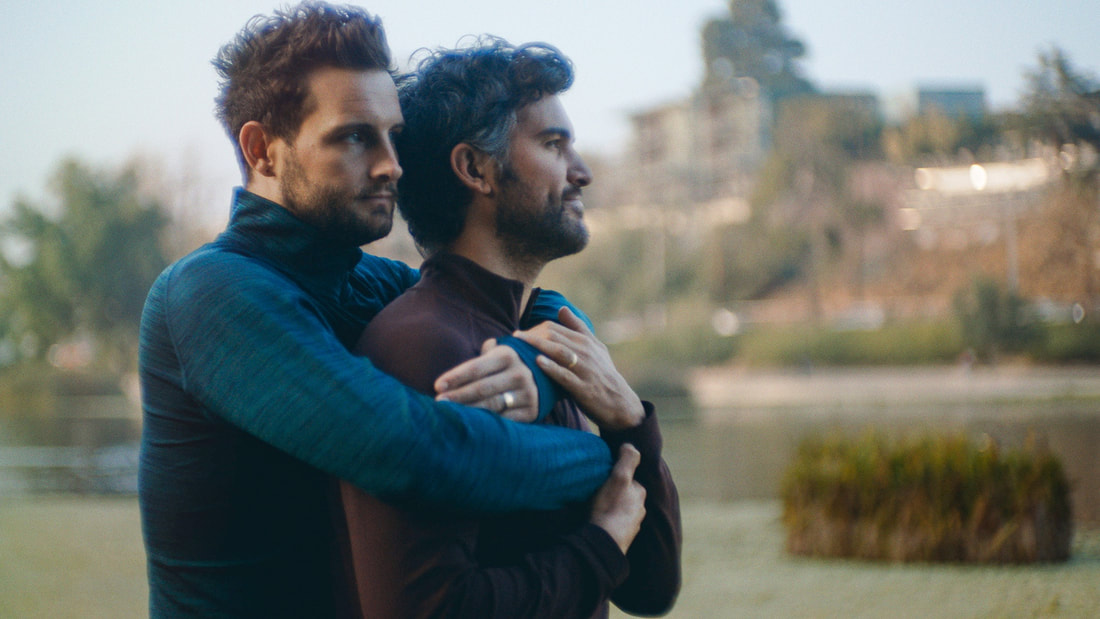
It’s often evident when a film is a passion project, and that’s certainly the case with The Mattachine Family, directed by Andy Vallentine and written by him with his husband Danny Vallentine. Although The Mattachine Family doesn’t reinvent the wheel when it comes to the LGBTQIA+ dramedy, it’s entirely harmless and just good enough to work.
The movie follows a gay couple whose ideas of family are challenged after their first foster child is reunited with his birth mother. It’s a pretty compelling mix of family drama and romantic comedy, with some funny moments and heartwarming ones, even if it is frequently held back by an uneven script. The Mattachine Family arguably works best as an exploration of its central theme of the challenges of raising a family for an LGBTQIA+ individual. Although there are some moments in which the messaging becomes a bit muddled — such as a scene in a courtroom, where the film comes dangerously close to a regressive take on the foster care system — it’s clear that the movie mostly means very well. The script written by the Vallentines struggles with flow, feeling more like a series of interconnected vignettes than a cohesive story. It feels almost as if they approached writing this film with those key scenes in mind, and the connective tissue simply did not fall into place. Although those moments are often effective at pulling at the heart-strings, the movie simply isn’t able to sustain that emotion. 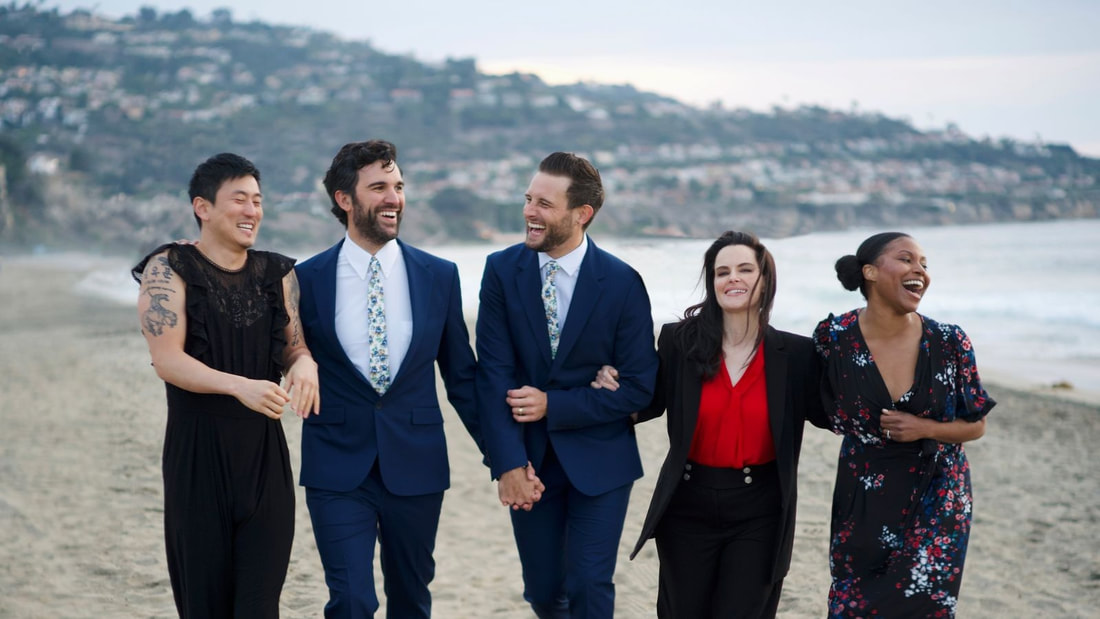
The other part of the film that is somewhat off-putting is its tone, which leans a bit heavily on the sentimentality at times — even to the point of ocassionally becoming a Lifetime-esque melodrama. Much of the blame can be put on the dialogue, which consistently means well, but is often cheesy or on-the-nose with what it has to say.
That being said, the movie is saved by solid direction by Andy Vallentine, guiding some gifted performers in their roles. Nico Tortorella gives such a convincing performance in the lead that it is hard to imagine anyone in the role. They exude so much raw emotion that the film feels authentic, even when its writing is a bit strained. In the supporting cast, Emily Hampshire is the biggest standout, having the flashiest “supporting actress” moments, while Heather Matarazzo’s bit part feels like more of a bid to lend the movie a higher profile. In terms of the film’s below-the-line qualities, it’s about as one would expect from an indie dramedy like this. The cinematography is a bit on the oversaturated, glossy side, and the needle drops and score tend to be on the nose. It’s competent enough to pass as mainstream, possibly for a life on streaming or the like. If there’s one word that you could use to describe The Mattachine Family, it’s cutesy. It’s occasionally effective as a tear-jerker, and is elevated by some disproportionately excellent performances, but it too often falls victim to the script’s melodramatic trappings to be any more than merely alright. The Mattachine Family is screening at Outfest, which runs in-person in Los Angeles from July 13-23, and online from July 17-30. Rating: 3/5
Review by Sean Boelman
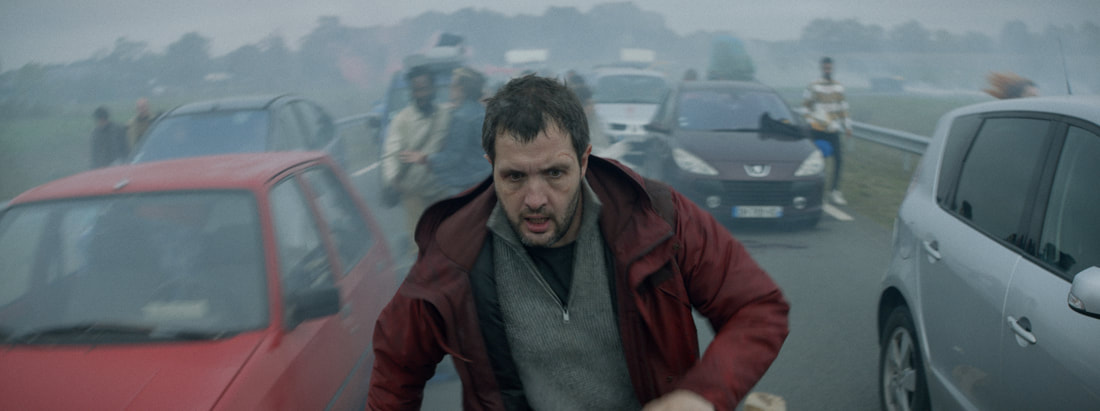
In 2021, The Sadness was one of the most talked about genre films of the year with its relentless and seemingly endless barrage of violence. This year’s Vincent Must Die, directed by Stéphan Castang, has a similar premise but takes a more comedic (and slightly tamer) approach, which makes it a great fit for the genre fest circuit.
The movie follows a man who chooses to live a life on the lam when he finds himself suddenly being physically attacked by everyone around him for no apparent reason. It’s the type of high-concept horror-comedy where the film’s success lives or dies by how much the viewer buys into the premise and world. As one would expect, there are some moments of very shocking violence. For most of the first two thirds of the movie, it comes in relatively short — but extremely brutal — bursts. However, over the course of the film, it becomes more frequent and graphic in its carnage, and by the end, it’s probably not for the squeamish. That being said, although the movie is often upsetting and disturbing in its depictions of violence, there’s also a (pitch black) sense of humor about it. Viewers will understandably let out some nervous laughter after seeing a man getting the crap beaten out of him by an intern he disrespected in the workplace. These moments of dark comedy do wonders for the pacing and making the film more palatable. 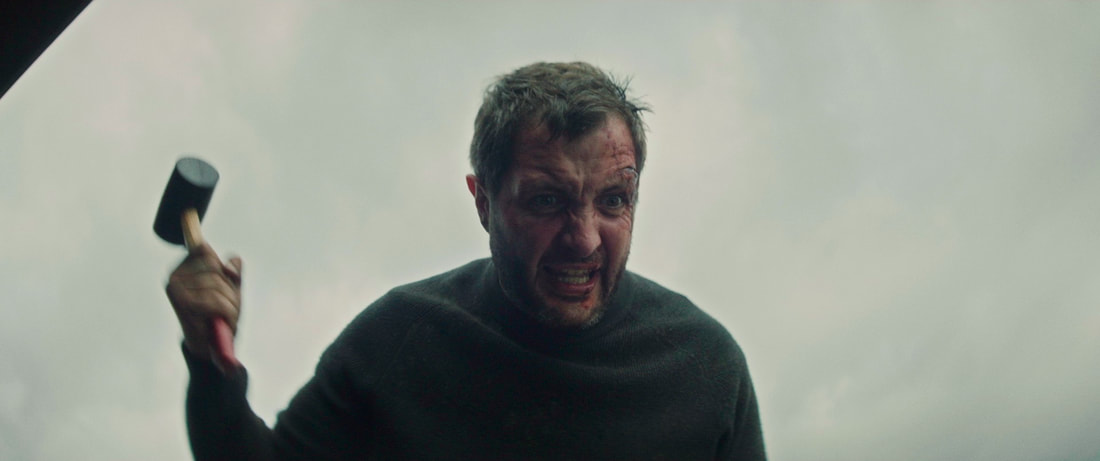
One of the more surprising things about Vincent Must Die is how efficient it is with its character development. The easy way out would have been to make the eponymous protagonist one extreme or the other — a “nice guy” who doesn’t deserve it at all, or a horrible person we want to see suffer. Mathieu Naert’s script gives us someone in-between, where we often understand why people would be frustrated with him, but still root for him to overcome.
Karim Leklou’s performance in the leading role is perfect. It’s a very reactionary performance, where much of the emotion he shows is either fear or bewilderment. Vimala Pons also gives a very strong turn, bringing a lot of emotional nuance to a character that is a tad underdeveloped and Manic Pixie-esque. The only real shortcoming of the movie is that it is ultimately unclear what Naert wants to say with this story. At a certain point, it begins to feel as if everything is somewhat random — and maybe that’s what it’s trying to say. There is a lot of senseless violence in the real world, and if that’s what the film wants viewers to take away, it succeeded. Vincent Must Die is a very funny and satisfying horror-comedy, even if it doesn’t have as strong of a grasp on its messaging as it would have needed to earn itself true cult classic status. Still, it’s an impressive exercise in genre filmmaking, and a strong debut for Stéphan Castang. Vincent Must Die screened at the 2023 Fantasia Film Festival, which runs from July 20 to August 9. Rating: 4/5 |