
|
Review by Sean Boelman  A scene from THE WHISTLERS, a Magnolia Pictures release. © Vlad Cioplea. Photo courtesy of Magnolia Pictures. Written and directed by Corneliu Porumboiu, The Whistlers is a new Romanian crime comedy with a unique narrative structure. Thanks to a creative premise, the film manages to overcome its convoluted plot to be a mostly entertaining and intriguing entry into a familiar and overstuffed genre. The movie follows a policeman who works as a mafia informant, allowing him to play both sides of the law. However, the more interesting aspect of the story involves the protagonist learning the whistling language of the Canary Islands (the original-language title of the film is La Gomera, after the island on which the movie is set) as a means of communicating with his criminal accomplices in code. The main story of the film is relatively generic, but Porumboiu tells it in an extremely unorthodox and nonlinear way. The structure of the movie is almost reminiscent of Pulp Fiction in that there are individual segments exploring different characters and plot elements, although it is much less effective. Unfortunately, this format will be largely unapproachable for mainstream audiences and will only lead to unnecessary confusion. That said, this does also allow the film to keep moving at a constant pace. If nothing else, audiences will have their head continuing to spin trying to put everything together. There is never a boring moment in the movie, as viewers have to keep their attention solely on the screen to keep up with the mystery. 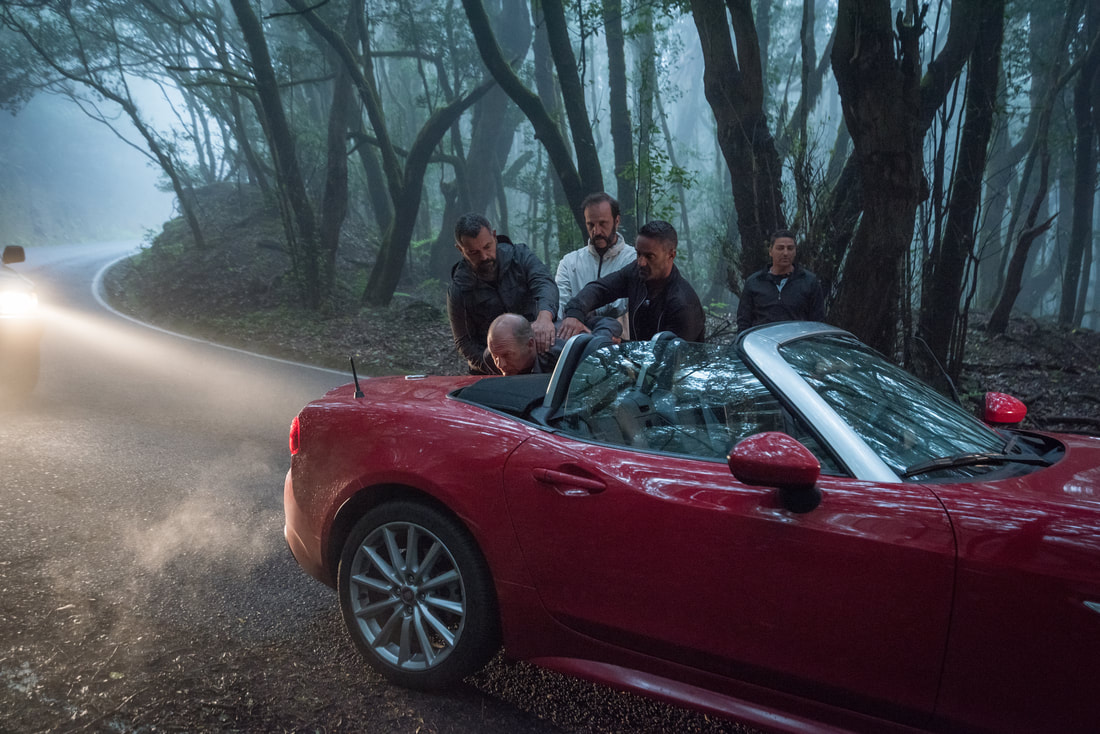 A scene from THE WHISTLERS, a Magnolia Pictures release. © Vlad Cioplea. Photo courtesy of Magnolia Pictures. The character development in the film is also a bit disappointing. Although the comedic edge that the movie has implies that this is going to be a tongue-in-cheek riff of genre tropes, it isn’t quite self-aware enough to be effective in this regard. For example, the main female character of the film is a pretty traditional femme fatale with very little done to give her a substantial arc.
That said, all of the actors do a very good job. The leads, Vlad Ivanov and Catrinel Marlon, have great chemistry together. The movie works best in the introduction before the additional levels of storytelling come into play, but this relationship is an effective and constant force for the entirety of the film. On a technical level, Porumboiu’s movie is very strong, with an emphasis put on aesthetics. The cinematography is often gorgeous, creating an excellent contrast between the rough and gritty settings of urban Romania and the beautiful and picturesque scenery of the Canary Islands. The film’s use of sound is also quite good, the bird songs that inspired the whistling language often serving as a background. The Whistlers has a very strong premise and some phenomenal execution, but the narrative structure keeps the movie from being as successful as it could have been. Still, the film is worth watching if only because of Porumboiu’s level of ambition. The Whistlers is now playing in theaters. Rating: 3.5/5
0 Comments
Review by Sean Boelman  From filmmaker Rotimi Rainwater (Sugar) comes the personal new documentary Lost in America, taking a look at the youth homelesness crisis that currently plagues america. However, despite an abundance of good intentions, the ethical concerns and poor execution of the movie hold it back. The film follows Rainwater as he travels across the country interviewing homeless youth and other figures involved in the epidemic. Because Rainwater himself was homeless for a portion of his life (there is even a segment of the movie dedicated to his own story), he obviously has a very strong connection to this film. That said, this strong connection only extends so far. Arguably the biggest weakness of the movie is that it tries to incorporate too many subjects. Because the film hops between so many different perspectives, it becomes difficult to become attached to any of the characters on an individual level. Although some of the interviews are very moving, they never come together into an emotionally fulfilling whole. Some of the subjects are more compelling than others, and Rainwater seems to recognize that. There are a few of the interviewees that the movie revisits multiple times over the course of its runtime, and without a doubt, those are the ones that have the most compelling tales. Rainwater likely would have been better off getting rid of some of the less intriguing portions of the film. 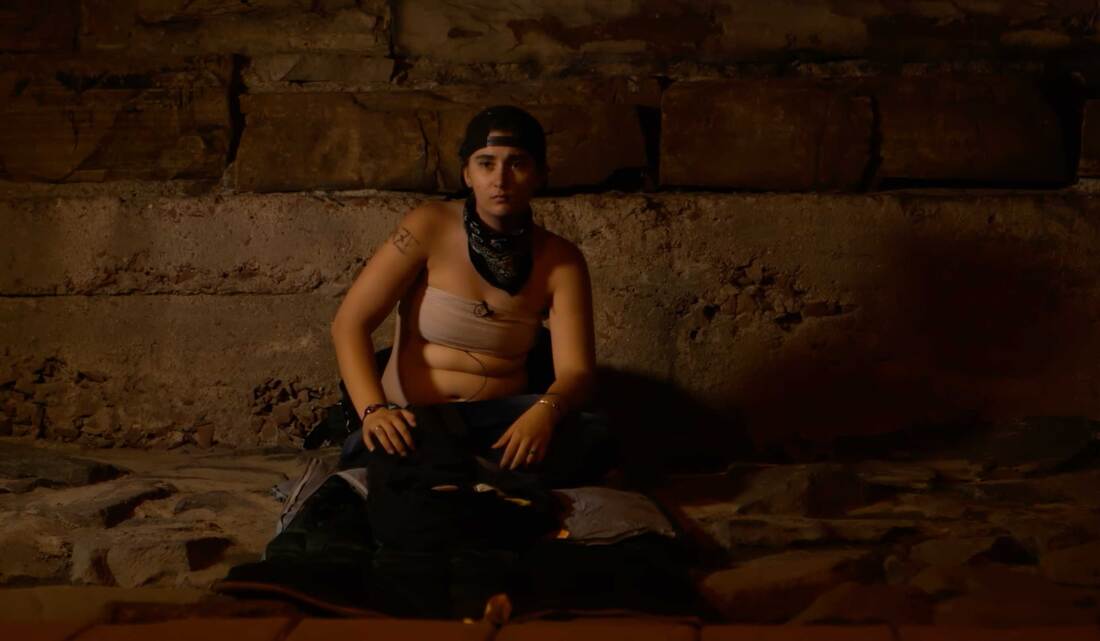 That said, the movie also has quite a few ethical issues, as is the case with any documentary centered around this topic. With Rainwater already intruding on their lives, one would think that he could also intervene. For example, there is a scene in which a young woman eats a can of beans for dinner, explaining how this is the type of meal she gets to eat. Rainwater easily could have provided her with a full meal, but allowed this to proceed for the camera’s sake.
Additionally, the interviews don’t always add to the content of the film. Some high-profile interviewees in the movie include Halle Berry, Tiffany Haddish, and Jon Bon Jovi. Although it is understandable why Rainwater chose to interview them (they all have a connection to the issue at hand), it feels like a plea to find a famous face to put in the film. Other people could have communicated the same information more effectively. On a technical level, the movie is shot in a very basic way that is designed to manipulate the audience into feeling an emotional reaction. Rainwater doesn’t seem to realize that the stories are powerful enough on their own, forcing gimmicky cinematography and an overwhelming score to create forced emotion. Lost in America was made to bring light to a significant issue, but it doesn’t go about it in the right way. Still, by being one of the first films that explores the subject with some level of depth, it could prompt some more effective discussion. Lost in America is now in theaters. Rating: 2.5/5 Review by Sean Boelman 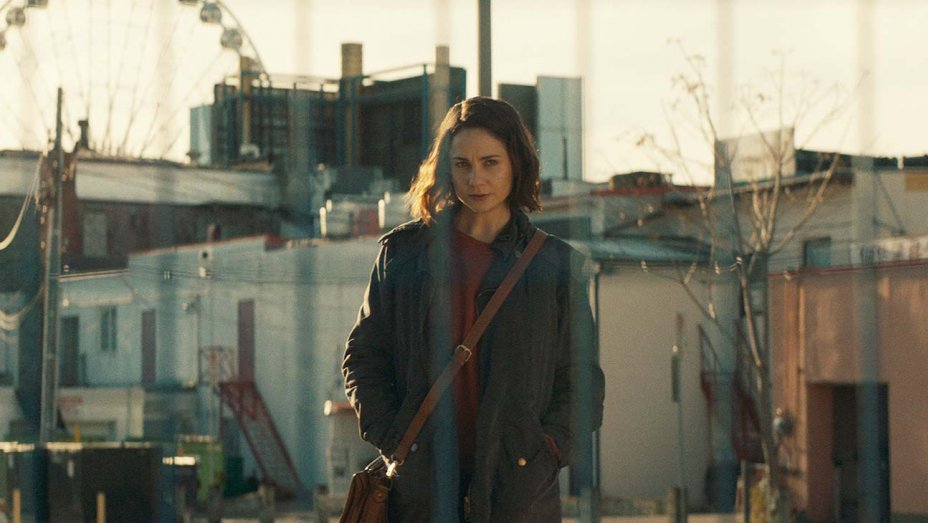 Tuppence Middleton as “Abby” in Albert Shin’s Disappearance at Clifton Hill. Courtesy of IFC Films. An IFC Films Release. Co-written and directed by Albert Shin (In Her Place), Disappearance at Clifton Hill is a stylish new neo-noir mystery. However, despite some interesting ideas found at the story’s core, the film too often plays out like a wannabe David Lynch picture, and this lack of originality often drags it down. The movie follows a young woman as she returns to her hometown, becoming obsessed with a cold case — a disappearance she witnessed when she was a child. For the most part, the film follows a very conventional path and this is what makes it so disappointing. There are so many points in which the plot seems to be pointing in a unique direction only to redirect in a more obvious way. Part of the movie’s problem is that Shin and co-writer James Schultz don’t seem to have mastered the pace for which they are so obviously aiming. Lynch is a filmmaker known for telling stories that are meandering and contemplative, and often weird and random. Although their attempts are obvious, Shin and Schultz never strike that balance in telling a cinematic story and crafting the wandering mystery. Additionally, the character development in the movie is somewhat lackluster. The film depends on the very common trope of the protagonist questioning herself, and while this can create a sense of paranoia if done correctly, it instead forms a distance between the viewer and the character. Shin and Schultz simply don’t make the character approachable enough for the movie to be effective. 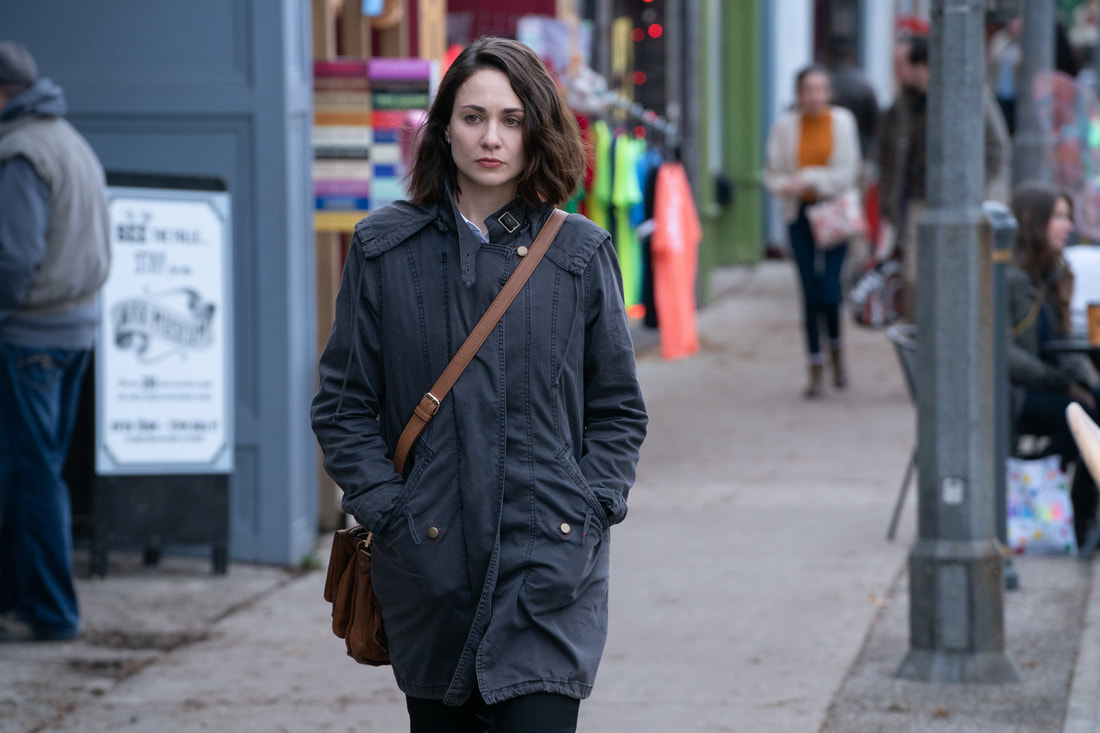 Tuppence Middleton as “Abby” in Albert Shin’s Disappearance at Clifton Hill. Courtesy of IFC Films. An IFC Films Release. That said, Tuppence Middleton is absolutely wonderful in her leading role. She takes a lackluster script and breathes some noticeable life into it, giving the film a much-needed momentum. Many of the movie’s best moments cash in on Middleton’s talents, allowing her to flex her full emotional range and command the screen.
Shin also owes a lot to Lynch in a visual sense here too. The imagery, often drenched in muted colors, is frequently hypnotic and sometimes disturbing. The result is an overall feeling of dreaminess that is often disorienting (in a good way). While it would have been nice to see Shin do something unique to make the film more his own, mimicry is the sincerest form of flattery. The movie’s soundtrack is also very unique. There are some interesting choices in music throughout that run counter to the narrative being shown on screen. This helps artificially create the suspense that the narrative is so desperately lacking, satisfying the bare minimum needed for the audience to not check out of the film. Although there are a lot of good things happening in the movie, Disappearance at Clifton Hill simply feels too unoriginal to be particularly memorable. Still, this feels like more of a misstep than a total failure for Shin. Disappearance at Clifton Hill hits theaters and VOD on February 28. Rating: 3/5 Review by Sean Boelman 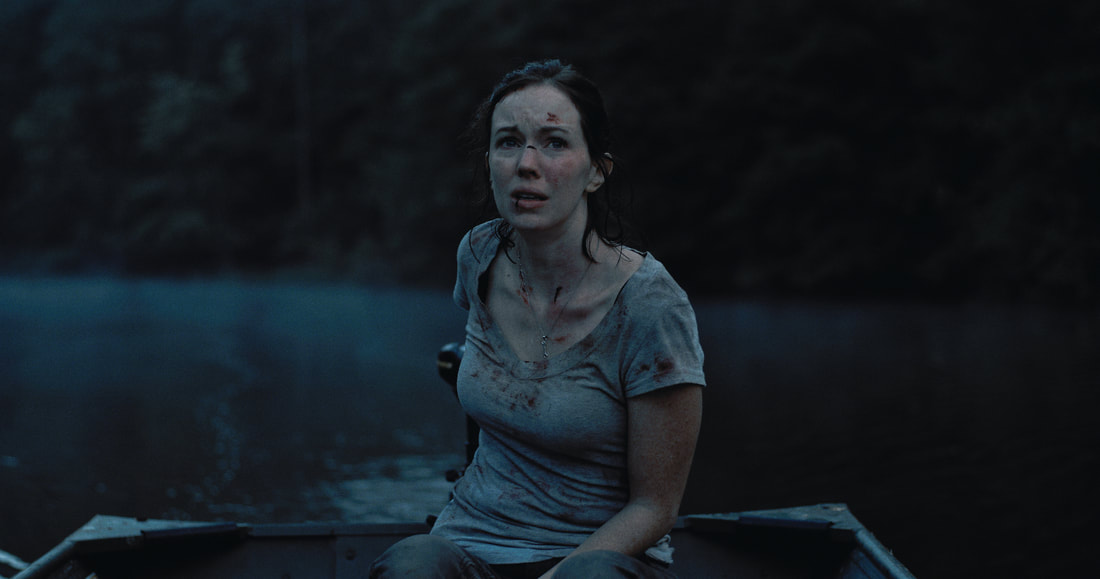 Co-written and directed by Matthew Pope, Blood on Her Name is a new drama-thriller with an intriguing premise. However, although Pope eventually manages to stick the ending, it takes far too long for the film to get moving for it to be anything more than a bunch of good ideas in a smattering of great scenes. The movie follows a young woman as her conscious weighs on her following an accidental killing, causing her to return the body to the victim’s family and sending her life into a tailspin. Unlike what one would expect, the film starts immediately after the killing, throwing the audience right into the action along with the protagonist. In so doing, Pope and co-writer Don M. Thompson allow the audience to question themselves. After this abrupt beginning, the movie slows down to a much weaker pace, and while there are still some very good things happening throughout, none is as shocking and effective as the killer way in which kicks off. Ultimately, Pope and Thompson set the bar too high for original decisions, as the rest of the film is a disappointingly run-of-the-mill thriller. Yet even though this introduction creates some really interesting subtext, it creates some distance between the character and the audience. If the movie seemed to be taking a morally ambiguous stance towards the character, this would have worked well, but there are scenes in which it is obvious that the audience is supposed to be rooting for her. 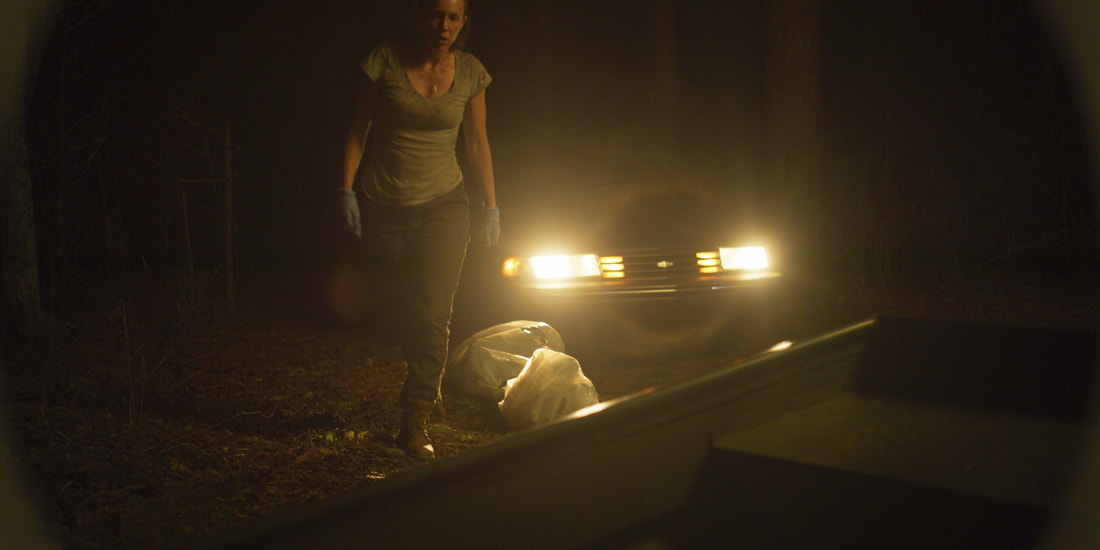 Eventually, it becomes clear that the film is far less concerned with the ethics of the situation than the way in which the protagonist is emotionally affected by her actions. Although this does help the movie stand out, since it is hard to connect with the character, it isn’t quite able to drive home all of the themes that it seemingly hopes to explore.
Bethany Anne Lind gives a powerful performance in her leading role, playing the character with nuance. There are multiple scenes that require her to be vulnerable, particularly in the final act, and she shines in these parts of the film. Will Patton is also impressive in his supporting turn, although he is significantly underused. On a technical level, Pope is obviously competent and knows what he is doing, although the conscious visual style of the movie doesn’t always work. The film obviously wants to be gritty, and the cinematography, production design, and editing all create a sense of discomfort. However, at times, Pope does come across like he is trying too hard to elicit this mood and the movie falls flat as a result. Blood on Her Name shows that Matthew Pope has some interesting ideas in play, but he doesn’t seem to know where to focus his attention to bring out the best in the script. It’s watchable, but more often than not, it feels like it could have been more. Blood on Her Name hits theaters and VOD on February 28. Rating: 3/5 Review by Sean Boelman 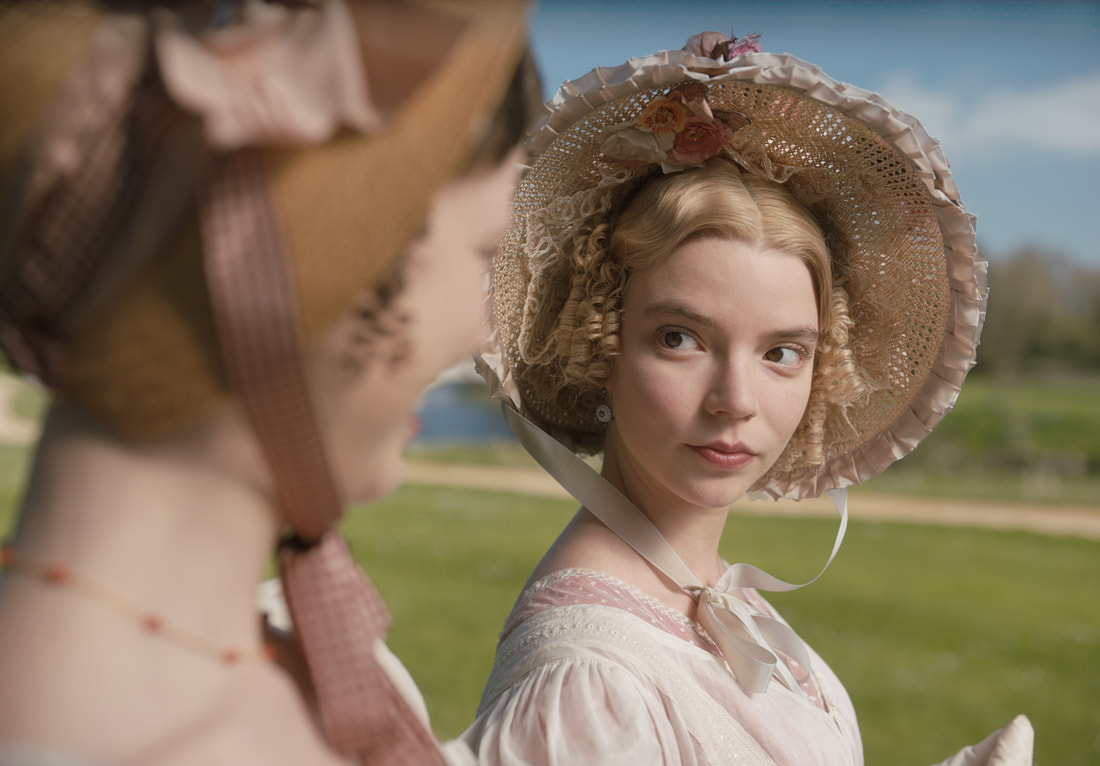 Anya Taylor-Joy stars as "Emma Woodhouse" in director Autumn de Wilde’s EMMA., a Focus Features release. Credit : Focus Features. Courtesy of Box Hill Films. The newest adaptation of Jane Austen’s beloved novel, Autumn de Wilde’s Emma. is likely the most true-to-form version of the story to grace the screen yet. Having the perfect Austenian wit, this is an absolute treat to watch, particularly if one can revel in the absurdity of the humor and beauty of the execution. The film tells the classic story of an entitled young woman who plays matchmaker to her friends, only to find herself caught in the complex web of relationships of her own design. In the translation to the screen, writer Eleanor Catton takes surprisingly few liberties from the iconic source material. As a result, the movie holds few surprises, but also feels undeniably authentic. One of the main things that sets de Wilde and Catton’s vision apart from other adaptations of the novel is that it makes no attempt to present itself as mainstream. Other big-screen versions are admittedly much tighter and audience-friendly, but Catton seems much more concerned with maintaining the pre-existing rhythm of Austen’s writing. Because of this, the film is unlikely to be everyone’s cup of tea, but will almost certainly be appreciated by fans of classic literature. Catton’s dialogue is also perfectly on-the-nose in terms of capturing the wit and charm of the source material. Plenty of quips are sprinkled throughout every scene and will have some audience members rolling in their seats in laughter. Additionally, de Wilde does a great job of incorporating some visual gags into the movie, particularly in relation to the character of Mr. Woodhouse.  Anya Taylor-Joy stars as "Emma Woodhouse" in director Autumn de Wilde’s EMMA., a Focus Features release. Credit : Focus Features. Courtesy of Box Hill Films. As with any version of this story, the character development in this film is quite strong. The eponymous protagonist has a very interesting arc, brought to life wonderfully by a phenomenal performance from Anya Taylor-Joy. With a great deal of nuance, Taylor-Joy makes the movie not only a ton of fun to watch, but also extremely affecting on an emotional level.
In addition to Taylor-Joy, the film’s cast is rounded out with some excellent supporting performers. Myra McFaden’s performance as Mrs. Bates is spot-on, capturing the charming yet sometimes annoying ditziness of the role to a tee, and it is nice getting to see Bill Nighy doing more upscale roles again as Mr. Woodhouse. Other highlights include Mia Goth, Josh O’Connor, Johnny Flynn, and Tanya Reynolds. That said, it is on a visual level that the movie impresses the most. The production design and costuming are truly exquisite. The visual style of the film is so vibrant and lively that it is almost impossible not to admire the level of artistry that is on display. Furthermore, the score by David Schweitzer and Isobel Waller-Bridge, although a bit overbearing at times, is just as gorgeous and complex as the visuals. Emma. is ultimately a very satisfying version of a well-known story. Thanks to a faithful translation of the source material with the talent behind and in front of the camera to pull it off, this is an adaptation that like won’t be beat. Emma. is now playing in theaters. Rating: 4.5/5 Review by Sean Boelman 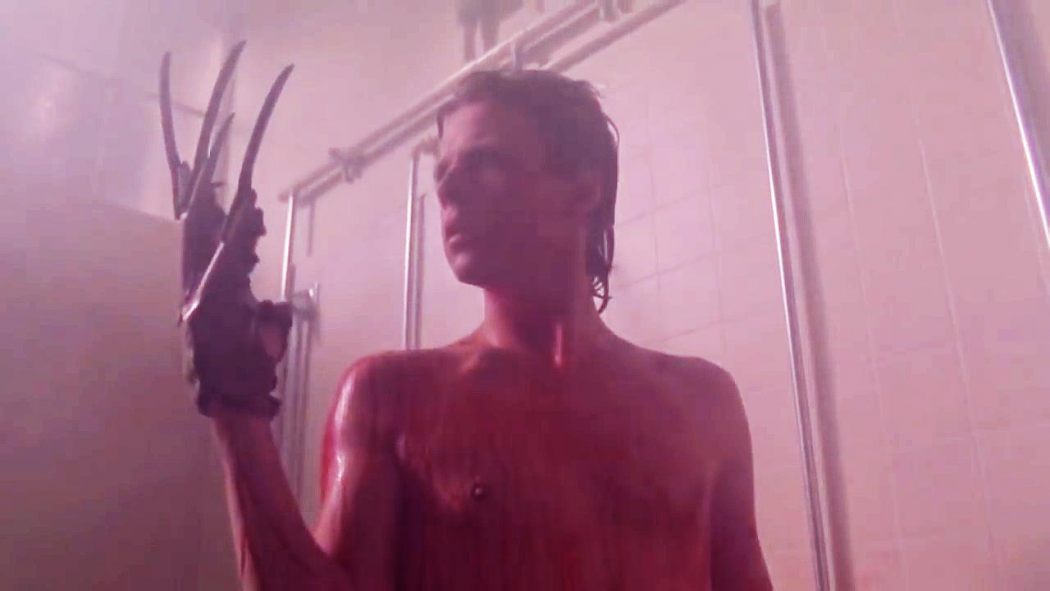 Exploring what is inarguably one of the most controversial horror sequels of all time, the documentary Scream, Queen! My Nightmare on Elm Street takes a look at A Nightmare on Elm Street 2: Freddy’s Revenge and the influence the film had on queer cinema. A must-see for any horror fan, the movie has some structural issues but still makes a great case for its subject as an essential piece of film history. The film tells the story of actor Mark Patton, who starred as the “scream queen” in A Nightmare on Elm Street 2: Freddy’s Revenge in a time in which homophobia was on the rise in light of the AIDS crisis. With this, the documentary becomes not only a behind-the-scenes look at a revolutionary movie that made waves because of its ambitious (even if unpurposeful) thematic material, but also a biography of an undersung LGBTQ icon and the impact he had. The film does a solid enough job of making Patton into a very likable subject. He’s already very charming and has a pretty sizable fanbase, so it doesn’t take much for the movie to succeed in this regard. There is a reason why he has become such an icon in the horror industry and the LGBTQ community, after all. Ultimately, the film does try to juggle a bit too much, causing it to feel somewhat choppy at times. While there are some truly fascinating moments, many portions of the movie seem more underdeveloped. For example, the segment dealing with Patton’s AIDS diagnosis and the way in which he overcame it to become a vocal activist does not receive nearly enough screen time. 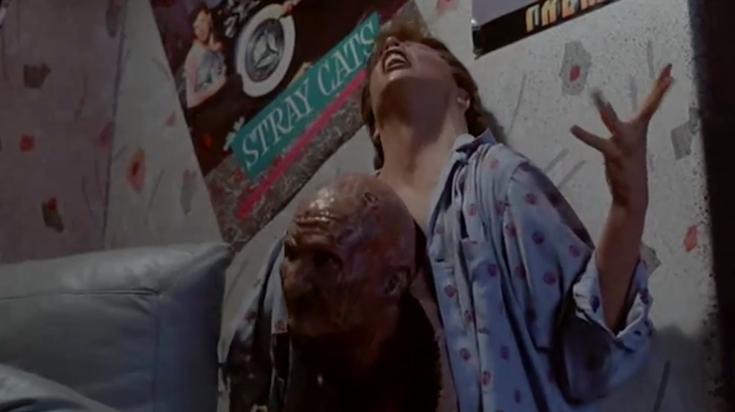 That said, as a feature-length cinematic essay on the themes of a film that is widely debated, the movie does a very good job of presenting its argument and backing it up with relevant evidence. The film purports very firmly that the famous (or infamous, depending on who is asked) “homoerotic subtext” was very purposeful and became text instead as a result.
The film features interviews with some important players in the story, in addition to various cinema historians. Of course, Patton himself tells the majority of the story. Although there are some stylistic inconsistencies between the interviews, their content is mostly very strong and is what keeps the movie moving. Interviews with Freddy himself, Robert Englund, expectedly provide some of the best insight. It is on a technical level that the film falls flat. The movie as a whole lacks stylistic cohesiveness, and this does distract from the story being told. Additionally, the film uses footage from the movie being referenced, but it often re-uses the same clips. Sometimes, this is because a particular scene is being talked about over and over again, but more often, it seems like licensing issues. Still, more variety would have been appreciated. Scream, Queen! My Nightmare on Elm Street provides some interesting commentary and insight on a movie that perplexes most and is beloved by many. Even when the film bites off a bit more than it can chew, it is still a very informative watch. Scream, Queen! My Nightmare on Elm Street hits theaters on February 27 and VOD on March 3. Rating: 3.5/5 Review by Camden Ferrell 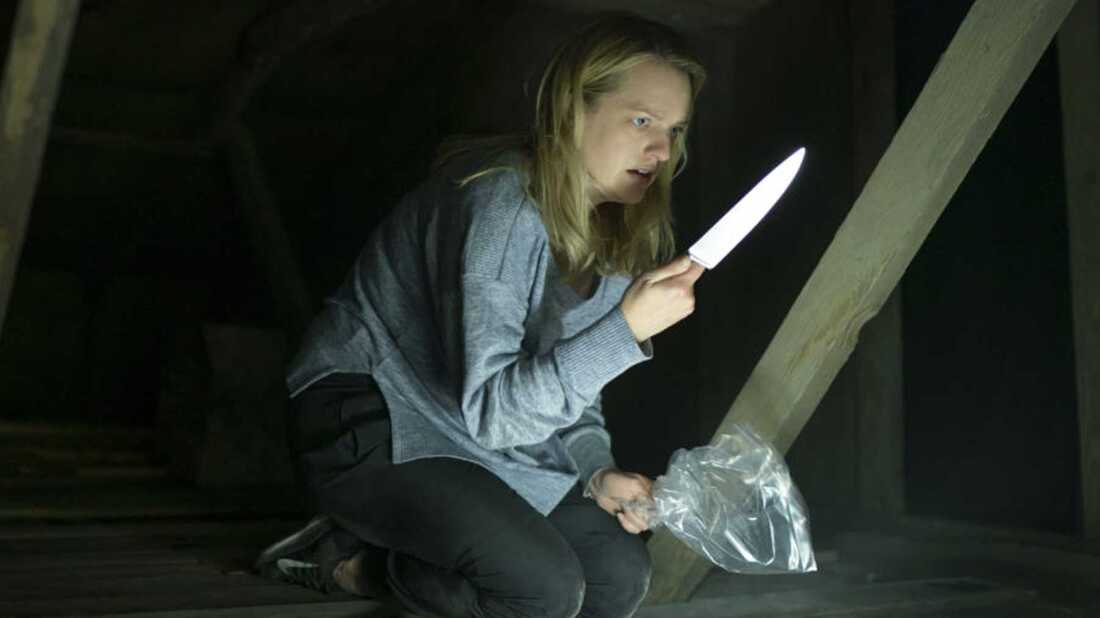 The Invisible Man is a modern adaptation of the popular book and film series. This reboot is written and directed by Leigh Whannell (Upgrade). This movie is a remake done right, and it’s a timely take that is full of great performances and proves to be heavily frightening. This movie is about Cecilia, a woman who believes she is being stalked by her abusive ex after she is informed that he committed suicide and bequeathed all of his fortune to her. This is a fascinating take on the original story, and it tells it from the female’s perspective. It changes up the formula to this story in an interesting way that is modernized and unpredictable. Whannell does a fantastic job with the direction of this film. While he has definitely grown in his abilities since his last feature, he has retained a lot of his kinetic motion and execution that made Upgrade so engaging. With his newest movie, he balances that energy with a strong sense of timing and an impeccable gift of finding horror in stillness. His direction is what lets this movie stand apart in an overcrowded genre, and it’s one that will make this movie worth revisiting. The cast is led by Elisabeth Moss (Her Smell) in one of the best performances of her career. She does a mesmerizingly great job in showing the real-life effects of trauma and abuse. She captures the nuances that come with a descent into insanity, and it’s incredibly surreal. Joining the ranks of Toni Collette (Hereditary) and Lupita Nyong’o (Us), this is definitely one of the most impressive horror performances of the century, and it’s one that makes this movie so great. 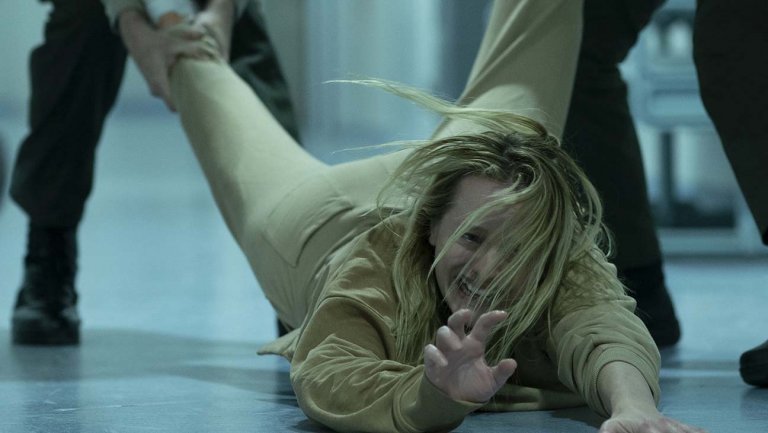 This is a horror movie that is executed properly. It rarely relies on jump scares or other tactics to elicit a cheap response. The movie uses a combination of techniques that cleverly combine the score, performances, and shot composition to create a sense of dread and unease that is more effective than any jump scare. This is evident in the film’s opening, a masterfully done sequence that shows the real horror that is found in silence and stillness. It’s an incredibly suspenseful and stressful movie for most of its runtime.
The movie also succeeds in its attempt to modernize the source material. In addition to being genuinely frightening, it is also thematically rich. It tackles important themes such as trauma and abuse, and it addresses the nature of toxic and controlling relationships. While it’s a little exaggerated for the sake of the movie, it’s incredibly timely nonetheless. This gives the movie more depth and ultimately makes it more engaging and entertaining. There are also plenty of surprising and jaw-dropping moments throughout the film. Whannell has a special way of turning tables even when you think you have guessed his next step. There are lots of great moments like this throughout that ensure the movie is never boring. The movie also contains some great scenes of action and terror that are executed in such a captivating way, and this includes a noticeable, but much appreciated long take in the film’s final act. The Invisible Man is a showcase of Moss’ talents as a leading actress and for Whannell’s ability to generate suspense and terror. It’s a completely entertaining and amazing horror movie that will please all audiences this weekend. It has a lot to say without losing any of its energy and fun. The Invisible Man is in theaters on February 28th. Rating: 4.5/5 Review by Sean Boelman 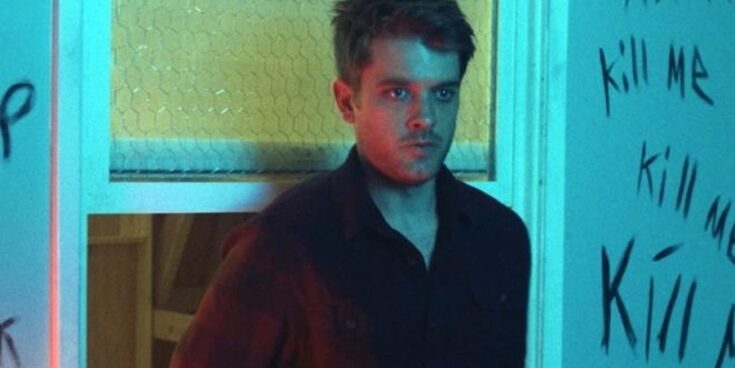 Directed by Graham Denman and written by Patrick R. Young (from a story by Denman), Greenlight is a wicked new thriller set in the world of filmmaking. A surprisingly strong take on the “what would you do” genre, this film will keep the audience on their toes thanks to excellent suspense building and some simple but effective thrills. The movie tells the story of a director who thinks he is in for the job of his dreams when he gets hired to helm his first feature-length film, only to discover that the producer has more sinister intentions. Although this premise is very simple in nature, it provides plenty of intrigue to keep the audience invested in the mystery. It does take a while for the movie to initially get moving — the first thirty minutes or so are much needed character development to make the story feel more plausible — but once it does get moving, it keeps going at a consistently intense pace. Even though it seems like there’s not a lot happening in this film at times, it still feels exciting thanks to Denman’s able direction. The tone of the movie is also very interesting. While the film is mostly about evaluating the moral complexities of the situation, there is a darkly funny sense of humor to certain portions of the script, and that makes the movie even more uncomfortable (to great effect). Much of the film leans on the sense of anxiety that the events create both within the characters and the audience. 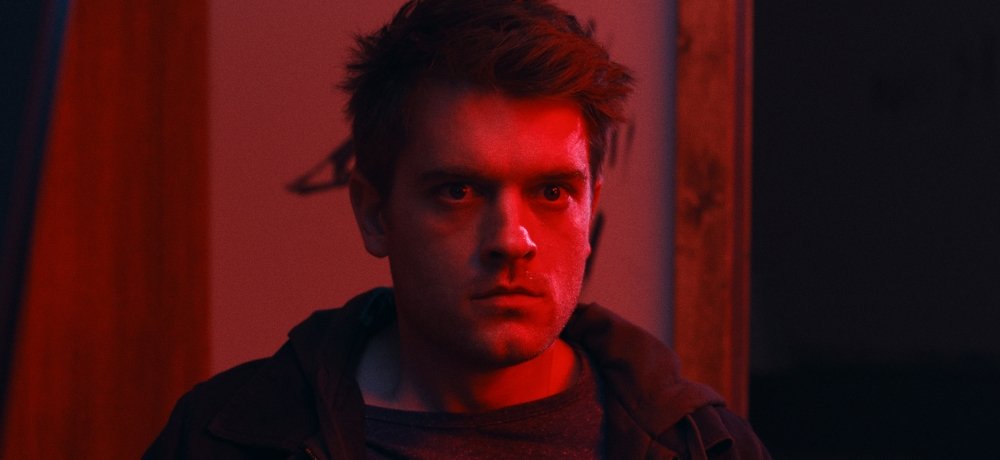 Additionally, the movie does a very good job of developing the characters of the film in a way that is very compelling. Although the story will likely be more empathetic to anyone who has been in a creative profession such as this, the movie’s message regarding ambition is absolutely universal and will allow the film to connect with anyone.
The actors also do a very good job at bringing their characters to life. Chase Williamson is a very charming leading man, and he’s obviously very talented at conveying a great range of emotions. That said, Chris Browning is the real highlight of the movie as the enjoyably over-the-top antagonistic producer. On a technical level, the film obviously has a very low budget, but it often uses this to its advantage. For example, by making the film-within-a-film a B-movie, the film itself minimizes its budget and adopts an almost self-aware feeling about itself (adding to the dark humor). The result is a movie with wonderfully minimalistic execution. Greenlight takes its simple premise and runs with it, delivering a fun and thought-provoking thriller. Denman is obviously a very talented filmmaker, so it will be exciting what he gets to do in the future once he gets his hands on a bigger budget. Greenlight is now available on VOD. Rating: 4/5 Review by Sean Boelman 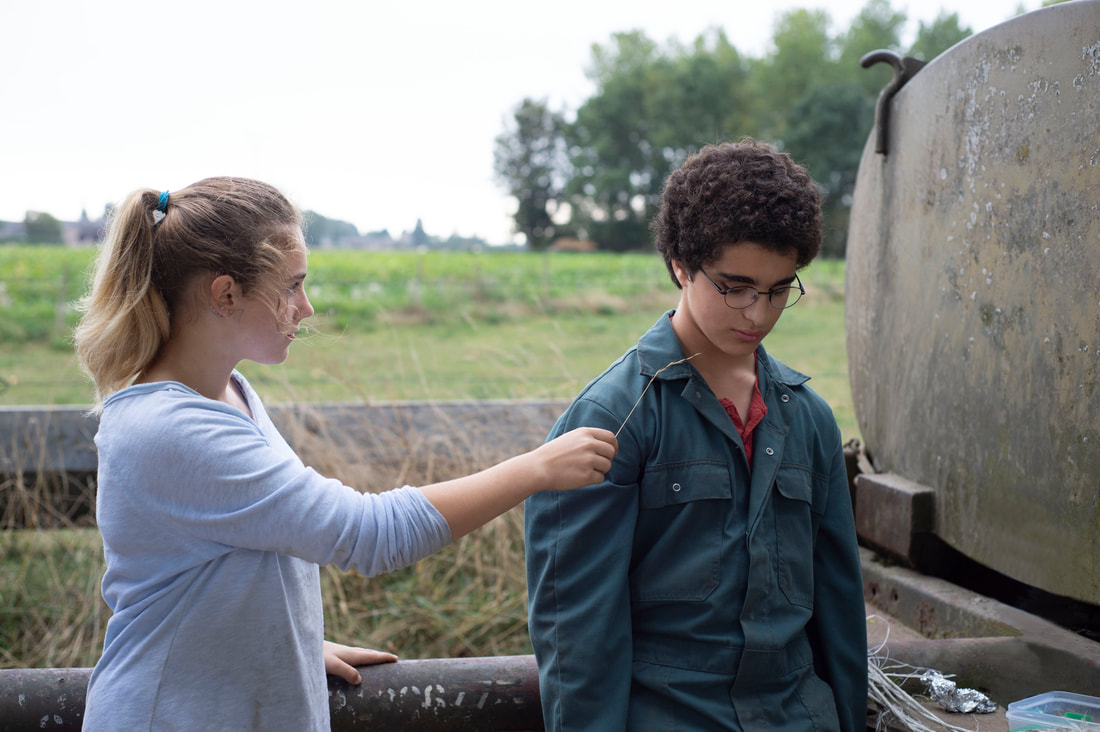 A scene from Young Ahmed, photo by Christine Plenus, courtesy Kino Lorber. Tackling one of the most urgent issues facing society today, the new drama Young Ahmed frequently appears like a problem waiting to happen. However, thanks to excellent and nuanced work from writer-directors Jean-Pierre and Luc Dardenne, this manages to be a thought-provoking commentary on the indoctrination of young people. The film tells the story of a Belgian teenager who, after coming to embrace an extremist view of the Quran, plans to kill his teacher. As one would expect, the movie revolves around some very touchy subject matter, and as a result, is consistently treading the line of what feels urgent and what seems irresponsible. Luckily, the Dardennes approach the film’s themes in a way that never quite goes over the edge, challenging the audience without ever being offensive. There are a few scenes in the movie, particularly towards the beginning, that are a bit too direct for the film’s own good, but the second and third acts quickly recover the movie with their more subtle character study. The eponymous character is very complex and the film does a very good job of exploring the implications of his arc. Ahmed’s arc is undeniably tragic, and while it is easy to look down on his actions, viewers will still feel a sense of pity for him in light of the context of his actions. This movie uses the soul-crushing nature of its story to its advantage, the intense emotional impact the film has causing the message to hit even harder.  A scene from Young Ahmed, photo by Christine Plenus, courtesy Kino Lorber. A majority of the movie’s conflict occurs in the first act, with the second and third acts being much more contemplative. General audiences may be put off by this unorthodox pacing, but it works quite well to invest the viewer in the story early on so that the real work can be done in the rest of the film.
Newcomer Idir Ben Addi gives an absolutely phenomenal performance in his leading role. It is almost shocking that this is his first ever appearance because he has such a natural screen presence. His delivery feels so honest and heartfelt, likely due to a combination of his talent and the Dardenne’s abilities to bring out his potential. On a technical level, the movie is quite strong. Featuring simple but elegant cinematography, the visual style of the film is good enough to be noticable but not flashy enough to distract from the main focus of the movie: the script. Also noticeable some of the most intense moments of the film are shot in unflinching long takes that effectively trap the viewer in the scene. Although it will likely have its fair share of critics, Young Ahmed is a very well-made and provocative movie. It is important that this discussion be had (and quickly), and this film is a good place to start. Young Ahmed is now playing in theaters. Rating: 4.5/5 Review by Sean Boelman 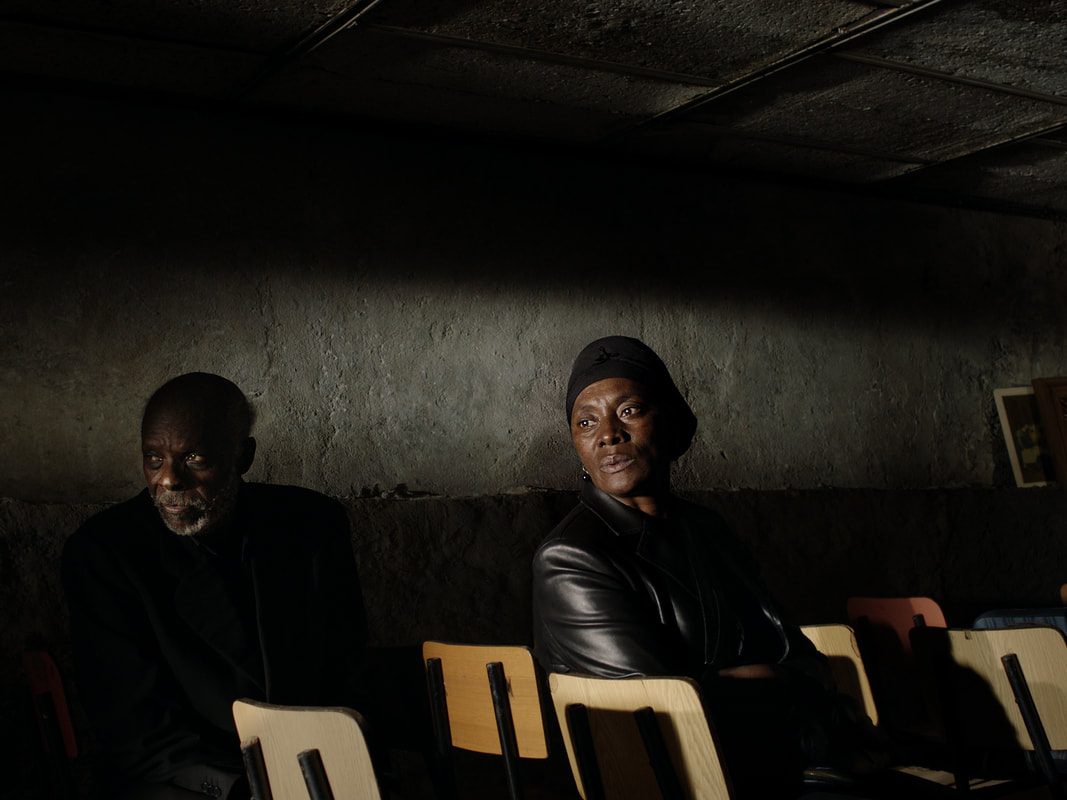 (L to R) Ventura and Vitalina Varela in a still from Pedro Costa's "Vitalina Varela." Courtesy of Grasshopper Film. A spin-off of his 2014 film Horse Money, Portugese filmmaker Pedro Costa’s newest movie Vitalina Varela is a meandering and thinly-plotted character study. Yet despite some interesting ideas and an abundance of beautiful imagery, Costa’s film is disappointingly incohesive due to its lack of narrative momentum. The movie tells the story of a Cape Verdean woman in Lisbon as she copes with the loss of her husband. The thing about this film that is likely to challenge viewers the most is that it has very little dialogue. A majority of the movie is delivered visually, and even when there are lines spoken, those lines don’t have a whole lot of meaning to them. As expected, Costa seems to be using this film to be making a statement about grief and closure, and while he thankfully never directly states it, the message he has to convey to the audience is made abundantly clear. As a result, the two hours of slow and contemplative visual poetry to which the audience is subjected by Costa becomes relatively excessive. There are some very powerful moments sprinkled throughout the movie, but there is also a lot of mundanity that fills the space between these scenes. The foundations are in place for the film to have been a compelling character study had there been a greater sense of purpose and drive, but Costa gets too caught up in creating faux naturalism that he misses his opportunity. 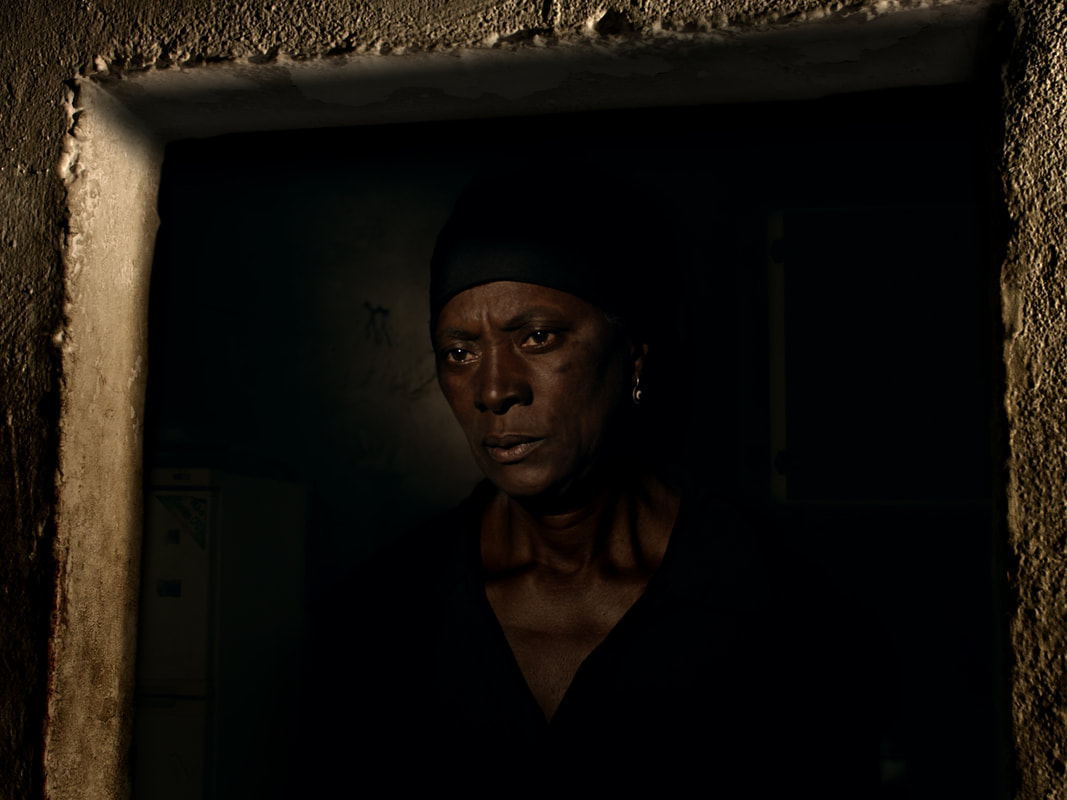 Vitalina Varela in a still from Pedro Costa's "Vitalina Varela." Courtesy of Grasshopper Film. Inspired by the real life of the film’s lead actress, the eponymous protagonist is certainly very intriguing. For someone who hasn’t seen this movie’s loose predecessor, sufficient context is given as to her background in one of the film’s rare bits of expositional dialogue. Still, with that being some of the only information given to the blind viewer, something else is required to create the necessary connection.
That something else is Varela’s unflinchingly naturalistic performance. Costa has become known for using non-actors in his movies, and that is still the case with Varela. Perhaps due to the immense connection she has with the character, she infuses the role with a mountain of emotion. Her believability as the character is the main thing that propels the film forward at all. The cinematography of the movie is also frequently gorgeous. Shot in the 4:3 aspect ratio, the film has a very unique visual style defined largely by darkness. Playing into the movie’s themes of death and grief, many shots of the film are obscured by shadows. At times, this does result in the movie becoming a bit hard to see, but it is still aesthetically-appealing nevertheless. Director Pedro Costa has made an unusual film in Vitalina Varela and one that certainly will not appeal to everyone. Containing some interesting themes and an even more interesting visual style, the movie has a lot of merit but doesn’t quite work. Vitalina Varela is now playing in theaters. Rating: 3/5 |