
|
Review by Sean Boelman
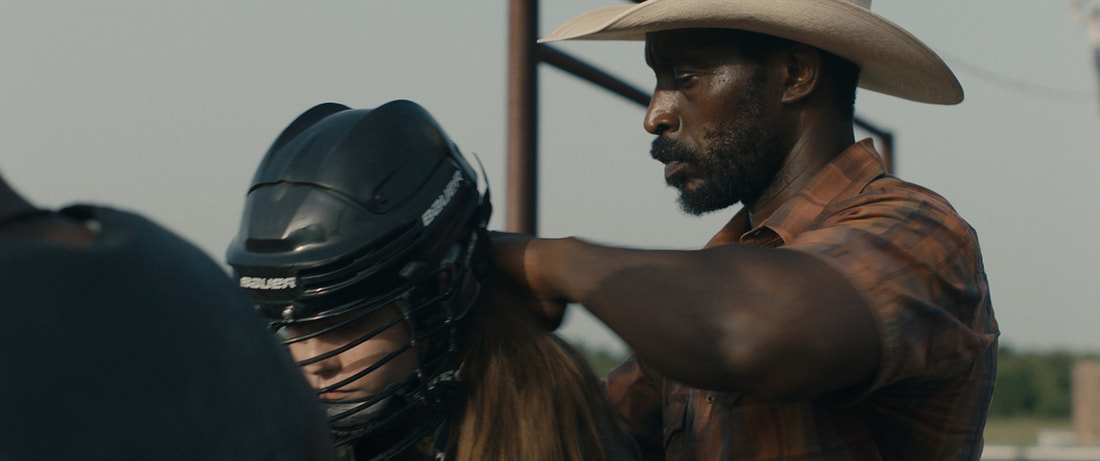
Photo Courtesy of Samuel Goldwyn Films. (c) Bert Marcus Film.
Co-written and directed by Annie Silverstein, Bull is a new drama dealing with the tough but important topic of addiction. However, despite an intriguing premise, the film gets too caught up in its conventional coming-of-age subplot to be as thoughtful as Silverstein obviously hopes it to be.
The movie follows a troubled teen girl as she befriends and learns from her neighbor, an aging bullfighter with an interesting past and issues of his own. The subgenre of films about people trying to find redemption by taming animals has experienced a sort of resurgence in recent years, but by trying to spin it into a coming-of-age movie, Silverstein loses the power of that central metaphor. The script is at its strongest when it is exploring the human impact of the opioid crisis, but this makes up a disappointingly small part of the film’s conflict. There are some really powerful scenes that come in the second act, but these narrative threads are never resolved in a way that is compelling. Silverstein also chooses to focus on the teenage girl as the protagonist when her neighbor is undeniably the more compelling character. Unfortunately, even though her struggles are sympathetic, her arc has been committed to the screen many times before. On the other hand, Silverstein’s approach to the bullfighter character is much more nuanced and effective, but not fully utilized. 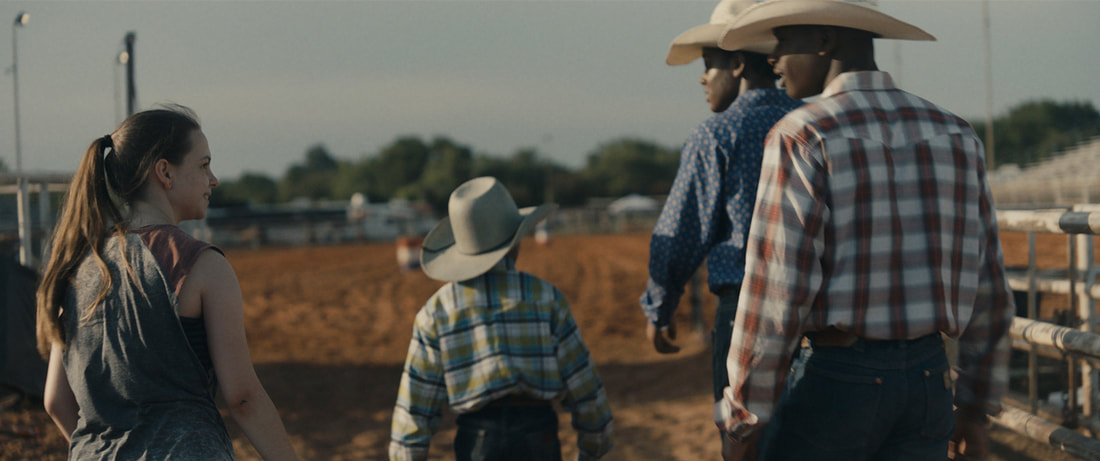
Photo Courtesy of Samuel Goldwyn Films. (c) Bert Marcus Film.
Additionally, the pacing of the movie as a whole feels extremely uneven. The first act is very slow and it takes a while to get invested in the world of the film. Then, as the conflict begins to pick up, the movie continues to gain steam until it eventually starts to feel rushed in the final third. With a story like this, it’s much better for the script to be more of a consistent slow burn, and that is missing here.
Rob Morgan gives a phenomenal performance and is one of the main reasons why the movie is able to stay afloat. Since the film feels contrived as a whole, he is the main source of earnesty. In the context of a better movie, he would likely be up for consideration for his subtly soulful portrayal of the cowboy past his prime, but alas, Morgan will have to wait for greener pastures for that. Silverstein’s eye is also quite strong. It’s obvious that she started as a documentary director, as the film as a whole has a very gritty and realistic feel to it. It would almost be immersive if the script weren’t so weighed down by convention and formula that it fails to be anything other than a passable melodrama. There are definitely some good things going on in Annie Silverstein’s Bull, but they sadly don’t all come together, resulting in a watch that isn’t entirely satisfying. The talent on display here is admirable, although that doesn’t necessarily make it worth your time. Bull hits VOD on May 1. Rating: 2.5/5
0 Comments
Review by Sean Boelman
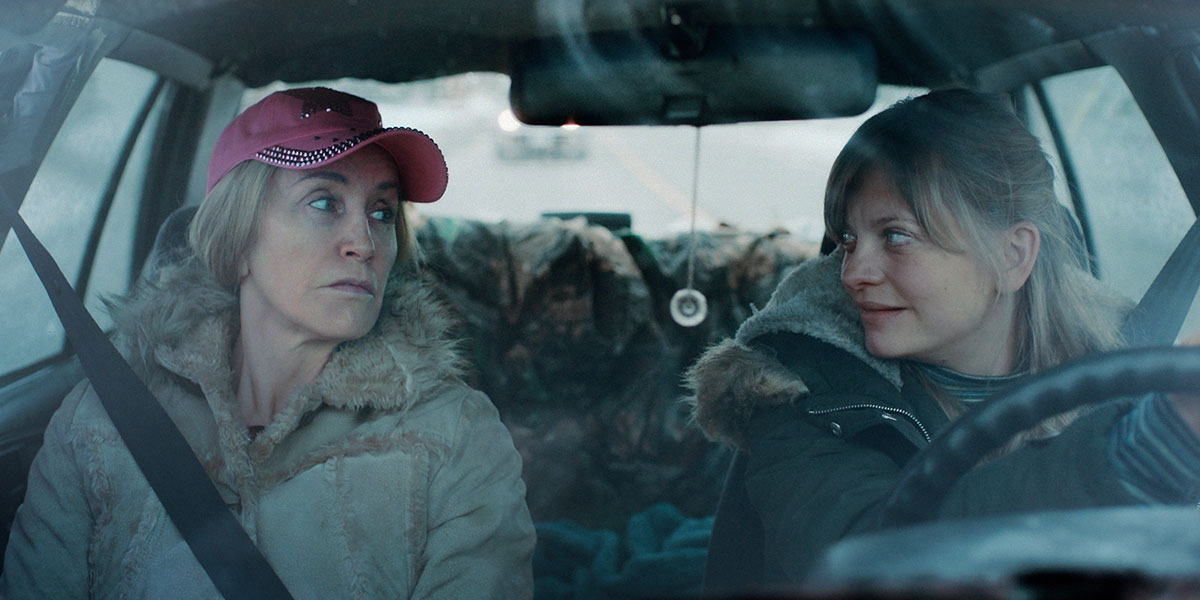
It’s a wonder that Tammy’s Always Dying is getting to see the light of day right now because of the controversy in which its star was involved, though it doesn’t seem like there ever would have been an opportune time to release it. Starting out as an interesting examination of mental health, but turning into a disappointingly messy cancer drama, the film is all over the place, and not in a good way.
The movie follows a woman who, fed up with her selfish mother, decides to take advantage of her sob story for personal gain, only for their lives to be shaken up by an unexpected cancer diagnosis. While this seems like a decent set-up for a black comedy, that comedy is almost non-existent, writer Joanne Sarazen having taken her premise with too much of a straight face for the film to be remotely entertaining. Perhaps the most problematic thing about the movie is its treatment of suicide. The opening moments are very intriguing, as they show the potential of offering a balanced and nuanced discussion on the topic, only for the film to become bitter and mean-spirited. Because of this, it’s hard to gain anything of worth from the story because it simply feels aggressive. Undeniably the most compelling part of the movie is the mother-daughter relationship between the characters, but Sarazen doesn’t explore that to its full depth. For much of the film, the characters are separated talking about each other. It’s almost like psychoanalyzing the two halves of the relationship without seeing it in action for a sufficient period of time, which is frustrating. 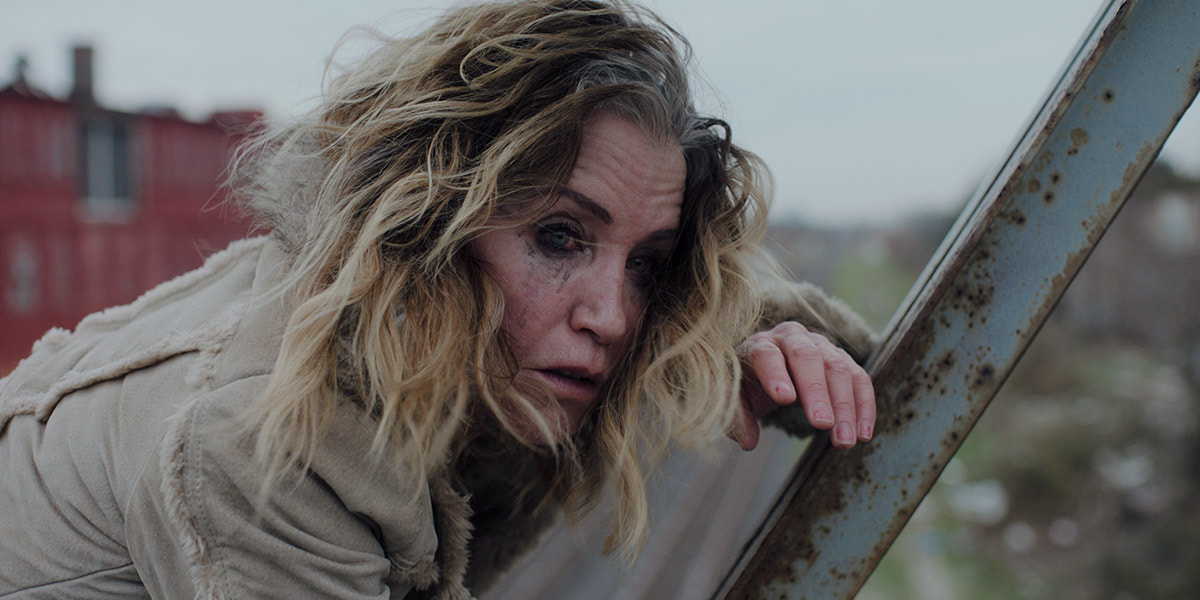
The film’s solo character arcs are also very underwhelming. The storyline involving the protagonist trying to capitalize on her story is pretty much dead on arrival. It’s obvious that this is meant to be her method of coping and coming to understand her emotions in a complex situation, but other than that, it adds very little to the movie. A father-figure character also feels sorely underused.
Felicity Huffman gives a solid performance in her supporting role, although it often feels like the film’s focus is turned away from her. She is given a few scenes in which she is able to shine, but this is otherwise Anastasia Phillips’s show. Phillips is good enough, but more often than not, she struggles to bring life into uninspired material. Director Amy Jo Johnson tries her best to give a stylish edge to the visuals, and while she is obviously very talented, she can’t save the film from feeling dull. A lot of the most interesting artistic choices on display are tied to narrative elements that aren’t fleshed out, and as a result, their impact is lessened. Tammy’s Always Dying sounds very interesting on paper, but in execution, it’s too messy and uneven to be particularly interesting. A few strong moments aside, this is mostly a slog that was in desperate need of a rewrite (or two). Tammy’s Always Dying hits VOD on May 1. Rating: 2/5
Review by Sean Boelman
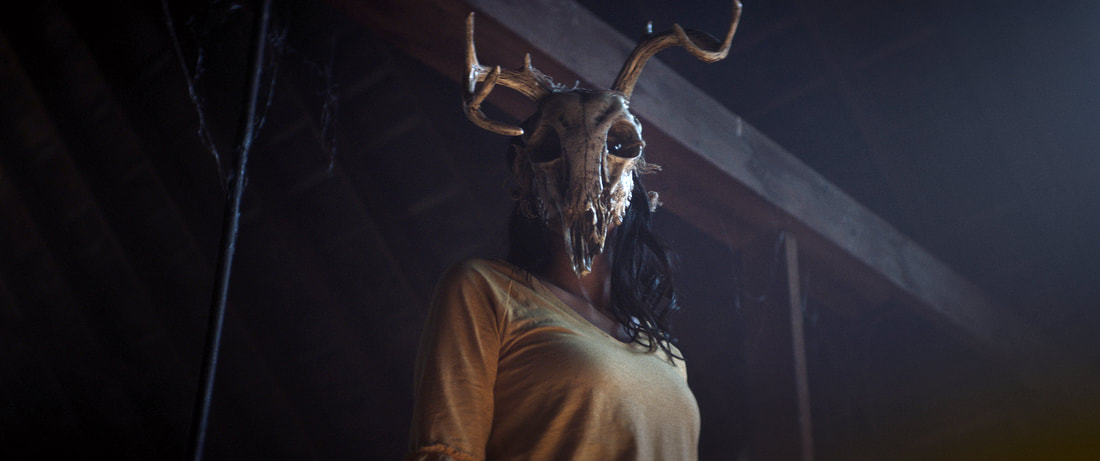
Azie Tesfai as “Sara” in Brett and Drew Pierce’s THE WRETCHED. Courtesy of IFC Midnight. An IFC Midnight Release.
Written and directed by Brett and Drew T. Pierce, The Wretched is the type of old-school horror flick that isn’t seen enough today. Offering both a compelling coming-of-age arc and some legitimate thrills, this is the type of entertaining genre film that fans are clamoring for in this time of theater shutdowns.
The movie follows a young man whose life begins to fall apart when he suspects and accuses his next door neighbor of being a witch involved with the disappearances of several local children. For the most part, the film hits the beats of the “boy who cried wolf” arc without much deviation, but it is what the filmmakers do with those tropes that makes it worth watching. The Pierces blend this admittedly by-the-book setup with a charming summer love story to provide a thriller that is surprisingly enjoyable to watch, even if the direction in which the narrative is heading is clear. A big part of what makes the movie work so well is that the protagonist is very well-written, and although the film’s subplot about divorce isn’t fully fleshed out, enough is there for it to have an emotional impact. Additionally, the actors all do a really solid job. John-Paul Howard plays the lead and he is charming enough to allow the more lighthearted elements of the story to work. And while the romantic subplot of the movie often feels more like an afterthought, the chemistry that Howard has with Piper Curda is admirable. 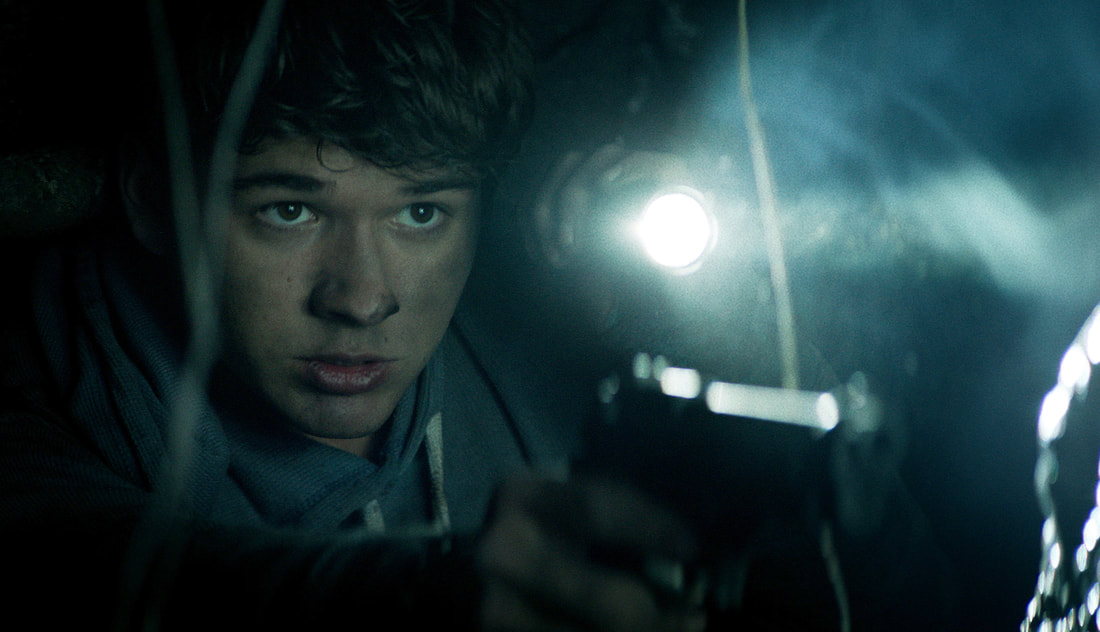
John-Paul Howard as “Ben” in Brett and Drew Pierce’s THE WRETCHED. Courtesy of IFC Midnight. An IFC Midnight Release.
Since the film’s plot is a tad on the predictable side, the stakes aren’t as high as one would like. Still, because viewers will be legitimately invested in the emotional arc of the movie, it’s easy to buy into the pacing. Clocking in at just over an hour and a half long, this film is just the right length for a B-horror movie.
Of course, most audiences will come to this movie hoping to be scared, and while it is far from terrifying, it’s definitely creepy, and there are some really intense moments. Apart from a few instances, the Pierces don’t rely on jump scares, instead building atmosphere in a much more earned and effective way. However, it is on a technical level that the film impresses the most. Especially given the relatively low budget, the effects are pretty great. The movie looks significantly better than the average horror flick that is made for millions more than this, and it is because the filmmakers really knew how to harness the roots of the genre. The Wretched is a fun, old-school horror movie that will provide plenty of amusement for an hour and a half. It feels like something that would be perfect to watch at a drive-in theater, and that’s great, because at a few locations around the country, that’s actually an option. The Wretched hits VOD on May 1. Rating: 4/5
Review by Sean Boelman
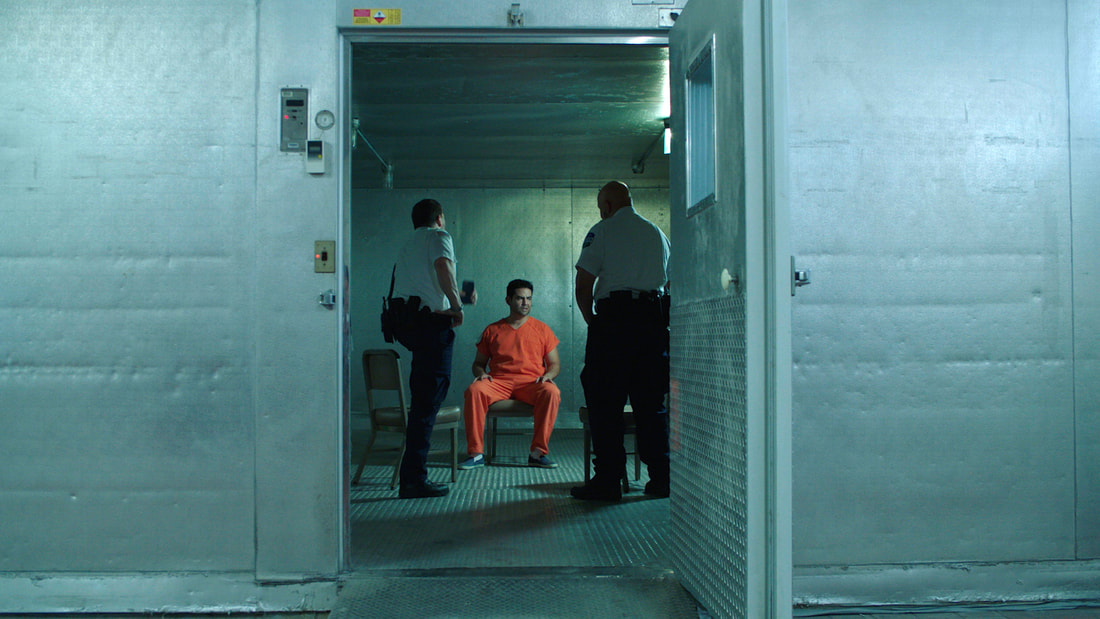
Directed by Cristina Ibarra and Alex Rivera, The Infiltrators, billed as a “docu-thriller”, deals with the pertinent issue of the treatment of immigrants in the U.S. justice system. And despite a very compelling and cinematic story, one can’t help but wonder if the film would have been better off with a fully narrative format rather than the hybrid with which the filmmakers went.
The movie follows a group of DREAMers who set out to infiltrate a for-profit detention center in the hopes of exposing their unethical practices and advocating for the rights of immigrants. This is definitely a very compelling story, as it plays out almost like a real-life heist, but unfortunately, this feels just a tad manipulative when considering the fact that this is affecting real people. It’s a shame that the film comes off as inauthentic at times, because the cause which it is documenting is truly noble. These people are unsung heroes, and their story needs to be heard, but not in this way. More often than not, it feels like the movie is pandering to audiences and sanitizing the information, rather than responding to a legitimate crisis. That isn’t to say that the film has no substance — some of the stories that the movie explores are truly interesting. The film features a few of the detainees that the subjects helped, and their experiences should have been the real focus of the movie. While this thriller structure is admittedly very entertaining, it doesn’t have the full emotional impact. 
On the other hand, the film does a very good job of developing the main subjects of the movie, the eponymous activists, and that is because this is where a majority of the documentary footage comes in. The real people represent themselves in this portion of the film, and their perspective on the events is an undeniable relief from the nearly sensationalized dramatized sequences.
The reenactments are certainly shot very well, but the movie’s reliance on them is questionable. On one hand, it is completely understandable why the filmmakers had to fall back on this method, as cooperation from sources for an exposé like this is admittedly tricky. However, had more interviews (even anonymous ones) been featured, there would have been more authenticity. Within the reenactments, the quality of the acting is about what one would expect for the method of filming. The movie’s highly-scripted portions are meant to create an artificial reality, but instead, they force mostly wooden performances out of the film’s cast. The sole exception is Maynor Alvarado, the lead of these reenactments, who surprisingly manages to breathe life into his role. The Infiltrators has an unarguably exceptional true story at its core, but the filmmakers don’t tell it in the right way. Since the film has been optioned to be adapted into a fully-scripted series, maybe that iteration will have more of an impact. The Infiltrators screens online in partnership with indie theaters beginning May 1. A list of participating locations can be found here. Rating: 3/5
Review by Sean Boelman
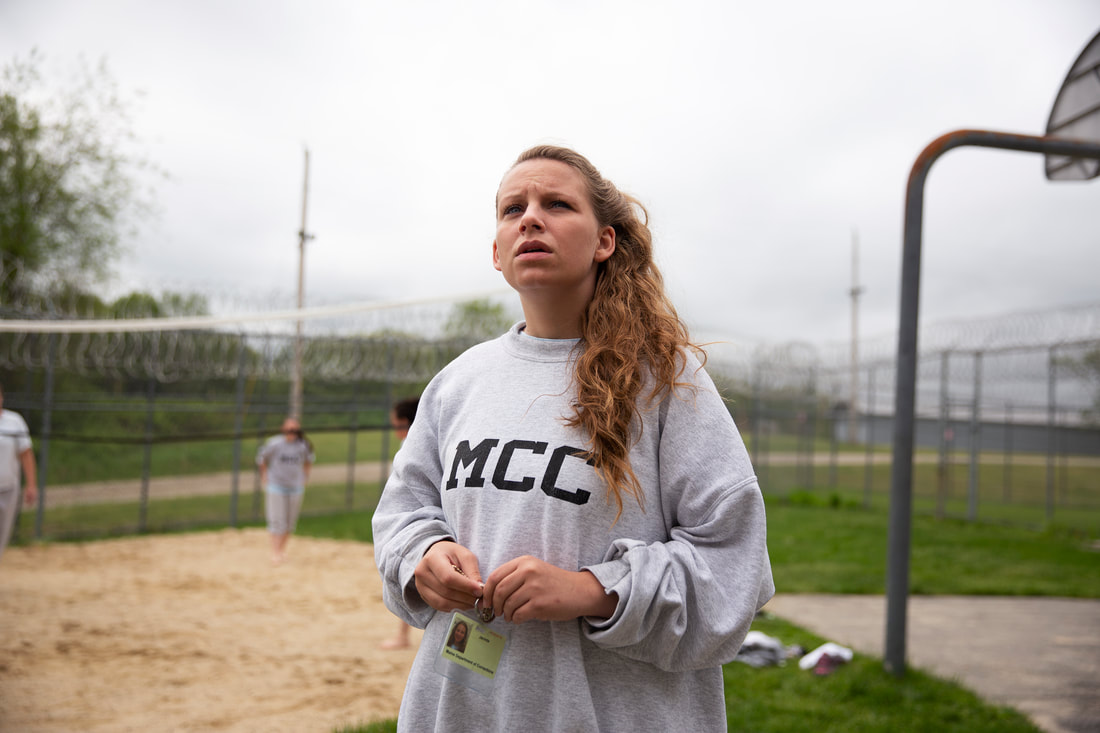
Jacinta in the Maine Correctional Center yard in Jacinta. Directed by Jessica Earnshaw. Photo credit: Jessica Earnshaw. Image courtesy of Endeavor Pictures
The feature debut of photographer Jessica Earnshaw, Jacinta is a new documentary exploring the U.S. prison system. Winner of the Best New Documentary Director award via virtual judging at the 2020 Tribeca Film Festival, this film definitely shows Earnshaw is a talent to watch, but is weighed down by the potential ethical implications associated with its existence.
The movie follows a single mother and drug addict as she is released from prison and struggles to get back up on her feet, recover, and make a life for herself and her daughter. This is a real-life redemption arc, and those stories are among the most compelling that can be committed to film because people like to see the good that can come out of humanity. But in this particular case, the movie is hindered by the fact that the filmmaker’s observation of the subject is ethically challenging. Earnshaw takes a verité approach to the story, and that involves a policy of non-interference. However, at many points within the story, interference very well could have prevented dangerous things that should not have happened. Furthermore, many argue that the mere act of observation can change a way in which a person behaves. Having one’s life and recovery process scrutinized by the camera, and knowing that it may make its way to audiences worldwide undeniably puts a lot of pressure on a person. It is entirely possible that this added pressure had a tangible effect on the progression of the story. 
(l. to r.) Jacinta and her mother Rosemary in the Maine Correctional Center yard in Jacinta. Directed by Jessica Earnshaw. Photo credit: Jessica Earnshaw. Image courtesy of Endeavor Pictures.
Jacinta is an undeniably compelling subject. Although she does a lot of things that aren’t particularly likable, it’s hard not to feel bad for her. She’s a person who has made mistakes, but she knows the error of her ways and wants to improve herself. Her story, however frustrating it may be at times, is very sympathetic.
One of the more interesting things about the film is that it addresses the very important topic of recidivism. The threat of going back to jail is looming over Jacinta’s story, and this serves as one of her key motivators. It would have been nice had the movie explored the consequences of this issue in more depth, but given the hands-off approach, it can serve as a solid conversation-starter nevertheless. On a technical level, the film certainly benefits from Earnshaw’s origins as a photographer. In addition to being director, she is the cinematographer on her movie, and it looks absolutely gorgeous. Even though the film is dealing with some of the lower aspects of society, it manages to feel hopeful thanks to Earnshaw’s excellent visuals. Jacinta tells an interesting and urgent story, but its verité approach may not have been the most ethical, and that can be significantly distracting. Nevertheless, Earnshaw is certainly a very talented filmmaker and it will be exciting to see what she does next. Jacinta was set to debut at the cancelled 2020 Tribeca Film Festival. It is currently seeking distribution. Rating: 2.5/5
Review by Sean Boelman
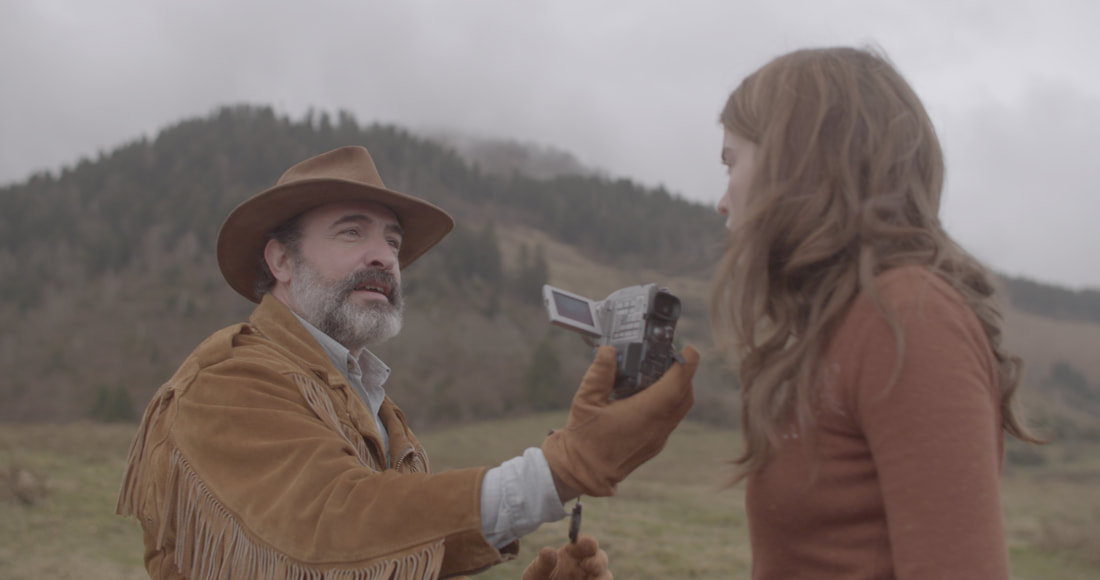
Georges (Jean Dujardin) offering his camera to Denise (Adèle Haenel) - DEERSKIN - Courtesy of Greenwich Entertainment.
The newest film from French satirist Quentin Dupieux (Rubber) and arguably his most accessible yet, Deerskin nonetheless provides the darkly funny absurdism for which his work has come to be known. Bizarre but hysterical, it’s likely that some audiences are going to hate this, but it’s almost guaranteed to gain a cult following.
The movie follows a man who forms an obsession with his designer deerskin jacket, causing his behavior to become more and more erratic and eventually leading him into a life of crime. The blend of horror and comedy works brilliantly, offering what is effectively a tongue-in-cheek riff on slasher tropes. It is pretty clear that the commentary in the film revolves around materialism in society, and while it is very direct, that is part of what will allow the movie to appeal beyond Dupieux’s core audience. It’s both weird enough for the filmmaker’s fanbase and obvious enough to be a hit among the midnight movie crowd. One of the main things working in the film’s favor is its brief runtime. As is usual with most of Dupieux’s work, the movie is centered around a rather one-note premise, but in this case, the joke never feels worn out. The first half does an excellent job of drawing the viewer into the world of the film only for the latter portion to go absolutely nuts. 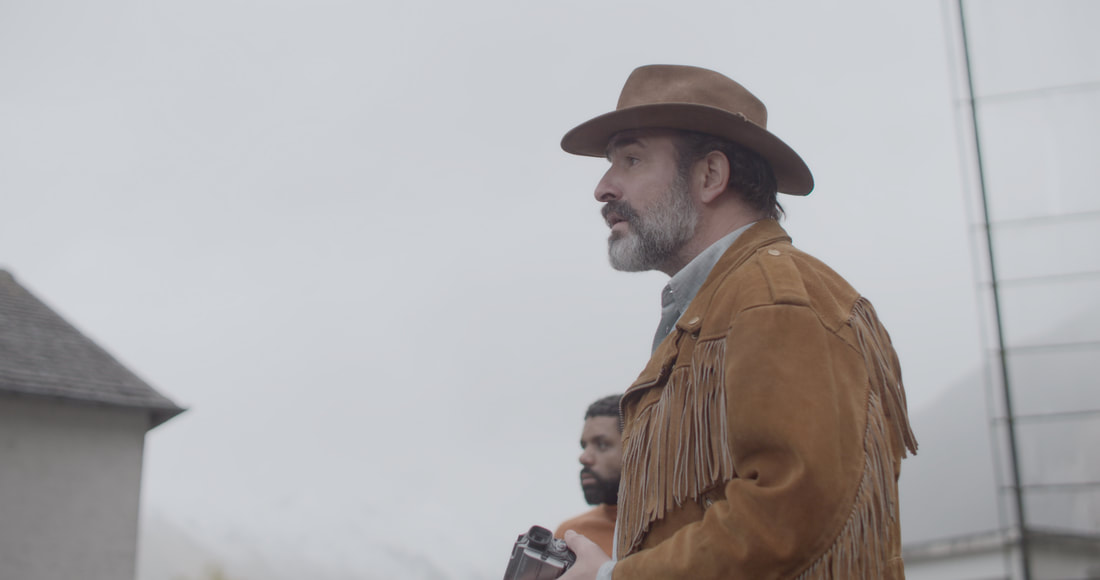
Georges (Jean Dujardin) and his jacket - DEERSKIN - Courtesy of Greenwich Entertainment.
The character development is definitely one of the most intriguing things about the script. The two lead human characters in the movie are both compelling, but the more unique portion of the film explores the jacket as a character. It’s a fascinating and hilarious symbol for the obsession that people have with symbols of status.
Oscar-winning actor Jean Dujardin is riotous in his lead role, obviously having a lot of fun in the role. He plays it in an over-the-top way that perfectly encapsulates the genre feel for which Dupieux is aiming. Supporting actress Adéle Haenel (Portrait of a Lady on Fire) is also great as expected, having great chemistry with Djuardin. Dupieux shot the movie on digital, and it gives it a crisp and stylish feel. The film is surprisingly gorgeous to look at, capturing a very retro look despite the modern technology it uses. Additionally, some of the footage in the movie is designed to replicate home video-style snuff footage, and it’s equally horrifying and humorous. Quentin Dupieux’s Deerskin is going to be divisive as always for the filmmaker, but it’s still much more approachable than most of his work. It’s a smart midnight movie that’s also a ton of fun to watch, and that’s exactly what fans of the genre will want. Deerskin screens online in partnership with indie theaters beginning May 1. A list of participating locations can be found here. Rating: 4.5/5
Review by Sean Boelman

The narrative debut of Guatemalan director César Díaz (who worked as editor on acclaimed films from the country such as Ixcanul), Our Mothers is a dense and riveting drama. An intensely personal evaluation of the consequences of war, this movie tackles a little-discussed but urgent issue.
Set in the aftermath of the civil war in Guatemala, the film follows a cultural anthropologist who is tasked with finding and identifying the missing and dead to present evidence in genocide trials, when a case comes across his desk that may have a connection to his own lost father. Even though the movie presents itself under the guise of a procedural drama, it is actually a harrowing character study. There are plenty of films that explore the consequences of some of the bigger wars that dominate history books, but few that address these comparatively localized conflicts that have just as significant of an impact on their people. Díaz’s message with this movie is that war, in any situation, has a human consequence. Díaz does a very good job of building his characters in a compelling way. The protagonist’s arc is simple but effective, tapping into the emotions about parents that unite us all. However, perhaps more interesting is what Díaz does with his supporting characters, which represent the voice of Guatemala as a whole. 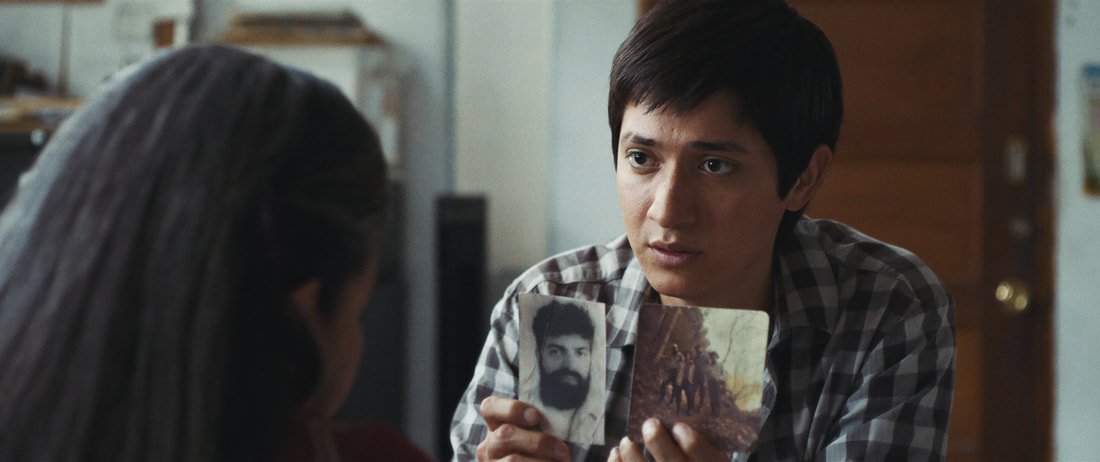
Although the film’s short runtime does prevent it from ever meandering, it also holds it back from having the depth with which it could have explored some of the individual stories in more depth. The single most impactful moment in the movie is a testimony given by a woman who lost her loved one to the war, and it would have been impactful to see more of this.
The actors all do a very good job in their roles. Lead actors Armando Espitia and Emma Dib are both professionals, and they bring a lot of emotion to their characters. What is more interesting, though, is that Díaz used nonprofessional actors for his background roles. This gives the film an even greater feeling of authenticity. On a technical level, Díaz’s movie is simple, but effective. There are some gorgeous shots, but the focus of the film is not on the visuals, but rather, the core emotion of the script. Minimal cuts and long takes allow the movie to have slow yet deliberate pacing that goes a long way in making the story hit harder. Our Mothers isn’t a perfect movie, but as its director’s narrative debut, it shows a lot of promise. This is certainly one of the most emotionally affecting films audiences will see this year, and that is thanks to Díaz’s unique perspective. Our Mothers screens online in partnership with indie theaters beginning May 1. A list of participating locations can be found here. Rating: 4/5
Review by Sean Boelman
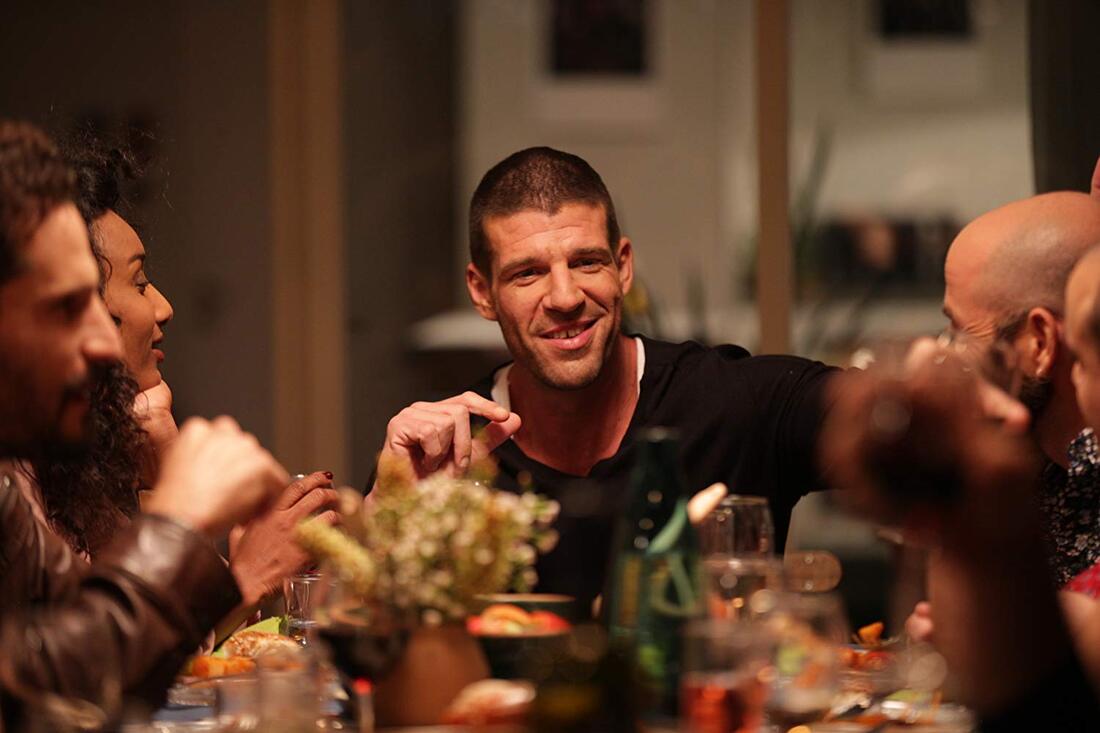
The feature debut of writer-director Yuval Hadadi, 15 Years is a new drama dealing with LGBT identity in the conservative Israeli community. Thought-provoking and emotional, Hadadi’s film is a humble one, but its lean and simple nature is inarguably a large part of what makes it so effective.
The movie follows a man whose life starts to implode after his best friend becomes pregnant without his knowledge and his long-time boyfriend begins to discuss the prospect of having kids, bringing him to question his own identity and desires. Yes, it’s a melodrama, but it’s told from such a place of sincerity that it never feels maudlin or excessive. Viewers will undeniably be drawn in by the film’s slow-burn pacing. Even though this is a very small-scale and personal story, it is presented almost as if it’s a thriller. The stakes for the conflict are established early on and the potential consequences of the conflict feel legitimate, allowing this tension to build up and be sustained. Part of what makes this suspense work so well is that the main character’s arc is so easy to buy into. The protagonist is very dynamic and compelling, the relatability of his emotion being one of the movie’s main focuses. It’s not an easy film to watch — the character is dealing with some very difficult things in his life that tie directly into some important societal issues — but it is sure to be enlightening for anyone who has gone through something similar themselves. 
The movie explores the idea of desire in a way that hasn’t been done quite so successfully before. The main emotional conflict in the film involves the character trying to cope with his past that has shaped his own wishes. It’s not particularly new ground, but Hadadi’s perspective on the issue is so fresh that it feels unique and telling.
Oded Leopold gives a commanding performance in his leading role. It’s impossible to take your eyes off of him because his performance is dripping with so much authenticity and passion. He’s charming but not too charismatic and intimidating but not quite scary, hitting that sweet spot of ambiguity that is needed for the movie to work. Also impressive is Hadadi’s style that he brings to the film, as it allows the viewer to be completely immersed in the conflict. The cinematography is hypnotic, refusing to ease its grip on the viewer. The aggressive but affecting score also goes a long way in building the atmosphere of the movie. 15 Years may seem like an unlikely candidate to be an affecting drama, but interesting execution allows the film to stand out. It’s definitely a refreshing surprise to see an indie as interesting as this. 15 Years hits VOD on April 28. Rating: 4.5/5
Review by Sean Boelman
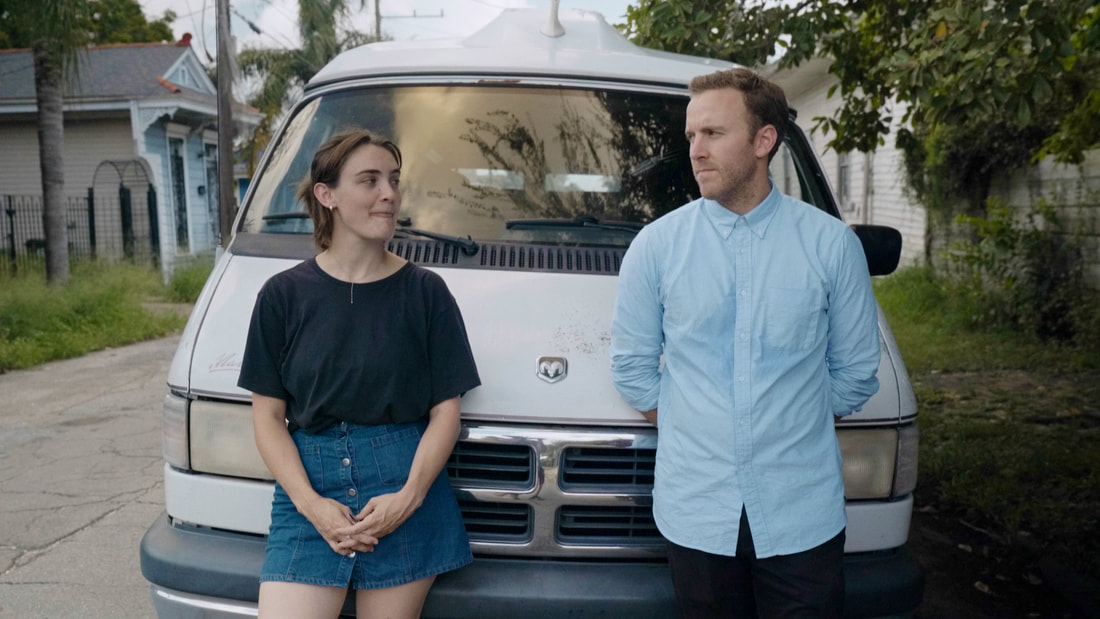
Written, directed by, and starring Will Dennis, Vanilla is a new road comedy with some impressively insightful themes. Despite a bit of a rocky and conventional start, it eventually becomes apparent that Dennis has more to say with his film, and as a result, it’s a refreshing and enjoyable watch.
The movie follows two strangers who agree to go on a cross-country road trip together to sell a van in an attempt to raise money to save one of their family businesses. The road trip stuff here is charming if mostly unexceptional, but it is the additional layers of depth that Dennis adds in the form of subplots that makes the film stand out. What starts out seeming like a relatively standard romance instead reveals itself to be a surprisingly nuanced look at relationship culture in the modern world. It admittedly takes the movie quite a while to get to the place where it is going, but once it does, it comes from a place of sincerity and honesty that is pretty exceptional for an indie comedy like this. The most interesting part of the film is its commentary on the gig economy, with a particular focus on a controversial kind of work. It seems that this type of work is becoming more and more common in this cyber-connected world, and this movie is coming out at a point that couldn’t be more timely. 
After one suspends the disbelief of two people who just met agreeing to go on a road trip together, the dynamic between the two characters is actually quite good. This isn’t some saccharine romantic comedy of love at first sight — it’s an honest look at the state of love and romance today.
Dennis and Kelsea Bauman have great chemistry together and are a large part of the film’s narrative momentum. Bauman in particular shows a great deal of talent and potential as a comedic lead, hitting the humorous beats perfectly. Eddie Alfan is also quite good in his brief but funny supporting role. On a technical level, the movie does leave a bit to be desired, but the script is so strong that it almost doesn’t matter. Travelogues are typically well-known for featuring some gorgeous (or at least appealing) cinematography of the locations in which it is set, but that is noticeably missing here. The setting seems less like a part of the film and more like a narrative obligation, which is disappointing. Vanilla admittedly doesn’t get off to the strongest start, but once it finds its footing, it’s an admirably insightful dramedy. It would have been nice had the first half been trimmed in favor of an expanded second half, but it’s solid nevertheless. Vanilla hits VOD on April 28. Rating: 3.5/5
Review by Sean Boelman

Thomas Piketty, author of Capital in the Twenty-First Century, courtesy Kino Lorber.
Based on the bestselling nonfiction book by economist Thomas Piketty, Capital in the Twenty-First Century is a new documentary exploring the idea of power in society. However, despite the wealth of interesting ideas Piketty brings to the table, this topic is simply too big to be contained in a single film.
The movie’s main purpose is to investigate the role of wealth throughout history and in the modern world and link it to the divisions in class that are still dominant today. However, many of the arguments made in the film are relatively self-explanatory, and as a result, it doesn’t have the eye-opening effect for which its source material has become so famous. Director Justin Pemberton structures his movie around a series of case studies spanning a long period of time, hoping to draw a comparison between what happened in the past and what is happening now. This is perhaps the film’s most successful point: that society urgently needs to learn from the mistakes made in the past and enact a drastic course-correction. It is when the movie gets into its discussion of class relations that it starts to feel like something is missing from the discussion. This is one of the most important social issues today, and while there are some really good points made, they are spread through a bunch of material that has been argued more effectively by other sources. 
A still from Capital in the Twenty-First Century, courtesy Kino Lorber.
Perhaps the film’s biggest blindspot is that all of its interviews are conducted with notable economists, many of whom are of the upper class. While this expert knowledge is essential for a well-measured case, the fact that the perspectives highlighted in the movie are well-off makes it come across as a lot more distant than it otherwise would.
One of the biggest disappointments about the film is that it doesn’t take full advantage of the resource that is Piketty. He does a handful of interviews for the movie, but given his connection with the material, it’s disappointing that he wasn’t more of a commanding voice, or even the narrator. On a technical level, Pemberton brings a lot of style to the film, and while the cool soundtrack and sleek visuals are able to make it more accessible to general audiences, this technique can feel like pandering at times. For example, the use of a clip from 2012’s Les Miserables to explain an already understandable point shows Pemberton’s occasional excess. Capital in the Twenty-First Century desperately wants to be revelatory, but it only offers momentary insight. More often than not, it feels like little more than a feature-length advertisement for Piketty’s book, which almost undoubtedly contains the more developed arguments. Capital in the Twenty-First Century begins streaming in partnership with indie theaters on May 1. A list of participating locations can be found here. Rating: 2.5/5 |