
|
Review by Daniel Lima  It's a rare thing for a modern film set in an urban environment to evoke the gritty, lived-in feel of decades past. This is as much an indication of how the world has changed, with city centers rapidly gentrifying and pricing out working-class residents, as it is a testament to how this brand of filmmaking has gone out of fashion. Asphalt City strikes that note like nails on a chalkboard, abrasive and unpleasant, and impossible to ignore. It is a galvanizing, engrossing work... up to the point that it isn't. Tye Sheridan plays a young EMT in Brooklyn, working the overnight shift as he prepares for a medical school entrance exam. Human misery and pain become his everyday reality, and as he struggles to perform his duties, he finds himself beginning to lose his grip on right and wrong. The film presents a cynical, misanthropic vision of the world, where suffering is a constant, and the momentary reprieves only come from laughing through that suffering. A constant barrage of horrific scenes of domestic abuse, violent confrontations, physical illness, and death make up the majority of the runtime, each as taxing on the audience as it is on Sheridan's increasingly frayed newbie. Nights are filled with the screams of people and sirens, the stench of blood, sweat, and filth, and any effort to make a difference is met with indifference, contempt, and a gnawing sense of futility. This can make for an alienating watch, as the film offers little insight in staring into this abyss beyond merely making clear the depths it can reach. However, The lengths it takes to present this jaundiced worldview are truly impressive. The sound design cultivates a constantly busy and frenetic atmosphere where too much is happening at all times. Beautifully textured, high-contrast cinematography captures the city in all its ignoble glory, painting a portrait of urban life as desperate and harried as anything from the '70s and '80s. The editing reflects Sheridan's mental state, which is tense and always holding the promise of an explosive outburst. Whatever its narrative failings, Asphalt City never fails to be gripping. 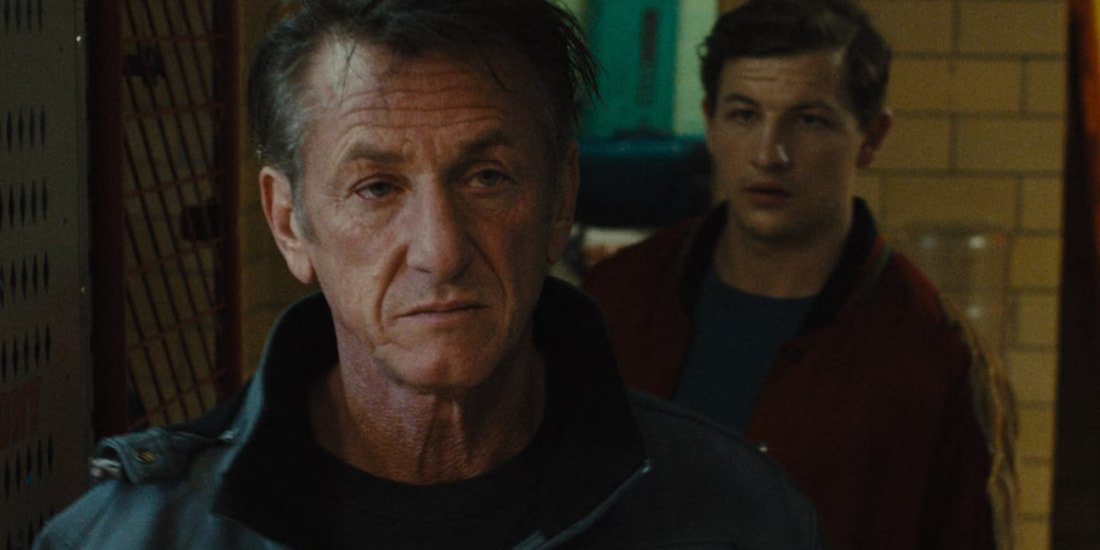 And it certainly has narrative failings. While the craft does an impressive job of bringing the audience into Sheridan's head, there isn't enough to the character to make his deteriorating sense of self feel particularly tragic. Similarly, while every single performance is incredibly natural and does much to give the film a sense of realism, the characters themselves never go beyond an archetype. This is especially notable for the women; while Mike Tyson gets to be the hard-nosed chief, and Sean Penn gets to play the grizzled veteran, the women are relegated to being defined solely by the men in their lives. Then, of course, is the interesting fact that just about every Black or brown character in the film is portrayed in a thoroughly negative light: violent, verbally abusive, ungrateful, dirty, disheveled, and nasty in every way one could imagine.
It could be argued that this is a consequence of seeing the world from the perspective of a young man who increasingly cannot help but see the world in the worst possible light. Beyond that, it could merely be the result of seeing these people in their worst moments, as they find themselves completely helpless and at the mercy of strangers. Even if this was actually director Jean-Stéphane Sauvaire's perspective, is there something to be said about getting this unadulterated, unsanitized vision of ugliness? Those arguments may hold sway if it were not for the note on which Asphalt City ends. After such an unflinching and uncompromising trek through urban grime, the film ultimately leaves out the possibility of hope, serenity, and change. The manner in which this is done feels disingenuous and artificial, giving everything that came before it a similarly fabricated air that undermines everything it did right. It's hard not to wonder if this ending was mandated in the face of producers nervous about the film's reception. If so, the wrong call was made. It's better to wallow in that muck than pretend it's a swimming pool. Asphalt City arrives in theaters March 29. Rating: 3.5/5
0 Comments
Review by Daniel Lima 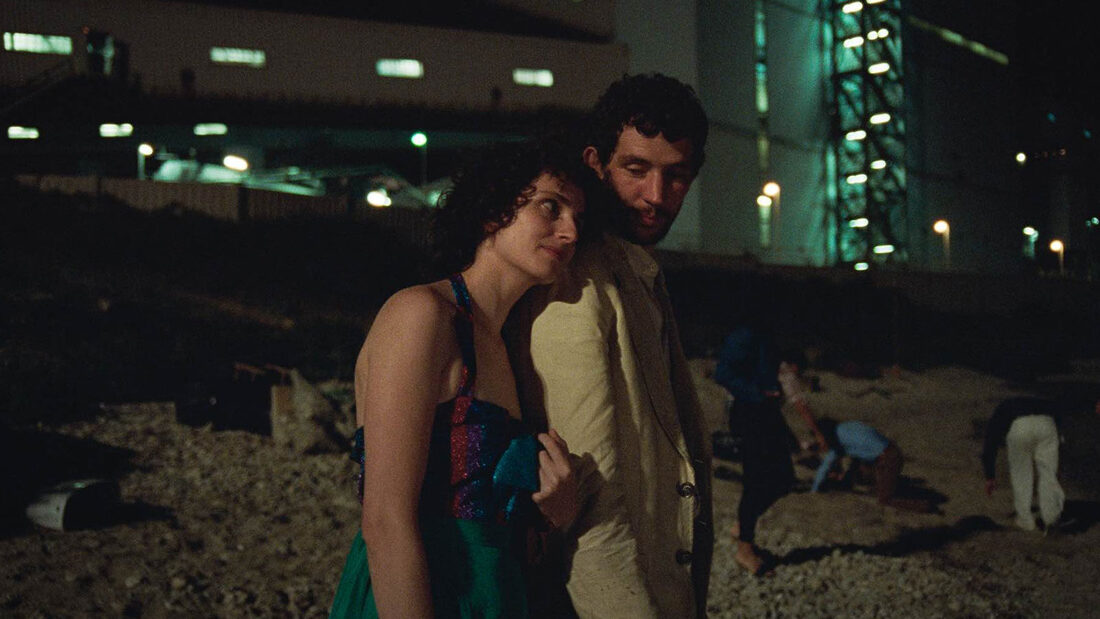 The reverence with which we hold the past, or the lack thereof, reflects who we are as individuals and as a society. As ineffable as La Chimera is, this is ultimately its central thesis, encompassing everything from the cultural history upon which our world is built to the personal joys and tragedies that carve grand reliefs onto our souls. As vexing as this exploration is, it’s hard not to give in to its rhythmic charms. The film follows an Englishman, haunted by a relationship that left him heartbroken, returning to the small rural Italian village his former beau once called home. Curmudgeonly and standoffish, he slowly falls in with his old band of rogues, employing his knack for finding Etruscan tombs to help them steal artifacts for the black market. As simple as his life may seem, there is a growing sense that meddling with the shrines of the dead may carry consequences, material or not. La Chimera lacks a clear narrative structure and takes its time to build out its small ecosystem. The grave robbers have a cavalier attitude about their activities, thinking of themselves almost as modern folk heroes. The intricate system by which they smuggle their wares sees them dealing with powerful figures to the point they never actually meet. The Englishman spends much time with his ex’s elderly grandmother, a singing instructor in a worn-down home who takes on a tone-dead student as a live-in maid. She engages in a flirtation with him, which he seemingly is incapable of properly reciprocating. 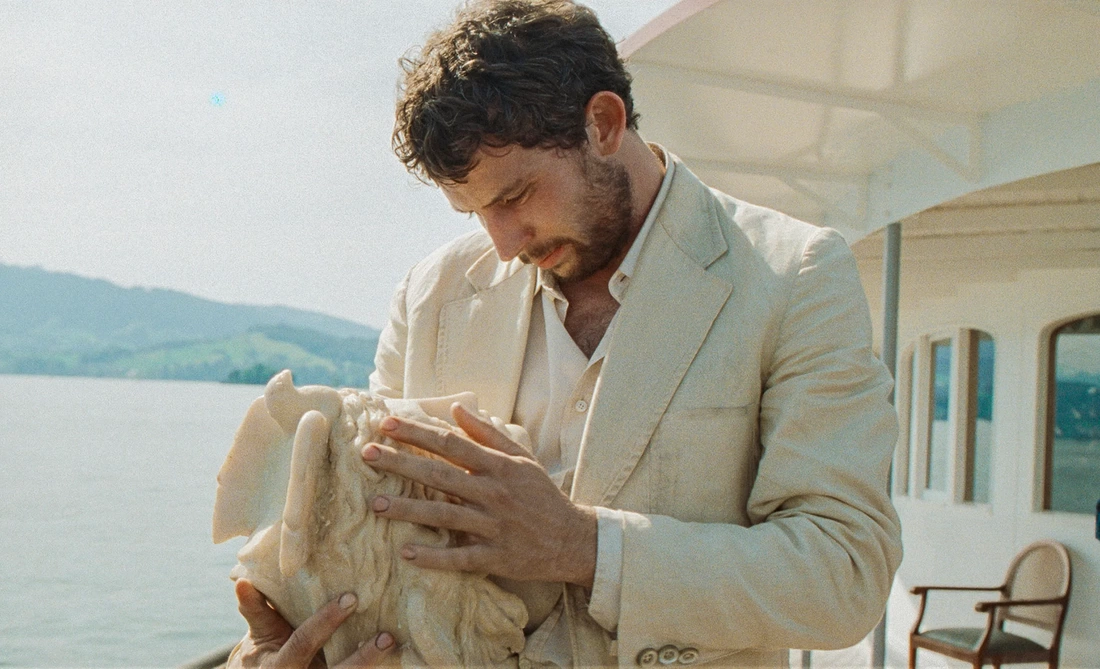 These complicated relationships form the bulk of the film, and they are all beautifully captured on film, as warm and worn as the memories that plague the lonely people that populate the village. With no great urgency or even sense of importance, director Alice Rohrwacher is content in allowing the audience to sit in these moments with the characters, from gaudy celebrations to profane pilfering, and simply absorb the ambiance. Even on this superficial level, the film is a pleasant watch, hypnotizing in its idyllic portrait of the Italian countryside.
It is inevitable, however, that our nominal hero is forced to confront the reality of what he is doing. When he does, the division between the real and the fantastic begins to blur, and the heart of the film takes shape. La Chimera operates as a plea to respect the lives that have come before — the experiences that shape us all — without dwelling within those moments in perpetuity. Whether wading through a watery grave or clinging to love long lost, attempts to commodify or root oneself in the past are portrayed as grotesque acts that impede our ability to connect with the present. It is in living within the present moment, enshrining the past, and moving beyond it to build towards a better future that we can find true meaning and belonging. All that said, La Chimera is a vexing film by design. It is possible to come away from it with more cynical interpretations; I myself have some difficulty squaring the note that it ends on with the rest of the film, as it seems almost unconscionably cruel. Yet it’s a film that I would not be surprised to see grow in my own estimation the longer I sit with it. For now, I am satisfied in calling it uniquely ephemeral, contemplative, and engrossing. La Chimera arrives in theaters March 29. Rating: 3.5/5 Review by Joseph Fayed 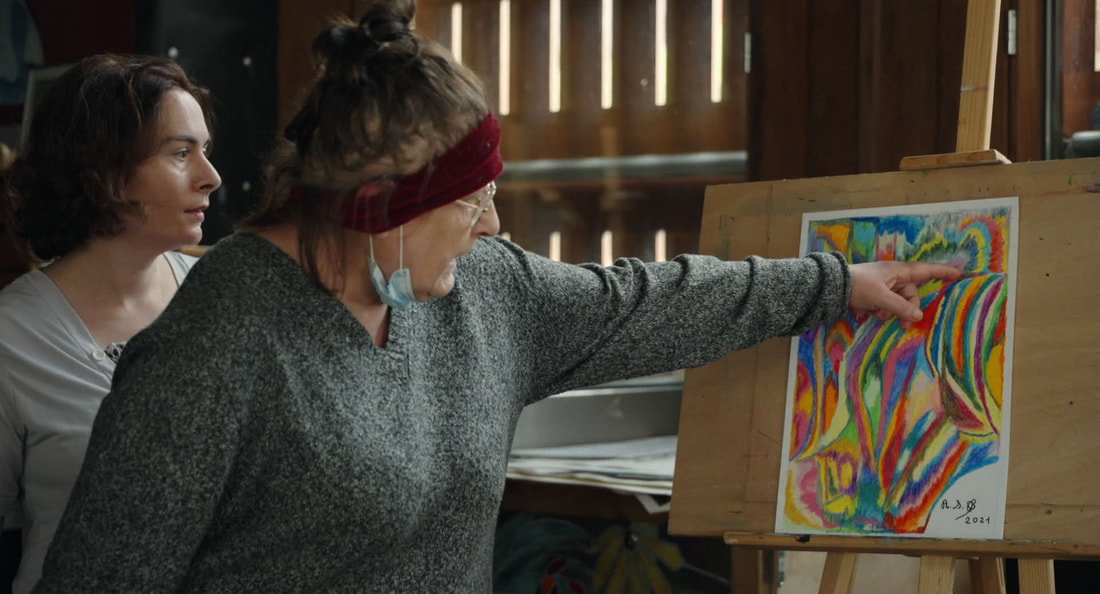 There's nothing traditional about On the Adamant simply because nothing like it has been profiled before. In this documentary, director Nicolas Philibert is granted access to a special day program, L'Adamant Day Center, for adults living with mental illness. The program's location stands out because it isn't inside any building you pass by on the street; it's a boat docked on the Seine River in Paris. The scenery around it isn't the only vibrant thing, as we see a colorful group of characters interacting with each other. It also proves how the heart and soul must be considered when discussing the mind and how to nurture it. The documentary is not very interview-heavy, which works in its favor. It refrains from focusing too heavily on the program's support staff except for moments where they require interaction with the patients, such as when going over their daily agenda. The archetypes the ensemble fits into are established early on. Examples include the artist who never quite made it, the older woman seeking affection, the single mother who lost custody of her son, etc. You can tell that during one-on-one interviews with each patient, they feel comfortable talking about themselves. Those conversations don't always feel like straightforward answers to straightforward questions. They give insight into their lives by first discussing a day in the life onboard the Adamant and then implying what brought them here and what they hope to gain. Telling the documentary in real time with its subjects humanizes those with mental illness better. The lack of focus on experts in mental health, for one, means nothing is eating away from the time we could be focusing on the actual participants in the program. Second, focusing on their diagnosis tends to lean towards addressing the negative aspects of mental illness rather than the positive. It would have been a major distraction from the uplifting moments of the group activities, so tonally, I'm glad this barely touched the surface level of mental illness because the alternative would've been exploitative.  The overarching theme of this is creativity and personal freedoms being granted by an institutional force and what that entails. Most of what we see is how people can flourish under conditions that allow both structure and flexibility. One of the most fascinating parts of the documentary is of an older man who talks deeply about his love for cinema and his own close brushes with fame. His segment and the others feel intimate — even if they have vague answers to what was being asked of them. All they wanted was someone to listen to them, and the filmmakers respected that.
Passion for art doesn't need to feature one breaking the fourth wall or dropping shocking revelations. On the Adamant is meant to be an introduction into the lives of a small group of people with mental illness; it has the exact opposite approach as a documentary bringing awareness to the subject would typically have. All you need to be aware of is that people and a program like this exist, and then perhaps you should be motivated to research how these can be funded wherever you live. Vive la France and their humanistic approach towards treating mental health. On the Adamant is now in theaters. Rating: 4/5 Review by Cole Groth 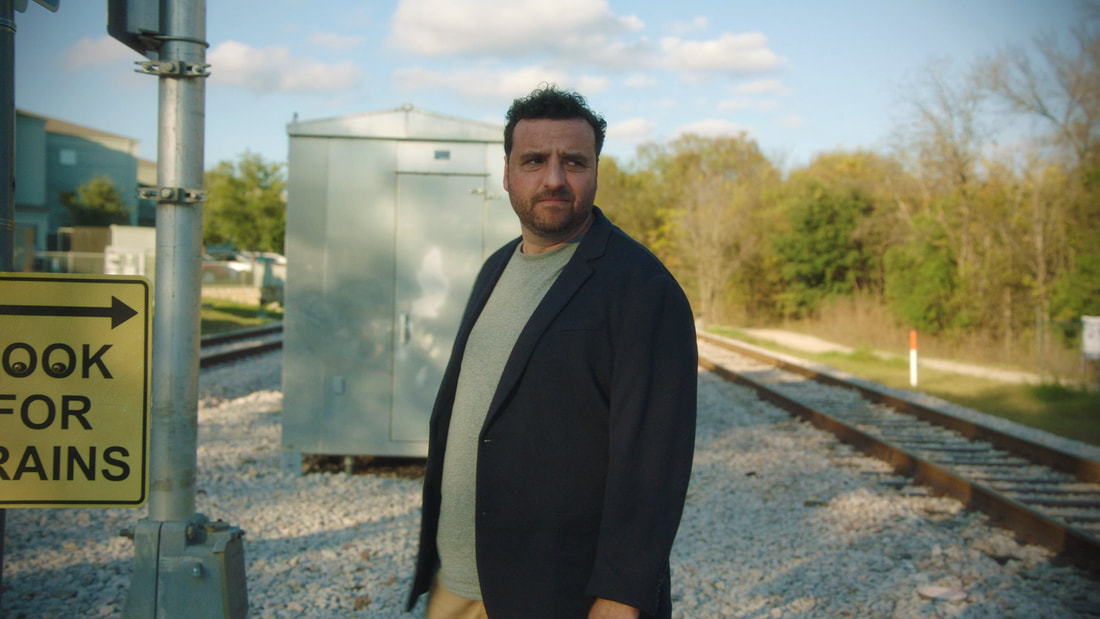 Dark comedy is hard to get right. Bob Byington’s Lousy Carter falls into the trappings of most weak films of this genre, with a script that’s far too cynical and abrasive to deliver as many laughs as it should. With a short runtime and a decent cast, fans of this genre might have fun watching this, but those expecting more than a few chuckles will be surprised when they watch this incredibly dry and mean-spirited comedy. Lousy Carter tells the story of an eponymously pathetic professor (David Krumholtz) diagnosed with a terminal illness. With only six months to live, Bob Byington gives us a darkly comedic look into the life of a man with nothing to lose, who somehow loses even more than he bargained for. Over a quick 76-minute runtime, we watch Lousy (yes, his actual name) destroy any existing relationships through a series of stupid decisions. The problems with this film lie in its lousy (heh) screenplay. At its core, it fails because Byington is projecting his sardonic views of the world in a way that doesn’t feel realistic. Most of the characters here are caricatures of real people. At one point, Lousy engages in an affair with his best friend’s wife, only to be told that it drew the two closer together because Lousy was so bad at sex. It’s a funny thought when written down, but the way it plays in the film is about as unfunny as possible. There are certain spots where the film is amusing, but more often than not, it’s balanced with an eye-rollingly dumb joke. 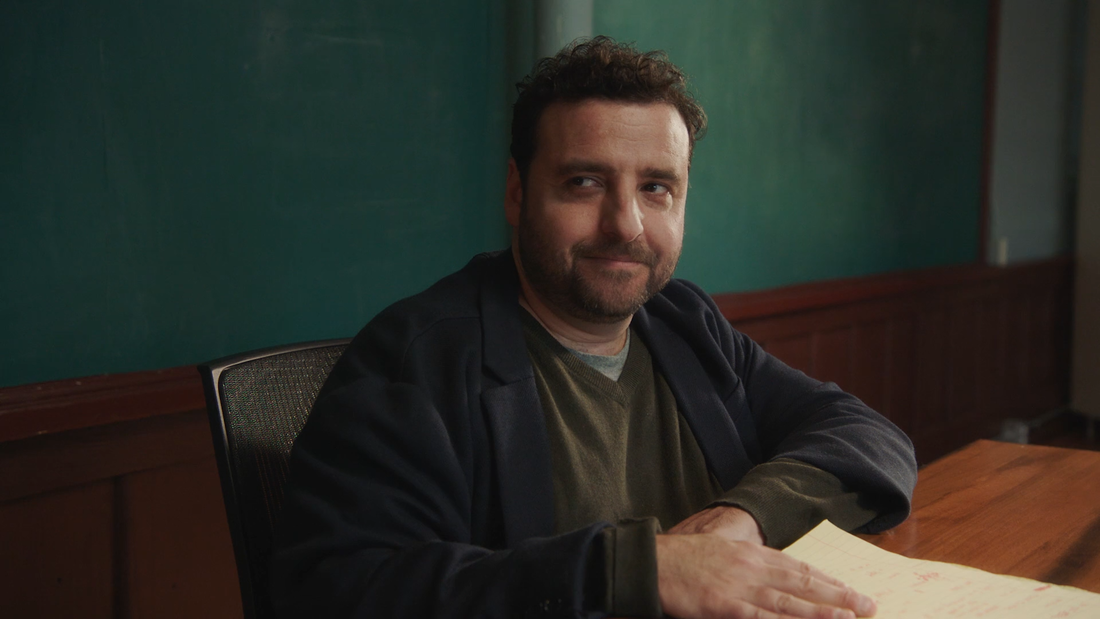 For what it’s worth, David Krumholtz is decent in this. He’s a very talented actor, and after having a good role in Oppenheimer, it seems like his career is on the up and up. He’s joined by a decent cast, including Olivia Thirlby, Martin Starr, and Stephen Root. The actors are mostly let down by their parts, but Root is a particularly fun addition to an otherwise bland set of performances.
One particularly weak element is the cinematography. Some shots appear to be done with an iPhone, filmed with horrendous lighting and jarring cuts. Simply put, this film is as ugly to watch as its heart is. It’s unpleasantly edited and strangely confusing when it shouldn’t be. From any production standpoint, this is a flop. Since this was filmed in 15 days, it’s unsurprising that it doesn’t look very good, but you’d hope that the script could make up for any oversight in the production value — it doesn’t. The slice-of-life storytelling will not prepare you for the ridiculousness of the film’s ending. There’s a big twist that it ends up being almost admirably stupid. If you think this guy’s life couldn’t get worse, you’ll have your jaw on the floor, as Byington shows how much worse it can get. David Krumholtz is a very funny man, and it’s sad to see how few laughs this comedy gets. It’s a film that deeply misunderstands the real world and tries too hard to relate to a younger generation. Maybe it’s worth the watch, but if you’re in the mood for something funny, Lousy Carter might be too dry to elicit many laughs. Lousy Carter is now available on VOD. Rating: 2/5 Review by Daniel Lima  If you make an action movie, you highlight the action. If you make a comedy, you try to make the audience laugh. It is a shame, then, that so many filmmakers set out to make movies about animals and then sideline those creatures in favor of human drama. Such is the case with A Cat’s Life, the American dub of the French film Mon chat et moi, la grande aventure de Rroû. Though the scenes rooted in nonhuman perspectives are an absolute delight, anthropocentric instincts limit how much the film can actually achieve. An adaptation of the 1931 novel Rroû, the film divides its attention between a young Parisian girl and a kitten she finds in her apartment’s attic, whom she names Lou. As Lou grows into adulthood and chafes at his restrained domestic life, the girl finds herself acclimating to her own changing circumstances. Eventually, the film ends. The film ambles along at an easy pace, unconcerned with adhering to a traditional narrative structure that would necessitate narrative momentum. The family goes on a trip to their house in the country; they spend time with the reclusive old woman who lives next to it; the cat enjoys exploring the woods. Each new detail comes and goes without any jeopardy or tension. It’s all presented as just a part of growing up. This lack of any sense of importance undermines the emotional journey of the young girl, as it is hard to care about her as a person when the film seems to take her trials and tribulations no more seriously than the antics of a young kitten.  To make matters worse is the ludicrously bad dubbing, completely obliterating any sense of drama or intentional comedy in every scene with the human characters. It’s unclear why the American distributors thought this blaring, cartoonish, completely artificial voice acting over what appears to be a grounded slice-of-life story was preferable to making kids read subtitles, but it was absolutely the wrong approach. It is certainly unintentionally funny when a woman bluntly explains to her confused daughter that divorce just means that two people don’t love each other anymore, but that doesn’t make the rest of the tortured line readings any less painful.
What makes the human-centric focus even more aggravating is all the scenes without them are absolutely delightful. Rather than rely on narration, voiceover performances, or CGI creatures, the filmmakers utilize real animals and good old-fashioned visual storytelling to show the world from Lou the cat’s perspective. Each of the various animals is given distinct personalities, from the star’s unending mischievousness and curiosity to Rambo the dog’s lazy, slovenly nature. The camera stays low to the ground, offering a feline perspective of the world. Scenes of Lou inquisitively exploring new spaces, forming new bonds, solving problems, and making grand escapes are all wonderfully conveyed through precise editing that lends him autonomy without simply anthropomorphizing him. It’s a marvel to watch unfold, particularly for anyone who has ever tried to make a cat do anything on command. It’s a shame that Lou cedes so much time to unwieldy and unconvincing human drama. One might expect that the girl’s coming-of-age narrative might neatly mirror the cat’s, yet such a parallel eludes A Cat’s Life. While it doesn’t seem that there’s an English translation of the original novel or even information on the book in English, it seems that it is entirely about the cat, with no human POV to speak of. One cannot help but wish the film was a more direct adaptation. A Cat's Life is now in theaters. Rating: 3/5 Review by Adam Donato  (L to r) GODZILLA and KONG in Warner Bros. Pictures and Legendary Pictures’ action adventure “GODZILLA x KONG: THE NEW EMPIRE,” a Warner Bros. Pictures release. Courtesy of Warner Bros. Pictures. The Monsterverse finds itself in quite the situation at this particular moment in time. The earlier films in the franchise have waned in popularity and success. The latest, Godzilla Vs. Kong, was put in the unfortunate situation of being released in early 2021 and debuting on streaming at the same time as theaters. 2023 saw the release of the Apple TV+ show Monarch: Legacy of Monsters and the Toho film Godzilla Minus One. One would think two critically successful pieces of Godzilla media would only build up to the theatrical release of Godzilla x Kong: The New Empire. Why is that not the case? The Oscar-winning Godzilla Minus One set a new bar for monster movies and opened audiences' eyes to what these movies could be. The problem with the Monsterverse films is that they are pure schlock. From the moment Bryan Cranston's character left the 2014 Godzilla film, the Monsterverse hasn't produced a single compelling human character. The Monsterverse films are awesome when there is a monster on screen. The scenes without monsters are excruciating and lame. Godzilla x Kong: The New Empire continues this trend. At least this time around, there are fewer human characters to focus on. Rebecca Hall, Dan Stevens, and Brian Tyree Henry are all wasting time every second they're on screen. Kaylee Hottle's character was cute in the first movie because of her connection with Kong, but here, the human story is so removed from the monster plot. Cut the humans and drop this puppy down to a ninety-minute runtime max. People like this version of these characters because of the big monster fights, so let's stick to our strengths. Either that or leave Godzilla to Toho because they clearly have a better understanding of how to use these characters to make an actual great movie and not just a silly ride.  (L-r) DAN STEVENS as Trapper, REBECCA HALL as Dr. Ilene Andrews and KAYLEE HOTTLE as Jia in Warner Bros. Pictures and Legendary Pictures’ action adventure “GODZILLA x KONG: THE NEW EMPIRE,” a Warner Bros. Pictures release. Photo Credit: Daniel McFadden. If all the movie cares about is the big monster fights, then let's just focus on the big monster fights. Similarly to how Dune: Part Two demands to be seen in IMAX, that should be the relationship between Godzilla x Kong: The New Empire and higher formats like 4DX and D-BOX. Feeling the rumble of the seat whenever a monster approaches and getting flung around as the monsters share blows makes for a pretty fun ride. While the fights in Godzilla Vs. Kong were more memorable, Godzilla x Kong: The New Empire has fights with more regularity. Also, Godzilla fans, beware that this sequel is definitely more of a journey for Kong. His trek through the Hollow Earth with Mini Kong drives most of the narrative. The fights and monster lore have never been more ridiculous, and that feels like the only direction this franchise can take. If there's not going to be any human emotions to ground the story, then let's get as crazy as possible.
At this point, Godzilla x Kong: The New Empire delivers exactly what audiences expect. The fights are badass and are sure to be replayed on YouTube. If you require more than just baseline monster fights, then steer clear. It's unfair for Godzilla x Kong: The New Empire to have the best Godzilla film since the original still fresh in the hearts of cinephiles. Turn your problem, throw your hands in the air, and enjoy the ride. Godzilla x Kong: The New Empire hits theaters on March 29. Rating: 3/5
Review by Sean Boelman
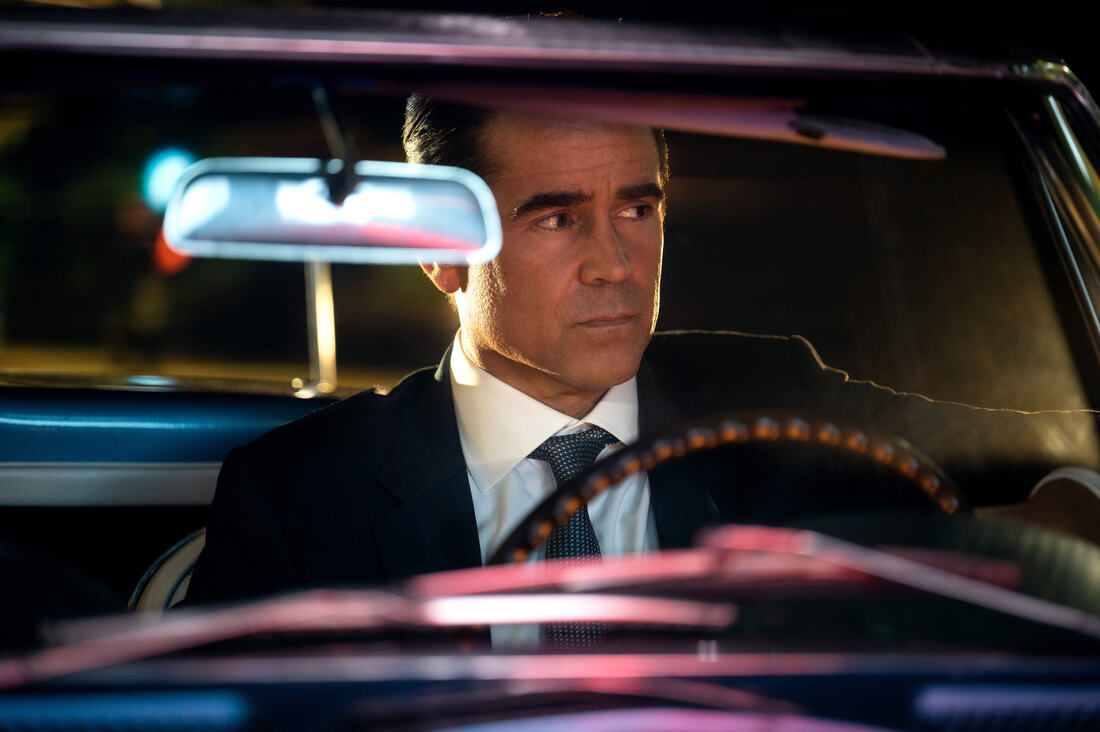
Colin Farrell in "Sugar," premiering April 5, 2024 on Apple TV+.
Colin Farrell's season of neo-noir True Detective was widely considered the weakest of the anthology series, but Farrell still has the juice to play an incredible noir detective. This is evidenced in Apple TV+'s new show Sugar, which is certainly flawed but works incredibly well thanks to its star and direction.
Sugar follows a private investigator (Farrell) tasked with investigating the disappearance of a legendary Hollywood mogul's granddaughter; of course, nothing is as it seems. It's a very loose neo-noir, with as much influence from films like Fear and Loathing in Las Vegas as it has from classic cinema, but it's strangely alluring, nevertheless. The biggest holdback of Sugar is that its mystery, frankly, isn't interesting. The protagonist is investigating this disappearance, but we aren't given much reason to care about the discovery (or lack thereof). The more exciting aspect is the journey the detective goes on along the way and the unexpected conspiracy that unfolds the deeper he digs. Yet, even though the central mystery of Sugar goes nowhere, the show moves along at a steady pace. This is probably at least partially thanks to the series's short length. Apart from the 50-minute premiere, the episodes range from 30 to 40 minutes, making the whole thing clocking in at under 5 hours. This is rare for a dramatic series, but it's incredibly brisk as a result. 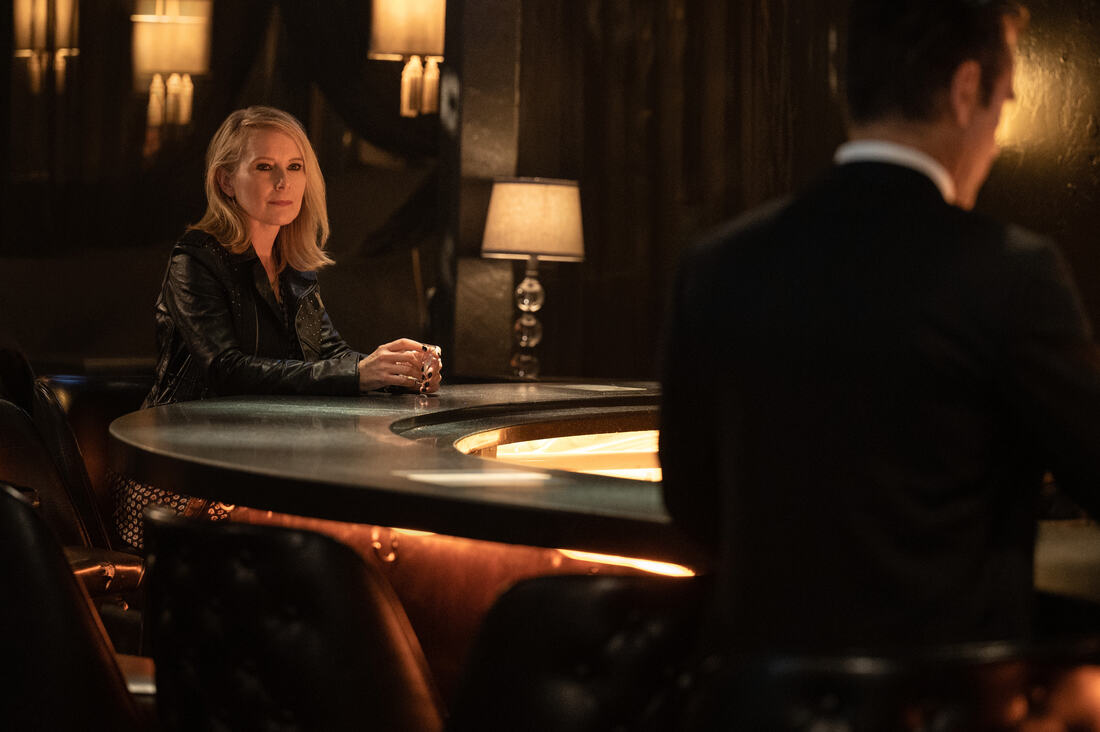
Amy Ryan and Colin Farrell in "Sugar," premiering April 5, 2024 on Apple TV+.
The other thing missing from Sugar is a cast of compelling supporting characters. The antagonistic characters are never really menacing, and the sidekicks are developed in a way that makes sense to the last two episodes but feels off in the moment. The supporting cast is strong, with talented performers like Amy Ryan, Kirby, James Cromwell, and Dennis Boutsikaris, but none feel fully utilized.
That being said, Farrell has such an incredible presence as the eponymous investigator that the show manages to be riveting nonetheless. This feels like a role that Farrell was born to play — a slightly snarky detective recalling the balance of suaveness and harshness in the early noir hero. His delivery is perfectly brooding without feeling aloof. It's an incredibly inspired casting choice. The other hero of Sugar is director Fernando Meirelles (City of God), who directs most of the eight episodes. Beyond nailing the neo-noir aesthetic, the show has some intriguing flourishes, such as incorporating clips from classic noir films. This creates an interesting juxtaposition with the ostensibly modern story we're watching. Sugar isn't without its flaws, but it's a very compelling neo-noir, especially considering how refreshingly short most of its episodes are. It's strange and trippy, but if you're willing to meet it on its bizarre wavelength, you'll be entertained and enthralled by the atmosphere and Colin Farrell's exceptional performance. Sugar streams on Apple TV+ beginning April 5 with two episodes, with new episodes streaming on subsequent Fridays. All eight episodes reviewed. Rating: 3.5/5 Review by Camden Ferrell  Wicked Little Letters is the newest movie from director Thea Sharrock and marks the feature writing debut of Jonny Sweet. This movie had its premiere at the 2023 Toronto International Film Festival. Even if it doesn’t make the most of its extremely talented cast, this is a movie with enough enjoyable moments to overcome how quickly its novelty wears off. The movie is based on a true story of a scandal that took place in a small town in 1920’s England. Edith is a devout Christian woman who lives with her parents and is horrified to receive numerous profanity-ridden letters that insult and belittle her. When this gets reported, it is first believed to be the work of her Irish immigrant neighbor Rose who is known for her foul mouth and crude behavior. However, as time passes, more information is revealed about the letters that shock the entire community. This is a fun story that combines some crass shock humor and mystery and had the potential to make great use of its leading ladies. The real appeal of this film’s script comes from its vulgar premise. However, these profane jokes and comments lose their charm and novelty quite quickly. Since it’s the premise of the movie, these particular moments persist throughout and suffer from diminishing returns quite notably. However, it does benefit from the subplot involving Gladys, a policewoman who is trying to get to the bottom of the whole ordeal. Additionally, there are some interesting character moments throughout that gives the movie a heart at its core. 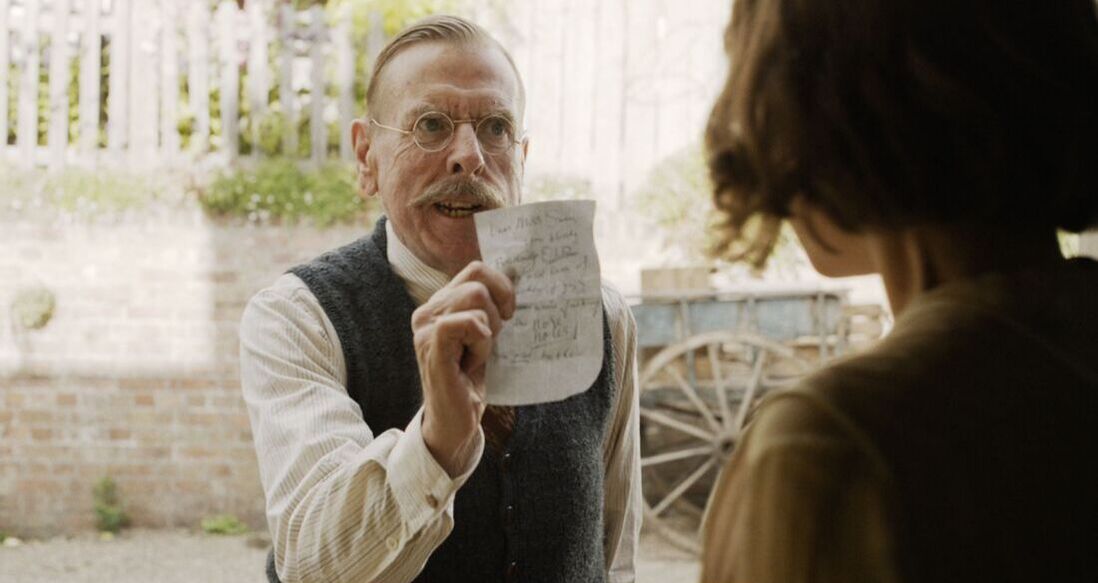 By far and away, the best part of this movie is its performances. The material provided doesn’t get the most mileage out of their talents, but they are still wonderful to watch. Led by Olivia Colman and Jessie Buckley, they are both great character foils and play off each other well. Their comedic timing is entertaining, and they bring their trademark charm to their roles nicely. The supporting cast, consisting of Anjana Vasan and Timothy Spall among others, isn’t given nearly as much to work with, but they are decent with what they are given.
This movie doesn’t aim to tackle any thought-provoking social issues related to its premise, but it doesn’t need to. The director understands that this movie was never meant to incite conversation or profound discussion, and the movie operates under that umbrella of casual entertainment where it thrives best. It’s the kind of movie you can nonchalantly watch with family on a nice afternoon and get a few good laughs out of. It’s not particularly great as a movie, but it’s exactly what it needs to be. Wicked Little Letters has some wit to go nicely with its large number of expletives. Viewers won’t be blown away by its humor, but everyone can still get a kick out of Buckley and Colman doing their respective thing on screen. Even if it could have been better, it’s still an enjoyable comedy, nonetheless. Wicked Little Letters is in theaters March 29. Rating: 3.5/5 Review by Jonathan Berk 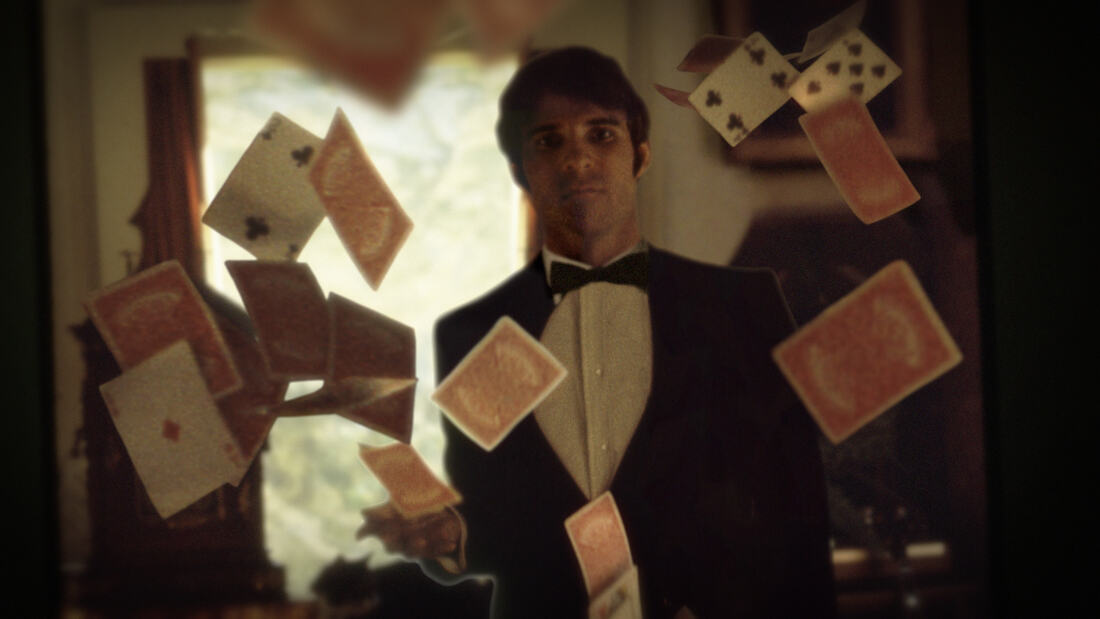 Director Morgan Neville knows how to shape the story of a documentary for maximum impact. Fans of Won't You Be My Neighbor? will remember the emotional impact felt by both the subject and the story's structure. STEVE! (martin): a documentary in 2 pieces brings a similar feeling of admiration and nostalgia for Steve Martin. The two parts of this documentary series could not be more different, as they reflect many aspects of Martin's life and story. The first part of the documentary feels very much like a Ken Burns PBS documentary. Tons of photos of Martin's life appear on screen accompanied by voice-over narration by Martin. The tone is often wistful and feels more like the inner monologue Martin has had with himself throughout his life, which we are now privy to. This section focuses on his life until 1980 and the struggles he initially had breaking into show business. Martin's story is impressive and feels both personal and distant in this presentation style as if we're merely observing things. The second part of the documentary jumps to the modern day as Martin prepares breakfast for himself. This documentary uses a more traditional combination of fly-on-the-wall observation and interviews. The archival footage and photos aren't entirely gone, but now some cartoons of Martin are used to introduce a series of concepts Martin is bothered by. This section still focuses a bit on the career, but it's far more interested in the man behind it all.  The second film is far more unique than the first, but together, they reflect a lot of the complexity that is Martin. A magician, comedian, musician, actor, son, husband, father, and collector list just a few aspects of Martin explored in the two-part documentary. Several of these ideas add Martin Short into the film as the two prepare for a tour and promote their hit show Only Murders In the Building. Martin reflects on his life to this point throughout in ways that are again very personal yet distant.
A significant theme that emerges in both documentaries is this sense of longing, loneliness, and love. These themes appear in the characters he portrays in his movies and his personal life. Some moments in the documentary begin to explore these ideas that seem to hit a wall. This appears intentional as a continued feeling that Martin is willing to share only so much. He is a celebrity and acknowledges and even appreciates the level of admiration he has received. Yet, he is a person and has boundaries in place that he clearly isn't willing to break. STEVE! (martin): a documentary in 2 pieces is a very compelling watch. Clocking in at just over 3 hours between the two episodes, it's full of love that is just infectious. Fans of Martin will likely walk away with a renewed passion for him and his work. People who may be less versed in his overall oeuvre may find themselves with the drive to explore his work. At the very least, you'll know more about another celebrity and their influence on culture. STEVE! (martin): a documentary in 2 pieces will be on Apple TV+ on March 29. Rating: 4/5 Review by Tatiana Miranda 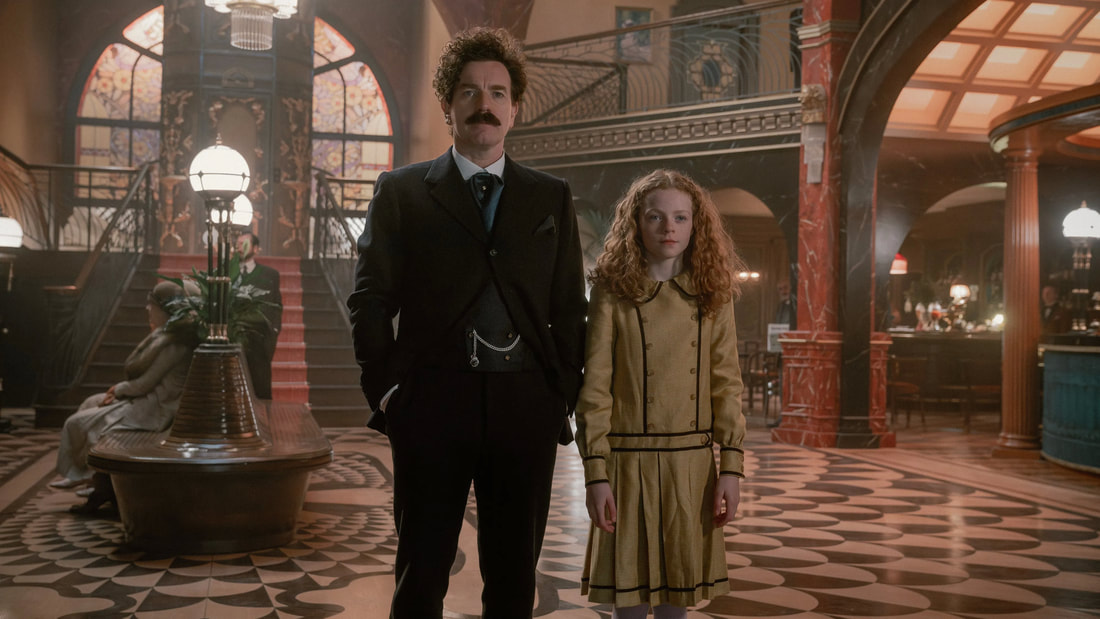 Based on the best-selling novel of the same name, A Gentleman in Moscow is a unique look at post-Revolutionary Russia. The new Showtime limited series stars Ewan McGregor as Count Alexander Rostov, who is put under house arrest for life in the Metropol Hotel. While the story is primarily fiction, it is based on the real long-time tradition of house arrest in Russia and portrays the realities of life as a noble in Russia following the Bolshevik revolution, where most were either killed or lived a life of obscurity. The series begins in 1917, when Alexander is arrested and sentenced to life imprisonment in the Metropol Hotel. It showcases his life within the hotel until Stalin's death. Through flashbacks, Alexander's pre-revolution life is revealed as he grapples with the loss of his sister and his old friendship with revolutionary Mishka Mindich. While in the hotel, he grows close to nine-year-old Nina Kulikova, actress Anna Urbanova, and various hotel employees. Although the story can be intensely dark, dealing with subjects such as Alexander's loneliness and despair while imprisoned and several key character deaths, it is also a heartwarming and hopeful story about found families and keeping hope even during the darkest of times. The series ends around 1953, allowing the audience to see Alexander grow and make a new life within the hotel and examine the developments of communist Russia. 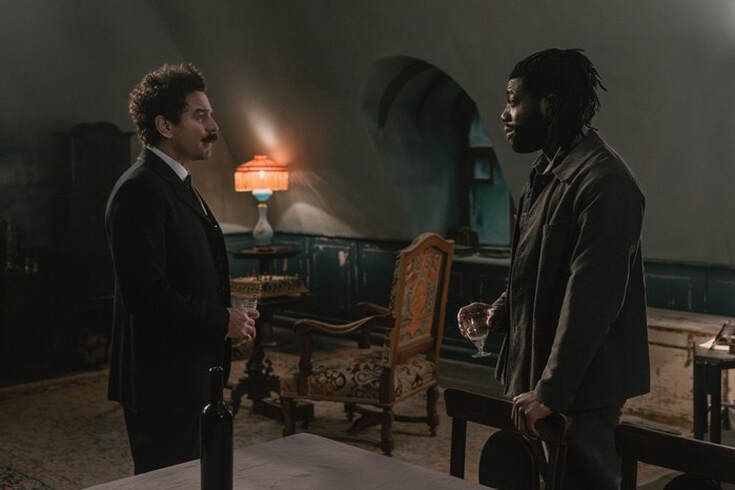 Even though the series is only eight episodes long, it packs in a lot during the time period it shows and allows the audience to grow fond of Alexander and those he interacts with in the hotel. Ewan McGregor's performance stands out as he perfectly encapsulates a count who won't let his imprisonment get the best of him; instead, he routinely makes light of the situation and stands up for himself and his peers as best he can. Fehinti Balogun is also exceptional as Mishka, Alexander's old college friend and revolutionary, and his character adds depth to Alexander's past while also providing a different perspective to Alexander's on the benefits of the revolution.
Other performances, such as Mary Elizabeth Winstead's portrayal of Alexander's love interest, Anna Urbanova, are lacking. Beyond her relationship with Alexander, she doesn't seem to have a lot of depth. However, they try to give her the storyline of a fading actress, similar to Margot Robbie's Nellie LaRoy in Babylon. In A Gentleman in Moscow, though, her storyline comes across as an afterthought rather than an intentional way to mirror the evolution of post-revolutionary Russia. While the series attempts to give characters depth through either pre- or post-revolution trauma, it feels surface-level and doesn't always last beyond the episode in which it occurs or is revealed. Overall, although A Gentleman in Moscow is an entertaining series with fascinating characters, it feels like just another limited series that doesn't attempt to break out of the cookie-cutter historical drama mold. A Gentleman in Moscow premiers on Paramount+ on March 31. All eight episodes reviewed. Rating: 2.5/5 |