
|
Review by Sean Boelman
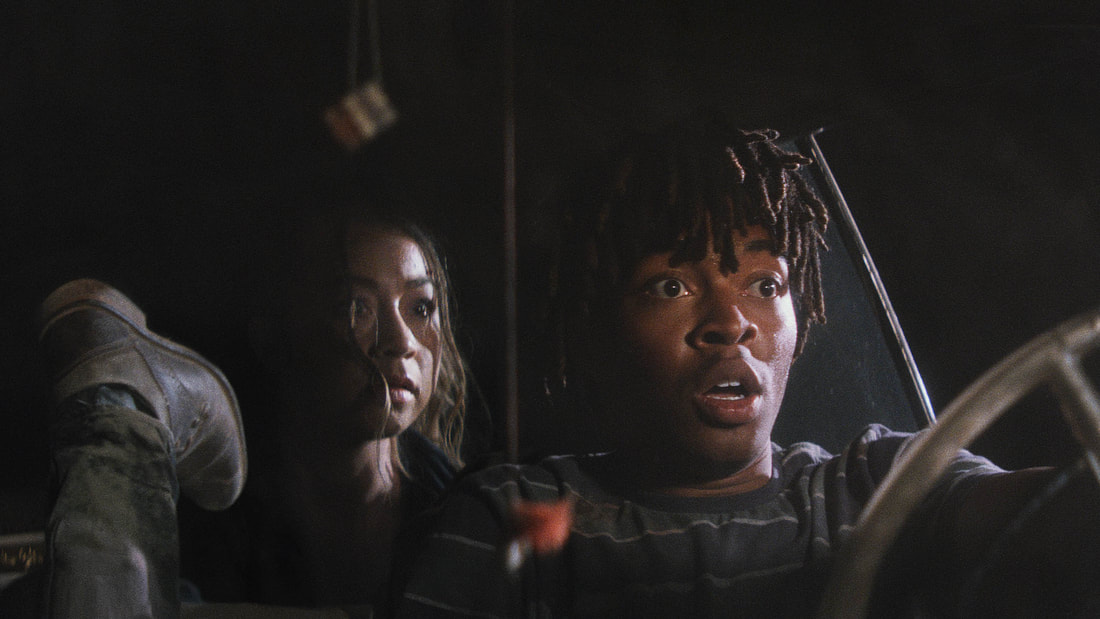
Tyson Brown and Shelby Duclos appear in First Date by Manuel Crosby and Darren Knapp, an official selection of the NEXT section at the 2021 Sundance Film Festival. Courtesy of Sundance Institute | Photo by Manuel Crosby.
Often, a good director can make a lot out of a mediocre script, but also there are times in which uneven direction can weigh down solid writing. Manuel Crosby and Darren Knapp’s feature debut First Date is a charming film, but its inconsistent visual style holds it back from reaching greater heights.
The film follows a teenage boy whose first date with his crush goes awry when he buys a sketchy old sedan from a creep and finds himself being chased by drug dealers, the cops, and a woman with a vendetta against him. The story is definitely very hyperactive, but that energy is part of what makes it work so well. That said, the tone of the film is a bit inconsistent, and that prevents it from having its maximum impact. Much of the film is a lighthearted coming-of-age tale cum action-comedy, but then there are some more somber flashes that imply it wants to be a thriller with more serious stakes, and Crosby and Knapp fail to find a satisfying balance between the two. Although the protagonist is a charming hero, a lot of the other characters are written very shallowly. His love interest is given a minimal backstory, and it’s frustrating to see such a potentially interesting role become so reductive. And both of the main antagonists are stock characters in the worst sense of the word. 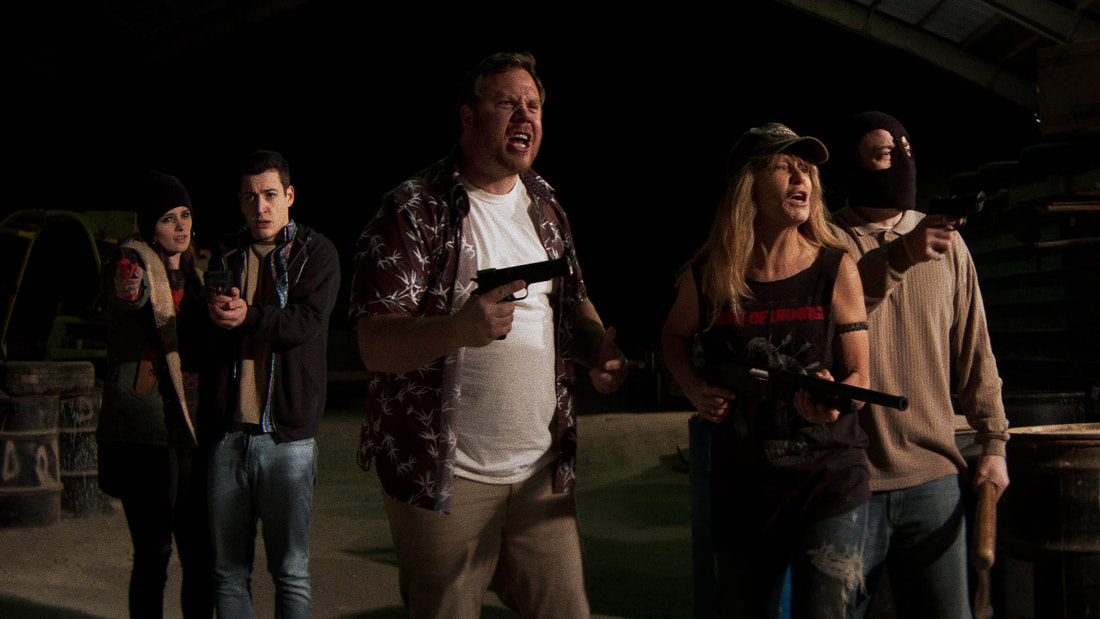
Samantha Laurenti, Jake Howard, Ryan Quinn Adams, Angela Barber and Dave Reimer appear in First Date by Manuel Crosby and Darren Knapp, an official selection of the NEXT section at the 2021 Sundance Film Festival. Courtesy of Sundance Institute | Photo by Manuel Crosby.
However, at a certain point, it becomes clear that there are too many characters in play. Some of most entertaining characters in the film are secondary or tertiary antagonists that don’t do much in terms of pushing the plot along, but pop up in comedic ways. What makes it so frustrating is that these characters are far more interesting than the main cast.
The ensemble is charming enough, their performances paying homage to the hammy B-movies to which this film obviously owes so much inspiration. Newcomer Tyson Brown is definitely the standout, having a very charming screen presence about him that is ultimately the driving force in the film. Crosby and Knapp’s style in shooting the film also could have been a lot steadier. There is a clear retro influence to a lot of it, but the film is fundamentally set in the modern day. In fact, the only thing that is really consistent about the film is its indecisiveness, as it seems to be trying to do everything without doing any one thing particularly well. First Date is mostly enjoyable for what it is, but the issue comes in with the fact that it seemingly can’t decide what that should be. It’s likely that the mostly strong script is what got this into Sundance, because otherwise, it’s rather unexceptional. First Date is screening at the 2021 Sundance Film Festival which runs virtually from January 28-February 3, 2021. Rating: 3/5
0 Comments
Review by Sean Boelman
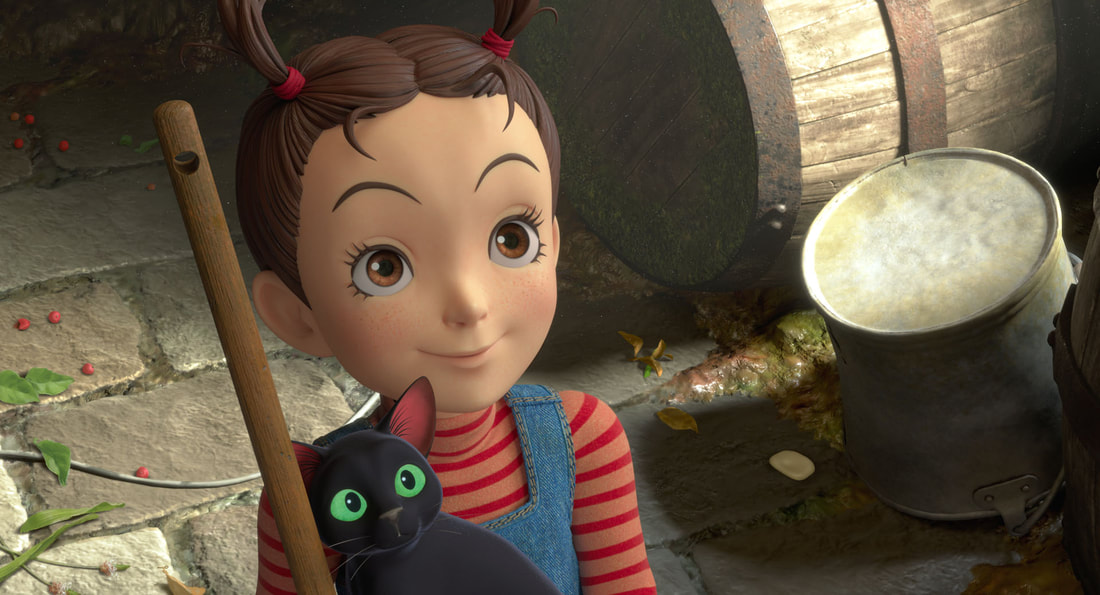
Studio Ghibli is known for their intimate and gorgeous hand-drawn animated films, and while their first 3D computer animated movie doesn’t live up to that standard, it’s still significantly more inspired than a majority of animated fare. Enjoyable but rushed, Earwig and the Witch is a lot better than expected, but not as good as it could have been.
Based on the English novel by Diana Wynne Jones, the film tells the story of an orphan who is adopted by a witch and gets drawn into an unexpected world of magic. Even though it is filled with whimsy, the movie isn’t quite able to capture the same feeling of wonder that defines some of the best Ghibli classics. Perhaps the most frustrating thing about the film is that it is almost entirely missing a third act. We get the setup in the first twenty minutes and the conflict for the next hour, but it then just ends without giving much in the way of resolution. Perhaps it is setting up for sequels, but these loose ends are agonizing. Since the movie is so short (a mere eighty-two minutes), it also doesn’t have a whole lot of time to explore its themes with much depth. The message about being oneself is nice, but it doesn’t really come into play until about halfway through. As a result, this feels a lot more shallow than a majority of the studio’s other films. 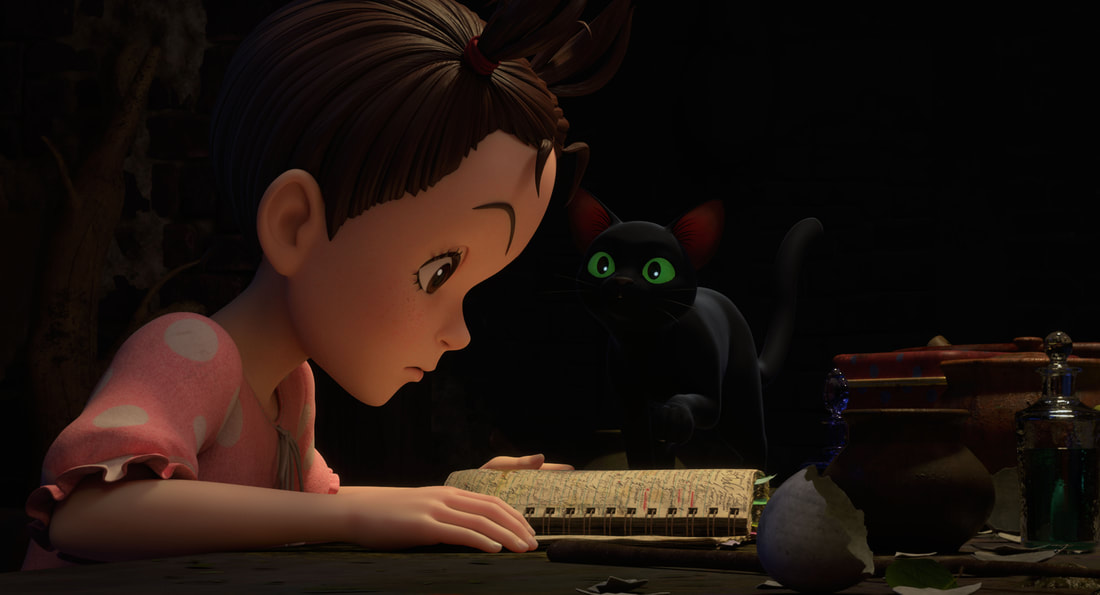
The character development in the movie is a bit weak, but there are definitely some aspects that work really well. The Mandrake is an interesting character that has a lot of potential to be further explored in future installments, but a lot of the other supporting players are really generic and archetypal.
That said, the film does an excellent job of building its world, and that is what makes it tick. When the movie starts to really invest in the musical portion of the story, it becomes really charming, getting elevated from a somewhat standard fantasy fable into the more magical tale that it should have been in the first place. This film has gotten a lot of heat from Ghibli fans because of its visual style departing so widely from the traditional form, but the animation doesn’t look bad. There are a few moments that feel a bit cheesy, but for the most part, it works surprisingly well. That said, the best part of the movie is undeniably the soundtrack, which features some truly catchy songs. Earwig and the Witch isn’t the next great Ghibli movie, but it’s passable entertainment and still mostly well-made. Hopefully this is them working out some of the kinks with the new style so that their next 3D animated movie is more effective. Earwig and the Witch hits theaters on February 3 and HBO Max on February 5. Rating: 3.5/5
Review by Sean Boelman
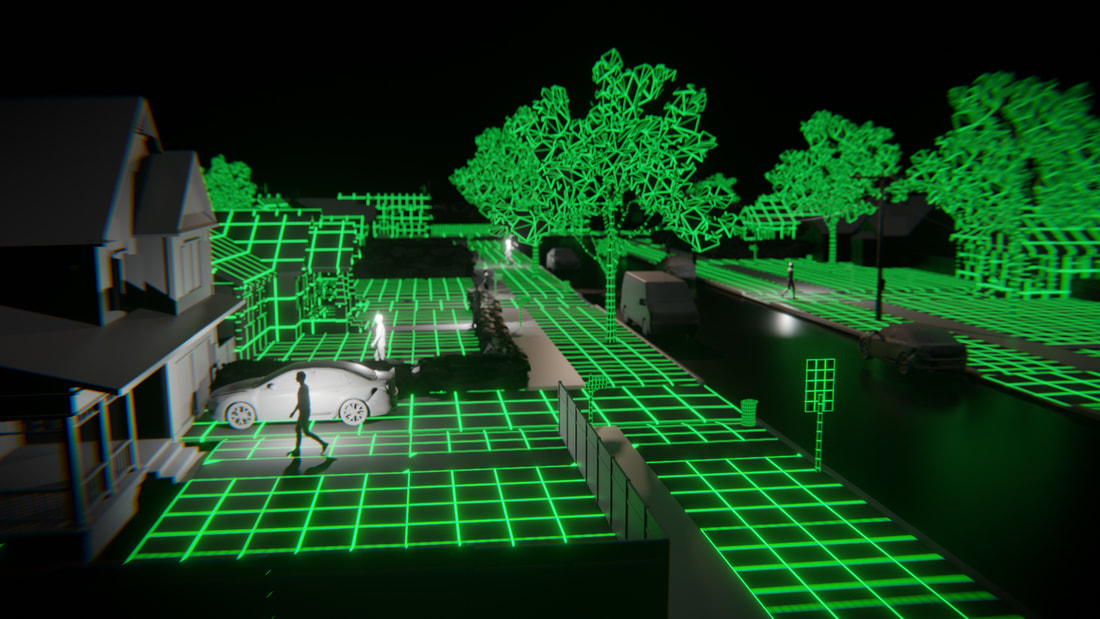
A scene from GLITCH IN THE MATRIX, a Magnolia Pictures release. Photo courtesy of Magnolia Pictures.
Audiences are likely used to documentaries depicting reality, but filmmaker Rodney Ascher’s newest film A Glitch in the Matrix stands out by questioning reality. Sure to leave most viewers with a broken brain, this is unlikely to win any new converts for simulation theory, but is one of the more entertaining exercises in speculation nevertheless.
In the movie, Ascher offers an exploration of simulation theory and explores the evidence for and against the idea that we are living in a simulation. A lot of people are going to dismiss the film right off the bat if they think of it as ridiculous conspiracy theory, but there is still value in observing how and why these people think as they do. Perhaps the biggest issue with Ascher’s movie is that it sets its aim too wide. On one hand, a significant majority of the film is composed of testimonials from people who have experiences that seemingly “confirm” simulation theory, but Ascher also wants to offer a comprehensive history of the theory, and it is too much to fit in a single feature-length movie. Even though the film does feel overstuffed, it has a frenetic energy to it that is pretty entertaining. Ascher’s movie is heavily dependent on oral storytelling, and so it has an almost rehearsed feel to it at times, but he is able to pull a really compelling narrative out of all of these people’s experiences. 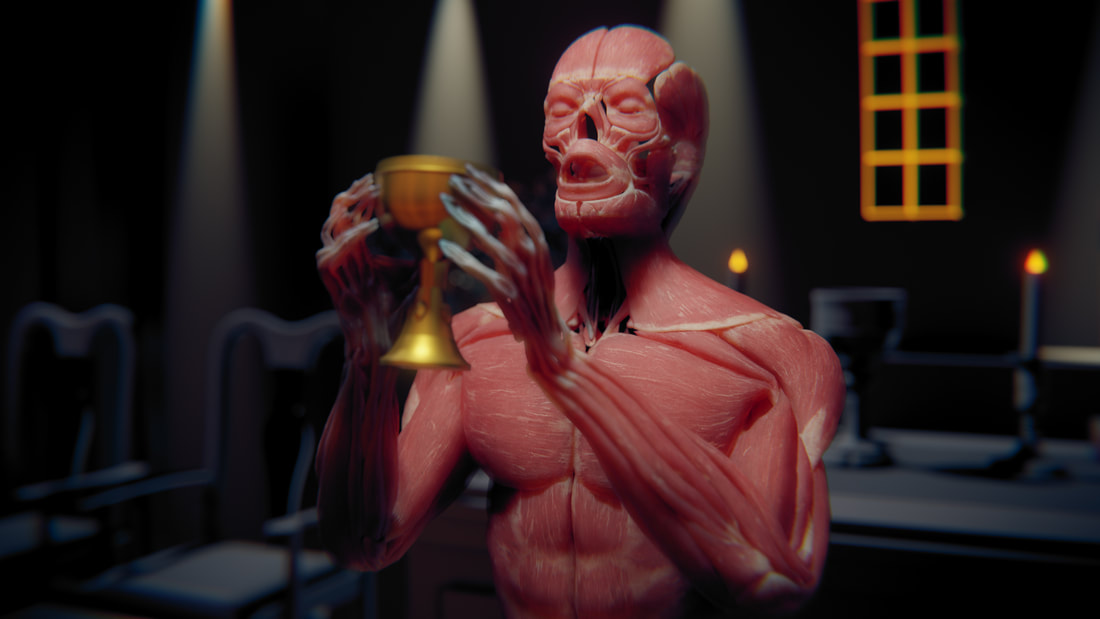
A scene from GLITCH IN THE MATRIX, a Magnolia Pictures release. Photo courtesy of Magnolia Pictures.
There is something interesting about the way with which Ascher approaches his subjects. One would expect a documentary to take a strong stance on their stories, either presenting them as prophets or crackpots, but the film presents them in a much more nuanced way. It is intriguing to see how earnest the interviewees are.
On the other hand, the movie offers some interesting ideas regarding the evolution of simulation theory. In a way, the documentary serves an alternate function as an exploration of how media influences society. This is really only prevalent in a few of the segments, specifically the ones dealing with the Wachowski Sisters’ film The Matrix, but these are the most interesting parts of the documentary. Ascher’s style, as can be expected if one has seen any of his prior documentaries, is a bit all over the place, but therein lies a lot of its charm. Instead of regular talking head interviews, the interviews are animated with virtual avatars. The impact of this ultimately isn’t very strong, but it’s a cool gimmick nevertheless. A Glitch in the Matrix takes a concept that probably shouldn’t have made for a good documentary and turns it into something enjoyable thanks to Rodney Ascher’s inspired directing. It’s not going to be everyone’s cup of tea, but those who are willing to read between the lines will be intrigued. A Glitch in the Matrix hits VOD on February 5. Rating: 3.5/5
Review by Sean Boelman
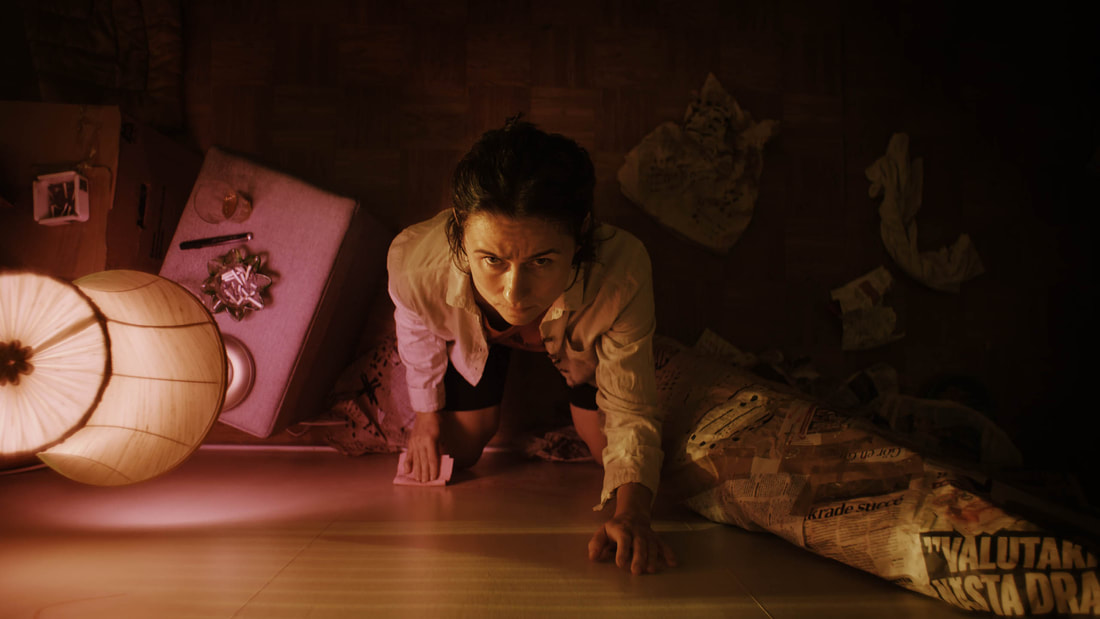
Cecilia Milocco appears in Knocking by Frida Kempff, an official selection of the Midnight section at the 2021 Sundance Film Festival. Courtesy of Sundance Institute | Photo by Hannes Krantz.
Film festivals are known for discovering some of the craziest and most bizarre midnight movies out there, but the Swedish thriller Knocking is on the more normal end of the spectrum. A competent and atmospheric yet mostly straightforward psychological thriller, this isn’t the type of movie that will start the lingering conversation it needed to succeed.
The film follows a woman who leaves a psychiatric ward only to begin to break down again when she starts to hear a mysterious knocking sound in her apartment. A lot of the tension in the movie comes from the mystery of not knowing whether or not what the character is experiencing is real, but other films have done this more effectively (all the way back to Rear Window). Even though the movie is a mere seventy-eight minutes long, it will struggle to keep some viewers’ attention. There are definitely some great moments that allow the audience to dial into the protagonist’s paranoia, but at a certain point, it starts to feel repetitive as opposed to the slow descent into insanity that it is supposed to be. Based on a novel by Johan Theorin, Emma Broström’s script has the potential of being a really interesting commentary on mental health, but it ultimately doesn’t go anywhere. That isn’t to say the film feels empty — it is obvious what it wants to be saying — but there is a nagging feeling that it could have been more. 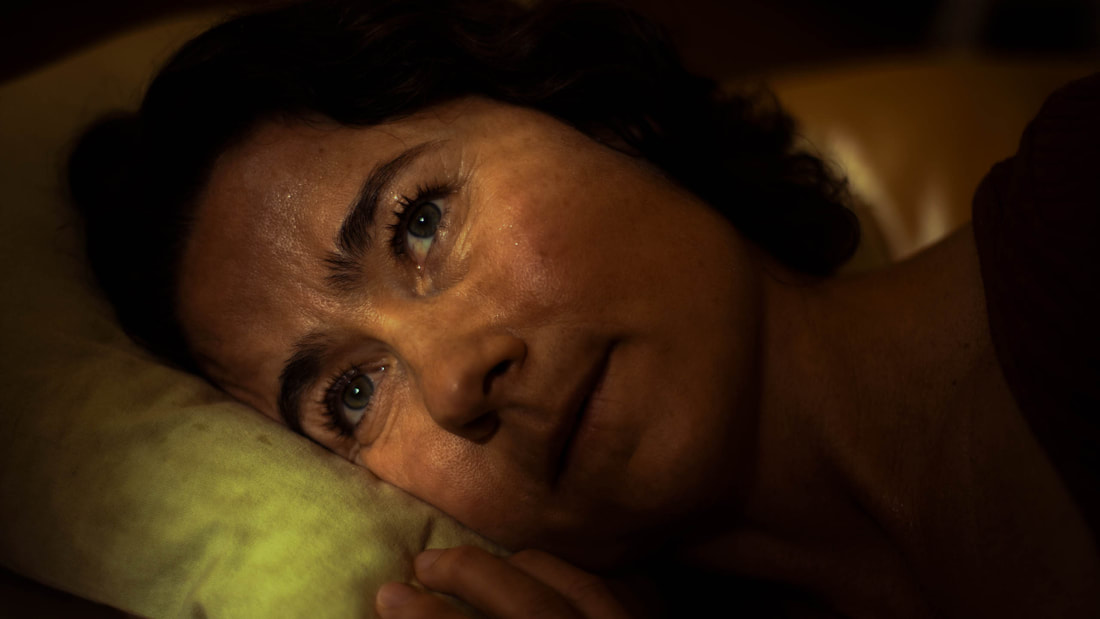
Cecilia Milocco appears in Knocking by Frida Kempff, an official selection of the Midnight section at the 2021 Sundance Film Festival. Courtesy of Sundance Institute | Photo by Ida Zimmerman.
The character development in the movie is one of its weaker areas. Although the protagonist is compelling and it is easy to get behind her struggle, the supporting players are all stock characters. Although this has something to do with the world being built in the characters’ mind, it doesn’t help when it comes to the generic feel.
Cecilia Milocco’s lead performance is definitely quite strong. Since the film is mostly her reacting to different stimuli in the environment, she’s really the force driving the whole thing, and she does an excellent job of bringing a believable quality to the character. Even when the movie is moving a bit slower, she is able to sell the suspense. Of course, it is on a technical level that the film is most impressive. The cinematography is consistently good and features a few shots that are beautifully disturbing. However, it is the sound design that is (predictably) the star of the show, heightening the tension in a way that is brilliant if not altogether subtle. Knocking may not be the most spectacular thriller you’ll see this year, but it is effective nevertheless. Although it isn’t what one would typically expect in a festival midnight movie, that isn’t inherently a bad thing. Knocking is screening at the 2021 Sundance Film Festival which runs virtually from January 28-February 3, 2021. Rating: 3/5
Review by Sean Boelman
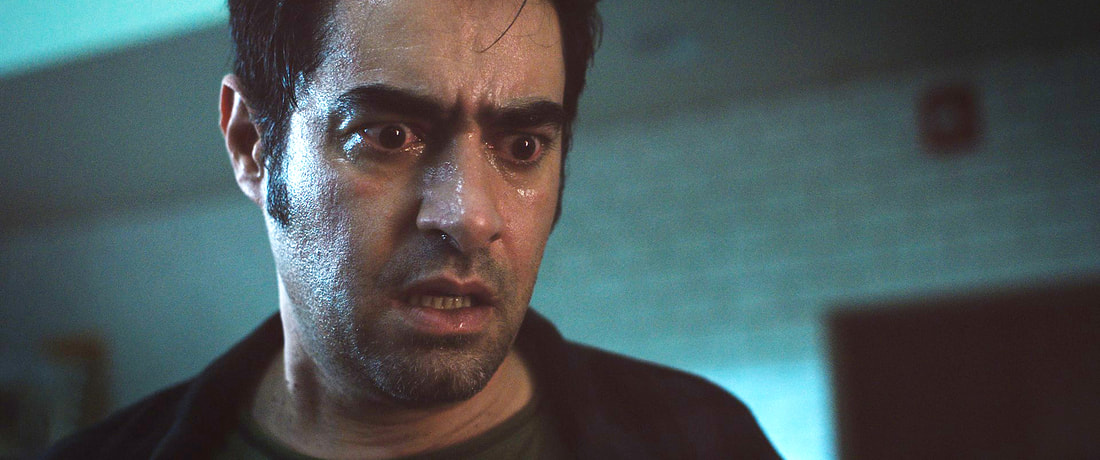
Shahab Hosseini as ‘Babak Naderi’ in Kourosh Ahari’s THE NIGHT. Courtesy of IFC Midnight. An IFC Midnight Release.
Kourosh Ahari’s horror-thriller The Night is a historic film because of the context of its release, but one is left to wish that something more exceptional would have been the first U.S. production to receive a release in Iran in nearly half a century. A competent but dull chiller, one can’t help but feel like this should have been more.
The movie follows a couple who must confront their secrets when they are trapped in a hotel by a supernatural force and their night seems to never end. There are so many horror films set in a creepy hotel, and the script by Ahari and co-writer Milad Jarmooz doesn’t do much to set it apart from the slew of other movies in the genre. Perhaps the biggest issue with the film is that it takes the idea of slow burn to the extreme. Clocking in at an hour and forty five minutes, the movie fails to justify its length with a premise that can only provide so many spooky situations, and by the time it reaches the third act, it is already milked past its worth. The themes of the film are also very direct in a way that isn’t particularly satisfying. It takes about thirty minutes for the movie to get moving and the actual horror movie stuff to start happening, but once it does, it immediately becomes clear that this is little more than a morality tale. 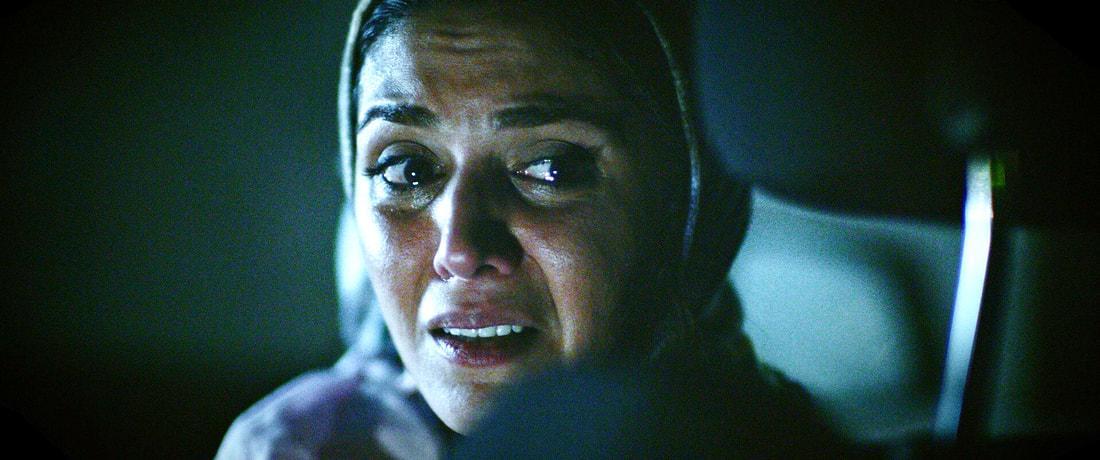
Niousha Jafarian as ‘Neda Naderi’ in Kourosh Ahari’s THE NIGHT. Courtesy of IFC Midnight. An IFC Midnight Release.
Ahari is definitely a competent filmmaker, building suspense effectively even if the script is mostly stagnant. The most impressive thing about the execution is the way in which Ahari uses the setting of the hotel to create a feeling of claustrophobia, which is essential for the horror elements of the script to work.
That said, the character development in the movie is less effective, and this is what causes it to falter as a drama and thriller. It’s clear that the audience is supposed to be invested in this marriage, but there isn’t enough put into exploring the dynamic that exists between the two of them. Shahab Hosseini and Niousha Jafarian both give solid performances but they are definitely limited by the script. It’s clear that both are very talented actors and that, had the dramatic portions of the script been emphasized, they would have made for a great duo. In his supporting role, George Maguire gives an enjoyably sinister turn. The Night has a few strong elements, but for the most part, it suffers from an overwhelming feeling of “been there, done that”. It’s worth watching for its important cultural context, even if it is otherwise forgettable. The Night is now available on VOD. Rating: 2.5/5
Review by Sean Boelman
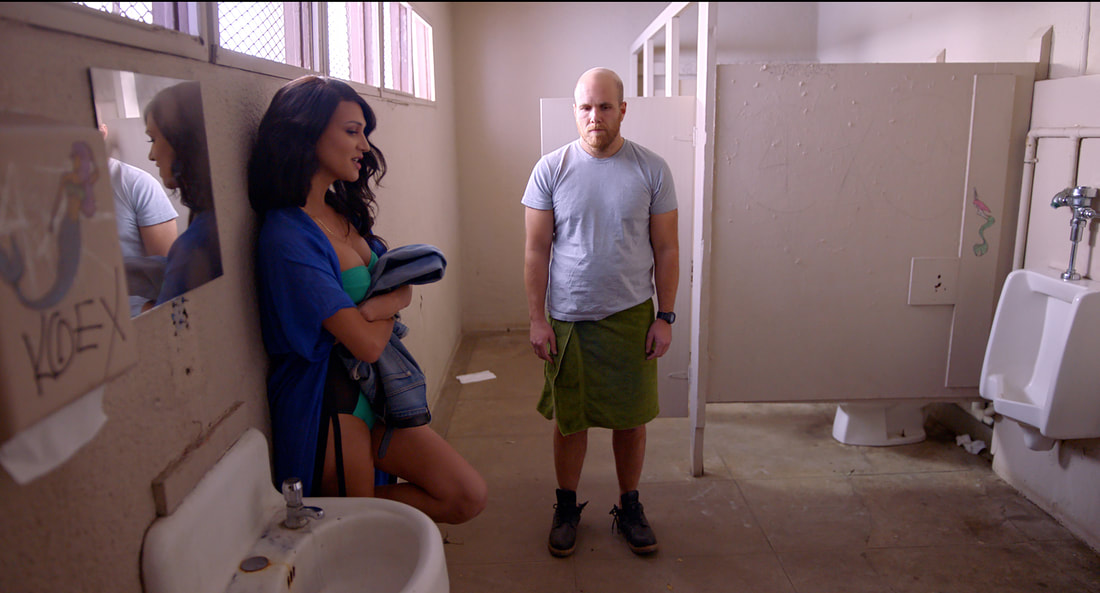
(L-R) Nomi Ruiz as Nomi and Nick Sasso as Nick in the action/drama film HAYMAKER, a Gravitas Ventures and Kamikaze Dogfight release. Photo courtesy of Gravitas Ventures and Kamikaze Dogfight.
With his directorial debut Haymaker, Nick Sasso has delivered a fighting movie — if one can even call it that — that feels so derivative and shallow that its positive message can’t come through. This is one of those cases where the filmmakers’ heart was definitely in the right place, but the execution is just so mediocre that it fails them.
The film tells the story of a retired fighter who rescues a transgender performer from a thug and ends up becoming her bodyguard, learning lessons in humanity along the way. It’s basically The Bodyguard if it were even more sentimental and cheesy, which is a shame since the compassion it shows is something that people could definitely need to hear. However, apart from this lesson in morality, the movie has disappointingly little to say. It’s a shallow film made with good intentions, but Sasso seems to have been unable to find a way to translate those good intentions into something with any sort of real substance. Sasso explores these themes effectively within the first thirty minutes, and so the rest of the movie feels pretty empty. The film is really short, clocking in at around an hour and fifteen minutes before credits, and this pacing is a big part of the movie’s issues. The film is mostly sweet and harmless, but it often feels like Sasso is trying to hit the obligatory beats as quickly as possible without worrying about efficiency or effectiveness whatsoever. 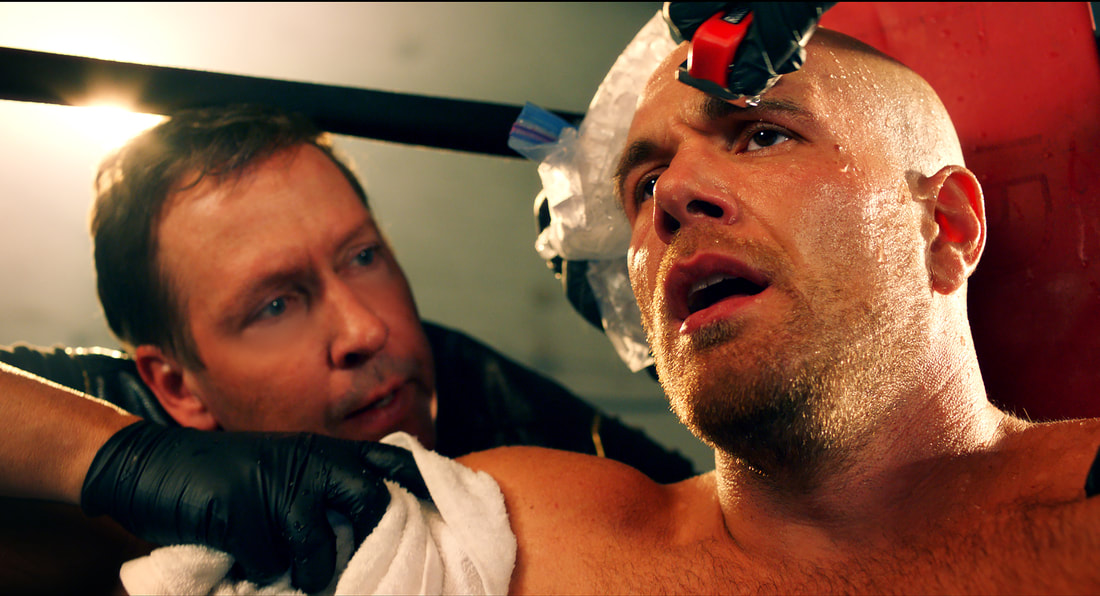
(L-R) D.B. Sweeney as Mack and Nick Sasso as Nick in the action/drama film HAYMAKER, a Gravitas Ventures and Kamikaze Dogfight release. Photo courtesy of Gravitas Ventures and Kamikaze Dogfight.
Sasso does a good enough job of making the audience sympathize with the characters, but much like the rest of the movie, there isn’t a whole lot of depth to their development. Thankfully, there is enough of an investment in their relationship together for the dynamic to work, but on an individual level, they both feel like stock characters.
The acting in the film is mostly very weak, and this causes the movie to be even less resonant. Sasso plays the lead role himself, and he is completely wooden. Granted, the lack of subtlety in the role doesn’t lend itself to nuance, but his performance feels completely bland. Nomi Ruiz is much better, but isn’t given a whole lot to do. And for some reason, Udo Kier shows up in a useless bit part. Perhaps the worst aspect of the film is its execution. Sasso’s movie is barely competent, with seemingly very little thought put into the way in which the film is shot. The cinematography is actively ugly at multiple points, and the few Muay Thai sequences simply aren’t exciting. With a more experienced director at the helm, this could have been salvaged. Haymaker is the type of movie it is hard to pan because everyone involved is clearly trying their hardest to make something legitimately good. Unfortunately, all of the aspects of its production are so lackluster that it doesn’t resonate. Haymaker is now available on VOD. Rating: 2/5 Review by Dan Skip Allen 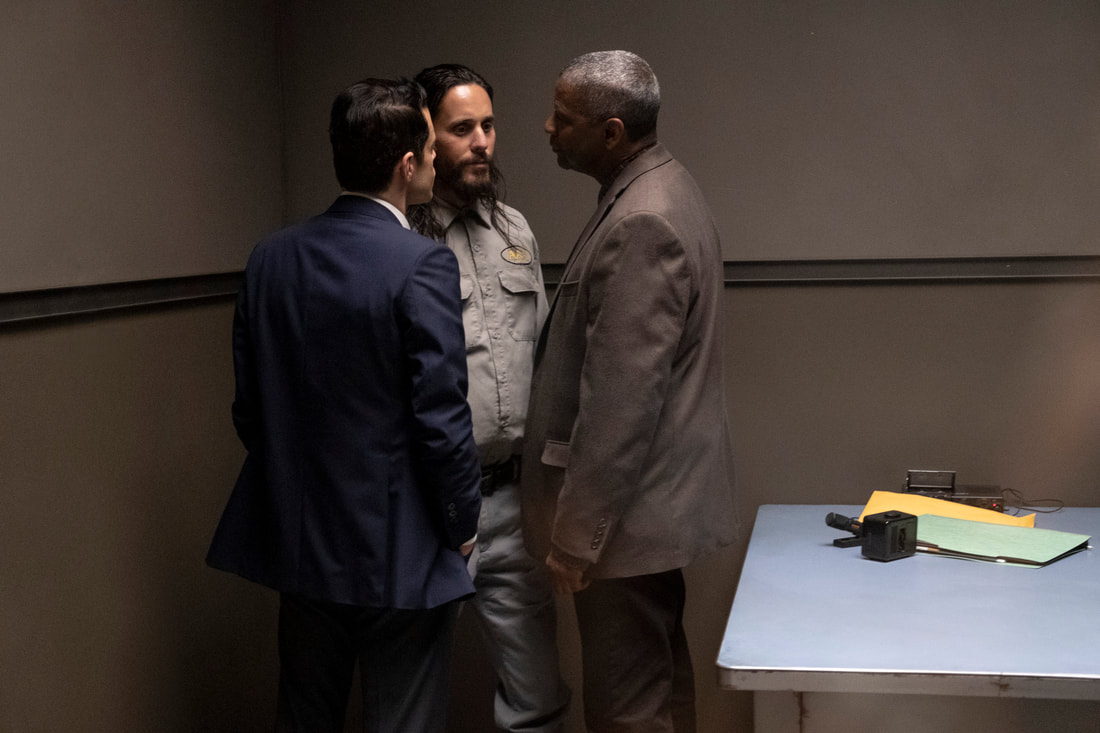 (L-r) RAMI MALEK as Jim Baxter, JARED LETO as Albert Sparma and DENZEL WASHINGTON as Joe “Deke” Deacon in Warner Bros. Pictures’ psychological thriller “THE LITTLE THINGS,” a Warner Bros. Pictures release. Photo Credit: Nicola Goode. Police dramas are like ice cream and apple pie: they are ingrained in American culture. Over the years there have been some great ones like Seven, Heat, and End of Watch, but there have been a lot of bad ones as well. It's hard to get all the little details right in a good police drama. The Little Things falls short of that. It's just not on par with the great police dramas of the past. Denzel Washington plays an aging police officer in upstate California. When his department chief asks him to go to Los Angeles, it brings up memories of an old case. While in L.A., he gets involved with a younger detective played by Rami Malek. They start investigating a string of murders together. It brings back old wounds for Washington's character, reminding him of a case he worked on a few years before. A good police drama has to make the viewer get engaged in the story and its characters, the mystery of the case, the struggle of solving the case, and the headache it causes the police officers or detectives trying to solve the case. It could be a missing person case or in the case of The Little Things, a murder case of a group of young prostitutes. The details are all in place for this film to be great. They just don't come together in the end. John Lee Hancock has directed many films ranging from The Blind Side to The Founder. He's written scripts for just as many. In the case of The Little Things, he does both. This is his first police drama. He's dabbled in biopics and sports films, but this is the first time he got to write and direct such a hard-hitting subject matter. He does a good job writing the two lead characters. They just aren't great. They serve the story well but don't break any new grounds as far as police characters go. 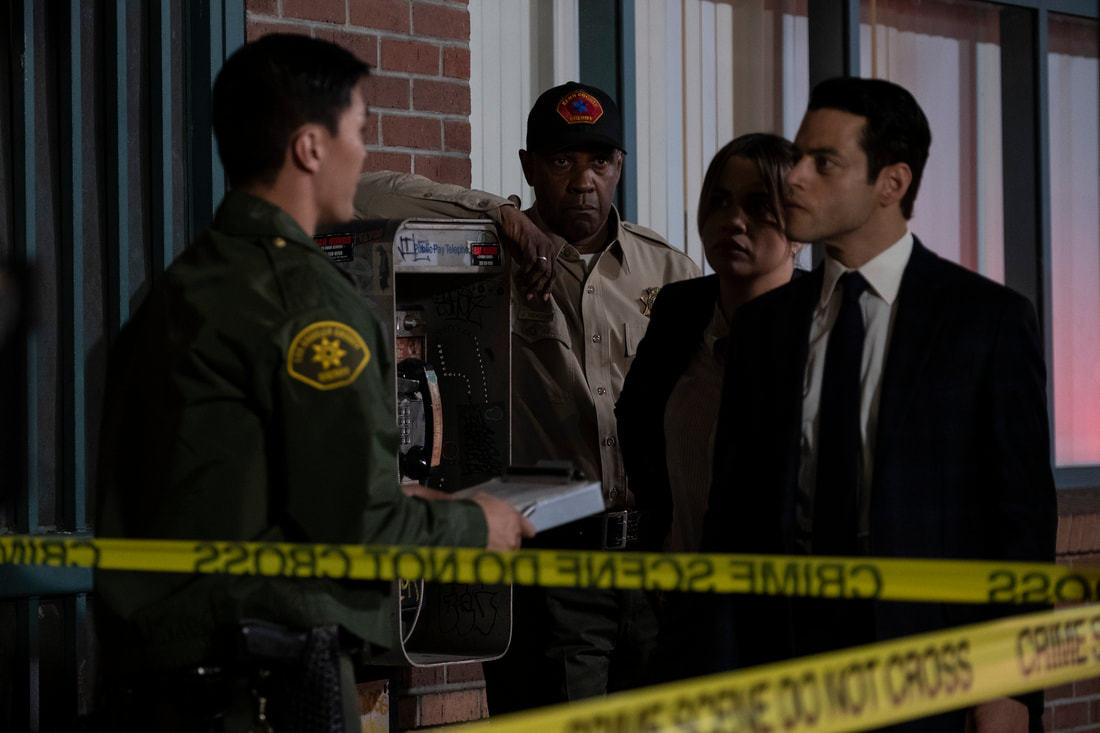 Caption: (L-r) DENZEL WASHINGTON as Joe “Deke” Deacon, NATALIE MORALES as Detective Jamie Estrada and RAMI MALEK as Jim Baxter in Warner Bros. Pictures’ psychological thriller “THE LITTLE THINGS,” a Warner Bros. Pictures release. Photo Credit: Nicola Goode. The Little Things has some great cinematography, though. The scenes of the city and the surrounding areas around L.A. were captured beautifully. It helped give a feel of authenticity to the story. California can be a beautiful place at times and definitely at night. There was a lot of driving scenes though. So the scenery was seen through the prism of the person driving the car or truck. Those worked fine. It was like California was a character in the film.
Washington has done many films in his career. It's hard to find him in types of roles he hasn't already done before. As he's gotten older, he's veered towards these aging characters with a mysterious past. He plays a similar character in The Little Things. Like some of his contemporaries, he fits perfectly in these kinds of roles. He's good at playing the tough but mysterious loner. This might be his lot in life from now on in his career. His role in this film isn't his best, but not his worst either. It just seems to come so naturally to play this kind of role. Police dramas are only as good as their villains and The Little Things lacks in that category. Jared Leto plays a mysterious appliance repairman. He seems to be the lead suspect in the case of the murdered girls. He has an odd walk and a subdued tone in his voice. This is to make him come off as odd. He just doesn't pull off the murderer vibe in the film. He just seems to be a weirdo in a general sense. Leto is far from his Academy Award-winning days with this character. The Little Things lacks, somewhat ironically, those "little things" that make a good police drama work. The relationship between the two leads seems to be a little off and Leto is just off from his usual more flamboyant roles. This film has a good tone, feel and look to it. The story is okay, not great, but it doesn't break any new ground on police dramas. It just treads what has already been done before. The Little Things hits theaters and HBO Max on January 29. Rating: 3/5
Review by Sean Boelman
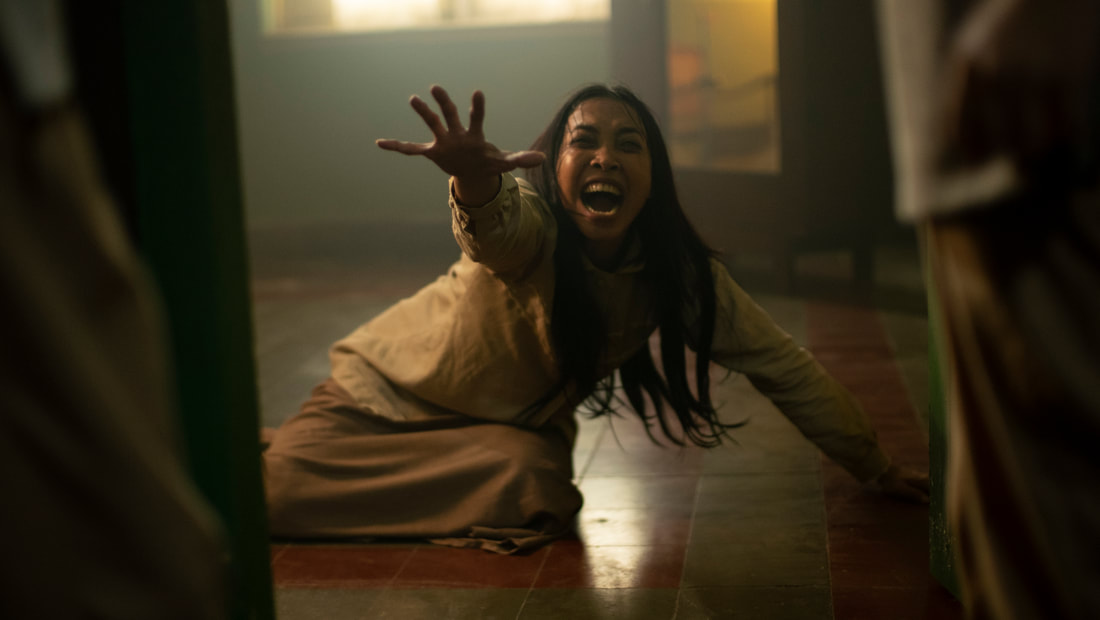
Indonesian horror really is something else, especially when compared with the sensibilities typically associated with the American form of the genre. The Queen of Black Magic is a legitimately and surprisingly disturbing film made so effective by the unorthodox way in which it earns its scares.
The movie follows a group of people reuniting to pay their respects to the man who ran the orphanage in which they were raised as their homecoming is cut short when a series of horrifying supernatural occurrences begin to plague them. It’s a simple setup, but writer Joko Anwar knows how to create an effectively spine-tingling situation. Part of what makes this film feel so different from most horror movies is that it is absolutely relentless. American horror largely deals in the tension between the scary moments, but Anwar’s script hits the ground running and never lets up. The ending is perhaps a bit too much too quickly, but the rest of the film is adequately terrifying. As is the case with much of the genre, the message here is definitely very obvious. In the final act, the villain basically has a monologue spelling out the moral of the story, and while it is undeniably well-intentioned, the attempts to tie this age-old fable to the modern day don’t always succeed. 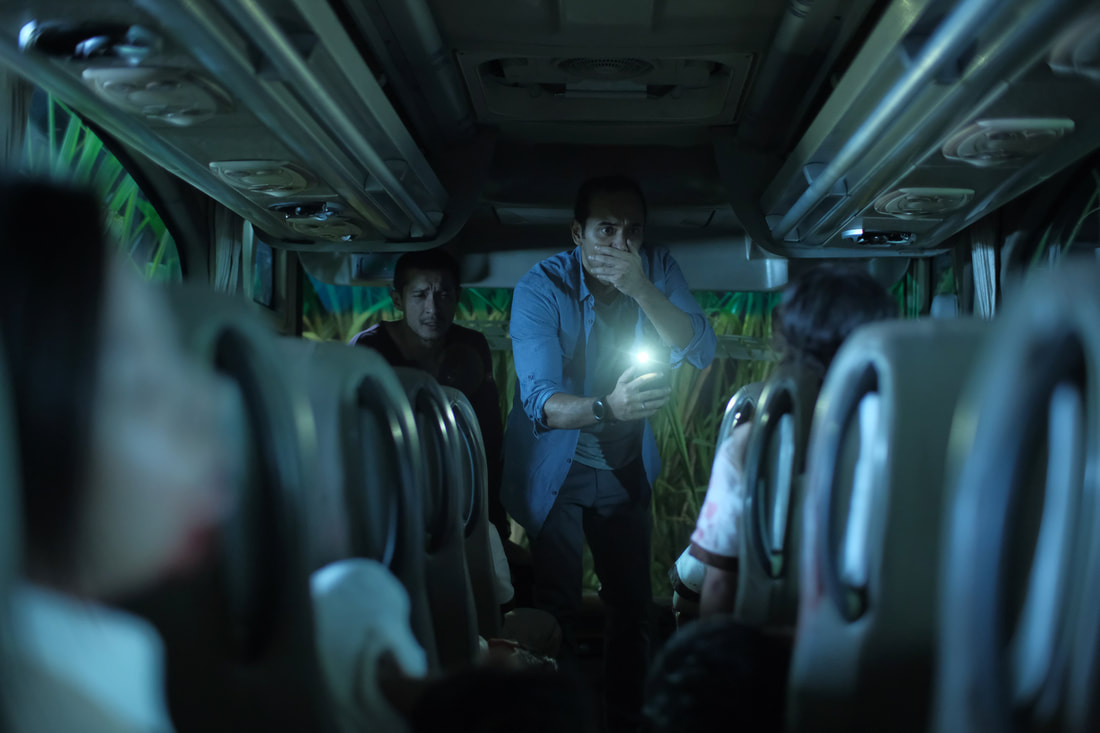
Perhaps the biggest issue with this movie is that, at a certain point, the characters begin to become indistinguishable from each other. The cast does a great job of freaking out and acting scared out of their minds, but they aren’t given much to work with in an emotional sense. The roles often feel like shallow caricatures.
The thing that is missing from the script is more of an investment in the family dynamic between the characters. A majority of the best moments of the film take place at points throughout the movie in which the characters are split apart, but there definitely could have spared to be some more memorable parts with the characters all together. On a technical level, the film is definitely very impressive. Apart from a few shots in the final act that are dependent on less than stellar CGI, the visuals are very good. The use of gore in the movie is definitely very liberal in certain scenes, but it doesn’t ever feel like it is excessive or unnecessary. The Queen of Black Magic is a legitimately scary and disturbing horror movie, something it feels like doesn’t come nearly enough these days. Genre fans will definitely be excited to see the gnarliness of what goes down. The Queen of Black Magic is now streaming on Shudder. Rating: 3.5/5
Review by Sean Boelman
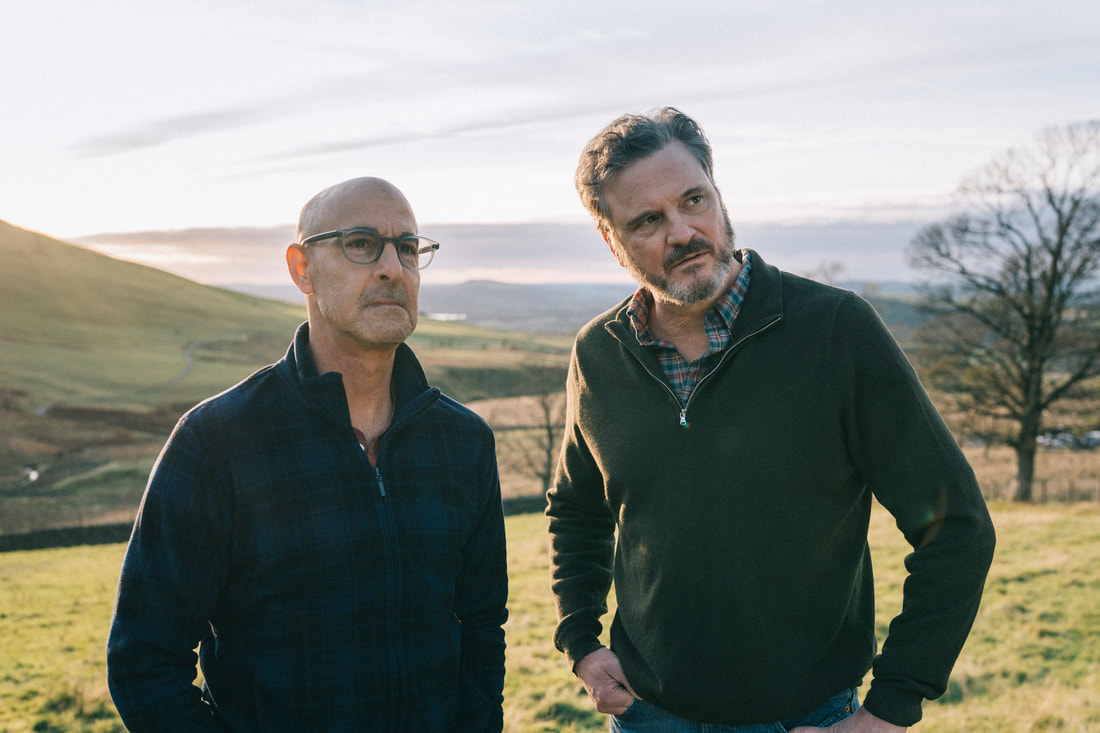
Colin Firth (left) and Stanley Tucci (right) star in SUPERNOVA, written and directed by Harry Macqueen. Credit: Bleecker Street.
Harry Macqueen’s romantic drama Supernova may not be the most original in terms of story, but it does its job in terms of maximizing its emotional effect. Subtly gorgeous and featuring two of the finest performances of the year, this is a soul-crushing yet empathetic story in all the best ways.
The film follows two partners going on a cross-country road trip to relive their past since one of them has been diagnosed with dementia and their condition is deteriorating rapidly. And though it starts out as a road movie, by the end, it becomes a profound and expectedly moving character drama. Unlike a majority of prestige dramas, the movie clocks in at a little over ninety minutes, so there isn’t a whole lot of room to be wasted. Although the ending is a bit abrupt, the pacing of the rest of the film is quite effective. The first two-thirds are relatively buoyant, only for the final thirty minutes to pack a huge wallop. There are definitely quite a few layers to this movie. The first, and most obvious, explores what it means to lose oneself. However, another emotional layer is added through its commentary on love, and yet another is introduced towards the end, which is the thing that pushes it from being sad to being outright devastating. 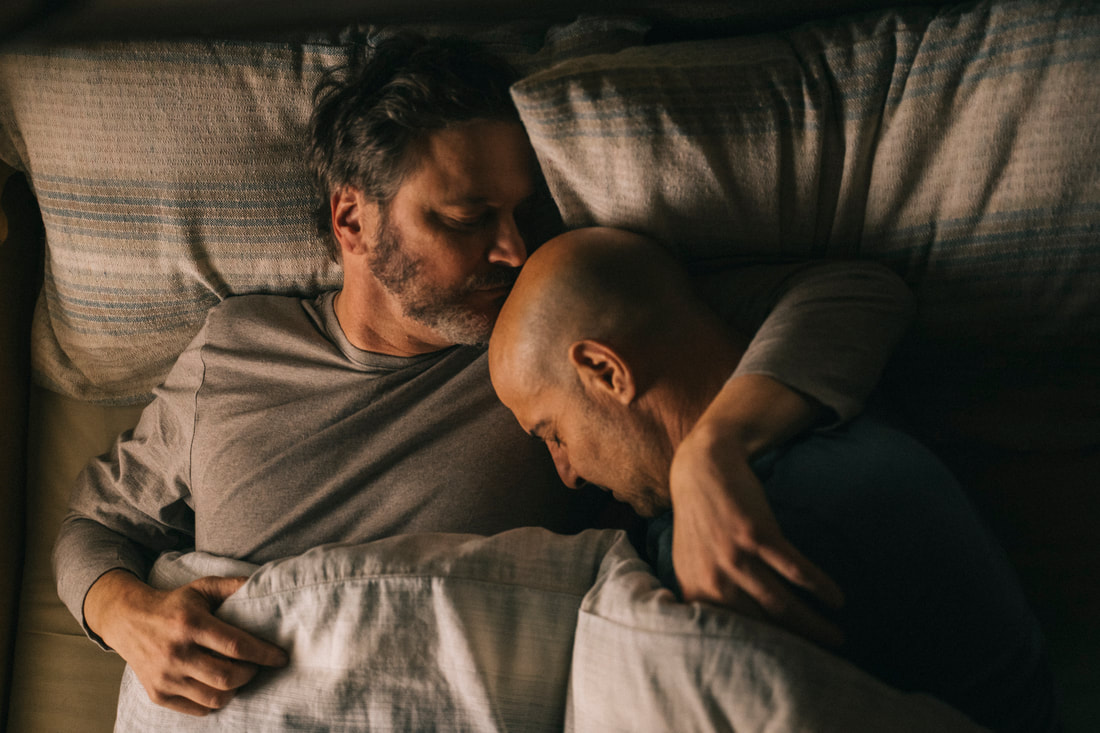
Colin Firth (left) and Stanley Tucci (right) star in SUPERNOVA, written and directed by Harry Macqueen. Credit: Bleecker Stree
Perhaps the strongest thing about Macqueen’s script is that it does a great job of establishing the dynamic between the characters. It’s really refreshing to see a movie about an LGBTQ romance that isn’t about self-loathing or homophobia. It’s about as lovely a depiction of love as they come.
Colin Firth and Stanley Tucci both give exceptional and humanistic performances. Tucci particularly stands out thanks to the very subdued way in which he portrays his character’s deterioration and disillusionment with the world. That said, the chemistry between the two is brilliant and goes a long way in selling the romantic aspect. Visually, the film is pretty amazing. For the most part, it’s a quiet movie, but the low-key cinematography gives it a restrained beauty. As the title suggests, there is a celestial angle to the film, and the stargazing shots are absolutely wonderful. It could have worked being more simple, but it’s even better in this beautiful, poetic form. Even though Supernova may not be a groundbreaking movie, it’s mind-blowing in the level of empathy with which it treats its characters and story. Even though it’s probably a bit too low-key to make much of a splash, it’s better than a lot of the movies getting awards buzz right now. Supernova hits theaters on January 29 and VOD on February 16. Rating: 4.5/5
Review by Camden Ferrell
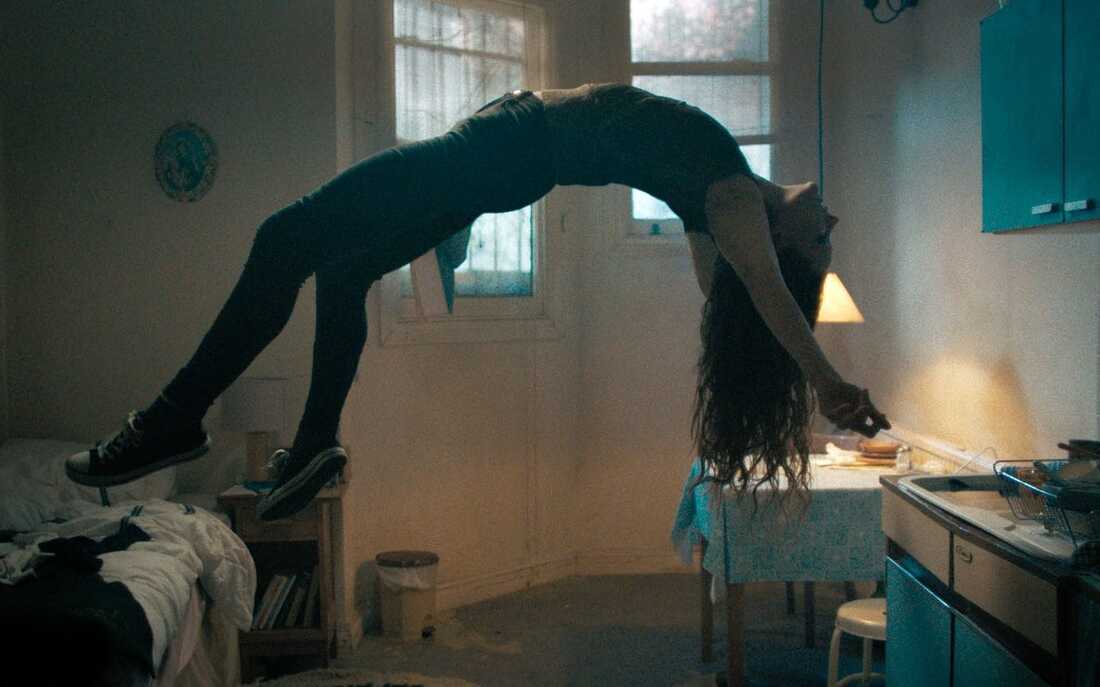
Saint Maud is a horror film that had its debut at the 2019 Toronto International Film Festival. After some delay due to the current state of the world, this movie will be the first release from A24 of the new year. This movie is also the feature film debut of writer/director Rose Glass. While this movie is undoubtedly well-made, it suffers from a sluggish pace and a rather uneventful story.
After failing to save the life of one of her patients, one woman becomes a devout convert of Catholicism and begins to call herself Maud. She is assigned to care for Amanda, a terminally ill former dancer. Maud becomes obsessed with her patient as she believes it is her duty to save the soul of her atheist patient. This is an intriguing premise that has the potential for suspense, horror, and a deep exploration on its themes of religion. Unfortunately, it is apparent very soon that this movie isn’t concerned too much with living up to its aforementioned potential. It is an extremely slow burn that doesn’t satiate the viewers need for suspense or fear, and it doesn’t truly come to head until its anticlimactic finale. While slow burns can be effective, it seems that this movie misused it, and it caused its few shocking moments to fall flat. The lead performance from Morfydd Clark and the supporting performance from Jennifer Ehle are fairly decent. They don’t do much to surpass expectations, but they seem to make the most of its less than stellar execution and script. Both actresses excel most in the film’s final act, and they both seem like the have potential to become future staples of the genre. 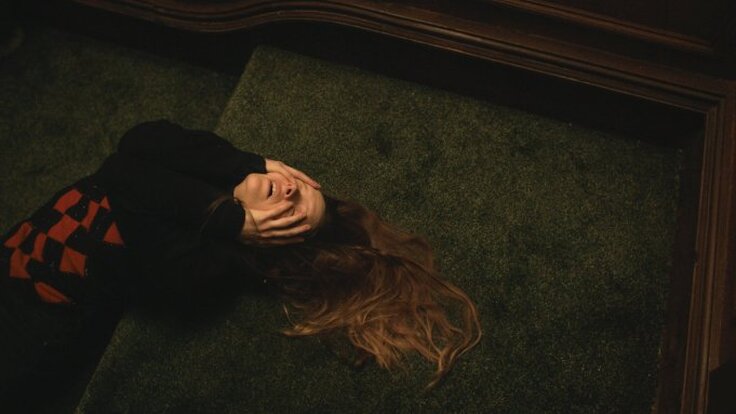
This movie does explore religion in a thematic way through its enigmatic protagonist, but it feels shallow more than anything. Religion is such a broad and complex topic and while the film’s final message is clear, it feels underwhelming in the way they didn’t dive deeper into the subject matter. Regardless, this is a movie that doesn’t utilize the same religious tropes found in horror, so it at least managed to find some originality in that manner.
It’s hard to deny that this movie is fairly well-made despite its lethargic execution. The atmosphere and environment are both fine-tuned, and they serve as a perfect backdrop for a movie such as this one. The cinematography by Ben Fordesman is pretty encapsulating as well. Even though it’s not narratively engaging, there are some great shots and sequences throughout that work due to his camera work. Running under ninety minutes, this is a movie that feels much longer than it actually is. It could have benefit from a longer runtime and a much faster pace. It’s rather unfulfilling by the end, and it seems like more could have been said and done about its main character and her beliefs. Regardless, this still shows some signs of promise for a blossoming career from Glass, who does undoubtably have a strong creative vision that I’m curious to see more of in the future. Saint Maud isn’t as exhilarating or thought-provoking as A24’s other horror entries, but there are still some commendable elements. Die hard fans of psychological horror may enjoy this experience, but it will most likely fall flat for any casual viewer. Saint Maud will be in select theaters January 29 and on Epix February 12. Rating: 3/5 |