
|
Review by Sean Boelman
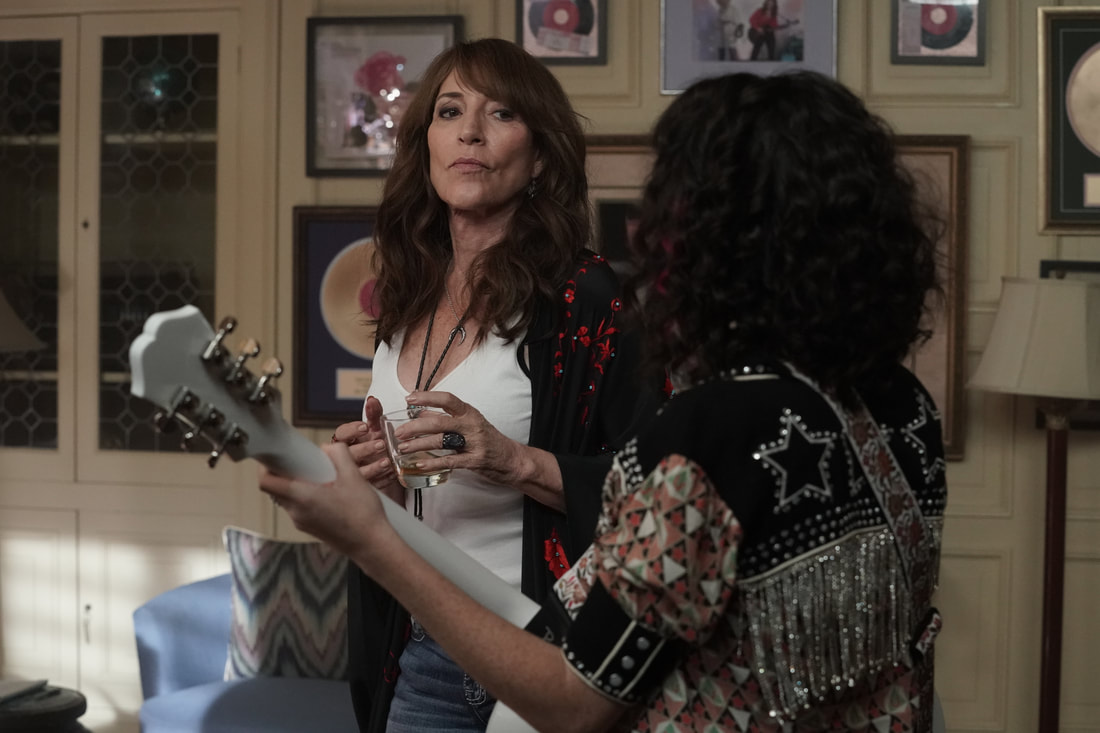
Photographer: Alyssa Moran.
Actress-turned-filmmaker Brea Grant has established herself as an up-and-coming voice in the horror genre, and her newest movie Torn Hearts, is her would-be breakout from niche territory. A Blumhouse-produced horror flick set in the world of country music, there are some interesting things going on here, but Grant can’t make much out of a lackluster script.
The film follows a country music duo who seek out their idol by tracking down her residence, only to learn the hard way that sometimes you shouldn’t meet your heroes. It’s a premise that shows a lot of potential, but unfortunately, it lacks the narrative momentum to compensate for its many flaws. Like so many horror movies these days, this suffers from pretty substantial pacing issues. The first hour offers a slow build to a final act that is entirely overwhelming. A few truly wild moments deliver on the promise that the movie makes for gory, campy fun, but for the most part, it’s rather dull and hard to get into. The film explores the same themes of fame being a corrupting force that literally every showbiz movie has done in the past fifty years. Granted, it does so in a tongue-in-cheek, almost devilish manner, but this isn’t the type of cautionary tale that is necessary because it has been done so many times before. 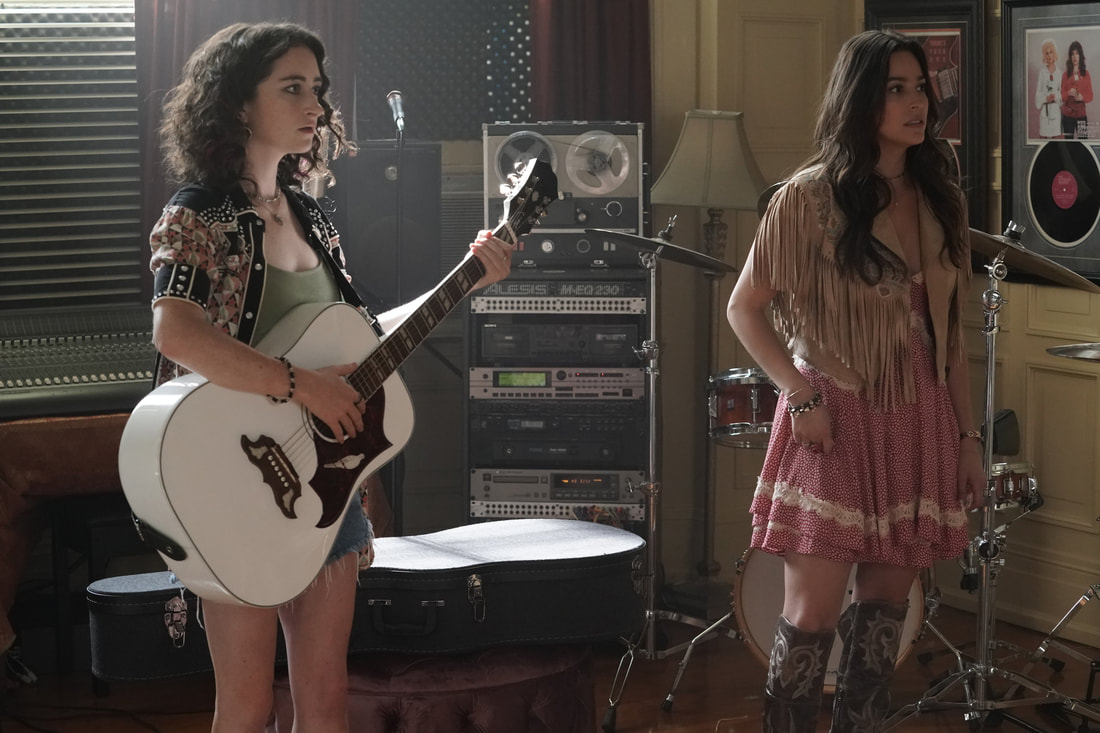
Photographer: Alyssa Moran.
One of the things that keeps the movie from working as well as it should is that the dynamic between the three central characters is off. It’s clear that something is meant to feel askew, but not to the point of feeling unrealistic, which is what ends up happening. And as a result, the motivations in the film are weak and ineffective.
Perhaps part of the issue is that it often feels like the actresses are all trying to compete against each other. Katey Segal goes big, and is the only one of the trio that works. She’s earned the right to play the larger-than-life country music diva. Abby Quinn and Alexxis Lemire play the main characters and don’t particularly shine. The technical elements of the movie definitely leave something to be desired. The film has a mansion for its setting and it makes nothing of it. There are some gory moments, but they come mostly in the back half of the movie, and by that point, they aren’t effective enough to make much of a lingering impact. Torn Hearts has an intriguing premise but it doesn’t live up to it by any means. Brea Grant is certainly an interesting filmmaker even if her films don’t seem to be as thoroughly developed as they should be. Torn Hearts hits VOD on May 20. Rating: 2/5
0 Comments
Review by Dan Skip Allen 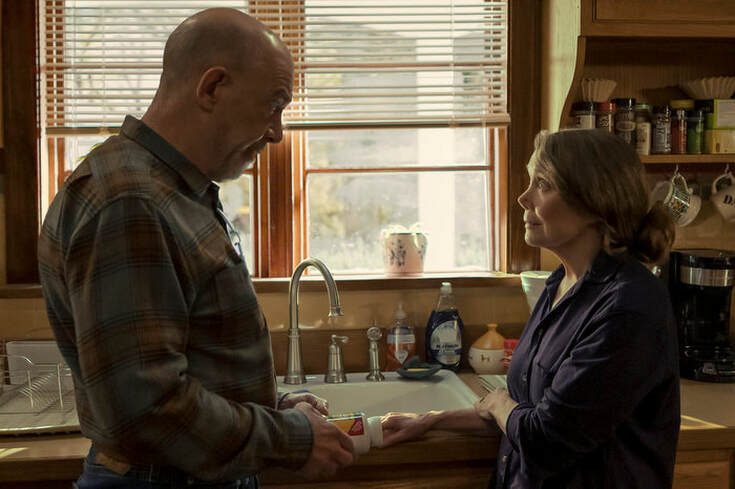 Photo Credit: Chuck Hodes Sci-fi shows have been popping up on a lot of streaming services and cable outlets. Prime Video has just dropped a sci-fi western Outer Range. Netflix has released too many to mention here. Prime is up again with Night Sky. It's better than Outer Range, but not by much. These sci-fi shows' creators have great ideas, but they have difficulty executing their master plan. J.K. Simmons and Sissy Spacek play an elderly couple who, at first glance, seem happy and content with their lives in rural Illinois... until they decide to take a look at the stars. They have a secret they haven't told anyone about. A secret bunker in their shed takes them to a room where they can look out at the stars and a planet from what looks like another planet. It's a portal to a far-off world in the stars. This show has some other things going on with it that are hard to describe involving Argentina and a secret society of people sworn to protect and hide various other portals around the globe. The story has some fascinating plot points. The characters throughout the series are interesting to follow along with, but some of their storylines are wasted. A lost drifter with amnesia in the show had some potential. 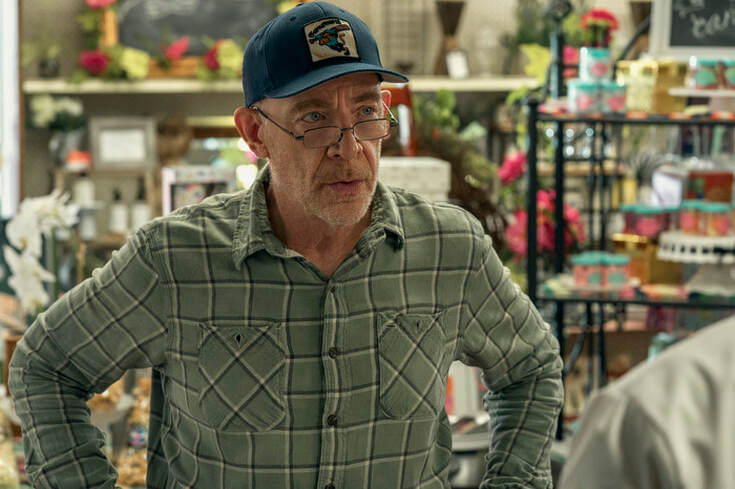 Photo Credit: Chuck Hodes The writer, Holden Miller, weaved in some interesting ideas into this series, but none of them took off. The series looks very good as well. The series is frequently shot at night, but the lighting and cinematography still make the show look good. The show also has a nice score to listen to. Dramatic beats and melancholy notes follow each other very swiftly. The technical aspects of the series are very good indeed.
Any good series or show is only as good as its leading actors. This one has two of the best in Academy Award Winners, J.K. Simmons (Whiplash) and Sissy Spacek (Coal Miner's Daughter). They are very good opposite each other. They play off each other nicely like a couple married for decades. They have quoibles and idiosyncratic behavior that only they can stand and know about, making them an ideal duo. I enjoyed them in these roles. Night Sky has a solid premise with some fascinating ideas that don't land fully on its feet. It has characters with story beats that go nowhere and other characters that are inexplicably useless in the overall context of the series. The series looks and sounds very good from a technical standpoint. The showrunner and writer do an admirable job trying to make this show engaging and exciting, but it falls short of greatness. Night Sky streams on Prime Video beginning May 20. Rating: 3.5/5 Review by Paris Jade 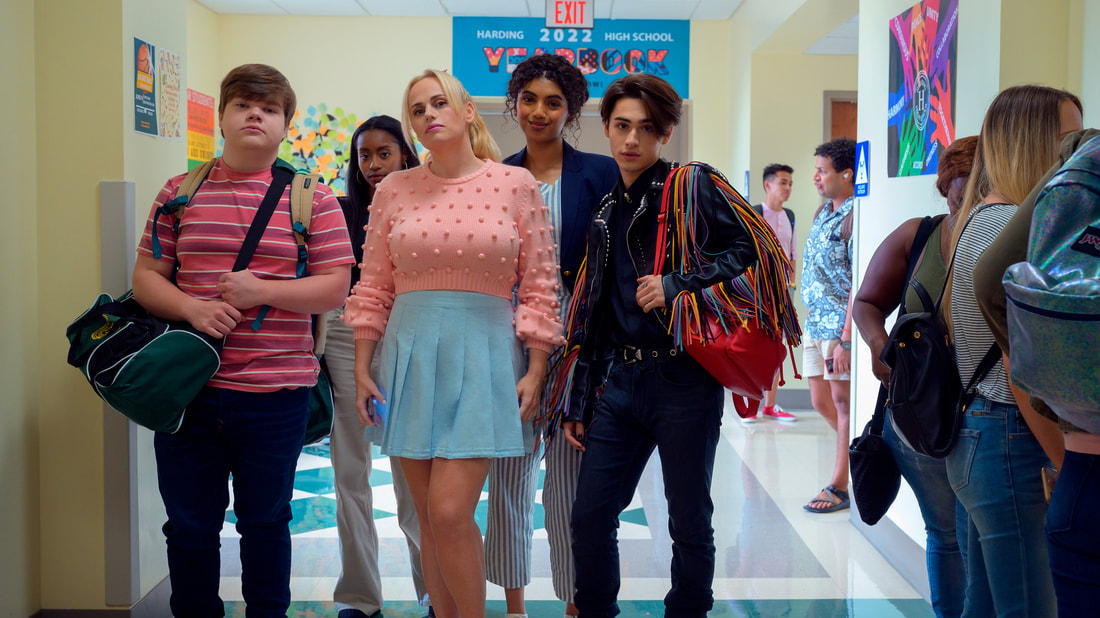 The best explanation for the film Senior Year is an R-rated version of 17 Again featuring Rebel Wilson. However, it's barely R-rated and probably could have been toned down to a PG-13 rating by dropping fewer F-bombs. During her senior year, Stephanie Conway (Rebel Wilson) is on top. She's cheer captain, on her way to prom queen, and one of the most popular girls in school with the top jock on her arm. However, during an accident while cheering, Conway ends up in a coma, having her wake up 20 years later. Now she must navigate her way into this new environment and finish her senior year of high school while trying to bring back her popular status and get her life on track. This is a very cliché film filled with a popularity-driven main character. There's nothing particularly special about this film other than the fact that Wilson is the main protagonist. She should stick to being a supporting character rather than the front lines. However, the supporting cast in this film was greatly appreciated and made Wilson a better performer. The plot itself was nothing different from other films similar to this one. Still, the culture shock that Wilson's character goes through in the movie is appreciated. From 2002 to 2022, she had a lot of catching up to do, and they pulled it off well. The antagonist, her high school enemy, brought great flavor to the mix and made the whole ordeal for the race to prom queen a bit more exciting. 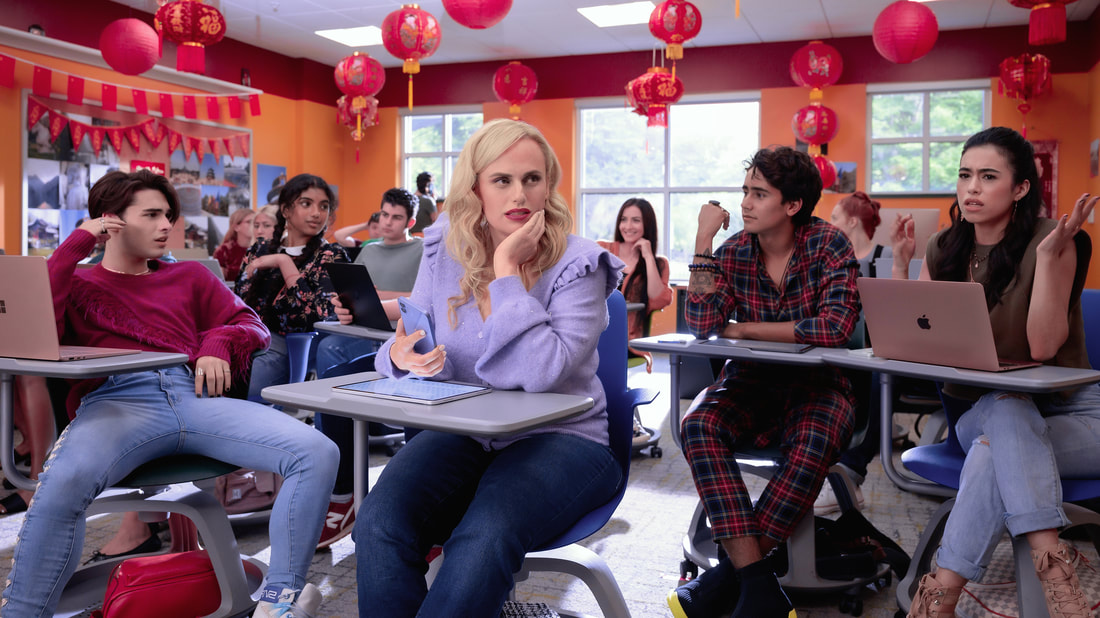 Other than those factors, everything else is something you've most definitely seen in some other film where a teen is stuck in an adult's body. The only difference is that it's her own body, and she's just mentally stayed 17 due to her coma. The supporting cast is honestly the best part of this film, they all seem to have great chemistry, and each of them is thoroughly entertaining. Rebel Wilson also seemed to fit in well with the younger cast and played her role just fine. Yet seeing her as the main character is just something people aren't quite used to. Who knows, with future projects, she might prove that she can be better at starring roles than supporting.
Whoever researched how Gen Z operates positively did it by spending endless hours on social media. You can tell this isn't written by someone who actually knows Gen Z humor and just assumes that this is what it is. So if this film is targeting that audience, it might not be the best choice. This isn't something worth rewatching, but if you are really bored and are looking for a random cliché movie that's R-rated but doesn't need to be, you've come to the right place. If you want to see a good film with an entertaining plot all the way through, maybe save Senior Year for another day. Senior Year is available on Netflix now. Rating: 2/5
Review by Sean Boelman

Sometimes, a filmmaker takes a long time between their efforts, but more often than not, it’s worth the wait. It’s been over a decade since Michelangelo Frammartino’s last critically-acclaimed feature, Le Quattro Volte, and his newest movie, Il Buco, does not disappoint.
The film tells the story of a group of spelunkers who explore one of the deepest caves in the world while on an expedition in the south of Italy. While this may seem like a concept destined to make a thriller a la The Abyss or even an Indiana Jones-style adventure, Frammartino opts to do something much more restrained. There isn’t much dialogue in the movie, and when there is dialogue, you can’t expect it to be particularly obvious or revealing. This is a film about mood and emotion, with a narrative created almost exclusively through the juxtaposition of its images. It’s a style that is certain to lose some people’s attention, but others will vibe with its restrained poeticism. The themes of the movie are hard to pinpoint at first, and if you are looking for Frammartino to be making anything resembling a clear statement, you are certainly looking in the wrong place. However, there are some interesting threads here about the unknown and how small we are as individuals in the big picture of things. 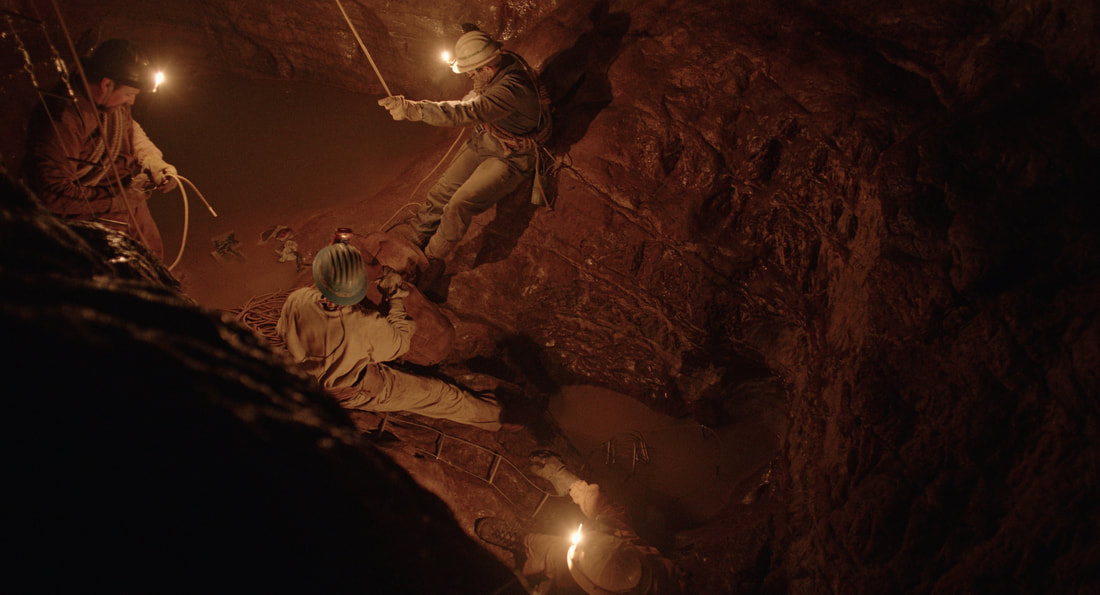
Because of the largely dialogue-free nature of the film, there admittedly isn’t a whole lot of character development for any one person. Indeed, the characters are all billed as “Speleologist” or “Shepherd”, except for one who is a “Speleologist and drawer.” It’s far more about the collective experience of exploration than any one person.
In a similar way, none of the actors really shine in the movie, but they all do a solid job. Frammartino used nonprofessional actors — opting to compose the cast of real-life speleologists — and it works all the better for it. Not only does it give it an added sense of realism, they also do an exceptional job of communicating the power of this world through their mannerisms. Of course, the film is just as gorgeous as one would expect. The movie is full of long shots of the eponymous cave, and it would be hard not to be in awe of the beauty of one of the deepest parts of our world. Renato Berta’s cinematography is fantastic and will undoubtedly go down as some of the year’s best. Il Buco certainly isn’t going to be for everyone with its slow pacing and general lack of narrative, but those who are willing to let it almost roll over your body and experience it in a profound way will be quietly impressed. This is the type of movie that seems small at first, but is really much bigger when you look at it differently. Il Buco is now playing in theaters. Rating: 4/5 Review by Camden Ferrell 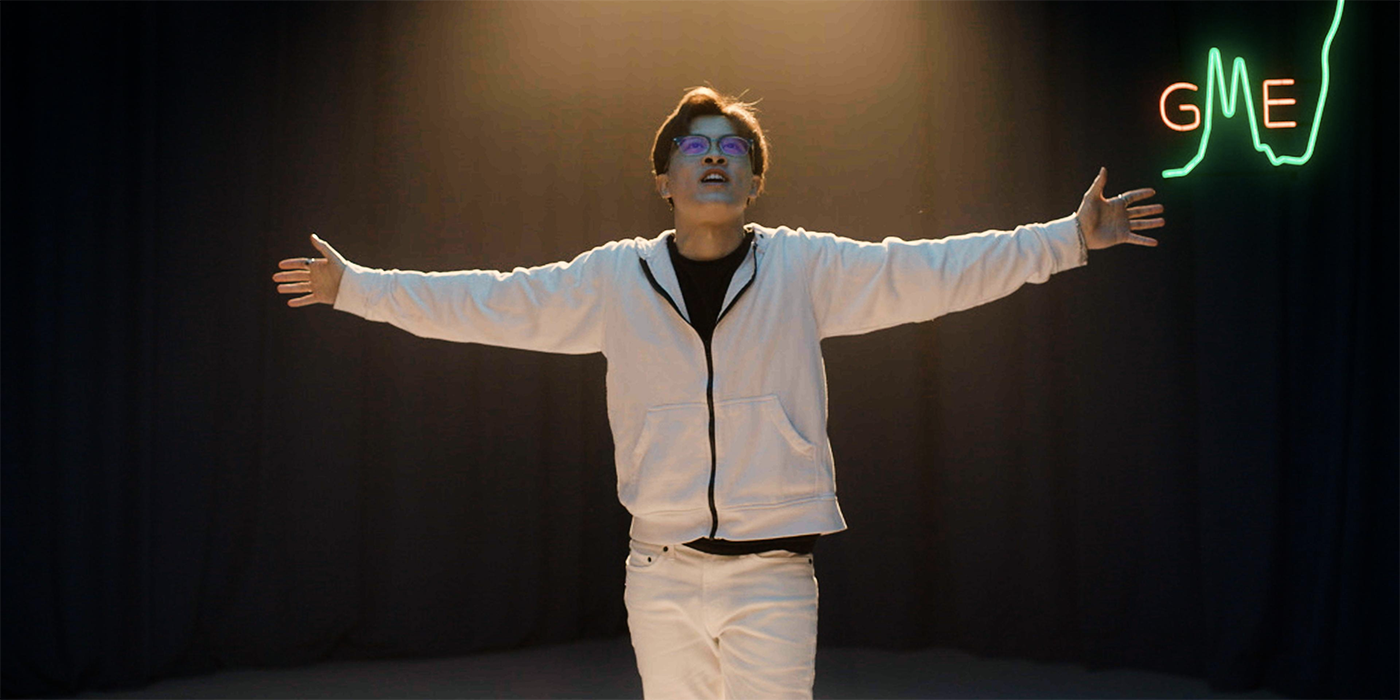 The last few years have been eventful to say the least for Wall Street. One such eventful occurrence was what occurred with the company GameStop that made global news and shocked Wall Street. Diamond Hands: The Legend of WallStreetBets is a new documentary about this very event, and it had its premiere earlier this year at the SXSW Film Festival. This documentary is mostly entertaining even if it does succumb to its inherent internet cringe humor at times. In January of 2021, a short squeeze of GameStop’s stock among others occurred. Without getting into the particulars, this event had significant financial consequences for Wall Street, specifically for hedge funds that were short selling these stocks. The strangest part about this is the short squeeze was organized by a group of people on r/WallStreetBets on Reddit. This is an event that everyone heard about in one way or another when it happened, and it’s a really interesting story that could make for a really entertaining movie. While many people are familiar with the specifics of this event, the movie does a great job of trying to explain the nuances of the markets in this movie. They don’t spoon feed you information to the point of boredom, but it ensures that audiences with all levels of familiarity with the jargon will be able to follow. Much like the movie The Big Short, this documentary understands that making the movie accessible to as many people as possible is paramount to success. 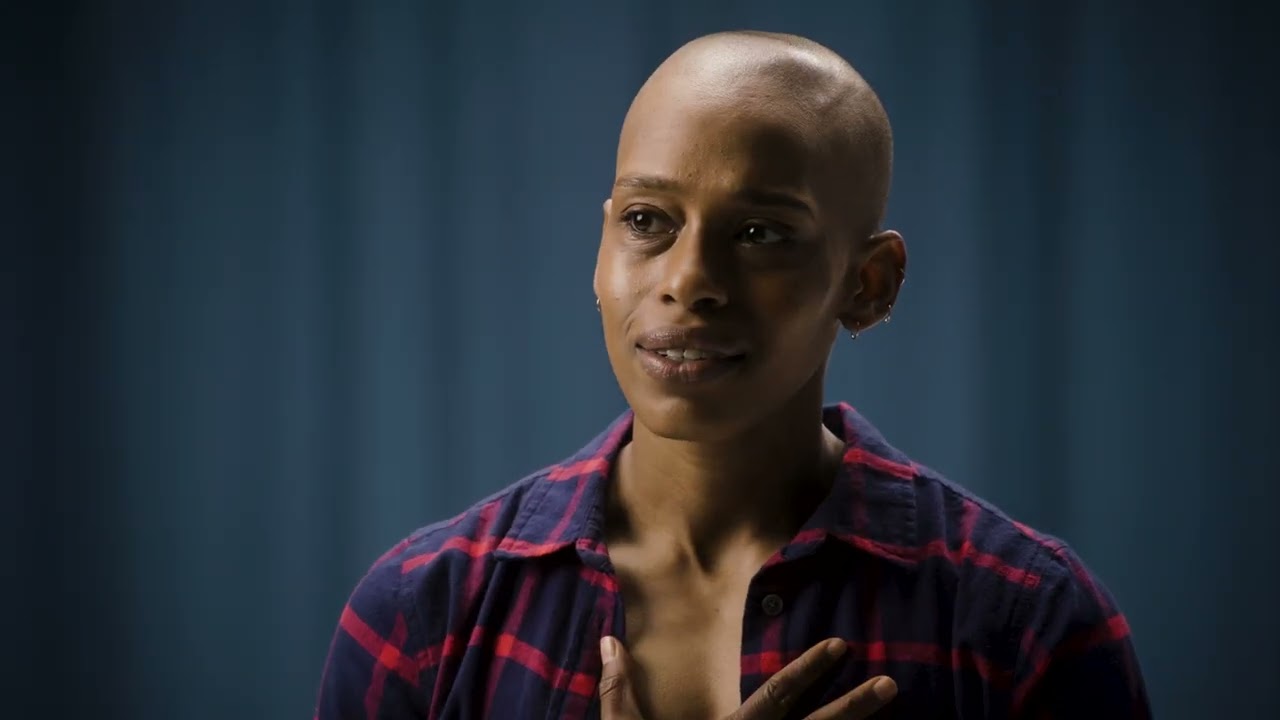 The movie includes many people who participated in the short squeeze, and they’re decent for the most part. They’re not boring individuals, and their insight into their decisions and history with WallStreetBets is enjoyable, but there’s also a lot of inside jokes that doesn’t translate particularly well when described. Being part of that community and the short squeeze, the humor works within that community, but it becomes quite cringe outside of that context, and this ultimately undermines the film.
Another thing the movie seems to lack is the deeper sentiment of those on WallStreetBets. It touches briefly on the subtle pent up generational rage that motivated some people in this middle finger to hedge funds, but it feels underdeveloped. In my experience with the community, there was a lot of ire that culminated in the short squeeze that the movie fails to capture in a profound way. This was a big part of the short squeeze, and the movie rarely goes beyond explaining it at a superficial level. Diamond Hands: The Legend of WallStreetBets is entertaining and adequately explains the financial concepts and context behind the short squeeze of GameStop and its consequences. It is accessible for a wide variety of audiences, and it may be quite educational for those unfamiliar with the events. However, some might be let down by how it doesn’t dive deep into the sentiments and motivations of the WallStreetBets community as a whole. Diamond Hands: The Legend of WallStreetBets will premiere on MSNBC May 15 and will be streaming on Peacock May 16. Rating: 3.5/5 Review by Tatiana Miranda 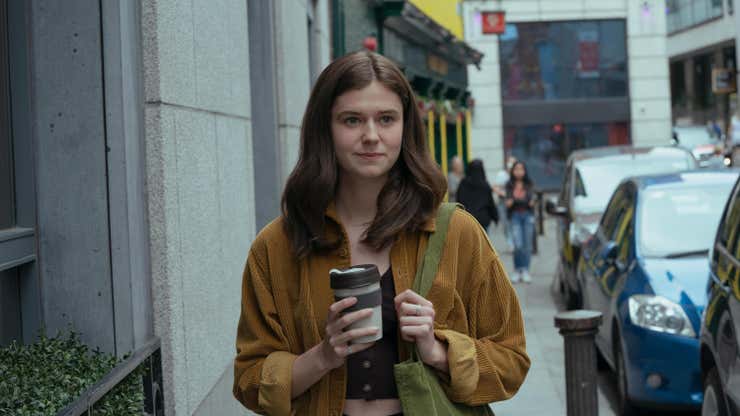 Book-to-show adaptations typically have the unfortunate standard to both be true to the original as well as create something unique in regard to television. This is the case with the new Hulu series Conversations with Friends, which is based on a book of the same name by Sally Rooney, author of another book adapted by Hulu, Normal People. Both shows are directed by Lenny Abrahamson and written by Alice Birch, so stylistic similarities between them are bound to appear. Rooney’s classic miscommunication trope and pensive characters are key aspects of the series, both are qualities that made Normal People so special but are the cause of several flaws in Conversations with Friends. Conversation with Friends follows Frances, a student in Dublin and spoken word poet, and her best friend and ex-lover Bobbi as they grow close to older married couple Melissa and Nick. Friendships and romantic affairs explore what it means to love someone and what it’s like to be in a variety of relationships. Ultimately though, it is a very awkward love story between Nick and Frances, similarly to that of Normal People’s Connor and Marianne. Yet, whereas the awkward relationship in Normal People is still attractive in its own way, Frances and Nick never reach the point where awkward turns into admirable. The series’s fast pacing to get to the start of their relationship leaves hardly any time for interactions between the two and gives them little to no chemistry as they have their first kiss. 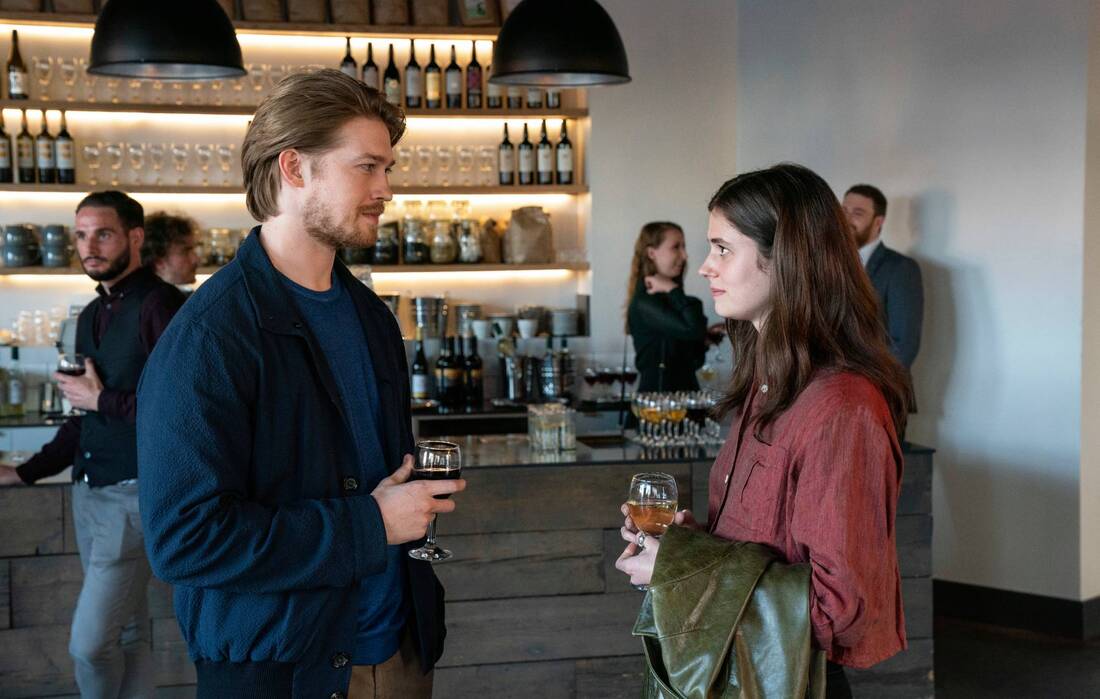 While lack of communication is still apparent in the book, the series takes it to an extreme, opting for quiet, mundane scenes of character study instead of interactions between characters that allude to inner emotions. Nick and Frances’s quietness makes them ultimately uninteresting characters compared to their counterparts Bobbi and Melissa. This is especially ironic as Bobbi points out later in the series that she is not any more interesting than Frances. As the main character, Frances is not what one would normally expect, as she is extremely passive and mundane. In the book that is what makes her so interesting, as her inner thoughts counter her outward actions, but the show adaption lacks an exploration of this duality, although one can be glad that it doesn’t utilize a voiceover as other book adaptions often do.
The exploration of Frances, Bobbi, Nick, and Melissa’s communal relationship is a very interesting one that differs from the monogamous relationships that perpetrate much of literature and television, yet, it is hindered by the poor pacing of the show. Beautifully done intimate sex scenes and philosophical interactions between friends mix with poor bouts of dialogue between lovers and repetitive moments of very silent introspection that drag on unnecessarily. While Normal People’s leisurely pacing is one of its highlights, in Conversations with Friends it drags on and becomes repetitive and uninteresting, much like the series’s characters. Conversations with Friends takes on a lofty challenge to match the hype of Normal People as well as adhere to the source material, and its achievement in matching both book and series predecessor is what ultimately makes it a flawed show, as Conversations with Friends and Normal People are inherently different structurally. Whereas Normal People features two main characters that the series can focus on and utilize to balance out stylistic pensive moments, Conversations with Friends is centered on Frances, leaving its pensive moments one-sided and therefore repetitive. Conversations with Friends begins streaming on Hulu on May 15th. All twelve episodes reviewed. Rating: 2/5 Review by Dan Skip Allen 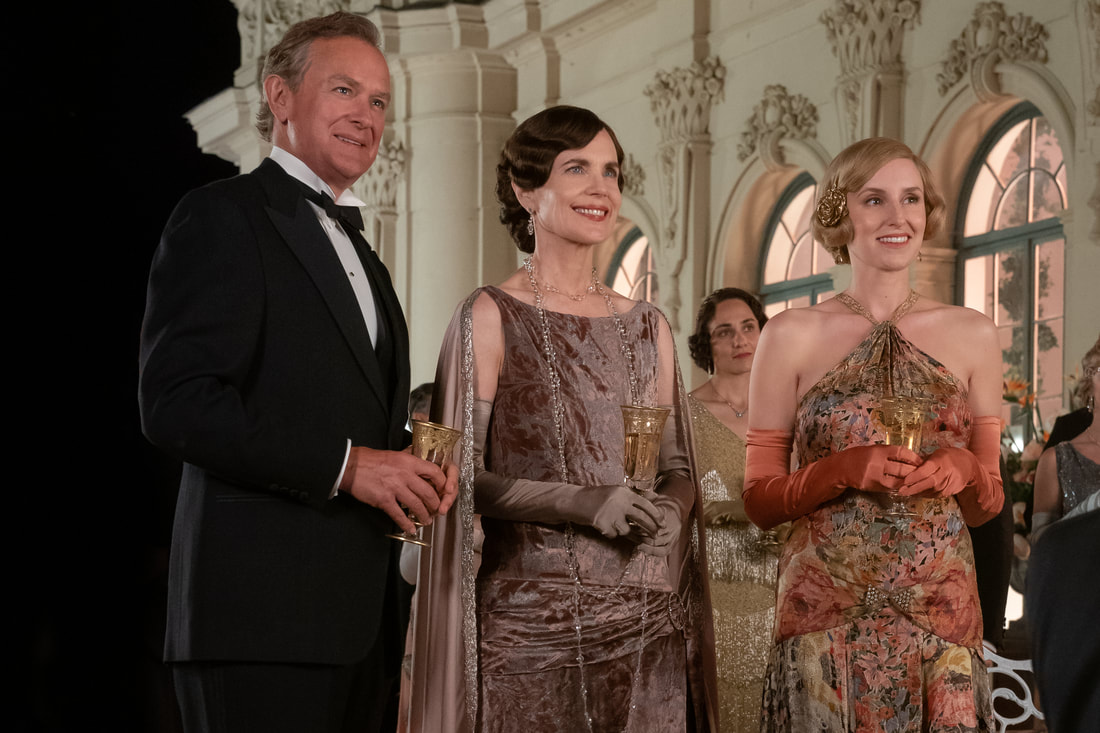 (l to r) Hugh Bonneville and Elizabeth McGovern star as Robert and Cora Grantham and Laura Carmichael as Lady Edith Hexham in DOWNTON ABBEY: A New Era, a Focus Features release. Julian Fellowes has a knack for making English aristocrats and their servants compelling, dramatic, and interesting. Gosford Park was his first foray into this world. Later he created the smash hit show for PBS, Downton Abbey, which had six seasons of the Crawley family and their servants. That show spawned a film in 2019 based on the exploits of this same family. Fans couldn't get enough of this upper-class family and their downstairs employees because a new Downton Abbey film is coming to cinemas, and it's a new era for the Crawley family. When we pick up the Crawley family in Downton Abbey: A New Era, they are struggling to transition into the 1930s. When a lawyer shows up with a reading of a will, he lets them know the Dowager (Maggie Smith) of the family has inherited a villa in the south of France. Almost simultaneously, a letter comes from British Lion, a film company, asking them if they could use Downton as the location for their new film. As you can imagine, these new flashes throw Downton into turmoil. Some are happier than others about all of this news, though. Onboard for this installment of Downton Abbey is Simon Curtis. He's no stranger to serialized television shows, having worked on Cranford and David Copperfield. He also has directed his fair share of films, so he's the perfect director to tackle this upstairs-downstairs world that fellows have created. He does a great job directing the serious moments as well as the more comedic moments. This film has a balance of both that will make the viewers watching laugh and cry. His leadership direction of this world is impeccable, and it shows why he was chosen to direct this second installment in the franchise. 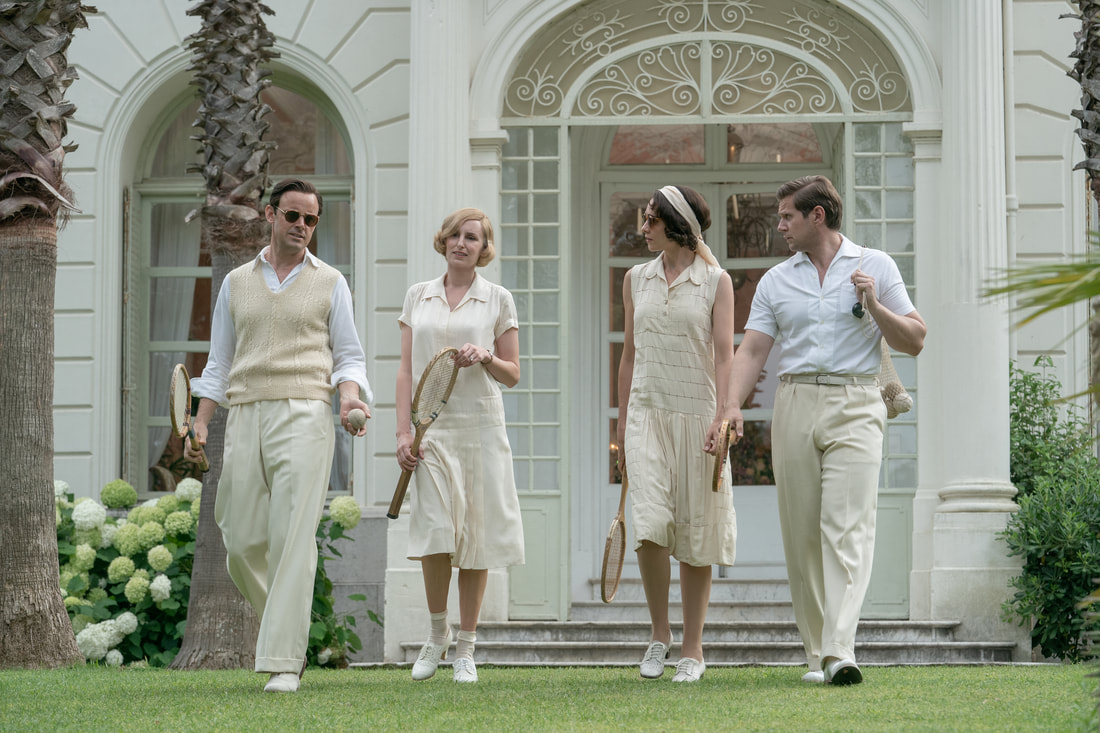 (l-r.) Harry Hadden-Paton stars as Bertie Pelham, Laura Carmichael as Lady Edith, Tuppence Middleton as Lucy Smith and Allen Leech as Tom Branson in DOWNTON ABBEY: A New Era, a Focus Features release. One of the great things about Downton Abbey is the characters. The arcs that they're in have to be compelling and engaging. And how this cast brings those stories to life is the key. Robert Crawley, The Earl of Grantham (Hugh Bonneville), may have uncovered a secret about his family. Lady Mary Crawley (Michelle Dockery) stays back home working with the film crew and may have found a hidden talent she didn't know she had. The now-retired head butler, Charles Carson (Jim Carter), may be worried he's a man of the past as the Crawley family moves into the future. There are a few other subplots in this film, but I could talk about this incredible cast all day. As per usual, they are all fantastic in this sequel film.
The title of this film is pretty prophetic because this film really does create a new era for this family. Like the series and film before this, the new film tackles subjects that can only make life more stressful and demanding. The upstairs-downstairs world that this family and their servants inhabit has moved forward. They have become a part of a world outside them that they only knew a bit of, but they have now fully embraced. Technology has played a huge part in that as well as getting away from the home they love so much. Downton Abbey: A New Era is the most logical place the film and franchise could go. If it's the end of the franchise, it has ended perfectly. I couldn't have imagined a better conclusion to this amazing, intriguing, dramatic world Julian Fellowes has created. Downton Abbey: A New Era hits theaters on May 20. Rating: 4/5 Review by Dan Skip Allen 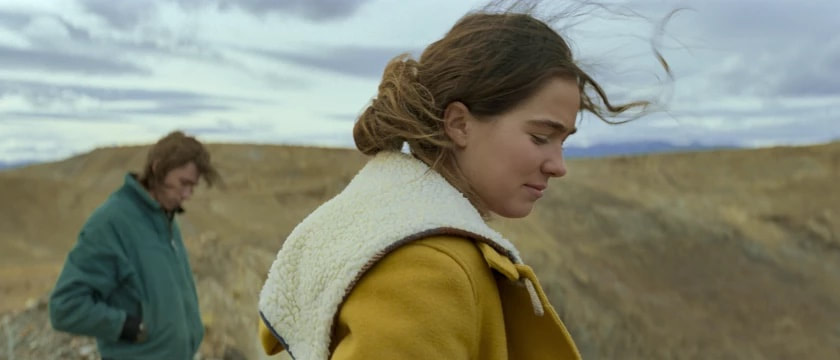 Montana Story was a festival darling when it debuted back at TIFF 2021. It's another neo-Western set, as the title suggests, in Montana. This genre is usually a good one, and Montana Story takes homage from other modern-day westerns and gives them a spin of its own that isn't normal for this genre. Two siblings (Owen Teague and Haley Lu Richardson) are estranged. They had separated years before due to physical abuse from their father. They have to come back home from New York and Wyoming to care for their ailing father. Throw in an African caregiver and a Native American maid/caretaker, and you have a pretty depressing family drama. We've all had ailing relatives in our lives, and they can be a bit of a problem for those having to take care of them, whether it's a financial problem or a time issue. It's not easy for family members to get away from their busy lives and go worry about a sick relative. If you were close to them, maybe it wouldn't be such a burden, but it's not an easy task for these two siblings to come back to look after this bad man 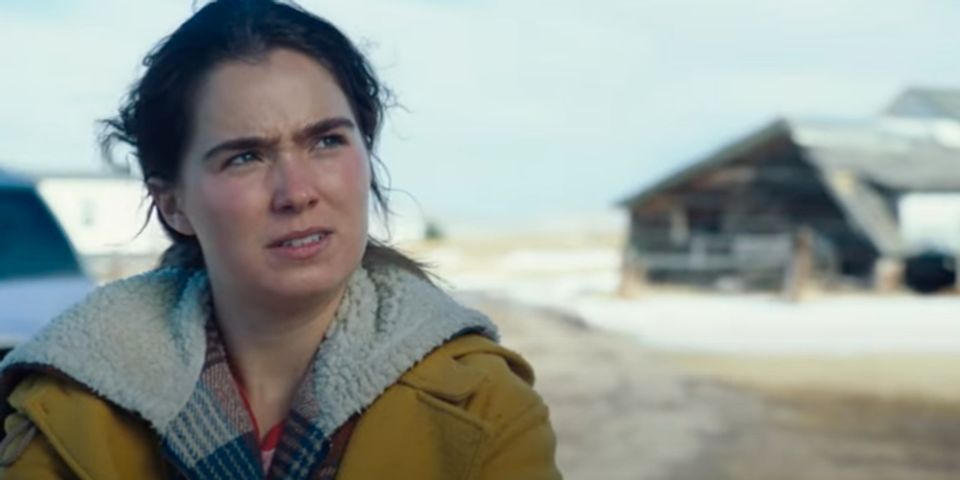 When a family member is sick, their estate also has to be dealt with, and sometimes that's not easy. In this case, the family lived on a sprawling ranch in Montana. There are some vehicles and animals that have to be dealt with, in addition to his debts and all of the property. That's the bulk of this film. It's pretty mundane, to be honest.
The actors in the film, with Richardson being the most famous, make the most of this script. They use everything they have in their acting repertoire to try to make this story engaging and interesting. I just found the story boring and plotting, and it dragged along even when they had to go on a road trip in the middle of the film. I didn't care that much about these two people. Montana Story is a film that may have played well at a film festival last year, but it just doesn't play well in this sphere we live in today coming out of the COVID pandemic. I don't think people want to be reminded of a sick relative right now. We've all felt this illness a lot and all its permutations over the last two and half years. The cast and directors do the best job they can to try to make this film interesting, but it's just boring and plotting and drags along. Bleecker Street bought another film with no soul, and it isn't very good. Montana Story hits theaters on May 13. Rating: 1.5/5
Review by Sean Boelman
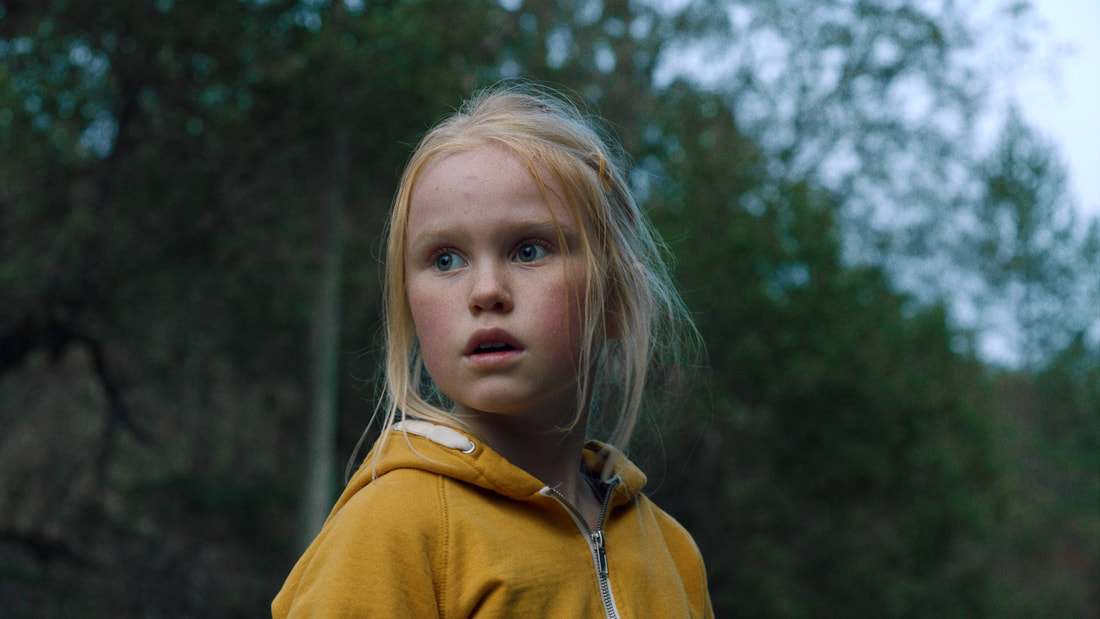
Rakel Lenora Fløttum as Ida in Eskil Vogt’s THE INNOCENTS. Courtesy of IFC Midnight. An IFC Midnight release.
Written and directed by Eskil Vogt, one of the writers behind last year’s critically-acclaimed The Worst Person in the World, The Innocents couldn’t be more different than that film. A largely dull affair, it feels as if Vogt had an interesting concept and a few strong scenes in mind but struggled to build something compelling up around it.
The movie follows a group of kids with mysterious supernatural powers as their world is enveloped in chaos and they struggle to contain their gifts. The whole “X-Men but a horror movie” concept has been done before — and more successfully — but in trying to take a more restrained approach, Vogt fails to do anything with it that is particularly developed. Perhaps the biggest issue with the film is that it is glacially paced. The runtime is nearly two hours long, and much of it feels very unnecessary. It’s clear that Vogt is invested in the movie’s atmosphere more than anything else, and he wants it to be a slow burn developing from innocent to sinister, but it takes too long for things to heat up. There are some mildly interesting socioeconomic undercurrents in the film, but they are largely underdeveloped. In choosing to stick more to the perspective of the child characters, rather than exploring their family units as a whole, the ability of the movie to explore these weighty themes is limited, and it has to instead settle on vague statements. 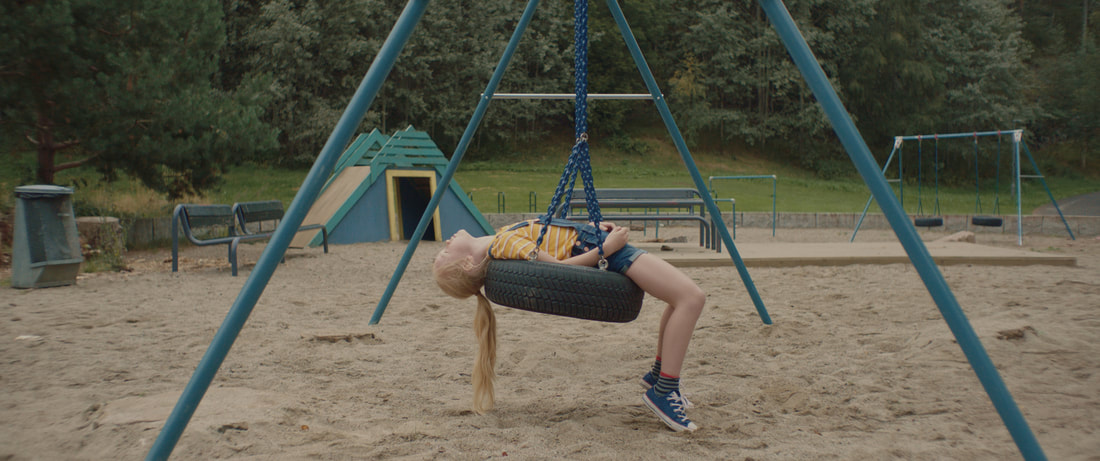
Rakel Lenora Fløttum as Ida in Eskil Vogt’s THE INNOCENTS. Courtesy of IFC Midnight. An IFC Midnight release.
The dynamic between the central characters of the film is certainly intriguing, even if it doesn’t always work. It’s definitely not the normal, wholesome portrait of childhood friendship that we are used to seeing, and Vogt does a great job of making everything feel slightly off-kilter so that the disturbing things can set in interestingly.
The one aspect of the movie that Vogt did knock out of the park was the casting. All of the young actors that lead the film are shockingly good, especially Rakel Lenora Fløttum and Sam Ashraf. They do an exceptional job of playing the duality of their characters: apparently pure yet having a dark secret bubbling beneath the surface. Vogt also does an excellent job of making this a daytime horror. Audiences are so used to seeing horror movies that are shrouded in darkness that anytime we see one set predominantly in the light, it feels discomforting. The cinematography by Sturla Brandth Grøvlen is a big part of what makes that work. The Innocents shows a lot of potential, but for the most part, it’s a pretty big letdown. Despite an intriguing concept, excellent performances, and some solid technical elements, it’s dull and not as creepy as it wants to be. The Innocents hits theaters and VOD on May 13. Rating: 2.5/5
Review by Sean Boelman
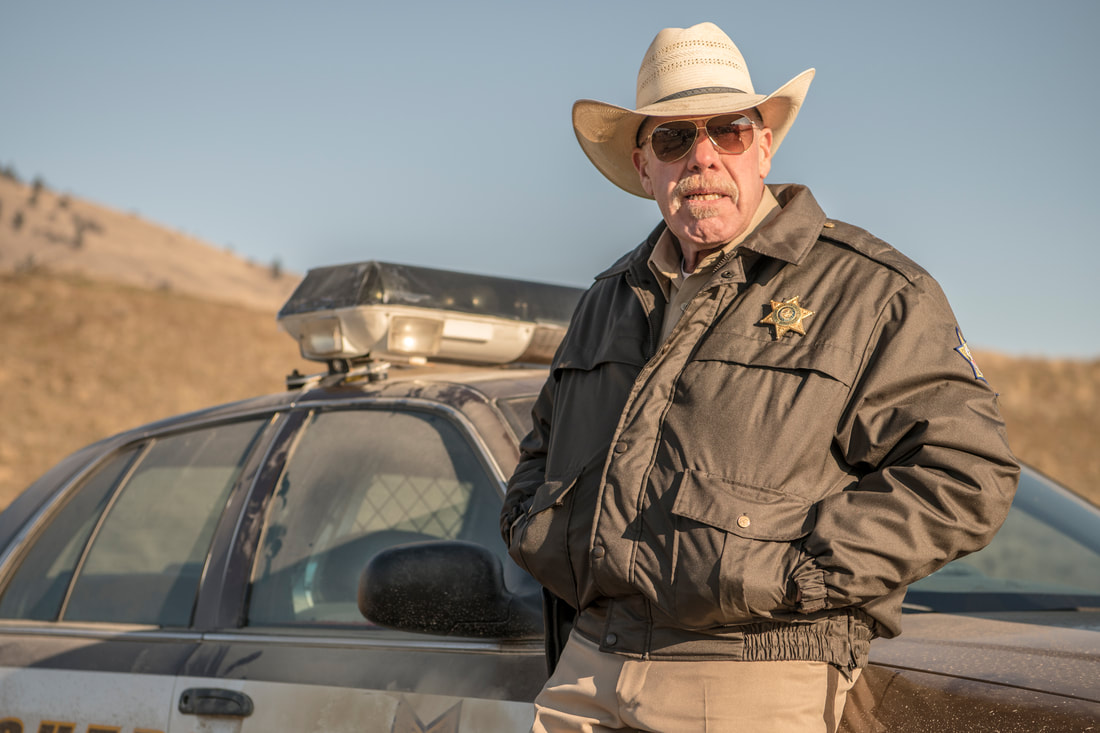
There is something to be said about a film that unabashedly wears its influences on its sleeve. Even if its existence has little more purpose than being an homage, a talented filmmaker can still make something entertaining out of it. The Last Victim owes a lot to the neo-Westerns of the past two decades but is just brutal and sharp enough to work.
The movie follows a group of people whose lives begin to intertwine in violent ways: a terrifyingly violent criminal, the sheriff pursuing him, and a woman who finds herself in the wrong place at the wrong time when loose ends need to be tied up. The way in which the script twists these stories together creates a sense of narrative momentum, even when they stall out on their own. Like the best films in the genre, this is really an exercise in restraint over anything else. Yes, there are some brutal and shocking moments, but they are timed right to leave an impact on the viewer. The violence feels very real and never like it is mean-spirited, with the focus instead on depicting the bleak reality of the human condition. Still, despite the movie’s best efforts, it does still suffer from the feeling that many kaleidoscopic ensemble pieces have — that it can’t juggle all of its many elements effectively. Perhaps due to budget constraints, it often feels as if these elements are having to function on their own more than they have to come together. 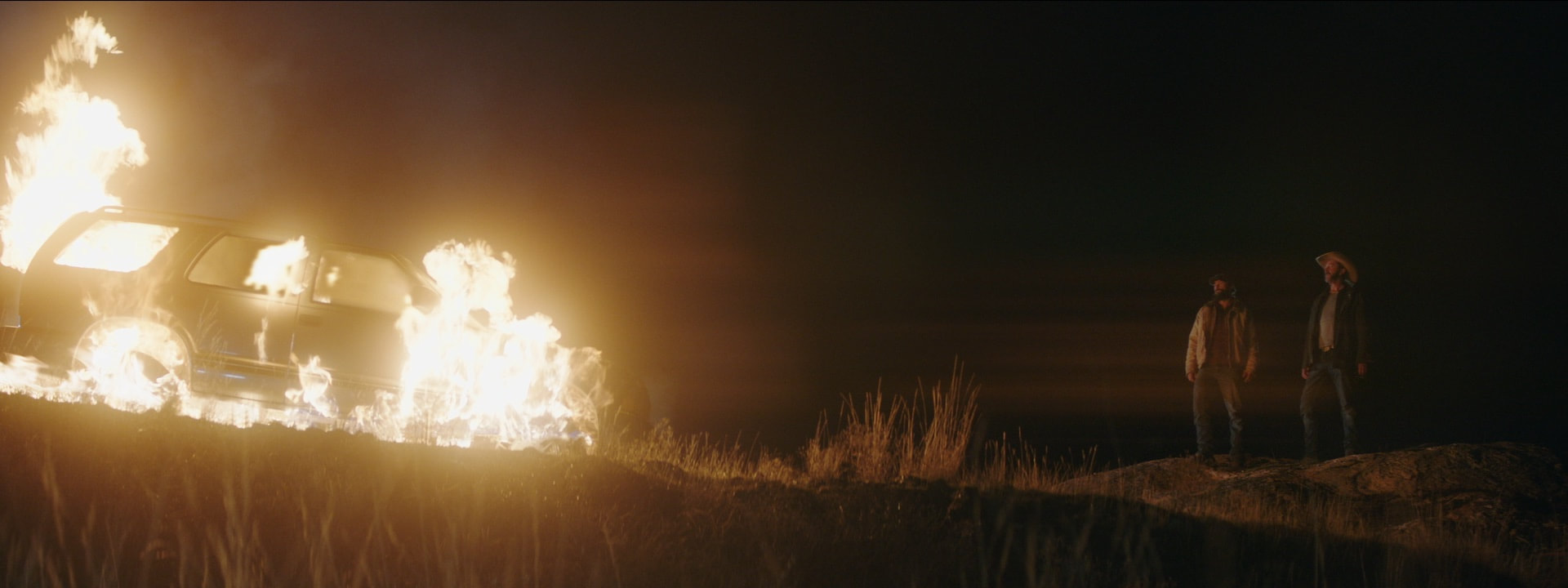
The character development in the film certainly leaves something to be desired. All three of the leads are generic characters that have frustratingly shallow backstories. It’s not enough to simply throw the audience into the situation alongside the characters. We have to be given some reason to care about these characters.
Nevertheless, the three leads of the movie do a fantastic job in their roles despite being given lackluster material to work with. Ralph Ineson is the MVP, giving a menacing performance as the film’s antagonist. Ron Perlman gives it his all, although the fact that he probably had the highest price tag in the cast keeps him from having too much screen time. And it’s nice to finally see Ali Larter again after what seems to have been several years relegated to the sidelines. Director Naveen A. Chathapuram’s style cannot be described as being particularly original, but it’s just sharp enough to work. He’s obviously trying to create a gritty, grimy world for this story to exist in, and he generally succeeds in doing so. The few bursts of violence in the movie are also extremely well-executed. The Last Victim is enjoyable enough for what it is, even if it isn’t particularly original in terms of story or style. The cast and visuals manage to keep it afloat, especially when it doesn’t have the natural energy to keep moving. The Last Victim hits theaters and VOD on May 13. Rating: 3/5 |