
|
Review by Sean Boelman

Lloyds of London, Courtesy of Music Box Films.
Directed by Marcus Robinson, An Engineer Imagines claims itself to be a “cinematic homage” to its subject, and that description is disappointingly accurate. Often feeling more like a shallow tribute to an underappreciated art than a biographical documentary, the film offers some gorgeous imagery but not much else.
The movie pays tribute to the life and career of Peter Rice, one of the most famous and distinguished architectural engineers of all time. There’s no denying that Rice made some important contributions to his field, his works including the Sydney Opera House and The Pompidou Centre, but Robinson fails to translate this into a compelling film. Part of what makes the movie fail is that it often seems like it is fawning over its subject. More adulation than anything else, the film gets too caught up in singing its subject’s praises to offer anything of real substance about his life or even his artistic process. This is where greater access to primary materials would have been helpful. Robinson interviews a lot of architects that offer their perspective on Rice’s impact on the field, but a lot of these interviews feel repetitive. Although it is clear that a person is important when so many people say the same great things about them, that isn’t a particularly cinematic presentation of information. 
The ‘Pyramide Inversée Lourve’, Courtesy of Music Box Films.
The movie does a solid job of making the viewer admire Rice, but it isn’t the interviews that do so. Rather, it is the presentation of his work that really brings the point home. Why have multiple people talk about someone’s brilliance when their work speaks for itself? All it takes is one look at the structures Rice contributed to in order to understand why he was so important.
Robinson’s use of visuals in the film is absolutely gorgeous. The architecture featured in the movie is obviously wonderful, and the way in which he photographed it was done for an eye for aesthetics. While it’s fitting that a documentary about this topic would be so visually-oriented, it’s certainly a bit disappointing that the film almost would’ve been more enjoyable on mute. The thing that Robinson does succeed in doing is arguing for Rice’s profession as an underappreciated form of art. Although some have seen architecture for its creative side, it is more often looked at through a mathematical perspective as engineering. However, the movie does an excellent job of showing that there is more than one way to look at things. Despite some wonderful visuals, Marcus Robinson’s documentary An Engineer Imagines is mostly a bore. The film simply doesn’t explore the material it needs to explore with any amount of depth or sincerity. An Engineer Imagines streams online in partnership with indie theaters beginning April 29. A list of participating locations can be found here. It then hits VOD on May 5. Rating: 2/5
0 Comments
Review by Adam Donato  This film is written and directed by Korean filmmaker Sung-hyun Yoon. It takes place in a dystopian future version of Korea due to an economic downfall. The cast includes Jae-hong Ahn, Lee Jehoon, and most notably, Woo-sik Choi (from last year’s best picture winner, Parasite). The story follows three young men who have to pull off the robbery of a gangster-run casino so they can move off to a tropical paradise. The bright spot of this movie is its intensity. It has a very much edge-of-your-seat kind of vibe. Watching this relentless bounty hunter stalk these three miserable and desperate young men feels like watching a Korean version of Terminator. While many of these hunting sequences seem very contrived, it’s a perfectly fine action movie to turn your brain off to and enjoy the thrill. The film starts slow and is too long. The only benefit of this though is that you do feel a lot more for the main trio as they try to get away. The performances by Ahn, Jehoon, and Choi are palpable and they have very good chemistry with each other. Their character resolutions are quite unsatisfying, though. 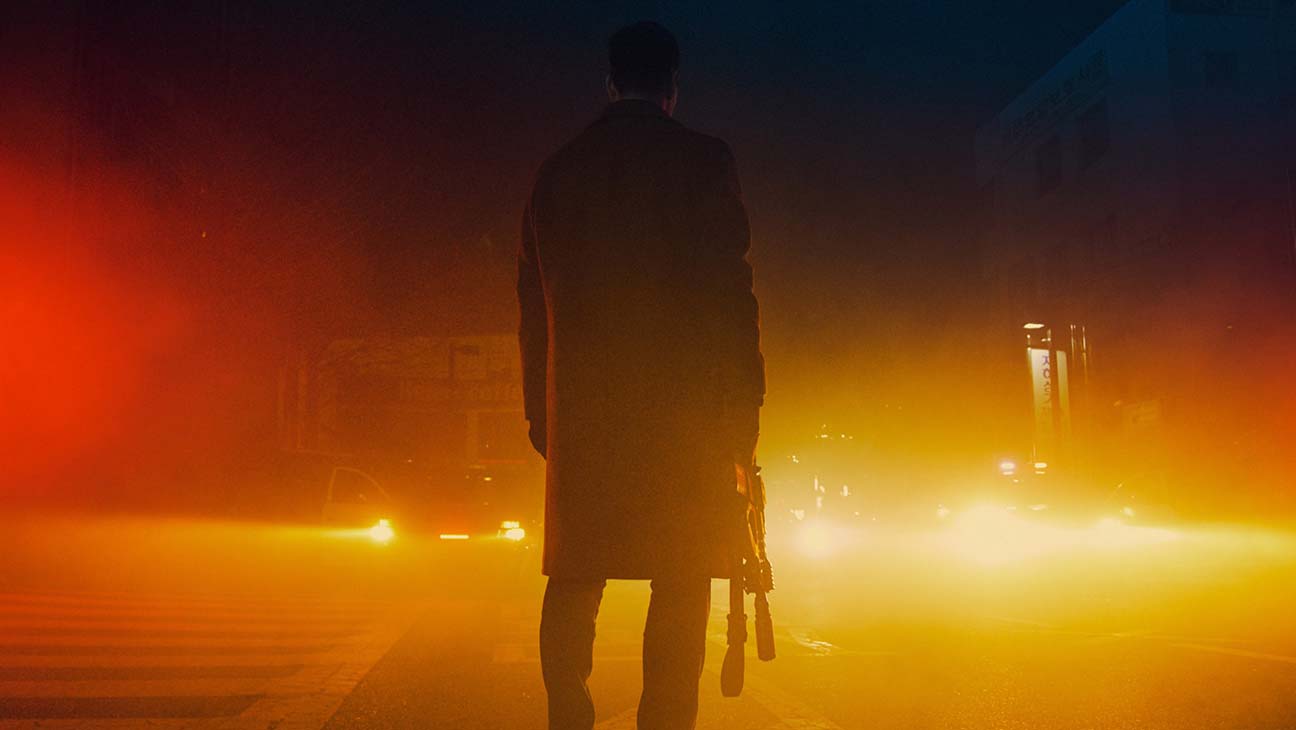 It's also very hard to understand what’s going on in the background of this movie. The main thread follows the three boys trying to steal their way to a better life. The antagonist tries to hunt them down, but lets them get away just for the fun of it? Where does this deep-seated connection between the hunter and the trio come from? Why does Jehoon throw everything he ever dreamed about away to go after the hunter? It’s all very confusing and over-complicated for a story that should be very simple.
This film would’ve benefited from a smaller scope as the world-building isn’t very fleshed out. The majority of the movie is people running through empty cities. It’s not really explained why the world is why it is and where all the people are. Everything is just run by gangs and corrupt cops. There’s a very interesting moment that goes nowhere. The trio escapes from the hospital after an intense elevator chase scene and steals the hunter’s car. Once they get away, they realize it’s a cop car. This never goes anywhere as they face no consequences or even threat from the law and the movie just keeps going. As a filmmaker, Yoon exceeds as a director by building tension throughout the film but fails as a writer to any sort of understanding with the plot. The characters are all likable and it’s hard not to be with them as they try to finish their last job. It’s an intense rollercoaster of a movie that really picks up in the second half. Time to Hunt is nothing special, but competent enough to be entertaining. Time to Hunt is now streaming on Netflix. Rating: 3/5 Review by Dan Skip Allen  Photo Caption: Jasin Boland. Netflix is usually known for its groundbreaking tv shows and mini-series. But they would change the game when they started attaching big-name talent in the director's chair, such as Martin Scorsese, Steven Soderbergh, and Michael Bay. With that comes high-profile actors and actresses as well. In the past year films starring Ben Affleck, Robert De Niro, Gary Oldman, Antonio Banderas, Meryl Streep, and Ryan Reynolds have premiered on the streaming service. With the Russo Brothers, Joe and Anthony, forming a production company, it was a natural fit for AGBO to work with Netflix. They are usually hands-off and by now they have earned that based on their reputation from working with Marvel and Disney. Their second project out of the gate is Extraction starring Chris Hemsworth. Hemsworth plays a black market mercenary who likes to drink a little too much. His group gets a job where he is tasked with rescuing a boy who has been kidnapped. He's the son of a big international crime lord. The film is set in Dhaka, Bangladesh. It's teeming with people and obstacles for Rake and his team to get the kid out safe and sound. Most films like this have well thought out action set pieces and Extraction is no different. The problem is when the action isn't hot and heavy the film grinds to a halt. Based on a graphic novel Ciudad, from a script from Joe and Anthony Russo, the film just isn't that interesting until the proverbial shit is hitting the fan. A few subplots are meant to keep the viewer interested but are just a distraction from the action. With the MCU, the Russos had decades of comic books to fall back on, in addition to two proven writers, Markus and McFeely, with whom they worked on all of their MCU Films. This time out they are only the writers and not the directors. Sam Hargrave is prominently known as a stuntman on the Avengers and Thor films. In fact, Sam has been Chris Evans's stunt man on the Captain America and Avengers films. This is his first film as director, although The Russos must have had trust in him. The sixty-five million dollar budget shows in the production value and cinematography as well as a serviceable cast. 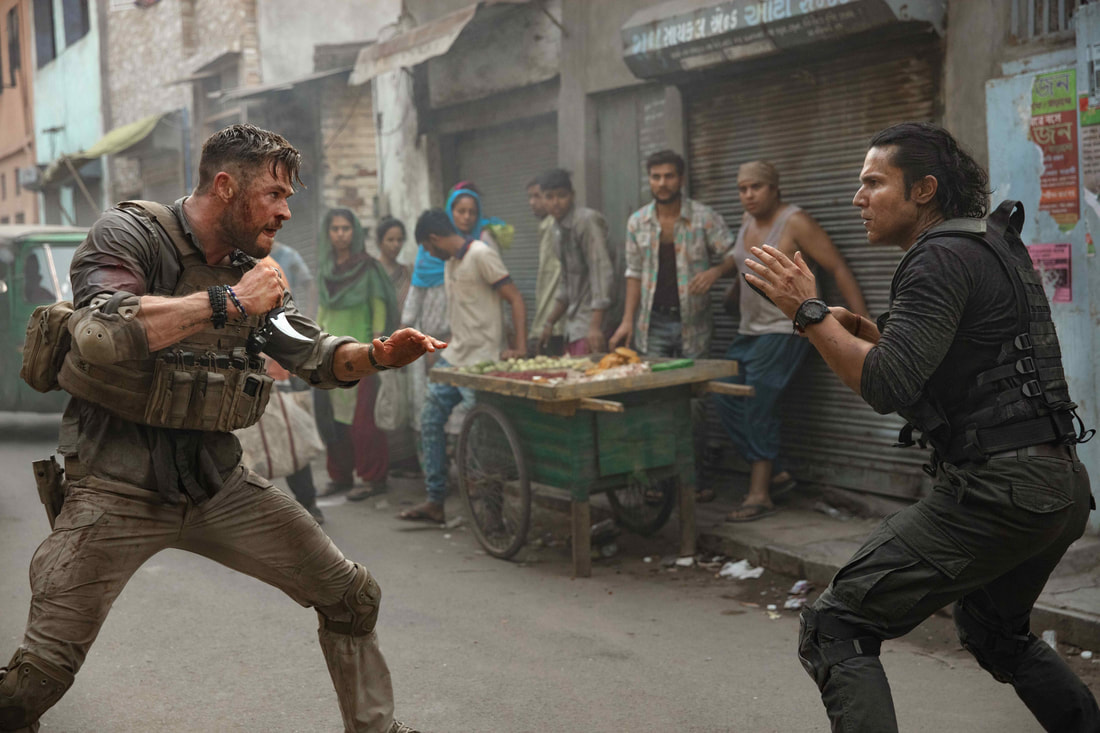 Photo Caption: Jasin Boland. Along with Hemsworth, David Harbour shows up as Gaspar, a friend to Rake who has his own agenda. An all-Indian supporting cast rounds out the film aside from Hargrave that plays a sniper on Rake's team. Co-star Rudhraksh Jaiswal is the breakout star of this film as the kidnapped boy. He holds his own alongside Hemsworth and company. Also in a supporting role is Golshifteh Farhani as a liaison to Rake who has an interesting relationship with him. There might be more to her than meets the eye. As advertised, the stunts and choreography are first-rate. Hargrave's background is in stunt work, so they better look real. Filmed on location in Ahmedabad, the film looks like it is in a different world from our country. That brings authenticity to it like it takes place in an actual war.
Hargrave and the Russos do their best to make Extraction seem as real and authentic as possible. Getting realistic actors to the roles and a bankable star like Hemsworth doesn't hurt either. First-rate production value, cinematography, and stunt work goes a long way to making the film accessible to all viewers. A manageable budget, 65 million, is just enough to get what they needed from this film. Where this film falters, though, is its script and character-building. The script doesn't flesh out the characters enough to make the viewer care that much about them. A boy gets kidnapped and a special team gets hired to get him home to his father. I just didn't care about whether or not he got home or not. The protagonist isn't that interesting either. All in all, this film has some good parts, but as a whole, it is an uninteresting film. Extraction is now streaming on Netflix. Rating: 2.5/5 Review by Camden Ferrell  The Willoughbys is a new animated children’s film based on the 2008 Lois Lowry novel. This movie is sophomore film of director Kris Pearn (Cloudy with a Chance of Meatballs 2). While it feels too formulaic at times, the movie succeeds thanks to its offbeat tone and strong acting. In this movie, four children decide to arrange for their neglectful parents to take a dangerous vacation in order to have a better life. When their parents leave, they are left with a nanny who shows them what family really means. This is a unique and quirky story, and it is one that’s considerably more bleak than other kid’s films. The movie isn’t afraid to take the story to unexpected or far-fetched places, and it’s a really interesting premise. The comedy throughout is more or less what is expected from a kid’s movie. The jokes are predictable, and even if some gags are funny, the movie does not always succeed comedically. The script itself is adequate enough to carry the film’s plot, and it does have some clever lines, but it is fairly forgettable. However, both Pearn and the cast have some solid execution and timing that can make even the more lackluster scenes still feel warranted.  The acting throughout is really solid and features some standouts. Will Forte (The Last Man on Earth) plays Tim, the oldest Willoughby child, and he does a great job. The performance is full of his classic wit, timing, and exaggeration that makes him such an enjoyable actor. He brings a lot of energy to a movie that persists even in its dull moments. Maya Rudolph (Bridesmaids) also gives a great performance as Nanny. She also brings her classic charm and comedic presence to the film and has great chemistry with the rest of the cast. The acting in this movie definitely helps make up for the film’s shortcomings.
The tone and style also work heavily in the film’s favor. The animation is clean, and very nice to look at. It is creative with the way it animates certain moments, and its visuals are a nice change of pace. The movie also provides a darker and more cynical story than most children’s movies, and this helps set it apart. It balances its bleak humor with some cheesy humor and optimistic themes that make it a solid movie for kids to watch this weekend. The Willoughbys may not be for everyone, but it is a sufficient movie for kids and families to enjoy this weekend. Even though it doesn’t always nail its landing in many ways, the acting, style, and quirky story ultimately make up for it. The Willoughbys is now streaming on Netflix. Rating: 3/5
Review by Sean Boelman
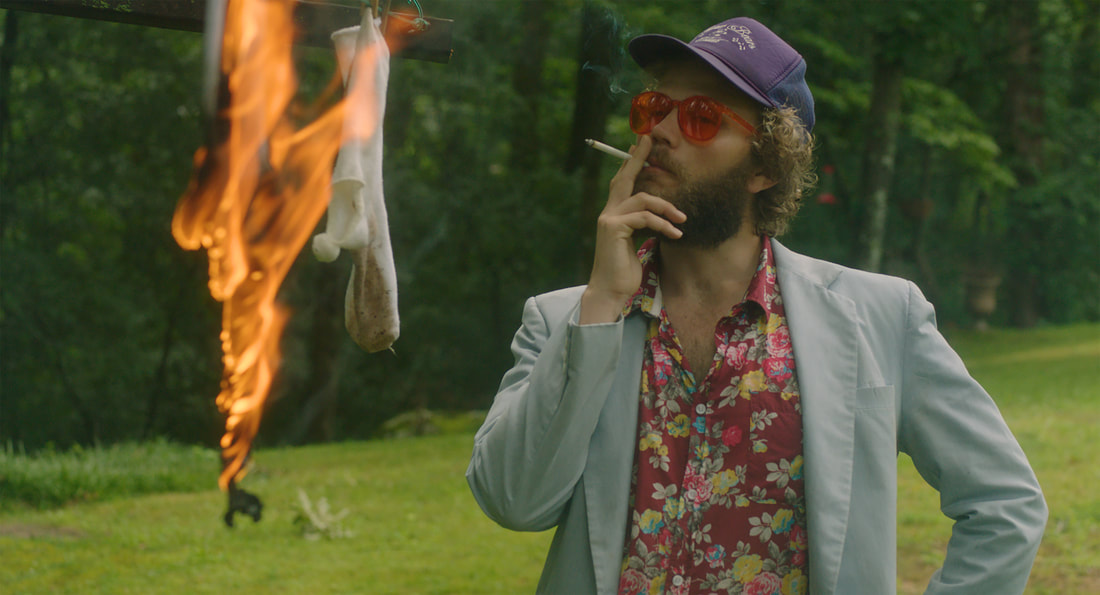
Director Bo McGuire in Socks on Fire. Image courtesy of Blanton Boles
The use of reenactments in documentaries is historically inconsistent — typically they are used as a crutch to fill gaps in the narrative, but rarely, they can be used in a way as to challenge the notion of storytelling. Bo McGuire’s poetic documentary Socks on Fire falls into the latter category, providing a non-fiction viewing experience that is entirely thought-provoking.
In the film, McGuire reflects on his own family and past, exploring his own identity against the backdrop of a dispute over the estate of his beloved grandmother. At once a statement of love and respect for the deceased and an examination of hard-hitting societal issues, McGuire’s documentary manages to be searingly political while maintaining a feeling of total earnesty. The film has two main storylines to it. One explores the filmmaker’s relationship with his grandmother and his experiences as an LGBTQ youth in the conservative South, and the other addresses the dynamic between his gay uncle and homophobic aunt. Though the latter of the two is arguably the more unique story, McGuire brings such a personal touch to his own tale that it is compelling nevertheless. There is certainly a lot going on in the movie, but McGuire manages to connect all of the narrative threads in his film in a way that makes it feel completely cohesive. The portions about the queer experience and about grief come together to form a comprehensive portrait of what it means to grow up as an outsider. 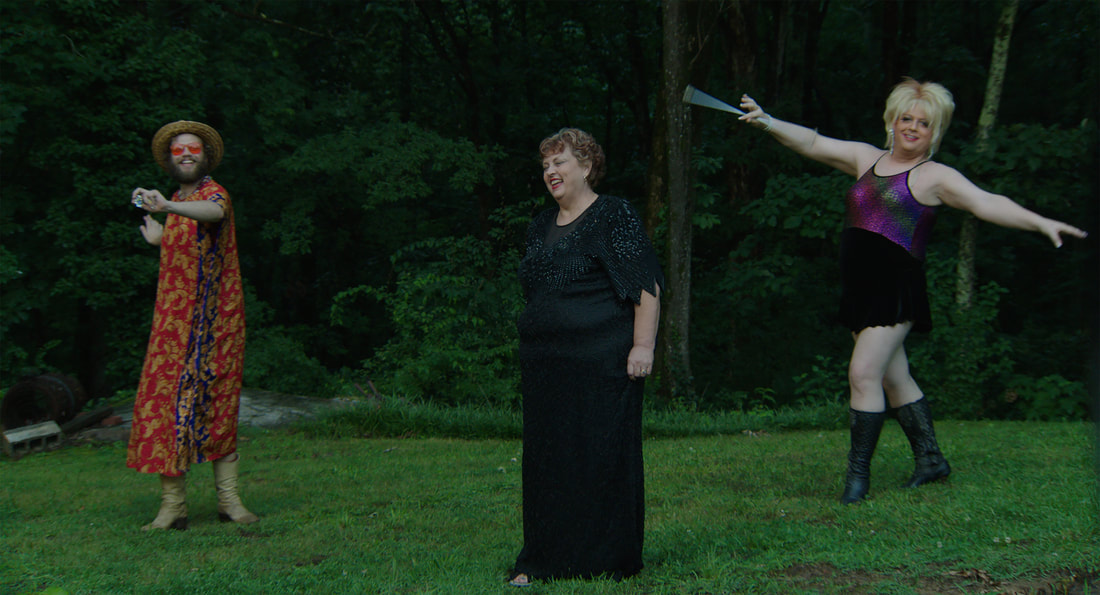
(l. to r.) Bo McGuire, Susan McGuire and John Washington in Socks on Fire. Directed by Bo McGuire. Image courtesy of Blanton Boles
McGuire tells his story in the form of staged reenactments, which is understandable, as this is a very personal subject, and it could have been difficult (or even unethical) to feature the subjects themselves. But an intriguing consequence of this narrative strategy is that it brings to question the subjectivity of experience in an interesting way.
These reenactments are highly stylized with an eye for aesthetics. The cinematography is absolutely gorgeous in a way that one would not expect. The use of visual metaphors (including the eponymous one) is powerful as well. To supplement the reenactments, McGuire uses home videos from his childhood, giving the movie a much-needed feeling of authenticity. Another thing about McGuire's narrative method is that it makes the audience feel as if they are a part of the story. The filmmaker’s opinions of the film’s subjects (particularly his aunt) are mixed, and so he presents them in a way that is ambiguous. Even though she has done some hateful things, she is a part of his family, and so he still loves her. This is likely going to be the single most relatable element of the movie. Bo McGuire’s Socks on Fire is a challenging documentary, both in terms of storytelling and content. It’s a revealing watch, showing the potential that the medium of film has as both a means of self-expression and self-discovery. Socks on Fire was set to debut at the cancelled 2020 Tribeca Film Festival. It is currently seeking distribution. Rating: 4.5/5
Review by Sean Boelman

Directed by Seamus Haley, Laurent Richard, and Aurélia Rouvier, Banksy Most Wanted is a new documentary exploring the eponymous street art icon. And while Banksy’s own film Exit Through the Gift Shop remains the definitive movie on the subject, this is a fascinating watch for anyone who is intrigued by the idea of Banksy.
The film takes a look at the art and identity of Banksy, addressing the various theories that fans and critics around the world have come up with as to what the real identity of Banksy actually is. A select few people in the world really know the artist but are sworn to secrecy or otherwise refuse to share with the world. Because of this, the movie plays out like a real-life mystery. The filmmakers take an almost journalism-like approach to the story as they investigate the different theories of the artist’s identity and the evidence that people have gathered to support them. The level of conjecture and coincidence that these are reliant on is ridiculous, but often amusing to watch. The first third or so of the film is dedicated to a more general survey of Banksy’s work, and this contains the expected interviews with art industry experts and such. It is when the movie starts going into the more hypothetical portion of the film that the interviews become more interesting as people share their own “Banksy sightings”. 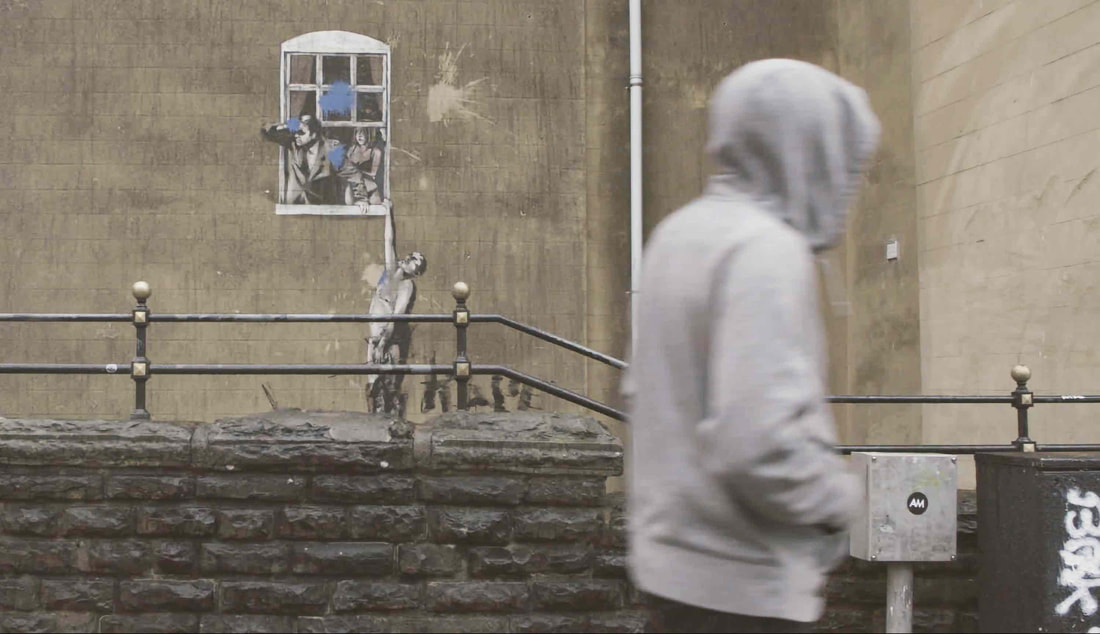
The filmmakers do a great job of making the viewer admire Banksy’s process, although it fails to accurately capture what makes Banksy art so special. Yes, the hidden identity is a big part of the intrigue, but the social statements made with Banksy’s art are arguably more important. For a movie about such a revolutionary voice in street art, this is disappointingly frivolous.
That said, when the film fully dives into the ethical implications of Banksy’s hidden identity, it manages to be rather thought-provoking. One of the most interesting arguments made in the movie is that Banksy’s work is similar to that of a magician: if the secret is revealed, it loses a lot of its appeal. On a technical level, the filmmakers have made an entertaining and cinematic documentary, even if the pacing is somewhat rushed. The cinematography and editing infuse the movie with a lot of visual energy, which is fitting given the chaotic nature of the subject’s work. And of course, Banksy fans will get to catch some glimpses of some of their favorite pieces. Banksy Most Wanted isn’t a great art documentary, but it’s interesting for what it is. Those who aren’t already learned on the subject may find more to enjoy in the film’s heavy theorization, but others will already know much of this story. Banksy Most Wanted was set to debut at the cancelled 2020 Tribeca Film Festival. It is currently seeking distribution. Rating: 3.5/5
Review by Sean Boelman
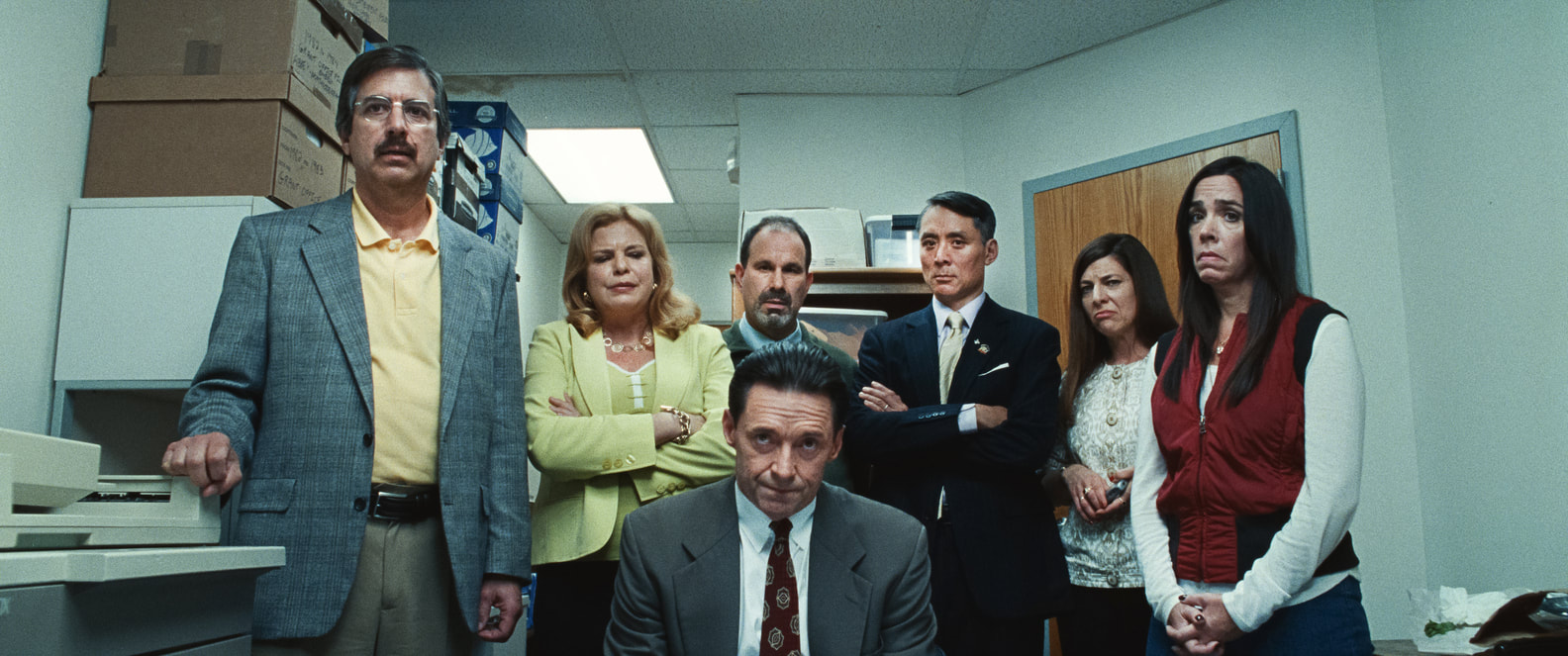
Photo Courtesy of HBO.
Thoroughbreds director Cory Finley has refused to experience a sophomore slump with Bad Education, a relentlessly entertaining political dramedy that is more lively than anything to have come out this year so far. With plenty of twists and turns, this film is both witty and crowd-pleasing enough to almost certainly catch the eyes of Emmy voters.
Based on a true story, the movie explores the largest public school embezzlement scandal in history as the district’s popular and successful administrators find their hard work being dragged down alongside their reputations. It’s the type of story that’s so unbelievable it has to be true, and it’s absolutely fascinating as a result. The pacing of the film is done in a way as to make the story as compelling and cinematic as possible. There’s a darkly comedic edge to the movie that goes a long way in making the political message hit a lot harder. Clocking in at right around an hour and forty five minutes long, the film hits the ground running and only gets crazier from there. The movie’s message about corruption is definitely very interesting because it takes a very unusual approach to the topic. Whereas most films about corrupt public officials present them in a light that isn’t too favorable, this movie shows them as flawed but sympathetic characters that should be examined, not chastised. 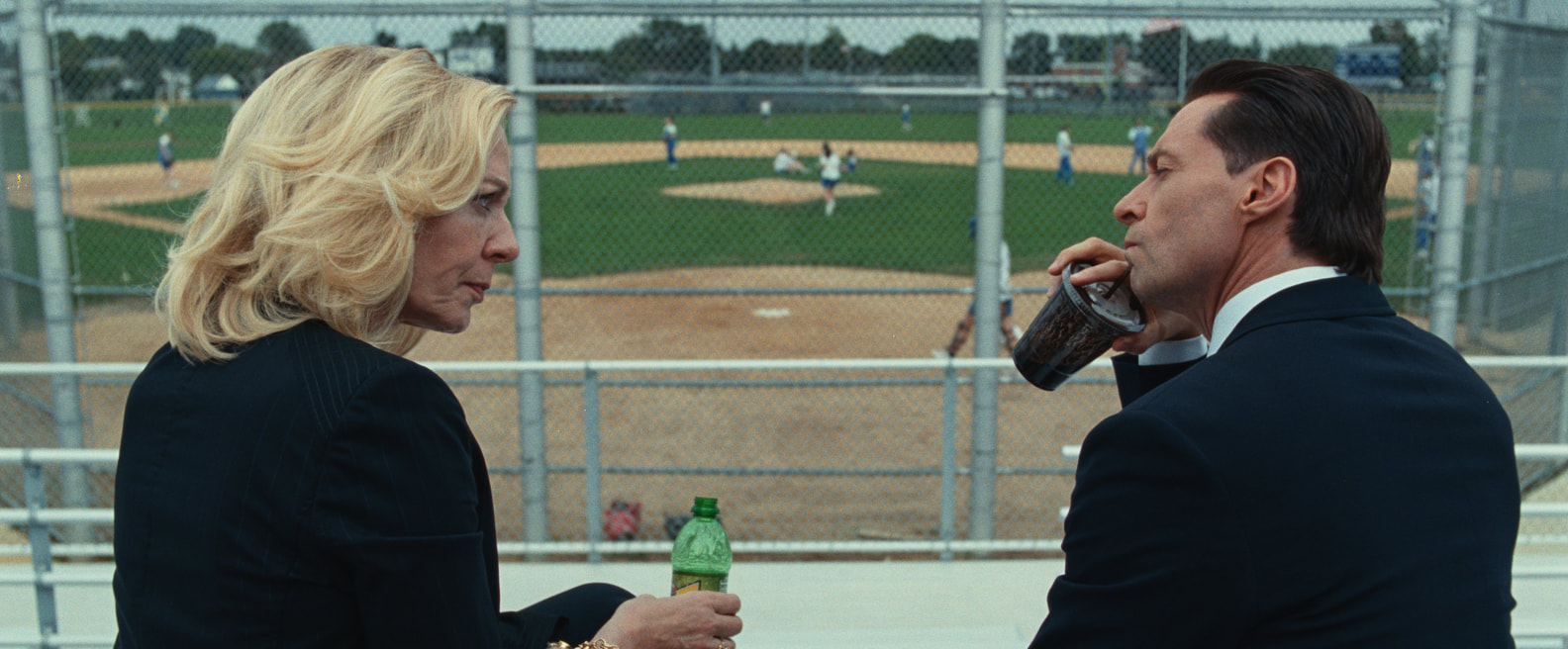
Photo Courtesy of HBO.
With this, writer Mike Makowsky offers a glimpse into why people will commit such seemingly unethical actions such as this. Perhaps the most interesting argument made by the film addresses the significance of intent. Even with no malice involved, the action is still wrong and can have a negative impact beyond what one would expect.
The greatest highlight of the movie is certainly its phenomenal ensemble. Hugh Jackman is at his career best as the film’s protagonist, giving a performance that is both endlessly charming and layered with nuance and emotion. The supporting cast that surrounds him is also great, featuring excellent turns from Allison Janney, Ray Romano, and Geraldine Viswanathan. On a technical level, Finley’s style is certainly very kinetic, and that translates into a movie that feels completely alive. The cinematography is extremely dynamic, which is surprising given the fact that the film is so heavily rooted in dialogue. The score and sound design are also wonderful, doing a nice job of setting the jovial mood that will soon be destroyed. Bad Education solidifies Cory Finley as one of the most intriguing new directors on the scene right now. Thanks to his exciting directorial choice and some of the most awards-worthy performances of any movie released on television this season, this will almost certainly hold up as one of the best films of the year. Bad Education airs on HBO on April 25 at 8pm ET/PT. Rating: 5/5
Review by Sean Boelman
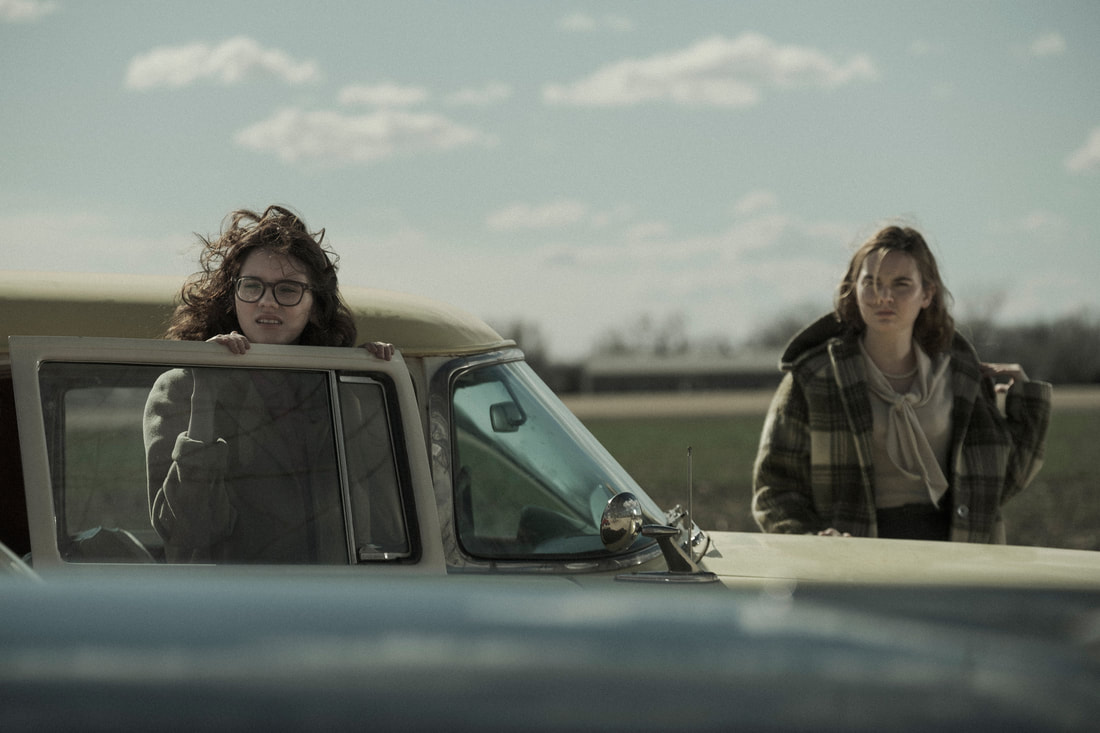
Photo Courtesy of Samuel Goldwyn Films.
Martha Stephens’s new film To the Stars is undeniably well-intentioned, hoping to be an indictment of hate in small-town America. Yet even though the screenplay by Shannon Bradley-Colleary is entirely original, the movie unfortunately feels like a young adult literary adaptation gone wrong because of its overly maudlin tone and uneven performances.
Set in rural Oklahoma in the 1960s, the film follows a farmer’s daughter and a new girl in town as they form a close friendship as outcasts in their conservative community. This is a pretty straightforward arc, and there’s not a lot of nuance to the story, much less the way in which it was told. The movie clocks in at nearly an hour and fifty minutes long, and a lot of that time is wasted. It’s a meditative film that really isn’t mediating on anything, and as a result, much of the movie feels unnecessary. The conflict, when it finally comes, is shoved into the third act and feels painfully anticlimactic. Ultimately, this is little more than a story of love triumphing over hate, and that is a story that has been seen time and time again. Yes, discrimination and toxicity still exist in society today, and that’s a problem that needs to be addressed, but there are films that have done this before in a more effective and emotional way. 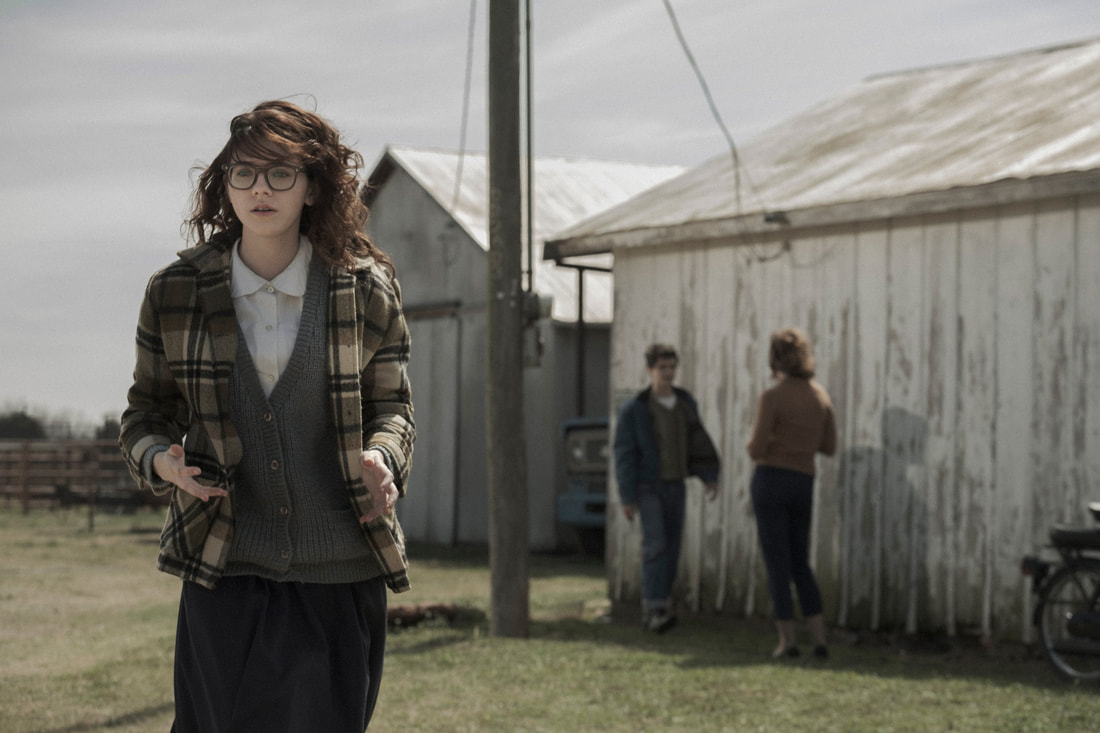
Photo Courtesy of Samuel Goldwyn Films.
If the movie does do one thing very well, it is building the friendship between the two leads. It is very easy to buy into the chemistry between the two girls (though they do seem miscast — it almost would have been better had their roles been flipped), even if the subplots that develop the characters on an individual level are underdeveloped.
The film’s cast is absolutely massive and filled with talented stars who are either out-of-place or underused. Shea Whigham and Malin Akerman both give solid turns, but play the subordinate half of their respective relationships, and as such, don’t get much screen time. Jordana Spiro is completely forgettable in her role. And poor Tony Hale tries his hardest to give a straight-faced turn, but simply isn’t believable as the jerk dad. That said, the single most questionable thing about the movie is its technical execution. When this film played the festival circuit, it was originally played in black-and-white. Despite Stephens’s obvious attention to aesthetics while shooting the film, the decision to re-colorize in post results in the film looking unintendedly ugly. To the Stars is one of the biggest wastes of potential of the year so far. It has enough to be watchable, but it doesn’t come from a fresh and unique enough perspective to be of particular significance. To the Stars hits VOD on April 24. Rating: 2.5/5
Review by Sean Boelman

A Scottish historical epic about as bland as they come, Richard Grey’s Robert the Bruce rides the back of its much more entertaining cousin in the hopes that it can replicate the same success. However, the film serves precious little purpose other than to be a reminder of the far superior Braveheart.
The movie tells the story of the eponymous once King of Scotland as he starts a bid for his homeland’s freedom, leading to him being targeted by the King of England. Hoping to fill in the gaps left by Gibson’s film, this is a paint-by-numbers action flick that is reliant on manipulating tropes in an attempt to get emotion out of the viewer. It wouldn’t exactly be fair to call the movie outright boring since there is so much stuff happening that it never slows down, but it’s easy to lose interest because everything feels so dull and tedious. Watching action scene after action scene does begin to get tiring at a certain point, especially if one has seen other, more nuanced films in the genre. Perhaps the movie’s cardinal sin, though, is that the action feels very uninspired. The film very easily could have been saved with some immersive fight choreography, but instead, these scenes are entirely conventional. Grey attempts to compensate for this with shock value and blood, and it doesn’t work. 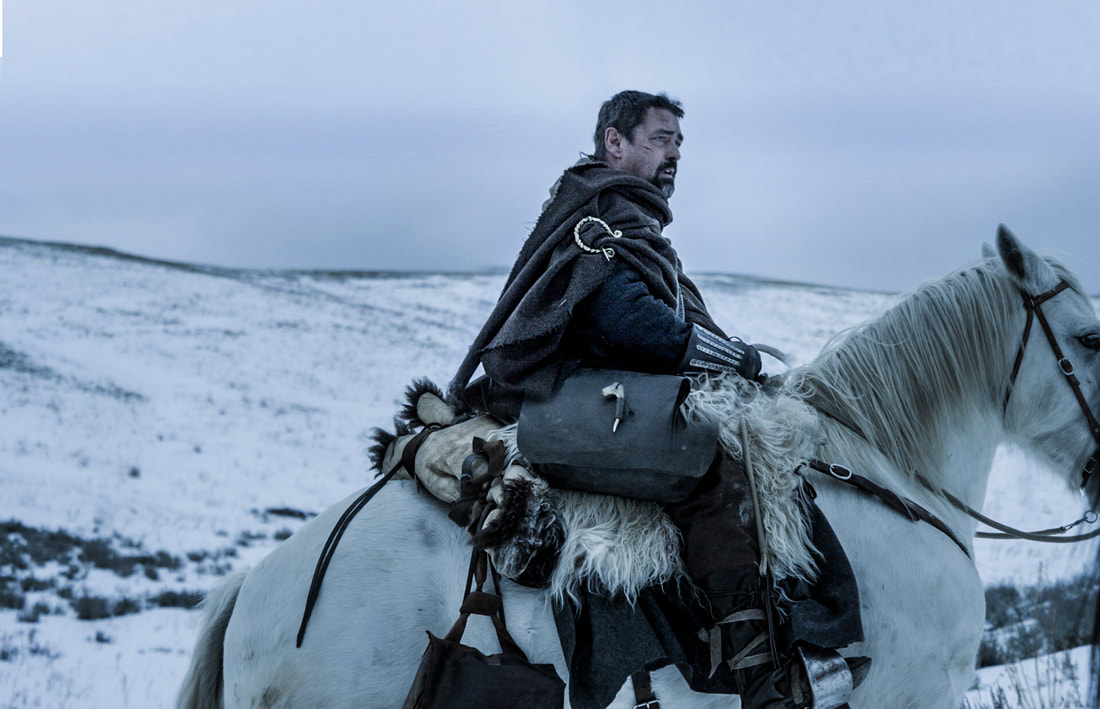
The movie’s character development is also weak. The film takes the very formulaic route of showing the hero as he is rehabilitating from a defeat, being nurtured back to health by a side character who teaches him something that was what he needed to succeed all along. As a result, the characters are all archetypal, and the viewer won’t care about their arcs.
Angus Macfayden reprises his role from Braveheart as the King of the Scots, and he’s obviously very comfortable playing the character. (Macfayden also co-wrote the movie with Eric Belgau, which shows he was just itching to return to his most iconic character.) In the supporting cast, the only memorable turn comes from Jared Harris who is solid, albeit underused. On a technical level, Grey’s film is just as safe as anything else about the execution. The editing is aggressive for no good reason, the cinematography is annoyingly grey, and the visual style as a whole is just uninspired. The costumes are fine, but that isn’t saying much for a period piece where that is the bare minimum. Robert the Bruce will definitely be a disappointment for anyone who is a fan of Braveheart and is hoping for a sequel to live up to the Best Picture winner’s glory. More than anything, it plays like a desperate plea for attention by its talented star who is in need of more challenging work. Robert the Bruce hits VOD on April 24. Rating: 2.5/5
Review by Sean Boelman
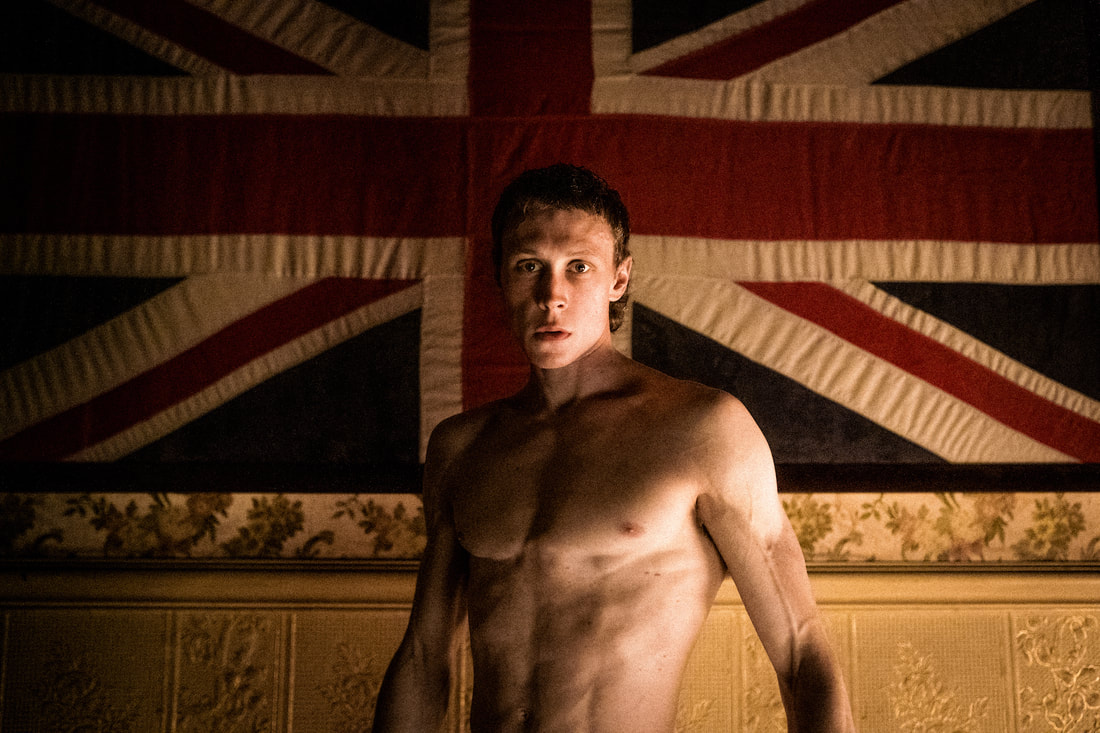
George Mackay as “Ned Kelly” in Justin Kurzel’s True History of the Kelly Gang. Courtesy of IFC Films. An IFC Films release.
Directed by Justin Kurzel (Macbeth) and adapted by Shaun Grant (Berlin Syndrome) from the novel by Peter Carey, True History of the Kelly Gang is an entertaining and stylish fictionalized biography of the eponymous Australian outlaw. Because of the unique vision that Kurzel brings to the film, this is a truly epic Western different from anything else that can be seen today.
The movie tells the story of Ned Kelly who, after suffering in his childhood at the hands of British colonializers, discovers that he is descended from a line of warriors, inspiring him to go on a quest of revenge against his oppressors. While the arc itself is a relatively common Western arc, the revisionist way in which it is told makes it feel endlessly refreshing. Part of what makes the film so intriguing is that Grant and Kurzel fully embrace the unreliable narrator element of the story. Because Kelly went beyond being a person in history to becoming a part of Australian folklore, the movie isn’t just a straightforward biopic, but rather, a cinematic and action-packed recollection of legend. Grant explores the idea of legacy in the film, both in terms of Kelly’s desire to become a legend and in the way in which it addresses his ancestry and his need to live up to the precedent set by his bloodline. Although it doesn’t go much beyond the surface, the movie’s commentary on the nature versus nurture debate is certainly very interesting. 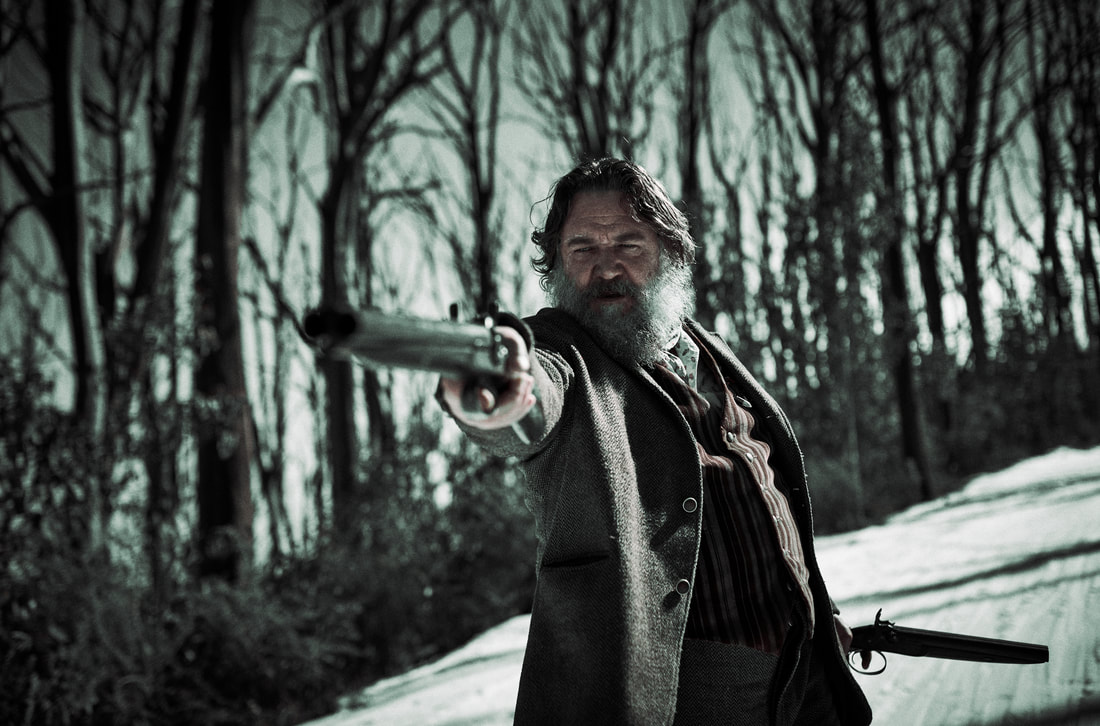
Russell Crowe as “Harry Power” in Justin Kurzel’s True History of the Kelly Gang. Courtesy of IFC Films. An IFC Films release.
The character development in the film is definitely very interesting. Like much of Kurzel’s work, the protagonist isn’t a hero in the traditional sense, but he is still very compelling nevertheless. Even when it is difficult to get behind some of his more extreme actions, his motivations are emotionally resonant and interesting.
George MacKay is wonderful in his lead role, delivering a more emotional performance than he ever has in the past. He seems perfectly cast as the charming loose cannon of a protagonist. The supporting cast is also stacked with gifted performers, including Charlie Hunnam, Russell Crowe, and Nicholas Hoult, all of whom give memorable side turns. On a technical level, the film is certainly very strong thanks to Kurzel’s vision. The visual style of the movie is undeniable, particularly in the action sequences, which have an infectious amount of energy. Yet even though the film is unabashedly daring in its execution, it also ends up having a lot of mainstream appeal because of how outright entertaining it is. True History of the Kelly Gang is certainly Justin Kurzel’s best movie yet. It’s a bit disappointing that this probably won’t get the awards push it deserves since it is being released in the midst of the shutdown of theaters, but hopefully this gives the film the opportunity to be discovered by audiences that may not have otherwise given it a chance. True History of the Kelly Gang hits VOD on April 24. Rating: 4.5/5 |