
|
Review by Tatiana Miranda 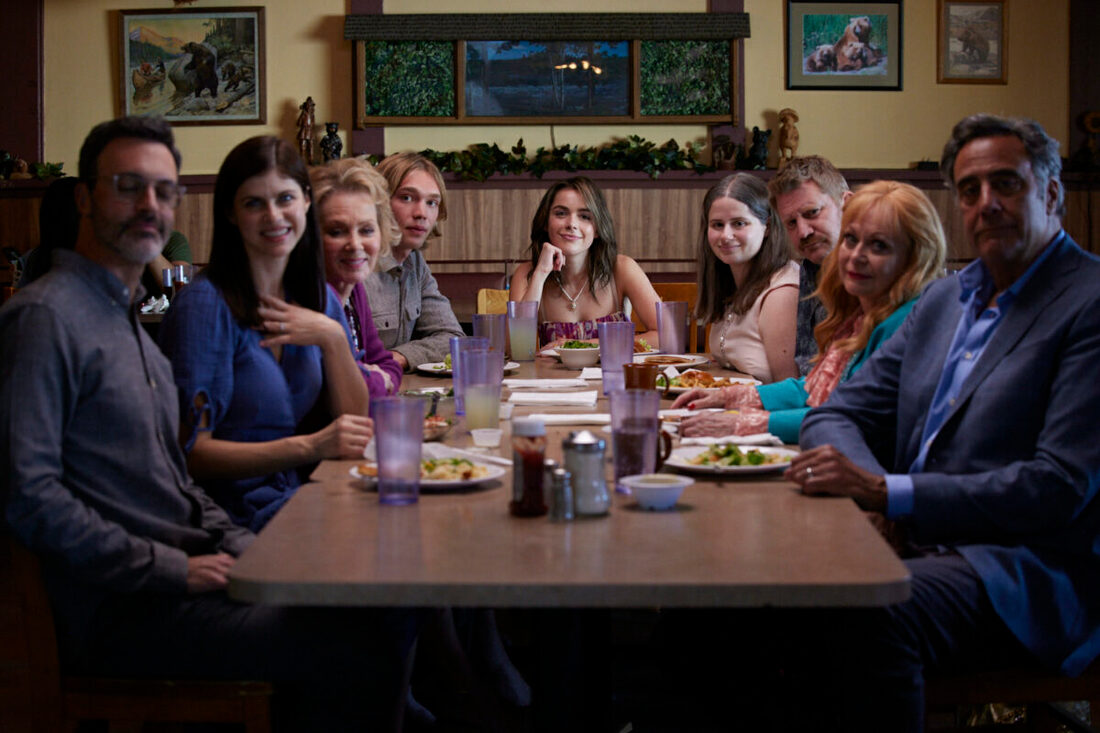 Loosely based on director Matt Smuckler's niece's life, Wildflower is a coming-of-age story about a teenage girl as she figures out her future, all while trying to take care of her neurodivergent parents. In the vein of the award-winning film CODA, Wildflower attempts to showcase an underrepresented group, yet, unlike CODA, it falls a bit flat. Although it has a well-stacked cast, with Mad Men's Kiernan Shipka at the helm as teenager Bea, the film's writing and storytelling leave much to be desired. Alongside Shipka are other familiar faces Charlie Plummer as Bea's boyfriend, Alexandra Daddario as her aunt Joy, and even rising star Ryan Liera Armstrong making an appearance as young Bea. With a cast full of familiar faces, it leads one to believe that there is some merit to this film. Unfortunately, this is not the case, as even the cast's acting chops could not save what is a lackluster and slightly offensive film. The movie opens with a comatose Bea as her dysfunctional family crowds around her, each person dealing with their stress in their own unique and slightly comical way. Her grandmothers, Loretta and Peg, are opposite sides of the same coin, both fiercely loving their children (Bea's parents) but also harboring different perspectives on their identities and skillset. Bea's intense and overprotective aunt and uncle crowd around as well. 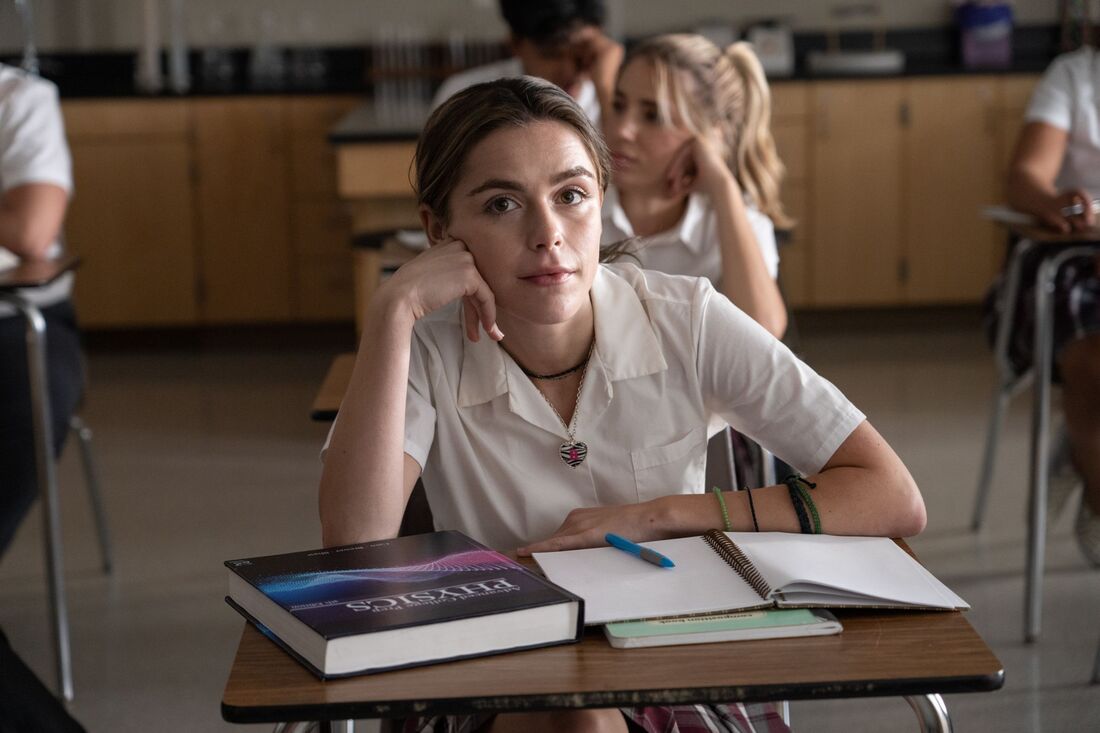 Then there are Bea's parents: Derek and Sharon. Through flashback sequences, it's revealed that Derek suffered a traumatic brain injury as a kid, subsequently never mentally maturing from that age. Meanwhile, Sharon was born developmentally challenged. This leaves Bea in a tricky situation as she prepares for college since she feels that she has to stay in order for her parents to survive. The movie gives a strong argument for this notion as well, with Sharon having gambling problems and Derek's inability to hold onto a job.
As she attempts to figure out what landed her in a coma, Bea showcases her life up until now via flashbacks. Because of this, there's a misleading air of mystery about the incident itself, which — spoiler alert — is quite disappointing. The inclusion of a social worker character who acts as a pseudo-detective also leads the audience to believe that there will be some big reveal at the end, but instead, it's just the case of a bad breakup mixed with the poor choices of a teenager. Since Wildflower is primarily focused on Bea and her struggles growing up with neurodivergent parents, its portrayal of disabilities is fairly one-dimensional and slightly degrading, as Bea tends to blame a lot of her issues on her parents. Throughout the movie, she tells stories of her parents' overreliance, both monetarily and emotionally. Although there is an attempt at a happy ending where Bea realizes that her parents don't really need her to survive, it falls flat as everything up until then shows the audience that they do, in fact, need her. Like most coming-of-age stories, Wildflower is cheesy and not the best narratively, but it does at least attempt to showcase a story that is highly underrepresented. Wildflower opens in theaters March 17 and hits VOD on March 21. Rating: 2/5
0 Comments
Review by Tatiana Miranda 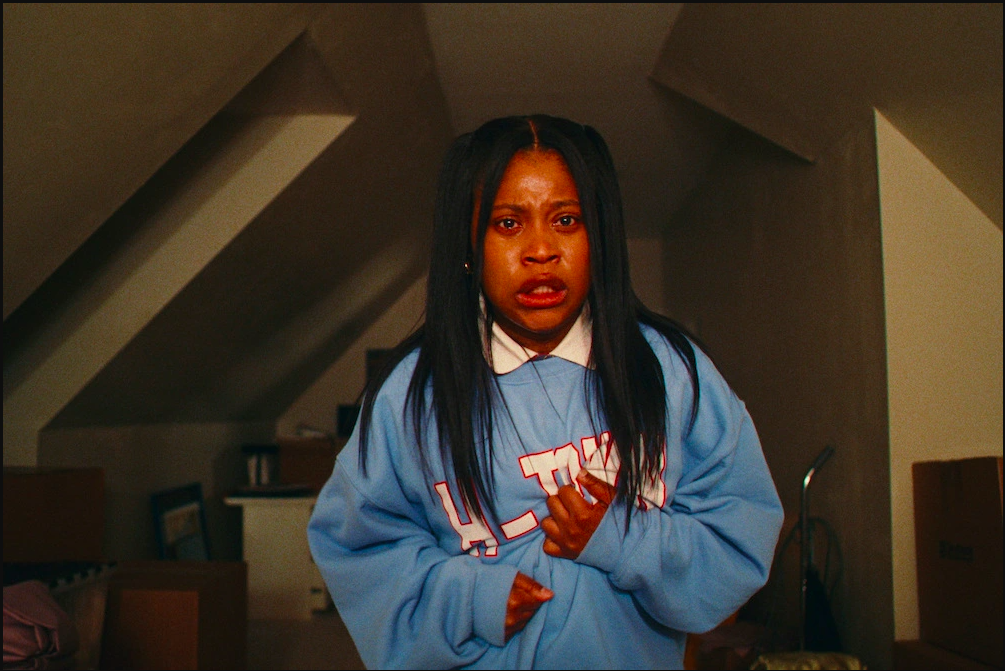 Created by Atlanta's Donald Glover and Janine Nabers, the series Swarm might feel familiar, and according to Nabers, this was intentional. Set between 2016-2018, the show centers around Dre, a young superfan of the fictional R&B star Ni'Jah. While Nabers and Glover refuse to state whether Ni'Jah is based on Beyonce or not, the inspiration is clear. Besides Ni'Jah's famous cheating husband, a surprise album release, and her "more spiritual" sister's music career, the series's name alone makes the connection to the Beyhive clear. Yet, Ni'Jah's character and Dre's obsession feel wholly original, and the show's commentary on crazed fans could easily apply to any fandom. Inspired by real-life Twitter rumors and celebrity feuds, Swarm threads together plenty of well-known instances, including Beyonce's face-biting incident, and gives them new life through Dre's actions. The show's creators make this clear by having each episode begin with the disclaimer, "This is not a work of fiction. Any similarity to actual persons, living or dead, or actual events, is intentional." While Dre character is already unusual and emotionally stunted, grief causes her to spiral, setting her on a path of vengeance and obsession. Even though her decisions are hardly justified (at least for the most part), Dre still comes across as morally ambiguous. The mix of her loss and misplaced love for Ni'Jah feel familiar, as most teens and young adults have likely felt something similar for whichever celebrity they were once obsessed with. 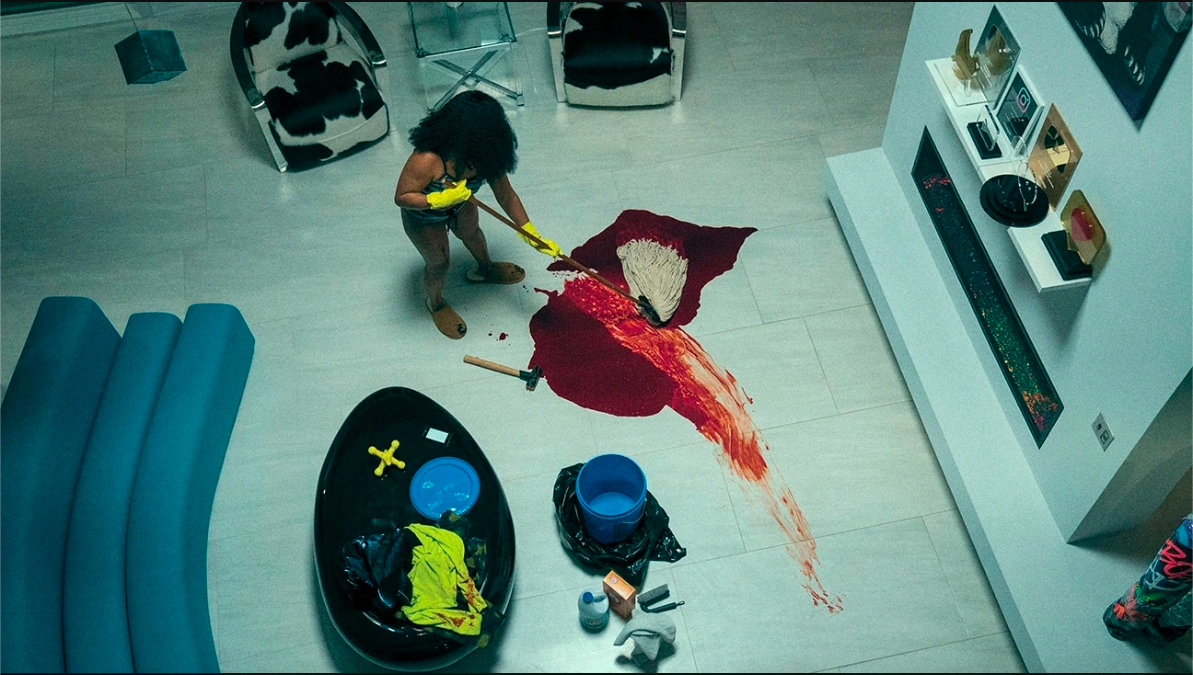 Similar to Atlanta, Swarm is eccentric and full of bizarre scenes. In any other show, this might be distracting, but for Swarm, it tracks with Dre's unusual behavior and distorted reality. Between her intense binge-eating and pathological lying, Dre is intensely unsettling long before she commits any crimes. The rest of the cast is equally disturbing — namely the cult-like characters she meets while trying to break into a music festival that Ni'Jah is headlining.
While Swarm is tonally unique, and the plot tends to keep the audience on edge, the show's semi-surrealism doesn't allow the characters to go beyond what's surface level. Besides being a crazed fan, Dre doesn't seem to have more depth as a character, as her actions are mostly chalked up to her love for Ni'Jah and her friendship with Chloe Bailey's character. This distance keeps the audience from completely justifying her actions or understanding the depths of her grief. Even with this, though, Swarm is an entertaining watch that discusses the complexities of fandoms and social media. Swarm begins streaming on Prime Video on March 17. All eight episodes reviewed. Rating: 4/5 Review by Tatiana Miranda 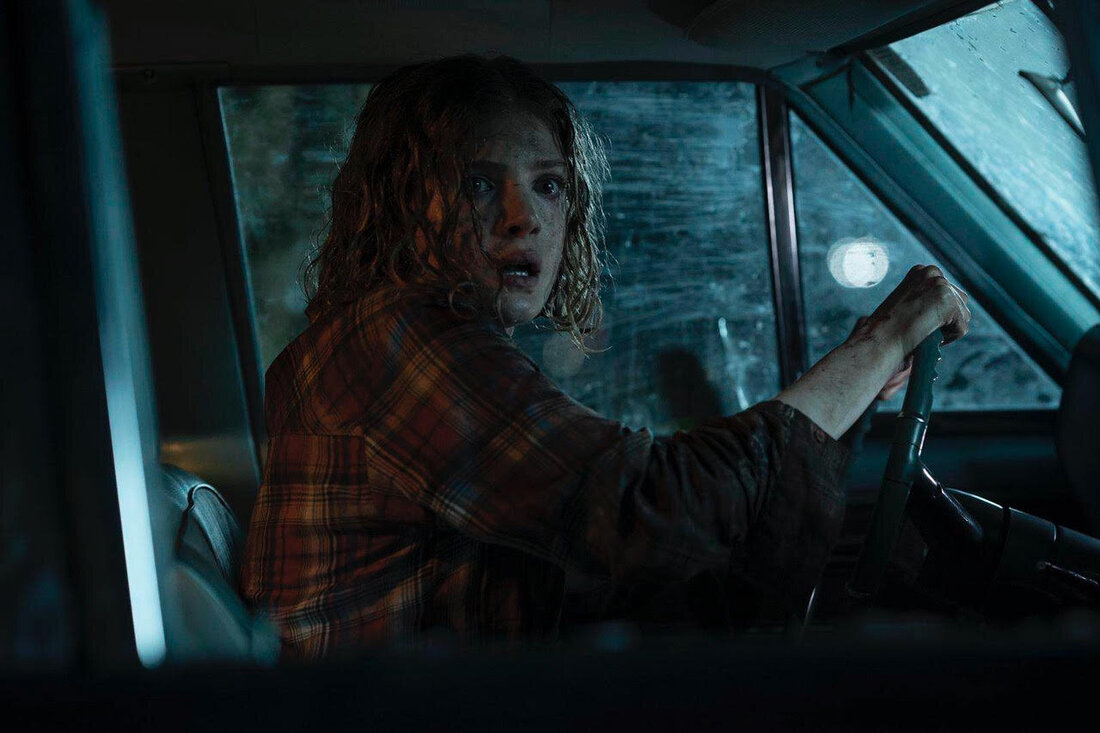 Inspired by Stephen King's 1977 short story of the same name, Children of the Corn is the 11th film based on the classic horror tale. The most popular iteration is the 1984 film, which focuses on a traveling couple targeted by a cult of adult-killing children in rural Nebraska. While this new interpretation shares the same name as the short story and cult classic, its plot differs significantly from its source material and predecessors. As one of the first movies shot during the COVID-19 pandemic in 2020, this version of Children of the Corn strays away from the original's demonic and cult-based horror that was popular in the '70s and instead focuses on environmentalism and the possible effects of fungal diseases. Whereas the original Children of the Corn thrusts the film's protagonists into the hands of an already established cult of children, this film acts as a sort of prequel, showing how the death of the town's adults came to be. The film opens with a teenage boy leaving the cornfield and entering the local children's home, killing every adult in the building off-screen. In order to try to stop him, the local police use cow anesthetic, which does kill him but kills the other children in the home as well. The only survivor is a young girl named Eden, who subsequently makes it her mission to avenge her friends and overthrow the town's adults. 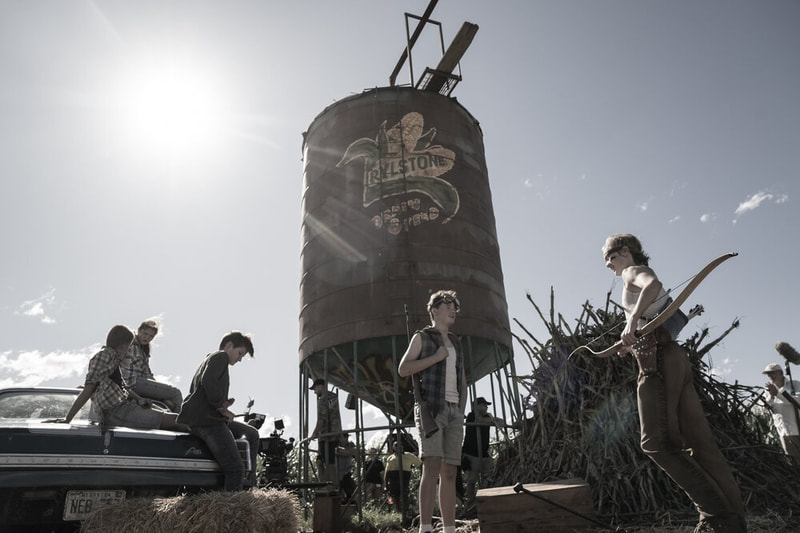 Compared to its source material, in which all of the children of the town — whether old or young — are part of the cult, several older teenagers rebel against both the actions of the adults and the kids. The film's protagonist, Boleyn, aspires to leave her rural hometown and stands up against her father's cowardice. Similarly, her friend Calder hopes to one day escape his abusive dad. Although both teenagers recognize their parents' downfalls, they are understandably hesitant to side with Eden during her reign of terror. Since Boleyn and Calder, along with their two other similarly-aged friends, are between childhood and adulthood, they can see the situation more clearly.
Along with the film's commentary on the changing perception of adulthood as one grows older, Children of the Corn attempts to have an environmentalist message, citing the town's diseased corn as a byproduct of GMOs and other toxic chemicals. In the source material, the failed corn crop is seen as a religious punishment, which makes the children's worship of the crop itself an interesting contrast to the adult's religious devotion. With this tonal difference, the film's supernatural aspects feel out of place. This is especially true with this iteration's choice to physically show the demonic creature He Who Walks Behind the Rows, which did not have a physical depiction in either the short story or the 1984 film. While Children of the Corn has some good performances and unsettling scenes, it could be more cohesive in terms of storyline and tone. Because of this, even the most horrifying shots feel lackluster and silly rather than scary. Yet, this version is bold in its attempt to take a new approach to an already very worn-down story. Children of the Corn releases in theaters on March 3 and hits VOD on March 21. Rating: 2/5 Review by Tatiana Miranda 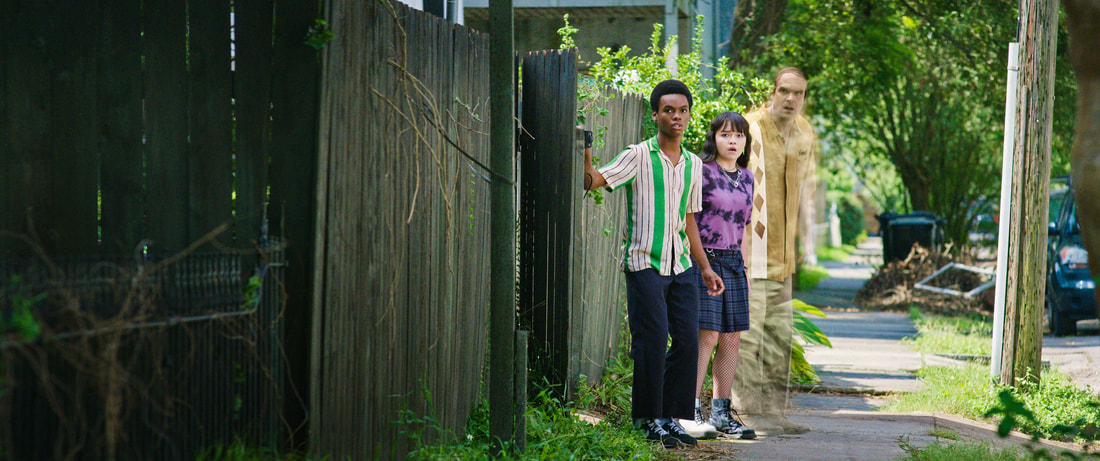 (L to R) Jahi Winston as Kevin, Isabella Russo as Joy, David Harbour as Ernest in We Have A Ghost. Courtesy of Netflix © 2022. Christopher Landon is notorious for his campy supernatural and slasher films, including Happy Death Day and Freaky. With his new film, We Have a Ghost, he attempts to reach a younger and more family-friendly audience. We Have a Ghost is full of well-known names such as Anthony Mackie, Jennifer Coolidge, David Harbor, and up-and-comers Jahi Di'Allo Winston and Niles Fitch. Inspired by the Vice short story by Geoff Manaugh, the film's plot is more silly than spooky and full of modern social media references. From TikTok to Twitter, social media fame is at the center of this supposedly E.T.-inspired story. As most haunted house stories begin, the film opens as teenager Kevin's family moves into a decrepit old home. Moody and almost perpetually listening to music, Kevin is a clear outsider in his own home. His dad questions his music choices, his brother looks down on him, and his mom tries to stay uninvolved. Between Kevin's inability to fit in and his family's financial issues, the move is seen as a desperate plea to make things right. In some ways, they got what they asked for in discovering a ghost in their attic named Ernest. Soon, Kevin discovers that Ernest doesn't remember his previous life, and they must work together to uncover his past in order for him to move on. This plan is derailed when Kevin's dad and brother find out about the ghost and attempt to monetize his existence. Quickly, Ernest reaches internet fame and is memorialized through memes and fan art. Even after run-ins with famous mediums and government officials, Kevin continues sleuthing so that Ernest can stop living as a ghost. 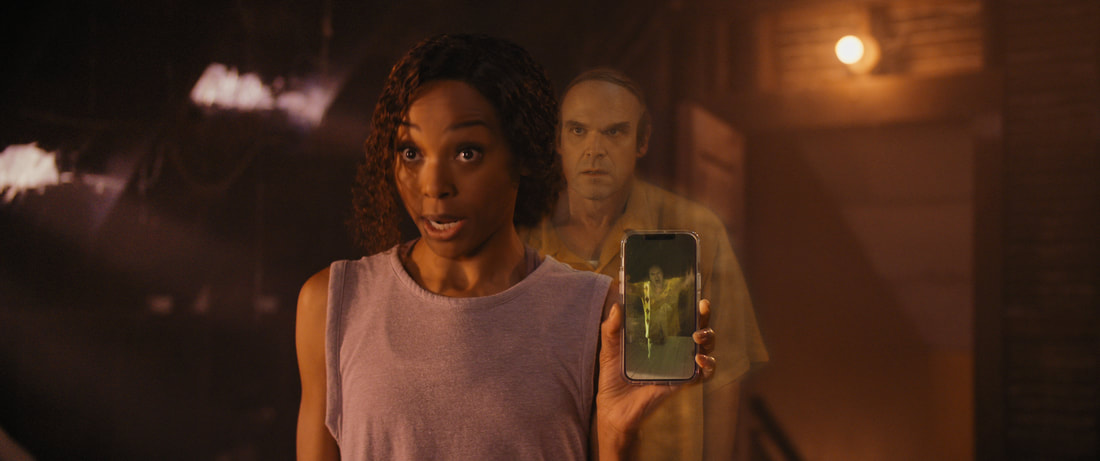 (L to R) Erica Ash as Melanie, David Harbour as Ernest in We Have A Ghost. Courtesy of Netflix © 2022. In interviews, Landon stated that he connected with the story for nostalgic reasons as it feels similar to E.T. While points can be made for that comparison, We Have a Ghost feels more like a Beetlejuice rip-off as both feature abnormal teens befriending ghosts that their parents try to monetize. While both are about parental relationships, the main difference lies within the more superficial notes that We Have a Ghost tries to hit, such as social media and even race, which is an interesting choice for a movie written by a white guy.
Overall, We Have a Ghost is in the same vein as the rest of Landon's films, as they are often easily forgettable and lack any real personality. Some of the main characters, mainly Ernest, Kevin, and Kevin's father, Frank, have the potential to be interesting, multi-dimensional characters, but instead, they fall flat against the jumble of plot points and action sequences. We Have a Ghost begins streaming on Netflix on February 24. Rating: 2/5 Review by Tatiana Miranda 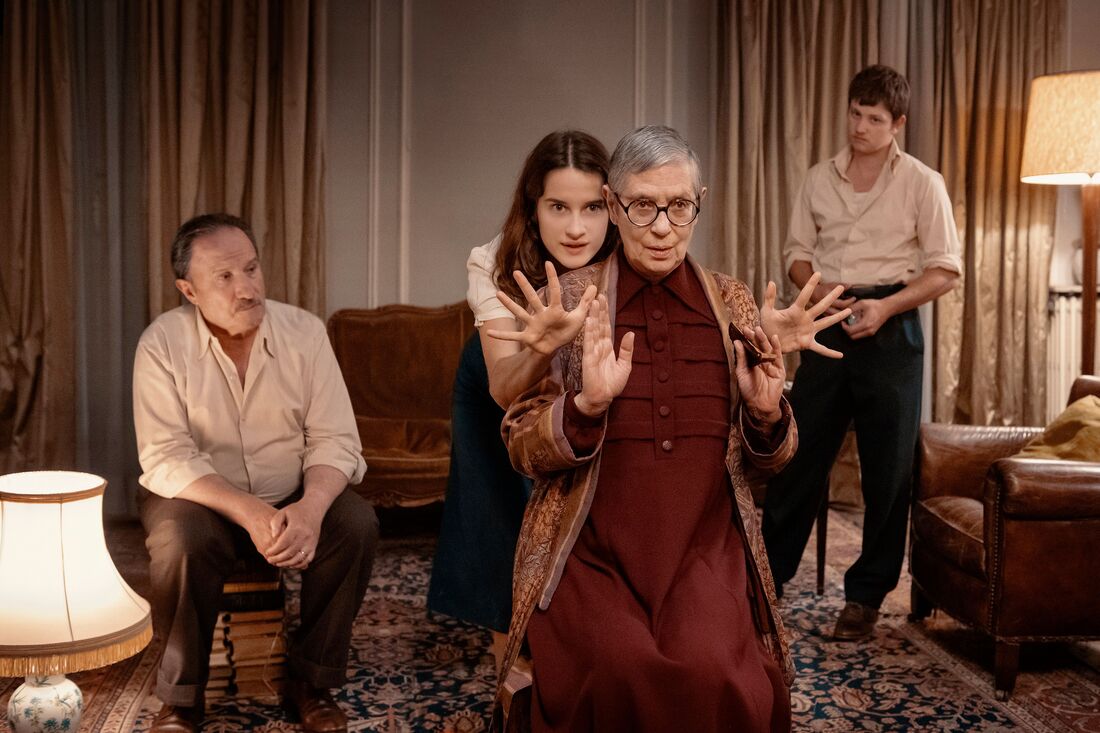 Lately, movies surrounding the Holocaust seem to be a copout for award show nominations and overly dramatic performances. Unlike this trend, the French film A Radiant Girl knows when to focus on the individual rather than the big picture that is its period setting. Set in Paris in the summer of 1942, A Radiant Girl centers around Irene, an aspiring actress on the verge of adulthood, and her family. Focused on her conservatory audition and love life, Irene is seemingly unaware of the intense politics happening around her. Through hushed conversations between Irene's grandmother and father, the audience becomes aware of the family's secular Jewish identity and their subsequent fears as the French government becomes increasingly more concerned with their Jewish identity. Still, Irene remains almost naively focused on her own day-to-day life. While A Radiant Girl's setting is clear by the end of the film, it is not always so, as the film cleverly uses more modern music and ambiguous costume designs throughout. By straying away from the usual habits of period pieces, such as intense costuming and aesthetics, A Radiant Girl allows itself to focus on Irene and her family rather than just the setting. It also allows the audience to have the same tunnel vision as Irene since the encroaching occupation isn't overly noticeable. The main character Irene is bubbly and optimistic about love, her family, and her acting career. Her personality would fit accurately in a typical coming-of-age film, but in A Radiant Girl, it is a stark contrast from the darkness lurking that she seems to be unaware of. Even when her scene partner and crush goes missing, she doesn't linger on his disappearance and instead forges on, enlisting her best friend to help her with her audition scene. While this could make her seem self-involved, her family's lack of communication about the occupation and their identity allows her to focus on more trivial things. 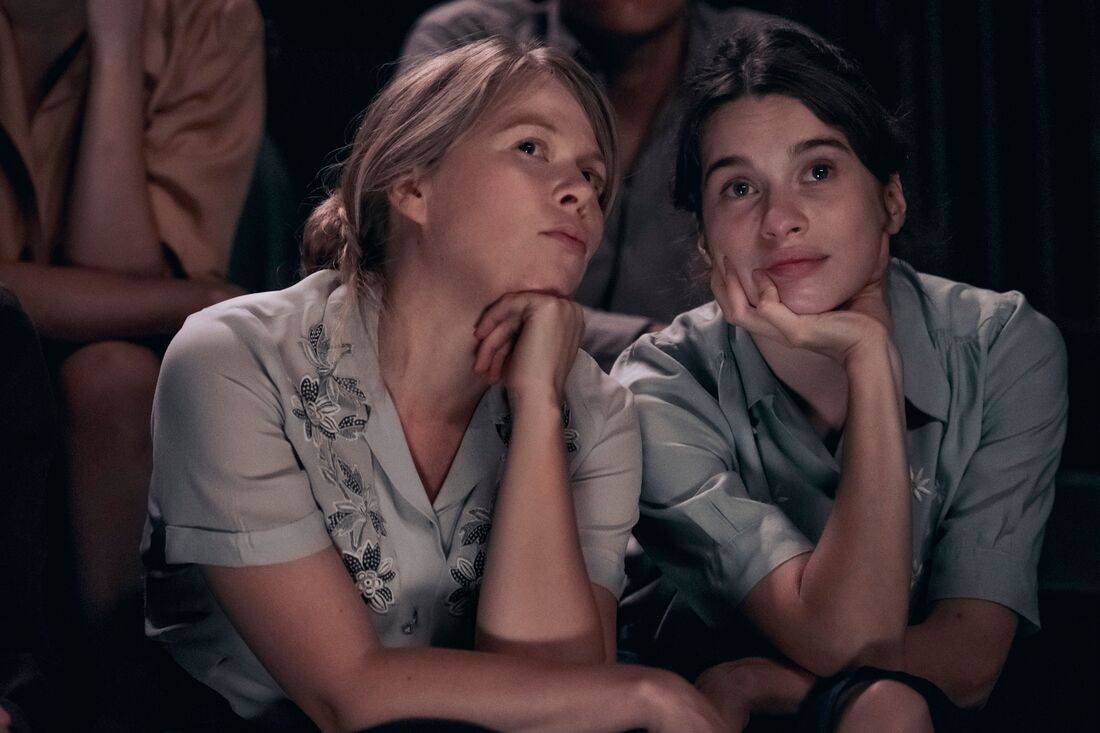 Irene and her family always appear to be on the edge of happiness throughout the film, which makes the final shot all the more upsetting. Constantly practicing her lines and faux fainting, Irene's upcoming conservatory audition is the potential big break she's been waiting for. Beyond her career ambitions, she is also in over her head regarding her love life. She contemplates what to do about her young gauche suitor and stumbles into a romance with a doctor's assistant. Irene's brother and father are also shown on the verge of relationships, both doomed to end before they even quite begin.
A Radiant Girl is a captivating and entertaining character study that allows its characters to exist beyond their Jewish identity even during a time when it's being threatened. The film is just as hopeful as its main character up until the final shot when the audience realizes that there is no everyday life left for Irene and her family. A Radiant Girl releases in theaters February 17. Rating: 3/5 Review by Tatiana Miranda 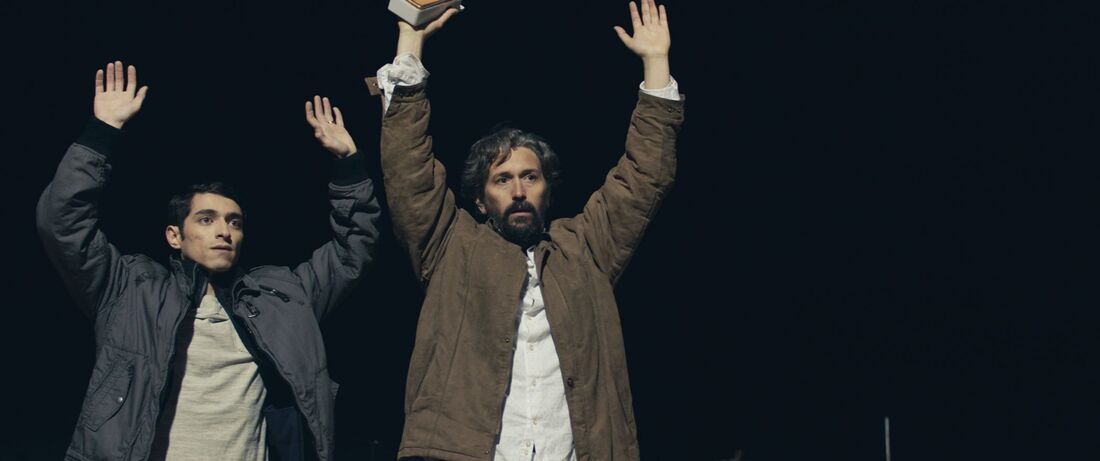 Directed by Israeli director Eran Kolirin and based on Palestinian Sayed Kashua’s novel of the same name, Let It Be Morning is a collaborative work that seemingly defies the current Israel-Palestine conflict at the center of the film. The movie opens at the height of a wedding in a small Arabic village in Israel. Sami, who is the older brother of the groom, is clearly more accustomed to metropolitan life than the family and friends he interacts with during the wedding. Whether it’s for his high-paying job or secret mistress, he is perpetually on his phone as he wanders around the wedding. His superiority complex is apparent during his interactions with his family and old friends, and it’s clear that he longs to escape the confines of his hometown and dysfunctional family. Unluckily for him, though, as the wedding ends and his family attempts to return to their home in Jerusalem, he discovers that Israeli soldiers have locked down the town. Frustrated yet hopeful that they will be able to return home soon, they go back to the center of the village to stay with Sami’s parents and other relatives. Soon after, the town’s power shuts off, quite literally leaving them in the dark and cementing their fate for the foreseeable future. And with no power or way back home, Sami is now unable to hide from his family via his work and mistress in Jerusalem. The reason for the lockdown is later revealed to be a way to capture illegal West Bank Palestinians that are residing in the village, one of which is building a house for Sami’s family. Even though Sami and his father try to protect him, there is a clear class and cultural divide between the three men. While none of the central characters are threatened due to the Israeli manhunt, the main characters have their own varying perspectives on the actions of the Israeli soldiers.  Although Let It Be Morning is definitely a heartfelt drama about family and the ongoing Israel-Palestine conflict, it is also intensely comical at times. This is especially true for the failed release of doves at the wedding, where instead of flying beautifully out of their cage, the doves hide, moving deeper into the darkness. While hilarious to see such a highly anticipated action fail miserably, it is also representative of the confines that those in the lockdown are subjected to. Their hesitance to rebel, even against the singular young guard that resides along the border, mirrors the doves’ hesitance to fly away.
A sharp commentary on current politics, Let It Be Morning is also a story of growth for Sami as he is forced to adapt to his current conditions. While the film captures the ongoing conflict between Israel and Palestine in a unique and informative light, it is also an in-depth character study of each central character as they try to achieve freedom. Full of emotion and bouts of dark comedy, Let It Be Morning is exceptionally poignant and entertaining to watch. Let It Be Morning releases in select theaters on February 3. Rating: 5/5 Review by Tatiana Miranda 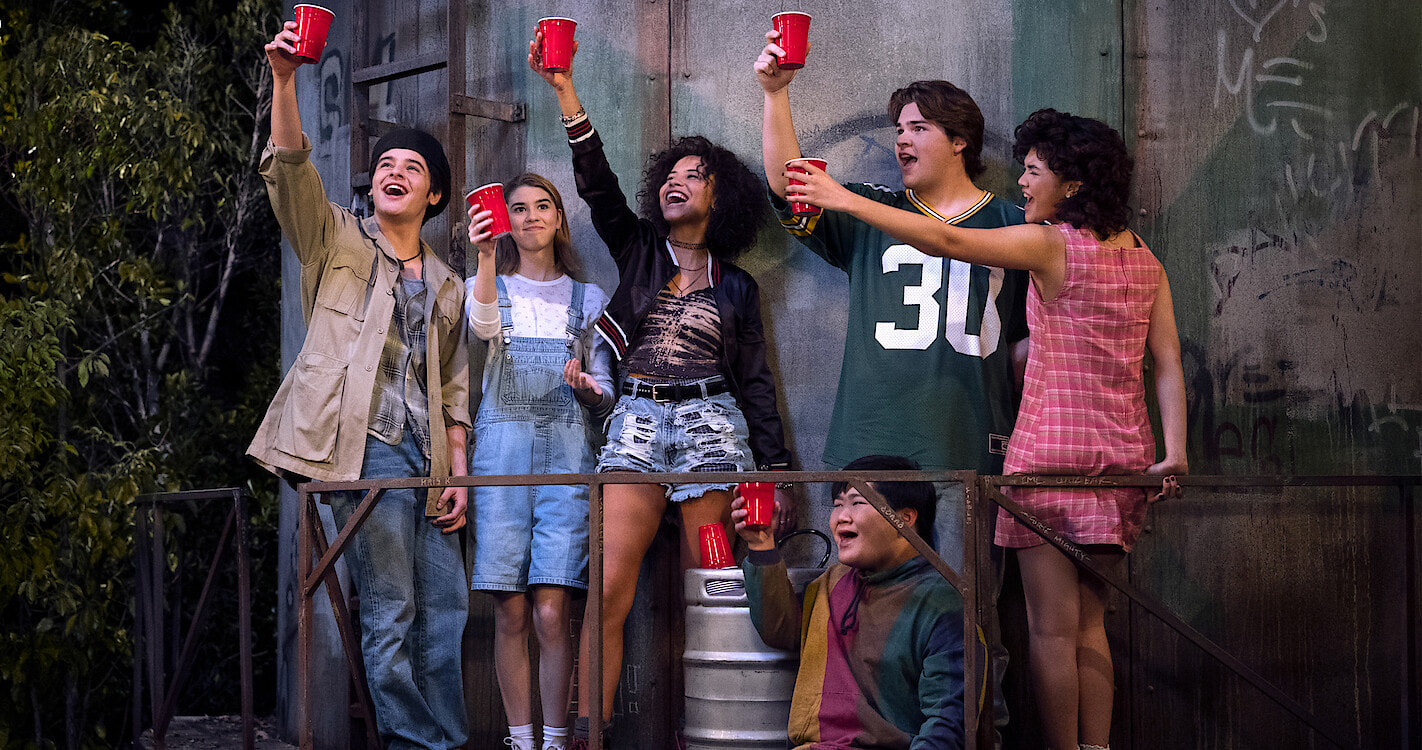 Highly anticipated by some and dreaded by others is That '90s Show, the reboot of That '70s Show. In an age of show reboots focused on sitcoms from the '80s, '90s, and early 2000s, it's hard not to question which shows are wholly original and which ones stemmed from a beloved show of days past. Shows like Reboot have even poked fun at the trend, commenting on issues that face the creators of rebooted shows, namely the involvement of incarcerated or canceled stars of the original series. This has been especially talked about for That '90s Show, as one of the stars of the original series has several allegations against him. Still, That '90s Show is able to incorporate some of That '70s Show's main cast while also passing the torch to a new group of teens. Set nearly twenty years after the start of That '70s Show, That '90s Show revolves around the teenage daughter of beloved characters Eric and Donna as she navigates a summer in her parents' hometown. Leia, played by Callie Haverda, is the perfect blend of her parents, both goofy like her dad while also clever like her mom. 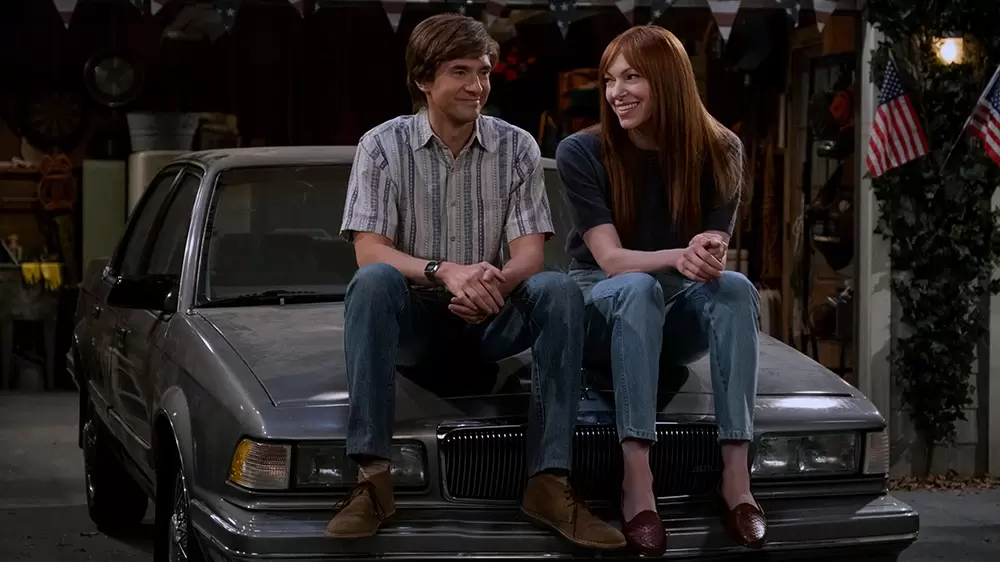 While Eric and Donna are minor characters in this series, their combination of personalities found in Leia is seemingly enough to keep fans of the original show happy. She stars alongside a group of equally funny and unique characters as the original series, who make it easy to overlook the fact that beloved characters like Kelso and Jackie only have passing roles in the reboot.
Perhaps the smartest thing for That '90s Show to have done is to restrict the involvement of That '70s Show's main cast. Oftentimes the overinvolvement of key characters disallows the show from being a separate entity from its predecessor. More so than that, it also creates inconsistencies. While That '90s Show still has several inconsistencies (What about Kelso's daughter from the original series?), it makes the most of its character cameos to explain what happened during the time between the original show and its reboot. Filled with nostalgia for both fans of That '70s Show and '90s culture as a whole, That '90s Show has the same episodic narrative consisting of the gang's various hijinks as the original series. While OG fans might have expected more interactions between beloved characters, That '90s Show is able to stand independently without being limited to being just the concept of a That '70s Show reboot. An ode to classic sitcoms, That '90s Show will likely inspire a new generation to watch its predecessor while also being entertaining for fans of the original series. That '90s Show begins streaming on Netflix on January 19th. All ten episodes reviewed. Rating: 5/5 Review by Tatiana Miranda  From the writer of Scream and I Know What You Did Last Summer is the new COVID-19 slasher film Sick. Sick takes place during April 2020 as lockdowns begin and COVID cases rise. In order to quarantine from being at college, friends Parker and Miri decide to stay at Parker's family lakehouse. Away from the craziness of others possibly carrying COVID, their secluded quarantine seems perfect until they realize that they're not alone. Stalked by a masked killer, Parker and Miri must try to stay safe, and not just from the virus. Sick opens up as Tyler, a young man who is friends with Parker, is grocery shopping. Masked and six feet away from his fellow shoppers, Tyler begins to receive alarming texts, similar to the calls from Ghostface in the Scream franchise. Via text, he is invited to a party, with the condition that he must be COVID safe. After leaving the store, more era-appropriate references are made, such as him taking his mask off immediately upon leaving the store and wiping down his groceries with Clorox wipes when he gets home. Paranoid about COVID, he misses the killer breaking into his home, and his untimely death sets the mood for the rest of the movie. 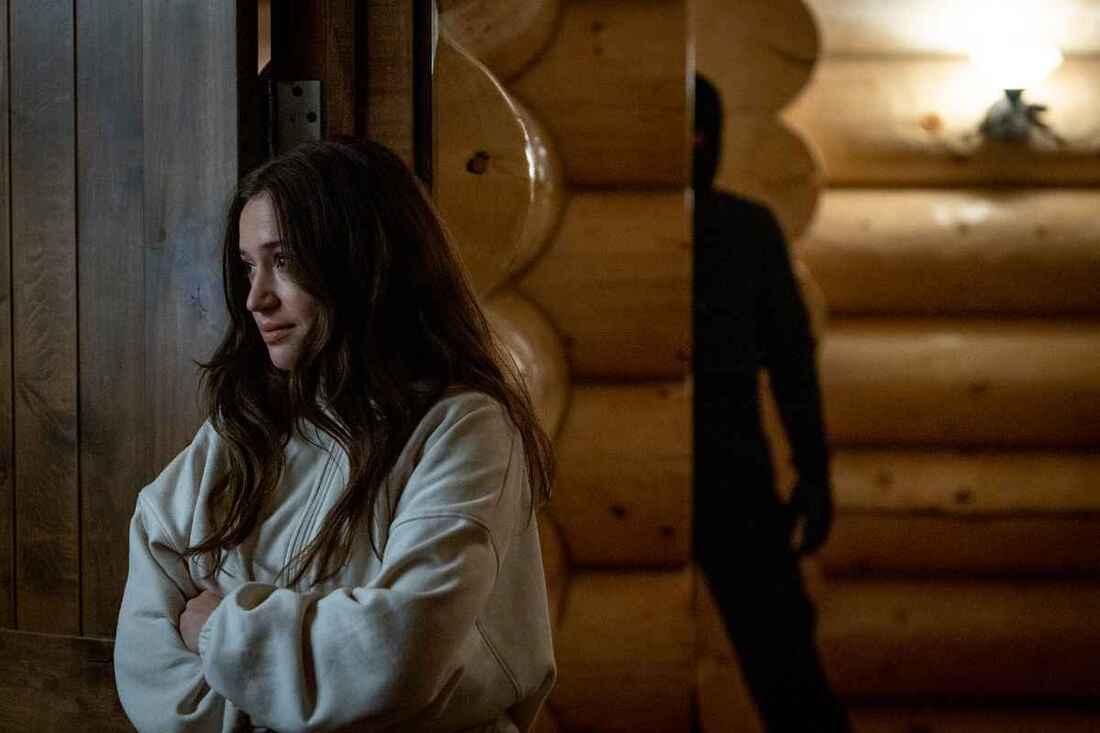 While this movie is relatively original regarding its COVID plot points, it is a typical slasher with its jump scares and suspense. More than once, characters are seemingly magically revived, and with the small cast, it comes in handy to keep the killer from killing them off all at once. The intimacy of a small cast makes their close quarters all the more eerie and poignant when a stranger appears among them. The movie also makes it a point to showcase how Miri and Parker view the virus, with Miri being more strict about masks and social distancing than Parker is.
Even though it is one of the few films surrounding COVID-19, Sick is nothing extraordinary in terms of a horror movie, with its typical jump scares and lazy character writing. Unlike classics such as Scream, none of the characters are properly developed, and even the killer's motives feel cheesy and unplanned. Overall, the film feels more like a comedy in how it pokes fun at how people acted during the beginning of the pandemic. Although it is enjoyable in terms of suspense, Sick is one of the more unmemorable horror films from recent years. Sick is now streaming on Peacock. Rating: 3/5 Review by Tatiana Miranda 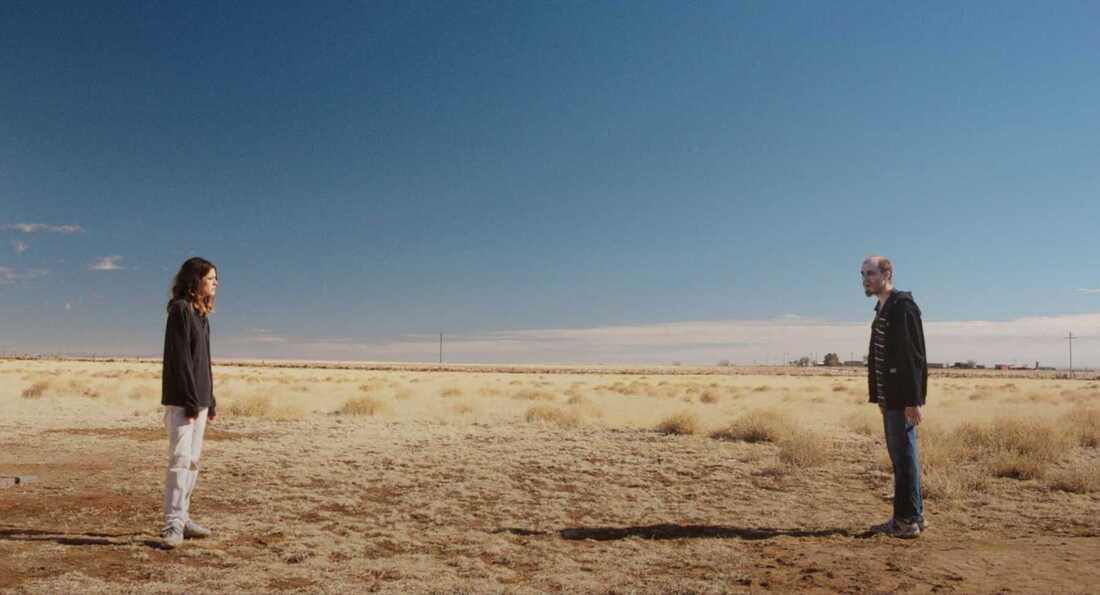 Pete Ohs's new indie flick Jethica is what you would expect due to its simplistic storytelling and low budget, but it's also so much more. Co-written by a majority of the cast and shot during the COVID-19 pandemic, Jethica is reminiscent of a student film. Even with the film's small budget, the cast and crew's clear skills and excitement for what they're creating make Jethica stand out in various ways. While Jethica's clear budget can sometimes come off as silly or impractical, its clever writing and dryness help match the other-worldliness of the film's setting and characters. Quite literally matching the dryness of the character's dialogue is the setting, which is filled with dusty and almost archaic buildings. In a large expanse of land, the main characters only have an old RV home as their refuge against supernatural beings lying in the desert beyond. Reflecting on her time in rural New Mexico, the narrator and main character, Elena, begins the film by telling a hookup about the time she killed a guy. While that certainly draws the audience in, it is hardly the most exciting thing about Jethica. As the movie continues via flashback, the audience meets Jessica, an old high school friend of Elena who has just recently left California. Stand-offish and eager to leave the gas station where the two run into each other, it becomes increasingly clear that she's hiding something. 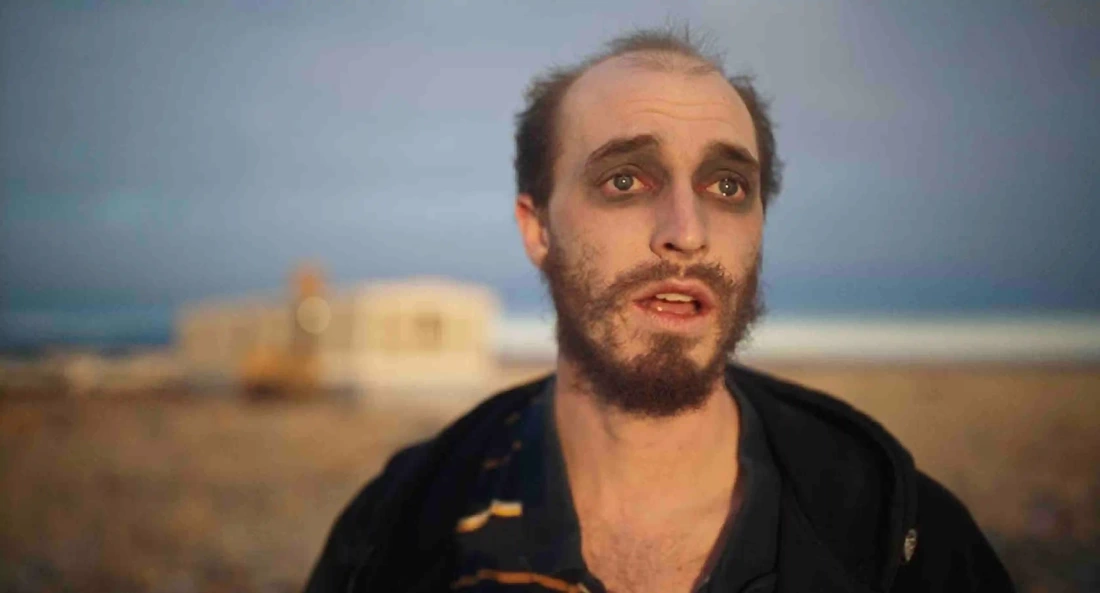 In revealing to Elena that she left California to escape her stalker, Kevin, the film's supposed "villain" is exposed. Buddied up as if no time has passed since high school, the two women realize that Kevin might not have been left in California after all. Filled with plenty of dark humor, it's hard not to simultaneously laugh and still be fearful as Kevin goes off on insane rants, often proclaiming his love for Jessica while also threatening her in the same breath.
Although Jethica's final scenes might come across as silly, they ultimately act as a redemptive arc for both the living and dead as they come to terms with their actions, giving each character a distorted sort of "happy ending." As the credits roll, the audience reflects on the film's themes of friendship, guilt, and the question of what lies after death. Even though Jethica can feel disjointed at times (likely due to the script being co-written by so many people), it is ultimately a thrilling film with plenty of captivating performances. More than anything, it gives power to small filmmakers and shows that even without a huge crew and budget, you can still create a well-made, gripping film. Jethica hits theaters January 13 and streams on Fandor beginning February 14. Rating: 4/5 Review by Tatiana Miranda 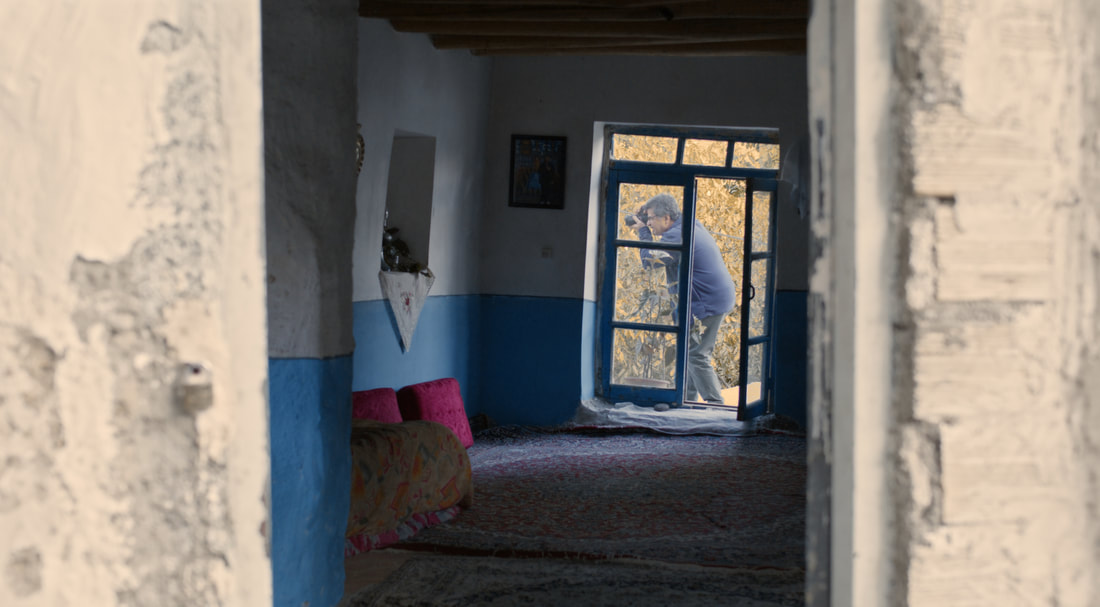 At first glance, No Bears appears to be one of the several movies to come out of 2022 that focuses on filmmaking, alongside The Fabelmans and Babylon. But No Bears is unique in many ways, mainly regarding the context surrounding the film's making and location. Part documentary and part fiction, No Bears is centered around an Iranian director, "Jafar Panahi," who is portrayed by the real-life director of the film, Jafar Panahi. While the film is heavily fictionalized, Panahi's real-world influences are apparent throughout. Having been banned from filmmaking in 2010 by the Iranian government, Panahi applies this struggle to his film as this character attempts to make a movie in Turkey without being able to leave Iran. Filled with slapstick-style scenes of Panahi trying to video-call his assistant in Turkey as his internet connection continues to go in and out, Panahi is able to blend drama and comedy in order to highlight the surrealist nature of the position he is in. Beyond its humorous moments, No Bears is anxiety-inducing. Panahi's real-life urgency and secretive style of filmmaking are reflected on screen as his character resides near the border of Iran and Turkey, slyly working on his next movie. Through the character's actions, those of the characters within his film, and the real Panahi's experience, the audience watches as each deals with their feelings of being trapped. 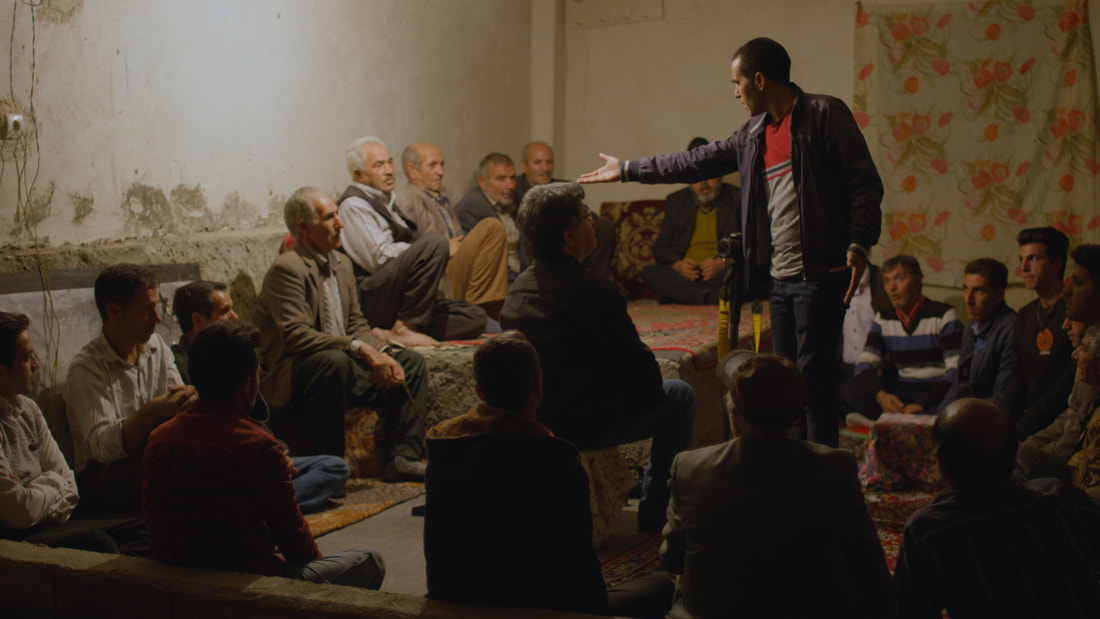 Panahi, the character, frequents the border and contemplates fleeing to Turkey. The characters in his film, Bakhtiar and Zara, are shown trying to gain passports in order to leave and go to Europe, a storyline which is also portrayed to be inspired by the actors' experiences. Lastly, Panahi, the director, includes his personal restrictions through simple but poignant directorial decisions.
Even the film's title harps back to the overarching subject of borders and what lies beyond them. In a conversation between Panahi and his landlord Ghanbar, they discuss the town's superstitious beliefs about bears that keep people from crossing the border. In response to Panahi's question about the bears, Ghanbar disproves this idea and says a line encapsulating the film's central thesis: "Our fear empowers others. No Bears!" Unlike its Western counterparts telling the history and creativity of filmmaking, No Bears tackles the discussion of the limitations many have to deal with when it comes to censorship and authoritarian governments. Even without the context of Panahi's current imprisonment and many run-ins with the law, No Bears is a defiant representation of Panahi's passion for filmmaking and the realities he has dealt with while trying to hone his craft. No Bears is now playing in theaters. Rating: 3/5 |