
|
Review by Daniel Lima 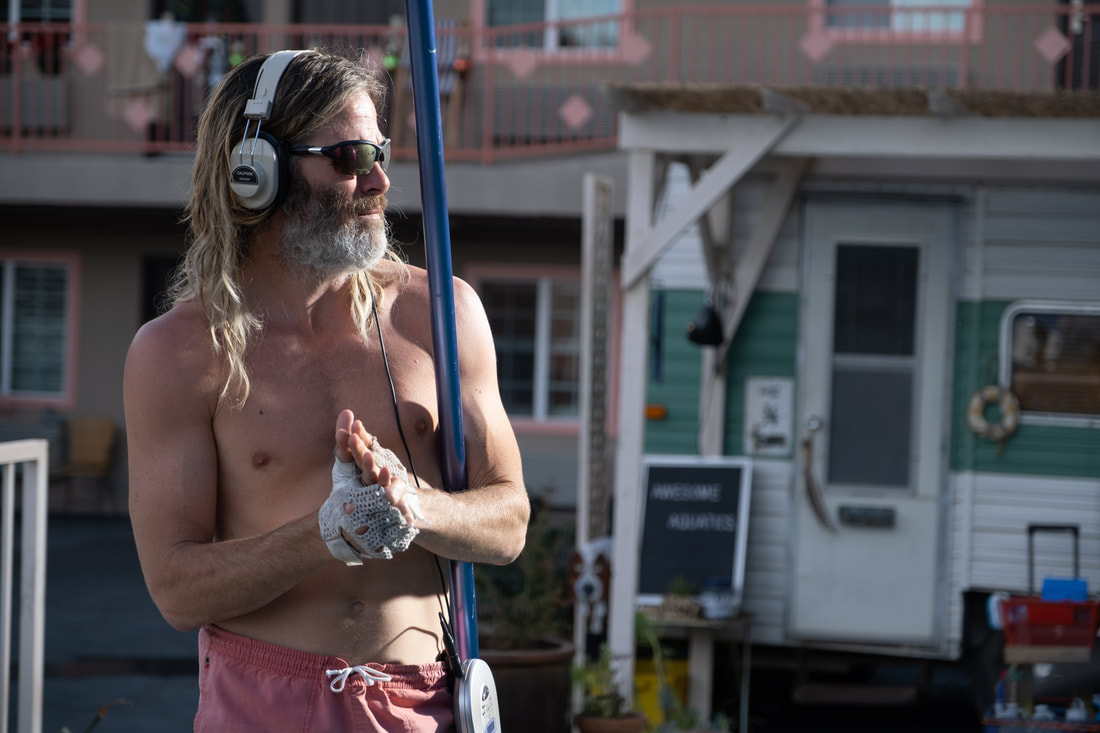 The hazy, loose Los Angeles-set neo-noir has become its own distinct subgenre. Seminal films such as The Long Goodbye, The Big Lebowski, and Inherent Vice follow detectives who end up way over their heads, caught in a web of conspiracies and subterfuge that they unravel only by happenstance. Poolman, the directorial debut of actor Chris Pine, has the charm, the disconnected narrative, the performances, and the look of these films down pat. Paradoxically, however, it lacks the focus that makes the best of them so potent. Pine stars as — wouldn’t you know it — a poolman who lives and works at a roadside motel. After a routine visit to city hall, heckling local officials for not meeting the needs of their constituents, he is approached by a mysterious woman who asks for his help in uncovering a criminal plot involving some of the most powerful men in LA. Together with his closest friends, he attempts to expose the seedy underbelly of the highest echelon of the city… regardless of how utterly lost he actually is. To give the film some credit, it is clear this is a labor of love. Pine is as charming as he has ever been, and it’s clear he has great empathy for the now-familiar archetype of the principled yet underachieving lout, committed to the cause of righteousness even if he is neither the most competent nor exemplary model of a do-gooder. The rest of the ensemble relishes their role, with DaWanda Wise and Stephen Toblowsky especially being the clear standouts. Fostering a sense of community goes a long way in grounding a film like this, and the distinct characters that populate this world certainly help with that. For what it’s worth, it doesn’t have the amateurish, slapdash feel that many an actor’s vanity project has either. Produced by filmmaker Patty Jenkins and the experienced Stacey Sher, shot on celluloid by Jenkins’ frequent cinematographer, and having intricate sets and costumes that are varied and revealing, the care that went into creating this world is right on the screen. In Poolman, Los Angeles is exactly the vibrant, offbeat, singular place that its title character would take such interest in defending. It is unfortunate, then, that the movie makes absolutely no sense. 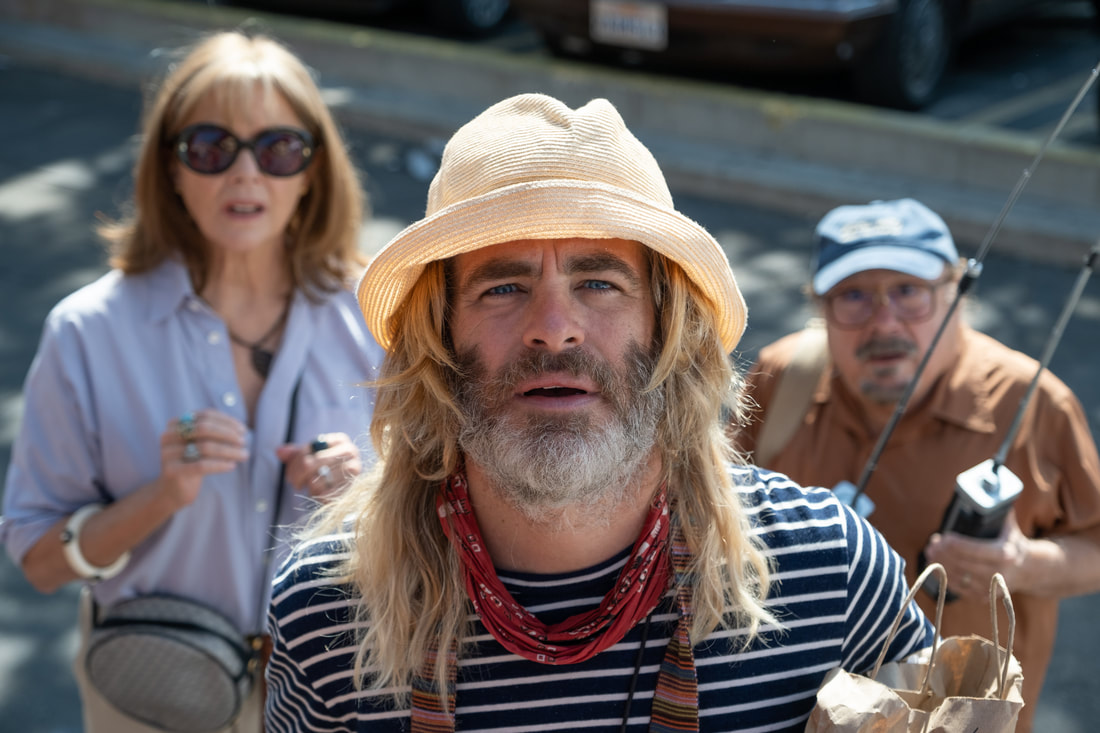 An ephemeral and esoteric narrative, or at least a prohibitively convoluted one, is part and parcel of this brand of sun-soaked noir. That said, they still have to maintain a perspective, impart some kind of artistic thesis, or, at the very least, establish stakes. At some point, there needs to be a sense of exactly how out of their depth the protagonist is, how far-reaching the power of their foes is, and how integral their nefarious schemes are to the society they corrupt.
That moment of elucidation never arrives here. Multiple viewings of Pine’s appeals to the city council do nothing to help clear up what exactly has him so aggrieved in the first place. As he investigates further, the names of people and places are rattled off so quickly, with no faces to attach them to, that it becomes impossible to keep track of who is who and what is what. When these unseen figures do finally show up, they are shuffled into and out of the narrative so quickly that it’s hard to make sense of their significance. All this means that what is actually happening is unfathomable long before the mystery gets underway. This means that this film lives and dies on how much the audience can enjoy hanging out with these characters. The problem there is that, while the performances are solid and the character’s personalities are well-defined, they don’t have good material to work with. For all the absurd humor and outsized acting, nothing here is particularly funny. For all the technical craftsmanship on display, both the flow of the story and the rhythm of individual scenes feel off, with too much dead air in both. A sharper script would have benefitted all the best elements of the movie greatly; without that, there’s nothing to tie it together into a cohesive whole. Yet it’s hard to be too hard on Poolman. At a time when even smaller films feel like they are playing things safe, attempting to meet audience expectations rather than set them, it is nice to see someone use their star power to push something so shaggy and odd to the finish line. Poolman is now playing in theaters Rating: 3/5
0 Comments
H2: THE OCCUPATION LAB -- Informative, Effective Doc on Israeli Occupation Limits Ambitions5/9/2024 Review by Daniel Lima  Documentary filmmaking may be the most dynamic and engaging way to succinctly impart information to an audience, but making that the primary artistic goal creates a ceiling that can be impossible to break through. H2: The Occupation Lab is a sterling example of this, as it seeks to educate viewers about the Palestinian city of Hebron, a portion of which is under the direct control of the Israeli government. Though it is undoubtedly an informative work, it lacks the perspective and drive that would make it stand out. An old city in the West Bank of significant religious importance to both Jews and Muslims, Hebron was forcibly occupied by Israel shortly after its creation. Tensions between the Palestinian residents and the Israeli settlers rose through the decades as the IDF exerted more and more direct control on behalf of the settlers. Today, H2 — the Israeli section of the city — is practically a ghost town, with the Muslim residents subject to raids, detainment, random acts of violence, and a lingering malevolent aura, a sense that they are not welcome in their own homes. The film is certainly effective in detailing how the situation deteriorated to its present state, offering a comprehensive overview of the city’s history. Beginning not with the establishment of the Israeli military government of Hebron but with the massacre of the Jewish population in 1927, the holistic portrait of conflict within the city manages to acknowledge sins committed by both factions without bothsiderist rhetoric that ignores power differentials. It is clear from how the movie is structured, bookending with images of empty streets and IDF soldiers harassing Palestinians, that the occupation is an evil for which there is no defense. It just doesn’t shy away from inconvenient truths.  Most of the film is a chronological rundown of H2, with archival footage and talking head interviews with people present at major events. Surprisingly, not all the interviews are with Arabs; plenty of former Israeli officials and soldiers offer their own accounts, albeit most with a sympathetic or regretful perspective toward the people they worked to oppress. While these segments intend to impart the history of the city, the footage and testimonials are often emotionally stirring and disturbing. Jewish settlers mock Palestinians in their homes; IDF soldiers gleefully talk about gunning down taxis; Arab residents are executed on public streets. Perhaps most chilling is the cumulative substance of the footage, as lively streets full of Palestinians from decades ago give way to a barren, empty ghost town.
However, the movie falls a bit short in articulating a thesis beyond merely retelling and detailing how things got so bad. As implied by the title, it is stated early on that the practices that Israel instituted throughout the occupied territories were first tested within H2 — a perfect staging ground as an Israeli stronghold with a Muslim majority. Since most of the movie is spent on history, however, no time is spent drawing more than a casual link between what goes on in Hebron and Palestine as a whole. Naturally, anyone with a passing familiarity with what has been happening in Gaza can recognize the similarities, but establishing a timeline and a causal relationship between H2 and the world at large would have given these images even more potency and urgency. Ultimately, H2: The Occupation Lab is still interesting, harrowing, and informative enough to warrant a watch despite a relative lack of artistic ambition. Its primary purpose is simply to make its audience more knowledgeable about the situation in Hebron and the whole of Palestine, and it does an admirable job at that. It just would be nice if it attempted to go further than that. H2: The Occupation Lab is available on VOD May 10. Rating: 3.5/5 Review by Daniel Lima  As much as I love science fiction, I can’t help but wonder to myself when the last truly visionary work in the genre was. That isn’t to say we are bereft of any good examples these days, but it feels like there has not been a work like Blade Runner or The Matrix — totemic works that introduced new ideas to the popular consciousness and changed the way we imagined the future — in quite some time. Mars Express is not another game-changer, indebted as it is to well-worn themes and tropes, but it is still a gorgeous package with an interesting world and an engrossing mystery. Set 100 years in the future, humanity has colonized Mars and is supported by a large population of robots — shackled AIs bound into servitude. A pair of private detectives, one human and one robot, go on a routine missing persons job and find themselves embroiled in a much larger conspiracy. Murder, a shady corporation, and a nascent liberation movement threaten to upend the society that has been built on the red planet. This is cyberpunk in a grounded, relatively hard sci-fi world, and it follows many of the conventions set by past works in the genre. Colonists live in huge domes with screens that mimic blue skies; activists jailbreak AI to unlock unrestricted sentience; digital backups for the recently deceased, given a second life in robotic bodies. Similarly, ideas about what it means to be human and the path humanity chooses to take as it pushes further into the universe are part and parcel of this particular subgenre. This isn’t necessarily a bad thing, but there’s not much novelty to this particular vision of the future.  Where the film does succeed is in bringing that vision to life. This is a low-budget animated film, mostly 2D (3D is used for the backgrounds, some characters, and environmental objects), so there is a stiffness to much of the movement, and many of the shorts feel static. The art design, however, goes a long way in giving Mars a distinct feel, clean and corporatized, with hints of older technologies still holding on as the bleeding edge is rolled out. Concepts like organic computers overtaking digital counterparts might not be fresh, but seeing these eerie bioengineered organisms floating in jars is still fascinating.
The way information about this world is doled is one of the greatest strengths of Mars Express. This colony has a long and storied history, with a clear set of pervading beliefs and attitudes. Those details are only ever learned in passing, through dialogue and character beats that don’t take the tenor of exposition. The robot detective has a tenuous relationship with humans that reflects his place in society; mentions of a past military incident involving robots explain the rise of bioware; shunned practices exploit the possibility of copying one’s mind into another body. Worldbuilding like this, seamless and natural, is what separates truly involving speculative fiction from careless dreck. Admittedly, these details are a bit more memorable than the actual story. The investigation does have propulsive energy, and the budgetary limitations of an animated film obviously forced the creative team to consider every single frame very carefully to its benefit. The characters are all well-defined, from the leads all the way down to those that only get a line or two. The ultimate conclusion is surprisingly thoughtful and decidedly not designed to sate a general audience, which makes it all the more affecting. Yet, when thinking about what makes the movie work, the scope and amount of detail spring to mind far quicker than the narrative details themselves. As impressive as Mars Express is, the one thing holding it back is how indebted it is to what came before. At a time when artificial intelligence is now a hot-button issue set to disrupt the current order of things — perhaps for the worst — it is a bit of a missed opportunity for a film like this to reflect past iterations of what the future may bring. That might not detract from what the film offers, but it limits its horizons. Mars Express is now in theaters. Rating: 4/5 Review by Daniel Lima  Another year, another installment of The Roundup. Beginning in 2017 with The Outlaws, the series sees the hulking Ma Dong-seok as a Seoul detective who is as quick to punch through red tape and police regulations as he is an army of criminal scum. The latest entry, The Roundup: Punishment, does little to change a formula already growing stale, but watching its star go to work is its own singular joy. Summarizing the plot feels like a fool's errand, not because it's overly complex but because it is so similar to the previous entries that a description feels unnecessary. A new criminal element pops up in Seoul, with some kind of overseas connection (these films are the xenophobic mirror to Hong Kong's In the Line of Duty series). Ma Dong-seok quickly becomes embroiled in taking down this syndicate, utilizing his extensive underworld connections and brash, bull-in-a-china-shop approach to policing to get results. As the dastardly villains do as they please, he closes in, usually butting heads with his chain of command along the way. Eventually, there is a climactic confrontation, and our rugged hero outboxes the psychopaths he's chasing. Lather, rinse, repeat. Obviously, the details change, but that basic structure seems set in stone. There are worse things for a crime-actioner to be than predictable, but four entries in the plot machinations of this online gambling conspiracy feel cursory, and the antagonists never feel threatening, mainly because of how inevitable their downfall will be. To make matters worse, their schemes and crimes remain largely disconnected from the efforts of the team of detectives to catch them, meaning it takes some time to develop a real personal stake for the cops to apprehend their quarry. Sometimes, it feels like you're watching a Godfrey Ho film, two totally different movies stitched together.  Normally, watching the cops go about their procedural business is fun in and of itself. Here, it feels similarly weightless and perfunctory. At first, it seems like there will be much made of the brutish lead detective's inability to punch out cybercrime, but some techs are added to the team to solve that, none of whom receive any substantial characterization. They also feel like far less of a team in this entry, with very little of the banter that filled the previous films. The one highlight is Park Ji-hwan's petty thief, a fixture in this series who always provides some flamboyant comic relief, and he's not even a cop (one of the few gags relies on that).
Despite all this, it's impossible to be hard on this movie when there is so much time spent watching Ma Dong-seok punch people. The man is a former boxer. He's big and brawny, and just about every movie he is in takes full advantage of those facts. This one, in particular, is liberally peppered with scuffles that see him throwing haymakers that send his adversaries literally flying through the air. The action design isn't particularly impressive, but the man's sharp movements, the reactions of the stuntmen taking the hits, and even the sound design go a long way in selling the power of his blows. It's truly the movie's highlight and one of the selling points of the entire franchise. That said, The Roundup: Punishment does feel like the series is starting to lose steam. Perhaps the creative team behind it is perfectly willing to apply this formula to foreign criminals from every country in the world, but a change would be welcome if only to ensure some kind of emotional investment in what actually happens. If nothing else, I'll always come back to watch this guy hit things. The Roundup: Punishment is now in theaters. Rating: 3/5 Review by Daniel Lima 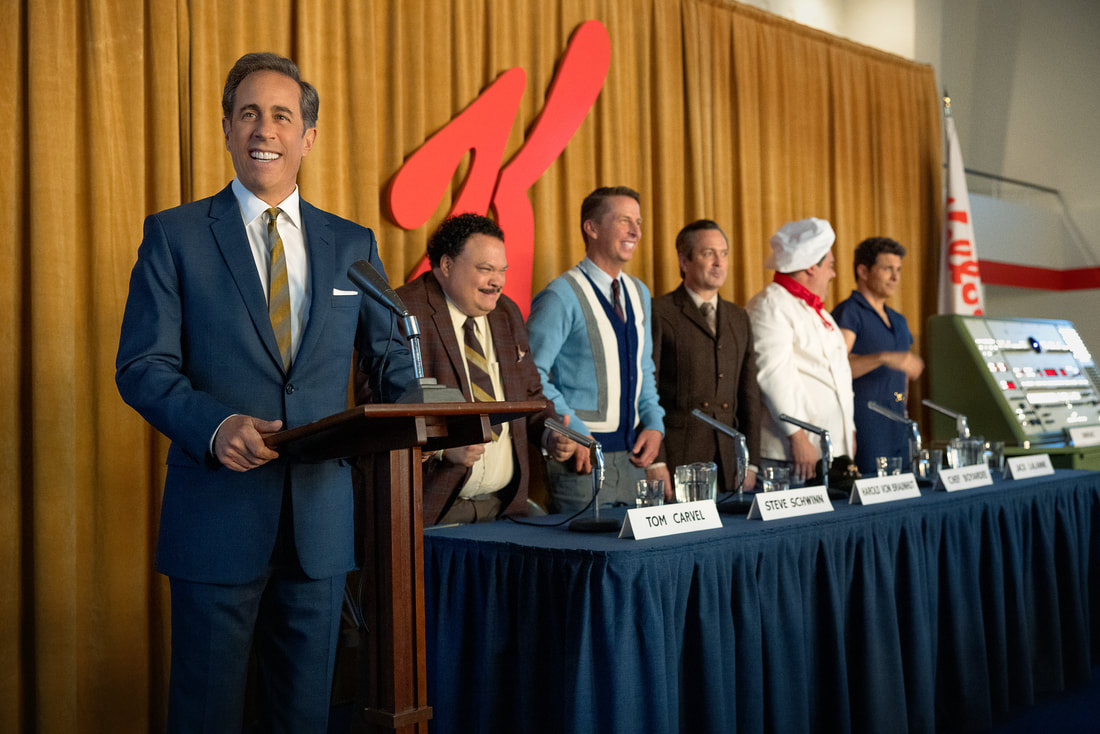 “You can’t do comedy anymore because of woke” is a conviction that comedian Jerry Seinfeld has proclaimed for years now. In spite of his own squeaky-clean material, he firmly believes that comedy is an art and craft that should be separated from the world around it, offering no political perspective, social commentary, or even insight into the artist’s personality or worldview. It’s no surprise, then, that his feature directorial debut Unfrosted is so detached from reality that it’s impossible to see what exactly animated him to spearhead the project. What might be surprising is how poisonously, dangerously unfunny it is. The film is the newest entry in the current infernal trend of corporate IP cinema, movies about the invention of specific consumer products. The product in question here is the Pop-Tart, produced by Kellogg’s in the 1960s. Unlike previous examples that insist on the earth-shattering importance of a pair of basketball shoes or a children’s video game, Seinfeld recognizes that there is nothing special about a breakfast pastry. Instead, the film is a broad, absurdist take on this kind of film: colorful and ornate ‘60s sets and costumes, a vast array of goofy characters played by a murderer’s row of comedians and celebrities, and a dense aura of self-parody and irony. On paper, this is the best possible way to approach the material. Seinfeld’s observation brand of comedy has always been laser-focused on pointing out the absurdity of everyday mundanity (something he has only a tenuous grasp of, given his ultra-rich lifestyle), and a silly movie about a sugary breakfast food seems perfect fodder. There’s plenty of humor to be mined, either by parodying the self-serious version of this kind of film or simply using the skeleton of the familiar narrative structure to allow for every gag the artist can think of. 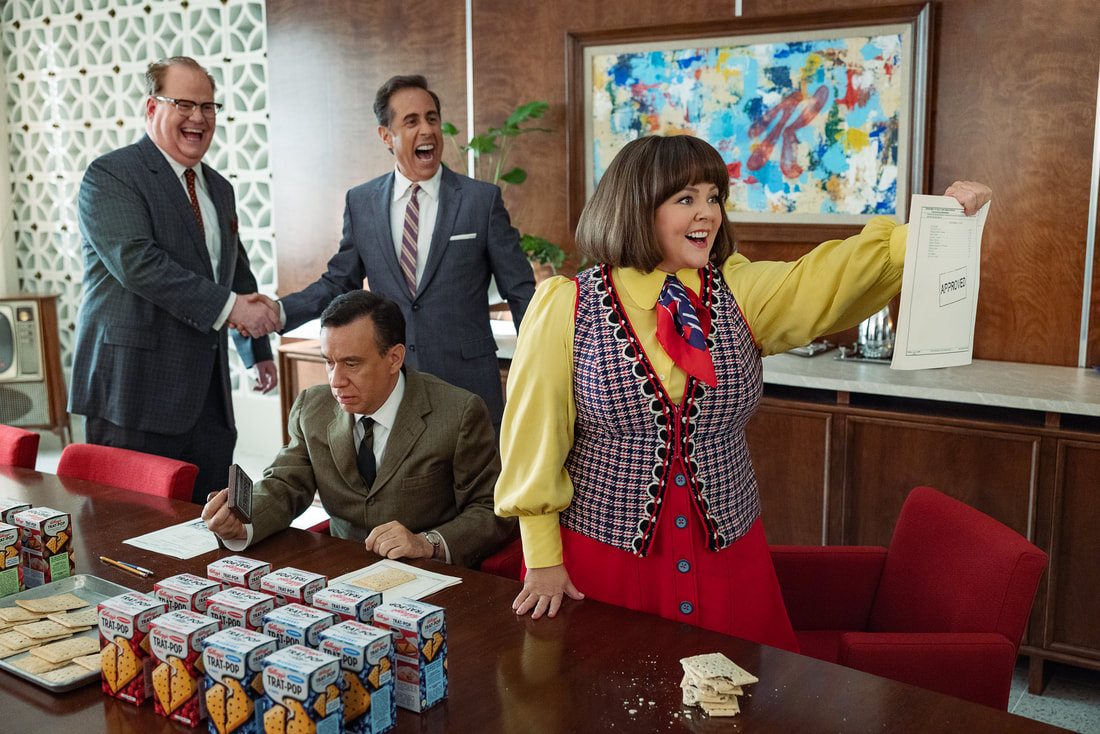 Unfortunately, it becomes immediately apparent that the seventy-year-old man who insists that comedy is an unchanging entity separate from worldly concerns has an incredibly limited imagination. The one-liners are all tired, hack material that recalls Seinfeld’s own stand-up, a relic even forty years ago: “Who’s On First?” style riffs, playground humor about the names of different cereals, and only the most basic pop culture references. The genuinely impressive production design is undermined by high key lighting that gives everything a cheap look, and the scant attempts at visual humor are just as lame and tired. Most egregious is the utter lack of comic rhythm and timing, either stifling the jokes or leaving them to die on the vine. All this is in service to the one big joke underpinning every moment of Unfrosted: “Isn’t it stupid to make a movie like this?” This kind of anti-comedy isn’t inherently bad, with both alt-comics and more mainstream comedians utilizing offbeat timing and hackneyed material to great ironic effect. Where Seinfeld goes wrong is he has nowhere to go except to point out how dumb the enterprise is. This isn’t an explicit parody of the current IP movie trend; there’s a lack of the cartoonishly broad ingenuity of Zucker-Abrahams-Zucker, and the specificity of a Coen Brothers farce is absent. The ensemble is good, but they can only do so much with finger-on-the-pulse jokes about JFK having extramarital affairs (with the exception of Hugh Grant, who shines). Ultimately, the only thing the film has to offer is the acknowledgment that it isn’t good. Which, paradoxically, reveals that Seinfeld truly thinks that this is enough to pass muster with a contemporary audience. The result is a work that is both absurdly self-assured and woefully undercooked. 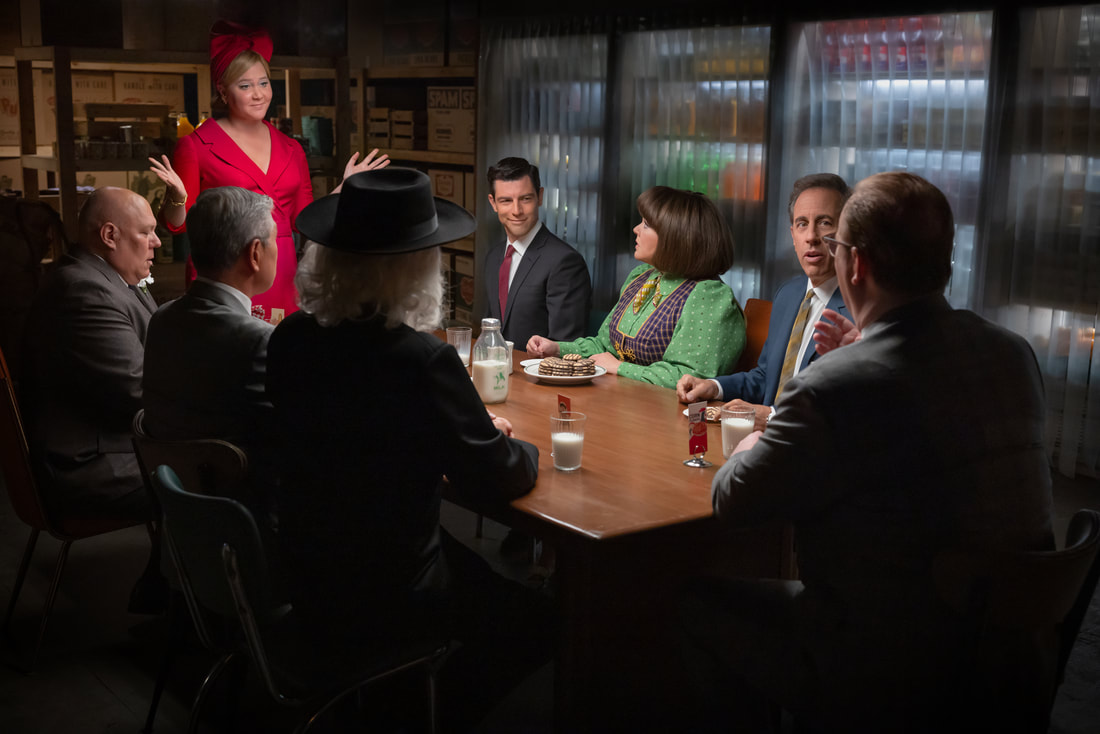 As resistant as the man is to comedy that professes a set of beliefs or directly contends with the comic’s inner self, it’s the fleeting moments of Unfrosted where Seinfeld’s own reactionary impulses shine through that it shows any signs of life. Offhand jokes at the expense of the working class, unions, and socialism manage to sneak through his studiously calculated apolitical veneer in keeping with his frequent criticism of the American left and political correctness. This ambient ideology is never given any weight. Still, when a worker’s strike turns into a Jan. 6-style assault on Kellogg’s headquarters, it doesn’t take much to read between the lines: to Seinfeld, low-wage workers asking for a raise and right-wing extremists storming the Capital are equally silly. As disagreeable as this outlook might be, it does give the film a verve that it otherwise lacks.
Seinfeld's central misunderstanding of art is that it is not a mere mechanism. To him, comedy is a feat of engineering, taking the raw materials that the lives we lead afford us and molding them into something that provokes a certain response; any message or statement is simply a byproduct of that process. While craft is certainly important, art is, in fact, a form of self-expression and communication, and the ideal artist actually has something to say, either about the world or themselves. Cultivating a singular voice and perspective is what marks a true artist and, in the case of comedy, what separates the truly funny from the hacks. This is why Unfrosted is a failure. For all the work done to bring this vision to life, it is shockingly hollow and devoid of any sense of purpose. Even if it were a technically accomplished film that got all the fundamentals right, it would be every bit as soulless and out of touch as the man behind it. It just so happens that it’s also not funny. Unfrosted releases on Netflix May 3. Rating: 1.5/5 Review by Daniel Lima  In the West, the parameters of acceptable discourse on the subject of Israel and Palestine have been limited to simply acknowledging that there is a cycle of tumult and violence. The perception among the general public has been that interrogating why that is far too complicated, that assigning blame is a fruitless effort, and as a consequence, any solutions are far out of reach. After the past seven months of wanton destruction and killing by the Israeli government against the people of Palestine, that narrative is on the wane, and a situation that had been portrayed as prohibitively complex for decades has undergone a massive reevaluation. It is the perfect time for a film like Lyd, a work that draws a clear line between the sins of the past and our present reality and vociferously argues why contextualizing the present within that broader history is crucial in determining the future. Co-directed by American Sarah Ema Friedland and Palestinian Rami Younis, the film makes no qualms about its perspective: the colonization of the Levant in the aftermath of World War I by Western powers and the Israeli annexation of the city of Lyd represents an original sin that created deep wounds that have never and cannot ever heal so long as the subjugation of the Arab population remains the status quo. To that end, the film explores the city’s history via talking heads, narration, archival footage, and even animation, painting a portrait of a people under occupation and a world that could be different. The firsthand accounts of the Nakba, the 1948 ethnic cleansing of Palestinian families from land seized by Israel that saw thousands dead and hundreds of thousands expelled from their homes, are breathtaking. One man still living in the city recalls being forced as a child by the occupying forces to bury the bodies of those they killed, some so disfigured they had melted; a young man who has spent his entire life in a refugee camp mentions that his grandmother’s house is still standing and occupied by settlers, yet he is not even allowed to enter the city. Most chilling is a collection of testimonies from Israeli veterans, compiled by the IDF itself, where they remember what it was like shooting into building filled with men, women and children. One man, in particular, visibly disturbed, speaks of looking into the eyes of defenseless Palestinians and seeing himself as a murderer through them and how he was to them what generations of oppressors were to his people. Off-screen, someone derisively asks, “What, are you a pacifist now?” as if that is a bad thing. The man clams up. Taken with the contemporary Palestinian accounts, these interviews establish that the origins of this conflict are not ancient, not incomprehensible. They are the direct result of people and are still within living memory, so this conflict is not the hopeless quagmire we are so often told it is.  There are some attempts to show what life is like for Arab Israelis, the fallout of the Nakba that continues to rain down. While these slice-of-life scenes serve that purpose, displaying in stark relief what life under oppression is like, there is a certain artifice that is hard to shake. Some moments, like the camera gliding behind a man as he walks through the streets of his ad hoc community, feel perfectly lived in. Then there’s a shot-reverse shot scene of him ordering food at a restaurant, and suddenly, the film has adopted narrative cinematic language in a way that makes it feel inorganic. Nowhere is this more pronounced than in the classroom scene, where a group of children are asked about their identity. Their teacher is brought to tears by the ignorance they display about what it means to be Palestinian, and it is indeed shocking to hear their responses, but that shock can only go so far when the scene is so composed.
That being said, the documentary does have several more fanciful elements that work to varying degrees. The narration is given from the perspective of the city itself, a flourish that lends the film a certain texture but little else. More notable are the animated sequences, glimpses into an alternate world in which the Levant was never colonized by Europe. Admittedly, the rosy vision of a pluralistic society that knows only peace can be seen as a bit fanciful, particularly considering the film does reference religious tensions before the First World war. As is made clear by the finale, however, it is by imagining what could have been and what could be that calcified ideas of how the world is can be shattered. That is the power of Lyd: it shatters assumptions that many may have, until very recently, held unchallenged about the lives of Palestinians under Israeli occupation. The image it presents is filled with pain and suffering, of people forced to see what was taken from them as a daily form of torture, yet it does not simply revel in that suffering. Instead, it diagnoses the root cause, puts a face to the perpetrators, and, in doing so, allows the possibility for justice and a better tomorrow. Lyd arrives in theaters April 26. Rating: 4/5 Review by Daniel Lima  Those unfortunate souls suffering through the aggravating throes of insomnia need suffer no more; Dancing Village: The Curse Begins is here to cure you. An Indonesian horror prequel helmed by Kimo Stamboel (half of the Mo Brothers directing duo with Timo Tjahjanto), this follows in the ignoble tradition of both the director’s previous work and the original film by being ugly, slow, dull, and generally bereft of all the qualities one would want in a story. KKN, Curse of the Dancing Village was based on a Twitter thread that went viral in Indonesia — a story about a group of college kids doing community service in a remote village inhabited by a variety of strange spirits, most notably, a woman draped in ornate clothes who compels people to sin and to enter her nefarious court to entertain her forever. While that film was a huge commercial success within its home country, it failed to generate any tension, horror, atmosphere, or empathy for its characters. Not much is different here. Though set decades before the events of the first, it follows the same general template: a group of young people enters the village, a series of strange encounters occur, and two hours later, the movie ends. The group only includes four people rather than the six in the original, but they receive even less characterization. They are not entirely unaware of the threats that dwell within this distant outpost, yet they still foolishly blunder about from terror to terror without ever naturally reacting to the lunacy happening around them. The hamlet is almost identical to how it looks forty years later, squandering the opportunity to cast it in a new light. It’s almost surprising how little this film adds to the world. 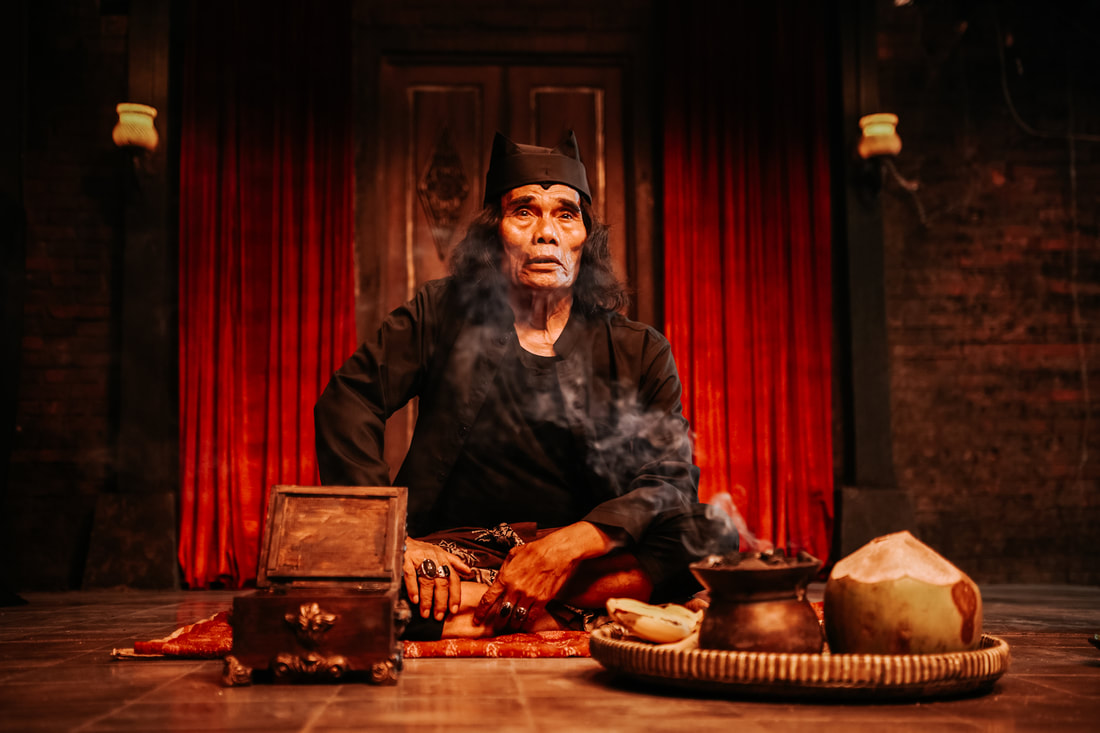 One would hope a notable director would at least deliver on genre thrills. That would mean one has not seen any of Kimo Stamboel’s work; if DreadOut and his The Queen of Black Magic remake are any indication, he lacks the imagination and command of the craft to deliver a genuinely frightening or disturbing horror film (he also is the director of Sewu Dino, the second film in the series, but there are only so many hours in the day). With the exception of one moment of grisly practical effects work, every sequence meant to evoke terror instead inspires boredom: lots of screaming in reaction to a figure suddenly appearing — in full view, with no attempt at building suspense — and shot-reverse shots attempting to string out what was already a lame attempt at a scare. Add to this a bland visual language only occasionally spiced up with some color, and you end up with a horror film that lurches forward at an agonizing pace.
If there’s any defense to offer the film, it’s that there might be aspects that simply do not translate. In the first film, the antagonist is referred to as a djinn by a devout Muslim; no one calls her that here. Perhaps something is being explored in the relationship between Islam and Indonesian folk beliefs. Of course, they are still photographed in a way that robs them of any weight, and all the fantastic elements of this film were imported from the previous works. It is possible, however, that some of this material will go over the heads of international audiences. Absent that possible context, however, Dancing Village: The Curse Begins is almost wholly without merit. If one is not lulled to sleep from the sheer level of inactivity, this is bound to be an interminable chore of a watch. For those interested in contemporary Indonesian horror, I would respectfully recommend the Tjahjanto’s May the Devil Take You films, as it seems that half is where the talent of the Mo Brothers lies. Dancing Village: The Curse Begins hits theaters April 26. Rating: 1.5/5 Review by Daniel Lima 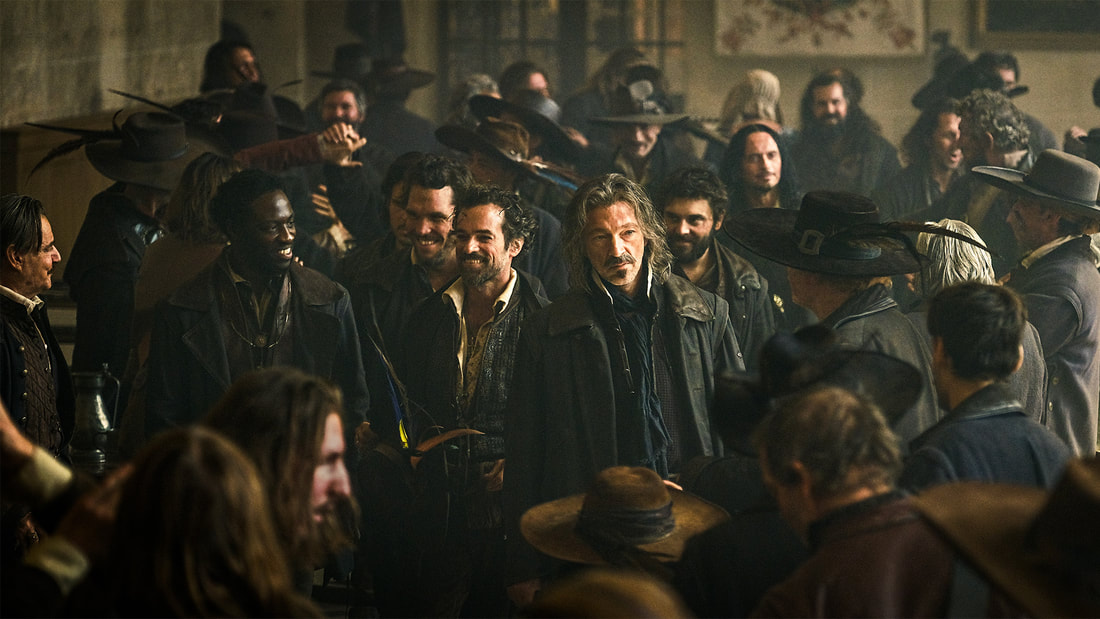 The first part of the latest adaptation of Alexandre Dumas's classic book The Three Musketeers was a surprising amount of fun, a lavish production filled with intrigue, romance, and action. That remains true in The Three Musketeers - Part 2: Milady, yet it feels like the spark has gone from the back end of this diptych. Where the previous film flies by, like the rousing adventure novel that inspired it, this ambles along without a clear sense of direction. As impressive as the production value is, it cannot cover for a lack of narrative momentum. Picking up right where the last one ended, the fresh-faced musketeer D'Artagnan wakes up imprisoned by an unknown adversary, having just witnessed his paramour being abducted by yet another unknown foe. From there springs yet another tale of convenient alliances, double-crosses, love, and brotherhood. Hopefully, you remember a good deal of what happened in part one; personally, the "previously on" segment at the start was insufficient, and it took a good amount of time before I was on the same page as the characters. The two halves were shot at the same time, so many of the observations about the first can be ported over to the second. The performances are all fine, with Eva Green being a particular standout here, lending her character a vulnerability previously unseen. The film's scale is impressive, though occasionally undercut by the drab palette and perfunctory compositions. The action is again a series of faked long takes, robbing the fights of any rhythm and doing no favors for the leads, none of whom seem particularly skilled at fight choreography.  That is not where this entry falters. Where there were multiple narrative threads in the previous film that depended on the direct actions of its protagonists pushing the story forward — romantic interests being pursued, conspiracies being untangled, bonds being forged — all the characters here are relegated to reacting to circumstances that arise arbitrarily. It's a change that leaves the protagonists idling about, confoundingly inert, and passive even when one would assume their goals are time-sensitive. Combined with a comparatively sprawling story, one that sees most of the ensemble uprooted from the Parisian splendor that was their home, the result is a lack of focus that makes it hard to remain engaged with what is happening.
While I am only vaguely acquainted with the source material, it does seem like the adaptation is unduly constrained by it. Changes to the narrative and characterization — particularly of Eva Green's character, who christens this installment — that are meant to modernize a two-hundred-year-old story ultimately must still conform to its beats, leading to a work at odds with itself. Moral ambiguity is certainly not a storytelling flaw, but the clouded portrait the script paints feels less like a conscious choice and more the result of contradictory motifs and themes. This culminates in a finale that feels mean-spirited, rushed, and incomplete, a far cry from the clean ending of the previous movie. It is a sour note for The Three Musketeers - Part 2: Milady to end on, but that isn't to say it's a wholly unpleasant experience. The attention paid to craft is true for the entire production, and though there is no clear sense of purpose to anything that occurs, it at least does so at a decent pace. As clumsy as this landing is, it still leaves me interested in actually picking up the book to see whether this speaks to a weakness in the foundation or in the building. The Three Musketeers - Part 2: Milady hits theaters on April 19. Rating: 3/5 Review by Daniel Lima 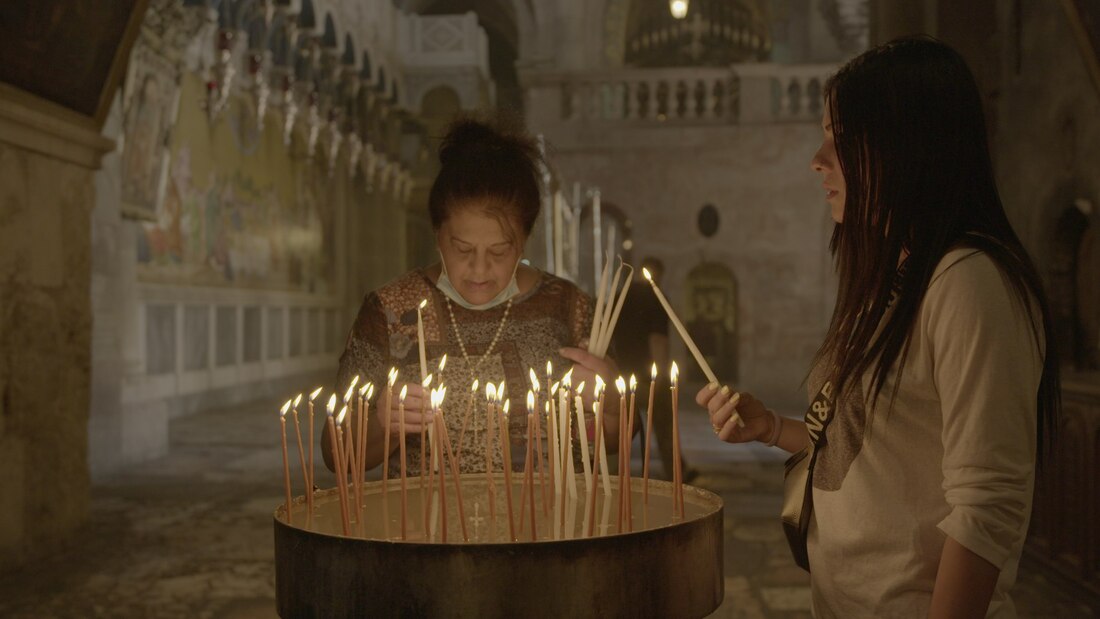 Mourning in Lod opens with text informing the audience that the city of Lod — Lydda to the Arab residents — is one of the "mixed cities" of Israel, with a large population of both Jewish and Arab Israelis. Absent from this context is why this is the case: while the city had an Arab majority for over a millennium and was included in the original UN plan for the state of Palestine, the city was annexed by Israeli forces in 1948, killing hundreds and expelling tens of thousands of Arabs from their homes. Whatever the intentions of director Hilla Medalia, this sets the tone for the rest of the documentary, a human-interest story that ultimately reveals more in what it omits than what it shows. The film charts the story of three families brought together by civil unrest in May 2021 during a period of intense conflict between Israel and Palestine. Musa Hassuna was an Arab Muslim citizen who was killed while walking home by an Israeli settler; Yigal Yehoshua was a Jewish Israeli citizen who was killed while driving home by an Arab protestor. Yehoshua's organs were donated, and his kidneys went to Randa Oweis, an Arab Christian citizen. Through interviews with the families and following them in the wake of these tragedies, the film explores the emotionally charged atmosphere of Lod/Lydda and laments the pain it takes to bring people together. While the film positions itself as an exploration of the city through this unique microcosm, it is first and foremost about these three families that found themselves connected by chance or fate. Their testimonies are indeed moving, a mix of anger, sorrow, and appreciation for the people in their lives and their community, as volatile as it might be. These moments are when the film is at its best, capturing the void that the death of these two men has left, as well as the new lease on life afforded to another. To give credit where it's due, Medalia doesn't shy away from the disparate realities that the Arab and Jewish families experience in Israel. Most of the scenes with the Hassuna's family center on the protests led in the aftermath of Musa's murder, with his killer's plea of self-defense accepted by Israeli authorities. Meanwhile, the entire Arab community feels the pressure in the aftermath of Yigel's murder, and the accused are quickly rounded up and held awaiting trial for years. There is a clear empathy for the struggles of Israeli Arabs. When Musa's father furiously attests to how little the government cares for people like him, it feels every bit the unvarnished truth as the moments where he cries over a son taken from him far too young. It's a commendable thing to include in a documentary such as this.  That being said, in rooting its own perspective on the conflict within the experience of these families, Mourning in Lod creates natural limitations in how much insight it actually has to offer. As marred by tumult and tragedy as this story is, it still ultimately is portrayed as something of a silver lining. There are scenes of the various members of the Hassuna, Yehoshua, and Oweis families interacting with each other, expressing their dismay at the state of their city, being genuinely appreciative of each other's company, and joining each other in their grief. Though the film is frank about the systemic discrimination faced by Arab Israelis, it stops short of giving voice to any solutions or even simply singling out an ultimate culprit for the discrimination. The plight of these people is acknowledged, but only as part of a larger cycle of violence, a heinous evil with no perpetrator. If the film was actually an impartial observation of these people and the lives they led — or at least adopted the veneer of impartiality — this could be excused as a consequence of adhering to the subjects' worldview, that they themselves see the conflict as something bigger than them and impossible to seek an end to or redress for. Putting aside that this does not seem to be the outlook of at least one of the families, this is a movie that uses the cinematic form to create a certain vision of reality. This is a slickly produced doc, clearly shot with an intention that goes beyond the capabilities of merely capturing candid moments. The images are skillfully composed, attention is paid to lighting and how people are positioned within the frame, and the score loudly announces to the audience what they should be feeling at any moment. Most egregious, however, are the scenes that are clearly staged. When the Oweis family shows up to Yigal's sloshim, they do not immediately leave their vehicle and must be coaxed out by his brother. It's a moment that might be heartwarming if one doesn't stop to think about how the camera crew had the foresight to set up both in the car and outside it for a proper shot/reverse shot. When Musa's widow visits his grave with their daughter and tearfully tells the child to speak to her father and promise to become a doctor, it's hard not to look at the tight, carefully composed shot of their faces together and wonder if they've been coached on what to say by the filmmakers for a scene that would be perfect for the movie. Similar scenes litter the entire runtime. Perhaps these moments were completely natural, with absolutely zero input from the production team. The point is that they don't feel natural; instead, they come across like the filmmakers utilizing the language of cinema to present a heightened version of reality. It's certainly no crime for the director to make something cinematic. Still, the manufactured quality of these moments calls attention to the role of a director in a project such as this.  This begs the question: Why this heightened version of reality?
Why, in a city whose violent and forceful annexation by a colonial power is still within living memory, with a history of systemic discrimination and far worse against citizens within borders both disputed and undisputed, would one choose to tell a story with no ultimate sense of resolution or justice? Why is that oppression the backdrop to a personal story of unity, a borderline feel-good narrative that does not reflect the environment that it sprung from? With so many stories that speak to the struggle of the citizens of Lod/Lydda, why tell this one? Mourning in Lod is a film that genuinely seems to have its heart in the right place, full of empathy and a genuine love for these people who were able to transcend division and find some small measure of peace among each other. That said, it fails to provide a broader critique of the conditions that so dramatically affected the lives of its subjects, nor does it ever articulate a thesis for what this story has to say about those conditions. If we are to accept that there is a real power in documentary filmmaking to expose the truth and say something of substance about the world, then a film that so studiously avoids taking a stand can only be seen as a disappointment. Mourning in Lod premieres in theaters April 19, and arrives on Paramount+ May 17. Rating: 2.5/5 Review by Daniel Lima 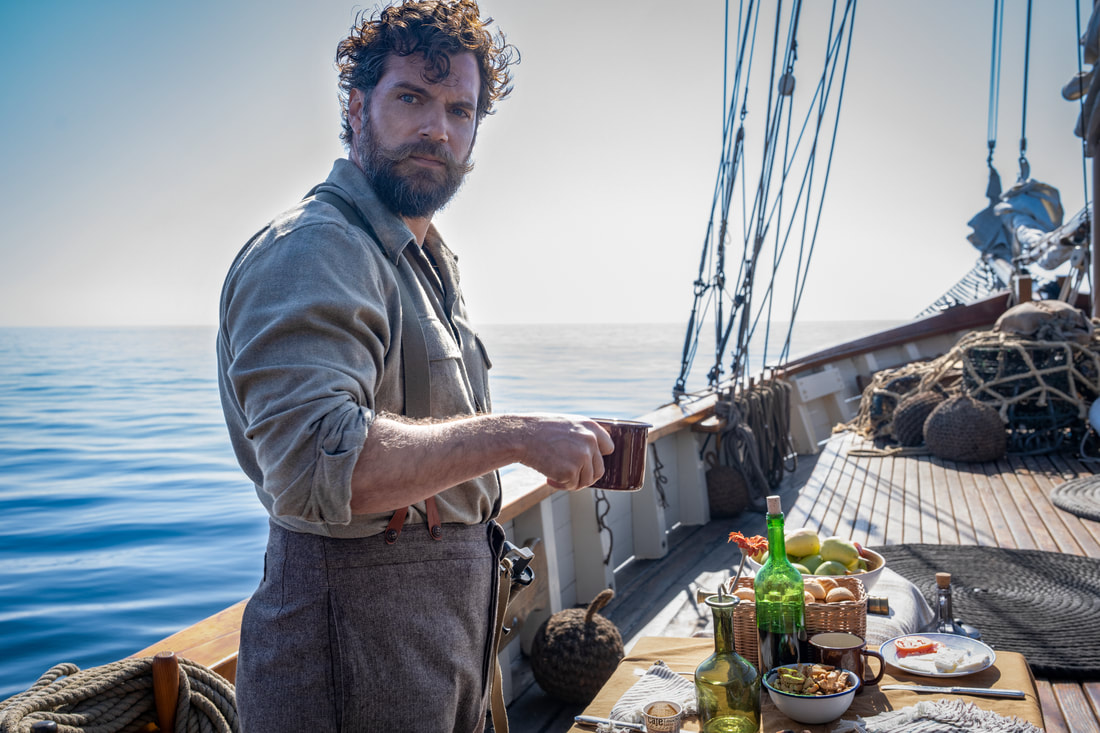 Photo Credit: Daniel Smith As people grow older and their relationship with the world around them changes, it is natural for their tastes in all things to change as well, particularly in art. What once seemed inert and opaque can resonate deeply as new experiences create avenues into seemingly impenetrable objects. By the same token, what once was incredibly moving and stirring can grow stale or even unpleasant. So it was that I found myself watching The Ministry of Ungentlemanly Warfare, the latest film from Guy Ritchie, feeling not only bored by its ambling narrative and lack of dramatic stakes but also annoyed at the jeering laughter of the people around me. To my surprise, I found myself repulsed by what I saw, the gleeful and childlike abandon in approaching serious material that I had never so much as blinked at before. The film is a retelling of Operation Postmaster, a mission undertaken by British agents in World War II that was an early example of the use of special operations units in modern warfare. What had been a mission that lasted a half hour and resulted in no loss of life becomes a men-on-a-mission movie filled with violence, intrigue, and all the trappings of the well-worn genre, filtered through the particular sensibilities of Guy Ritchie. Considering that the director has recently had a creative second wind, delivering some of his best work in years, the prospect of him tackling a genre that — on the face of it — so perfectly suits him is undoubtedly intriguing. Sadly, it quickly becomes apparent that he would not be playing to his strengths here. A child of the post-Tarantino '90s indie boom, Ritchie is a director most at home playing within the milieu of seedy, grimy, male-dominated spaces, with men on the fringes of society bouncing off each other with the brusque, faux-macho dialogue that manages the trick of being so blunt and juvenile that it circles back around to clever. He is at his best when his characters are within their insular communities, navigating them as only locals can and allowing the audience to experience the world through them. That doesn't happen here. While the team assembled is full of the requisite gruff men of action, almost all of their screen time is spent on a boat, idly traveling to the location of the climactic battle scene. Some obstacles are invented to give the film some vague semblance of tension, but each is dismissed as quickly as it arises. Most of their interactions are spent communicating with headquarters and agents embedded in the base they've set out to attack, meaning they spend almost no time talking to each other. With no time developing these characters, giving them distinct personalities, and allowing them to bicker and bond, every moment spent with them borders on tedium. The espionage doesn't fare any better. A pair of secret agents — a black marketeer and a lounge singer — set the groundwork for the British commandos' raid. Ritchie's penchant for obvious, heavy-handed dialogue works when spouted by the kinds of men for whom it might pass as wit. When transposed to situations that require tact and a delicate touch, they become jarring, unwieldy, incongruous, and downright embarrassing. That it's this part of the story where the bulk of the narrative is actively being driven forward makes it even tougher to sit through. 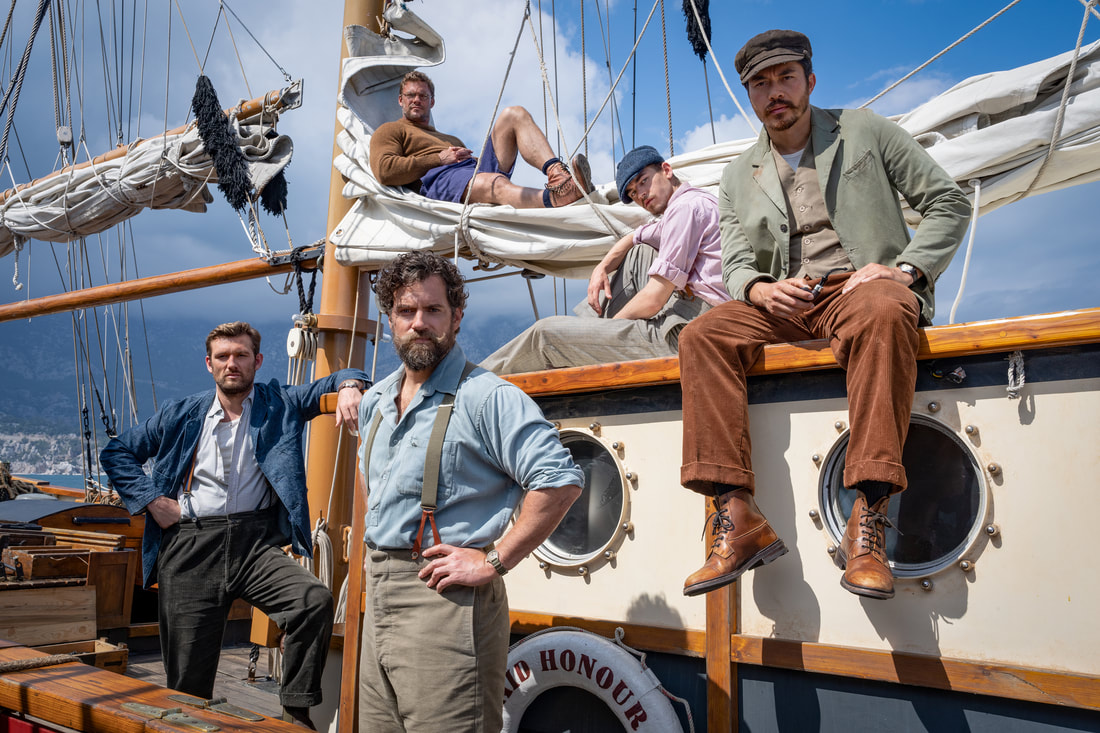 Photo Credit: Daniel Smith The action would ordinarily be the saving grace of a film like this. For the most part, what's here is pedestrian but serviceable. The action design is fine, incorporating the environment and setting up beats within the set pieces where the heroes are forced to adapt their own tactics. There's more cutting than necessary, occasionally ruining the sense of geography, and as the finale takes place at night, much of the action is obscured by darkness. That said, there are far worse offenders in the cinema of today. From the very first shootout, however, I couldn't help but feel discomfort as the audience cheered on every kill. The Second World War, particularly in the European theater, is one of the rare examples of a conflict with one side universally accepted as "the bad guy," as both the instigator and the perpetrator of one of the most horrific crimes in human history. If there's any war where one should be able to cheer on bloodshed with impunity, surely it would be the one with Nazis. Yet as the team gunned down uniformed fun with ecstatic abandon, smiling and laughing as blades and bullets ripped through unsuspecting victims, I felt more disturbed than anything else. Where did this newfound queasiness about cinematic violence come from? Obviously, there is the inherent jingoism. This film spends much time valorizing the British government, specifically the parts of the machine that pursued war. In this historical context, fair, the British were on the side of the angels. It's not a stretch, however, to see that Ritchie has a deep respect for his nation and sees the service of those depicted in the film as exemplary, not simply as a consequence of their adversary but because of their commitment to their country. It projects an air of righteousness that, in a contemporary film, is disquieting, particularly considering the form that nationalism has taken in the UK and elsewhere.  Photo Credit: Daniel Smith Perhaps more potent is the weight of the violence — or the lack thereof. To throw out some comparisons, classic examples of the genre, like Castellari's The Inglorious Bastards, vary in tone, but the violence actually feels dangerous; the Nazi enemies feel like flesh and blood human beings. Saving Private Ryan might have big battle sequences that function as blockbuster spectacle, but it takes care to highlight the horror of being a part of it, regardless of how despicable the other side is. Even when an artist like John Woo fully embraces the aestheticization of wartime violence, as he does in Bullet in the Head, that must necessarily lend the violence a gravity that makes it impossible to become desensitized to.
In the case of The Ministry of Ungentlemanly Warfare, there is no dramatic or moral importance to any of the killing. The heroes are never in any jeopardy, and so when they casually fire off submachine guns into men who are dining and sleeping, it feels more like an execution than combat. Elaborating on why Nazis are bad is, of course, unnecessary, but the film spends more time emphasizing the moral righteousness of fighting for the British Empire than against the Third Reich. This lack of rooting the violence in anything beyond government interests, with the lack of characters root for or dynamic set pieces that would lend the action any danger, ultimately gives the battle scenes a bloodthirsty aura, where the act of killing is joyful and fun in its own right. That said, I say this as someone who has had war on the mind. Only a few days ago, I had seen Alex Garland's Civil War, an asinine film that adopted the veneer of a somber look at political conflict but proved to be even less serious than this one. The movie has stuck in my craw, and the more I've reflected on it, the more aggravated I've become with its simplistic, borderline irresponsibly bone-headed take on war. Days later, Iran launched missiles into Israel in retaliation for the destruction of their embassy in Syria, and I found myself contemplating the possibility that my own government might involve itself in a major war on behalf of a nation propagating apartheid and genocide. All of which is to say, maybe I went into this in exactly the wrong state of mind. As dull as the narrative is, as misapplied as Ritchie's style is to this material, perhaps I would not have had such a visceral reaction to the film if it weren't for how I felt. Perhaps this represents a line of demarcation in my appreciation for these kinds of stories, and going forward, I will bristle at films that glamorize and glorify soldiers and war in any way. Or perhaps I'll return to this in the future and find I was just in a bad mood. Right now, as I reflect on The Ministry of Ungentlemanly Warfare, one particular image sticks out in my mind. In the middle of the big climactic gunfight, after the heroes have killed scores of German soldiers and sailors with firearms, knives, axes, arrows, and explosives, the squad leader rounds a corner and levels his rifle at a hiding Nazi. Upon seeing how young the soldier is, he lowers the rifle and allows the boy to run off. Perhaps Ritchie saw this as an act that cemented the British veteran's nobility. Personally, I thought of all the men that he had stabbed in the back, blown up, gunned down from afar, and wondered how many would have been spared if only he'd gotten a good look at their faces. The Ministry of Ungentlemanly Warfare arrives in theaters April 19. Rating: 2/5 |