
|
Review by Dan Skip Allen 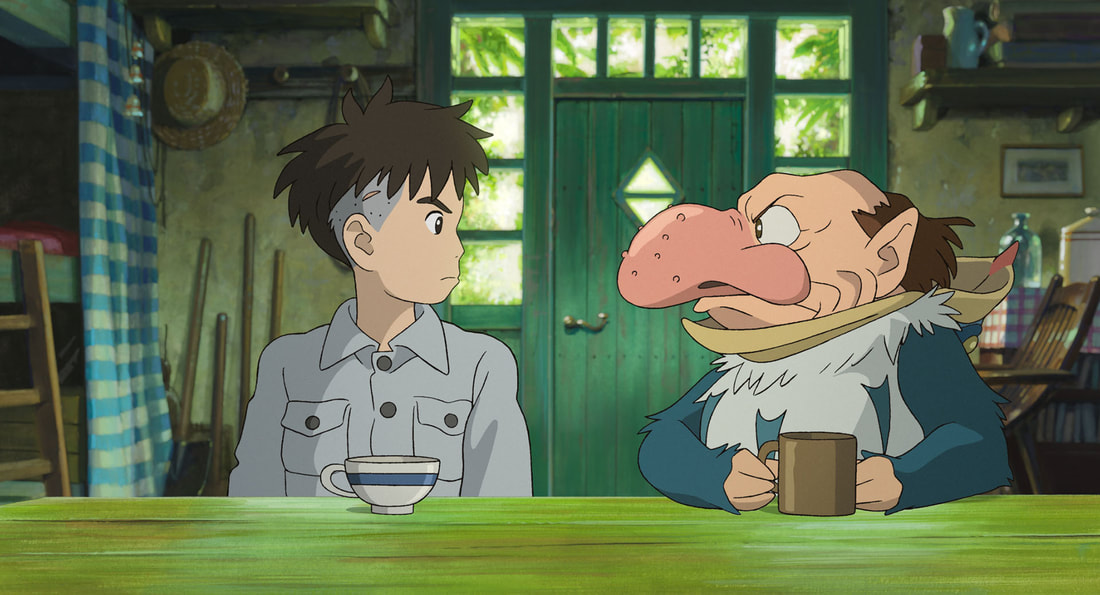 The Boy and the Heron is directed by Hayao Miyazaki, the director of such films as Howl's Moving Castle, Spirited Away, and The Wind Rises, among others. He was rumored to have retired, but after ten years, he's back with another animated film. This time, it's of a more personal nature, taking the form of a love letter to his son. Mahito Maki (Soma Santoki) is a young boy who moved to a new home in a new town with his father, Shoichi (Takuya Kimura) after his mother died in a fire. He is not settling in very well because of that. When he sees a Grey Heron (Masaki Suda) while exploring the grounds of his new home, it tells him that his mom is still alive. The bird convinces him to go to an old rundown tower. When he enters, he ends up in a strange underground realm. Miyazaki has made his films in the past with many different kinds of themes. He has made films about nature, natives, and the environment in his career. Those are just a few of the things his movies are about. The fact that they are animated means they have to be relatable for children as well as adults. Many animation filmmakers have been taking this approach in the last thirty years or so. This film deals with adult themes as well. There are themes of life, death, and reawakening. These are complex themes for kids to understand, but their parents can explain them when they are older. Like many of Miyazaki's films, he creates fantastical worlds his characters — often kids — can explore. While in these worlds, the characters are exposed to wild and wacky situations but often have an important meaning in the context of the film or the outside world to some extent. 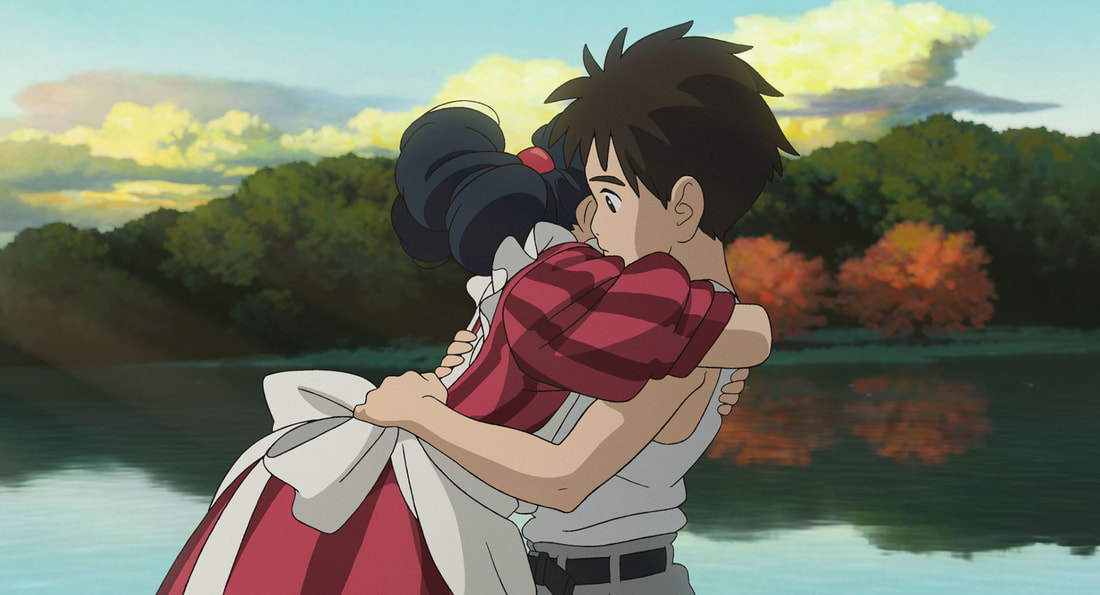 This movie has talking birds, old wise men, and little girl sidekicks. All of these things make the store more accessible to audiences, but they don't take away from the wacky nature of what the director/writer is doing. Themes of creation are very evident as this man is very old and uses his work to ponder death. These are tough topics to deject, but they are important for people of an older generation. Miyazaki knows how to weave these themes into his stories, even if they are adapted from other material.
The animation isn't anything to write home about, but it's similar to many other films Miyazaki has made in the past. Hand-drawn animation has all but gone the way of the dodo bird, but this man keeps reviving it. It's not about the animation that matters, though — it's more about the story and the themes he is trying to infuse into his films that matter. The animation has been better in some of his older films. I'm not the target audience for this movie, but I always give every film I see a fair shake. This one isn't bad by any stretch of the imagination, but I found it half of a great movie. The first half was very good, and I was totally invested in this story. The second half goes off the rails when the boy enters this weird underworld realm. It gets too existential for me and drags on for too long. This version of The Boy and the Heron wasn't dubbed, so something may have been lost in translation. As a fan of Miyazaki's films, I'm disappointed that this one wasn't more to my liking. The themes were confusing and complicated to understand. I enjoyed the first half but not the second half. The animation was good but not great. This is just not one of the better films from this incredible filmmaker. The Boy and the Heron hits theaters on November 22. Rating: 3/5
1 Comment
Review by Joseph Fayed  The most intimate documentaries are ones filmed by those with a personal connection to the subject. Director Rea Tajiri has discussed at length her family's experiences in Japanese Internment camps in her previous work; now, she is focusing specifically on her mother. Wisdom Gone Wild takes her mom's story and the harsh truths of it and balances it perfectly with lighthearted moments. Rose Tajiri, mother of filmmaker Rea, is nearing the end of her life and is suffering from dementia. Compiled using various home videos from different time periods, the documentary paints Rose's spirit as one that won't wither away, no matter how dementia affects her. Rose's condition makes some of the retelling of her life somewhat ambiguous. Rea herself bridges that gap with key insight into the details of her mother's life. It allows us to explore her later years while also understanding the parallels to her mom's upbringing and how it has impacted Rea's relationship with her. However, in a sad twist of fate, Rea's role is extended to being a primary caretaker of her mom and essentially becoming her parent's parent. There are very few cutaways throughout the documentary, so you are seeing long sequences of her mother succumbing to her dementia. Rose's wisdom is sprinkled throughout her daily life, so nothing feels traumatic just for the sake of showing a chronic illness.  Many events in Rose's life are alluded to shaping her identity; her memories are not succinct, but there is enough story to build from them. Rea is the conversationalist who is able to get her mom to answer how she feels in her state. Rea is non-judgmental while she allows Rose to showcase her raw feelings. There is something comforting about the platform Rea opened up for her frail mother. The main themes in this are fear and inner strength being portrayed, and they're both fairly balanced. Part of this comes from the lack of historical context addressed. Not going into detail about the mistreatment Japanese Americans faced during World War II gives deeper meaning to Rose's memories. Why and how she could be the way she is are explained through Rose trying to reinvent herself — consistent throughout the film's narrative.
Wisdom Gone Wild features an unintentionally unreliable narrator and her daughter, who make for a beautiful story. This isn't a tale of dementia, as it tells you more about the passage of time and how it affects us. Sometimes, we forget what has happened; sometimes, we atone for our past or embrace it. Rose does all three as her mind enters a new state. She has accepted her new reality with as much ease as one can. We can all agree that she has a loving daughter by her side who handles her story with grace. Wisdom Gone Wild airs on POV on November 20. Rating: 4/5 Review by Dan Skip Allen  I've been watching football my whole life. Ever since I was a kid, I sat with my father when he was home on Saturdays and Sundays, watching my teams play: Notre Dame and the Patriots. I've seen a lot of great players who played for my teams, but one of the greatest ever who played against my teams in college (at Oklahoma State) and the pros (for the Detroit Lions) was Barry Sanders. Bye Bye Barry depicts his great career from high school through his professional career. Ever since Barry was a little kid, he was great at football. His father, William Sanders, also his biggest fan, ensured everybody knew this. Every coach in the country wanted him on their teams, including Oklahoma, his father's favorite team. He fell in love with Oklahoma State, though, and ended up a cowboy. This was the beginning of his incredible career and the many accolades that followed, including the Heisman Trophy — the greatest honor any college football player could win. The pros were clamoring to get him in the draft. He ended up falling to the Detroit Lions at the 8th pick, and the rest is history. Barry is synonymous with one of the worst decisions in football when he retired from football as the number two overall rushing running back in history. He only played ten years for the Lions and hung up his cleats. Many fans and sports personalities alike were scratching their heads at this decision. People thought he had so much in the tank. He thought otherwise, though. His teams were that good, which was the main reason he retired early. The film, like a lot of other documentaries, uses talking heads to get across their opinions of what they think of his decision. Eminem, Jeff Daniels, and Dan Patrick are some big-name celebrities who chimed in on the decision, along with Sanders’s teammates. These are all old friends and diehard Lions fans, so you know they had a lot to say about what he did. The Lions haven't been the same ever since — and not in a good way. 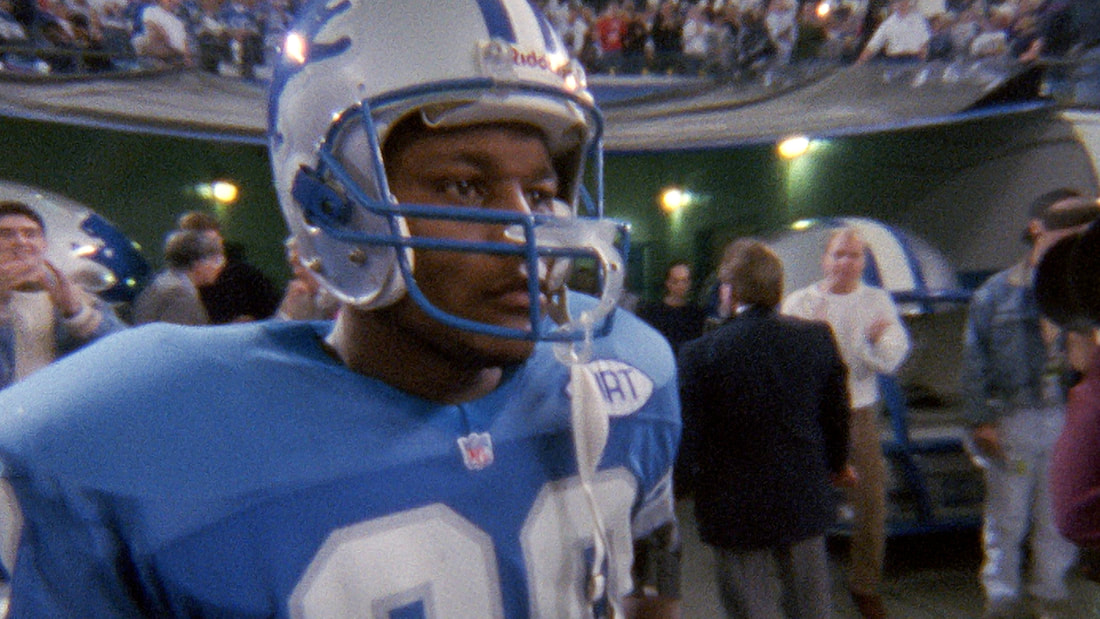 With any film about an athlete, musician, or entertainer, filmmakers tend to use archival footage of the subject they are documenting. That goes the same with this film. There is quite a bit of material of Sanders playing football and making incredible runs, helping his team — even though they weren't that good, more often than not. Sanders had the ability to break ankles, as they say. He is one of the great running backs of all time, and his Hall of Fame induction five years after his retirement proved that.
Bye Bye Barry showed two things about Sanders. One is that he was very humble. In one instance, he refused to get in the game to break a rushing record. The second is he saw multiple players in his career get paralyzed while playing football. He didn't want that to happen to him. He also was a father of four boys. He wanted to be there for them and not be some injured ex-player who couldn't be around for his kids' games and activities. His boys mean the world to him; a framing sequence in the documentary shows that very abundantly. The film gives an all-encompassing look at this man, his career, his decisions, and the rest of his life. Bye Bye Barry is a film that shows a man who knows what his priorities are. His father raised him right, and he took that into his NFL career. Even though the documentary focuses on fans of the Lions and their futility over the years, the main focus is on Sanders's decision to leave the game he loved at the height of his career. The filmmakers make that abundantly clear. The talking heads and archival footage talk about the fact that this man was a great Hall of Fame player. Football fans should be able to digest this meal quite nicely on the week of Thanksgiving, the day the Detroit Lions played every year. Bye Bye Barry streams on Prime Video beginning November 21. Rating: 3.5/5 Review by Camden Ferrell 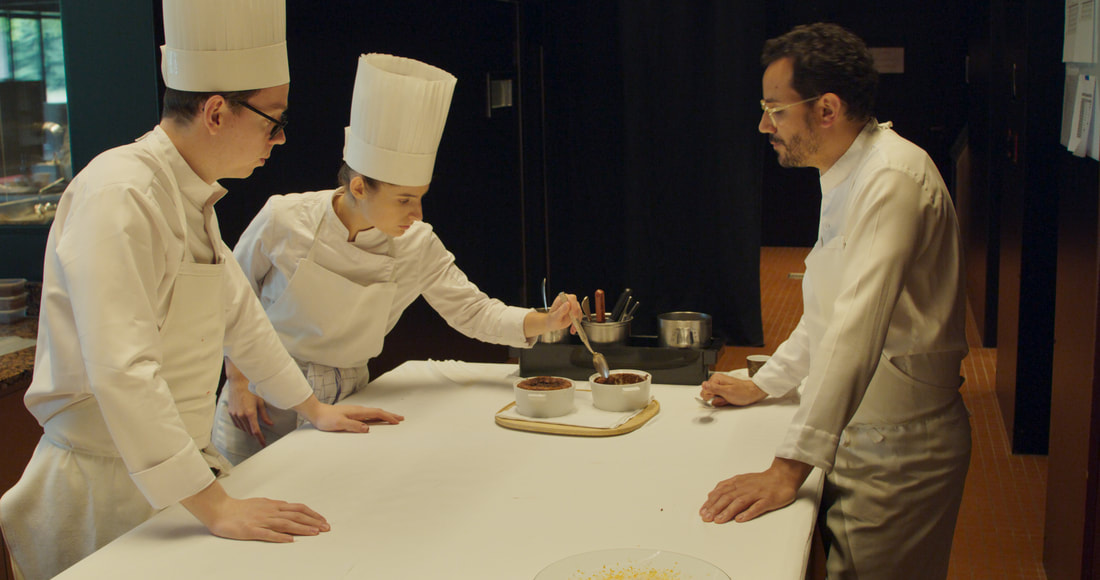 Frederick Wiseman is seen by many as one of the most significant and important figures in documentary filmmaking. His influential work dates back to the 1960’s, but he’s still in full force, making movies at the impressive age of 93. Menus – Plaisirs — Les Troisgros is his newest film that had its premiere at the 2023 Venice Film Festival. At four hours, this is a hefty documentary that goes by rather swiftly thanks to sharp editing and an engrossing and compelling subject. The Troisgros family is a dynasty of culinary prestige, owning and operating three restaurants in central France. Troisgros, the restaurant at which this film predominantly takes place, has been around for 93 years and has maintained three Michelin stars for 55 of them. This film follows the present chef and staff as they prepare for service at their restaurant. This might sound like a simple premise, but Wiseman is able to dissect this premise and allow the viewer to closely analyze the minutiae that goes into operating a restaurant of this caliber. The subject itself lends itself well to narrative storytelling. There’s no ambiguity in the process of running these restaurants. The film’s lengthy runtime allows us to see every tiny aspect from start to finish. We see the purchase of vegetables in a local market, the visit to a cheese processing center, the creation and preparation of their dishes, etc. For example, the movie is able to spend several minutes on the nuances of different ingredients and their effects on an almond purée without feeling like it’s at the expense of something more important to the overarching story. It’s a behemoth of a process to capture in a movie, and the narrative structure works very well in achieving its goal.  Passion and skill combine to make the people in this film engaging to watch. We get to see Cesar Troisgros carry on his family’s legacy, and seeing this generational honor blend with his genuine fascination and expertise with food is something truly special. He surrounds himself with individuals who are knowledgeable about their fields of work, and it’s clear that they love what they do. This enthusiasm is what prevents this movie from dragging in places it otherwise would have. Even for someone like me who doesn’t partake in fine dining, this is an excellent group of people to watch and learn from.
The first two hours of this movie are absolutely engrossing and masterful, and it makes a strong case for being the best documentary of the year. However, in the latter half of the movie, there is an abrupt shift outside of the restaurant, as the story detours to the source of the restaurant’s wine and cheese. This tangent is relevant but not particularly necessary. It disrupts the ethereal momentum that the movie had built up, and it doesn’t ever fully recover from that. The movie still finishes strong, but it feels like there’s a 210-minute movie here that would have worked better. Menus – Plaisirs — Les Troisgros boasts a daunting runtime, but it flies by far faster than one would expect. Watching the people in this documentary do what they love never gets boring, and there are some almost mesmerizing sequences throughout the film that will make the most stubborn cynic of fine dining fall in love with the craft briefly. At the age of 93, Wiseman has made a movie that is mature yet energetic, and it’s a testament to his abilities as a filmmaker that a movie this strong feels almost effortless on his end. Menus – Plaisirs — Les Troisgros is in theaters November 22. Rating: 4/5 Review by Dan Skip Allen 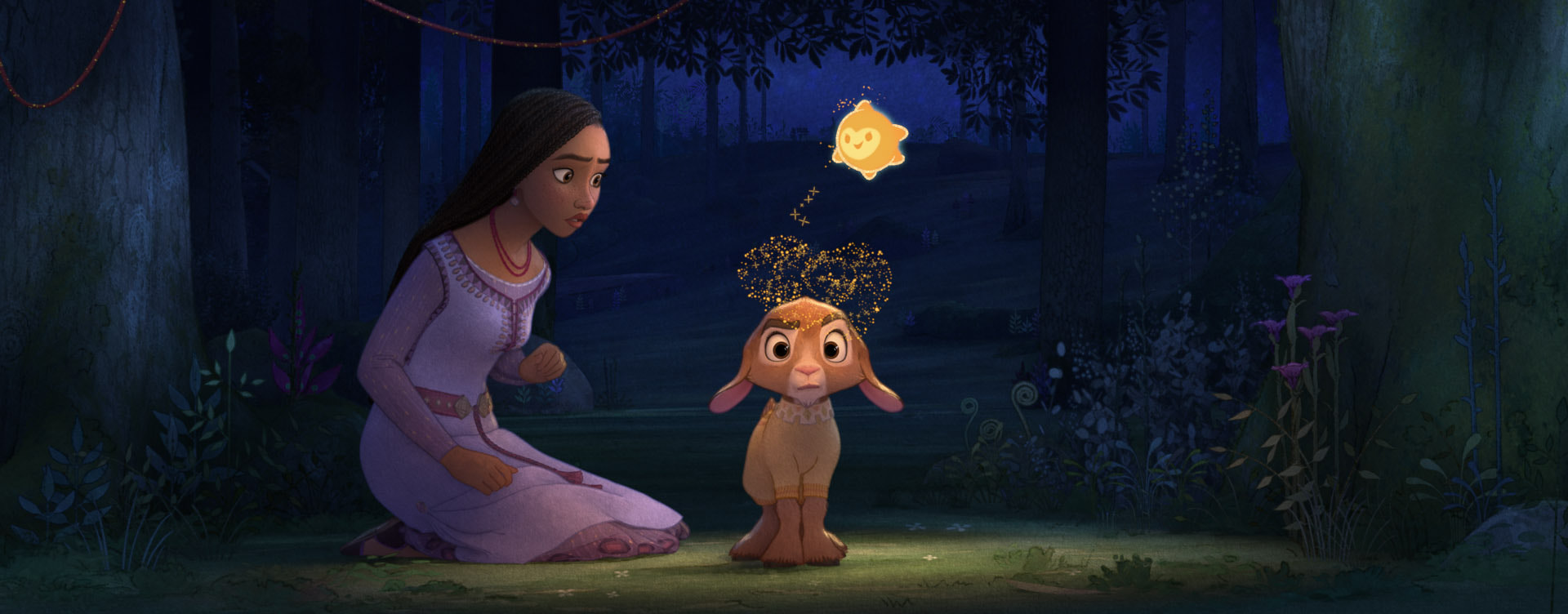 Disney is celebrating their 100th anniversary this year, and they have been taking out all the stops. Their films, on the other hand, haven't been doing as well as they'd hoped. Their latest offering from Disney Animation, one of the building blocks of their studio, is Wish. They've made dozens of great animated films in their hundred-year history, and hope this is another film in their storied history. For their sake, it better be good because they need to rescue their lackluster year as a whole. Asha (Ariana Debose) is a young girl who has her life all figured out. She has a happy family and a group of friends she loves and cares about. She even has a pet goat. The only thing that would make her life better is if she got the assistant job to King Magnifico (Chris Pine) she is vying for. The only problem is when she finally meets the man she thinks will change her life — he isn't what she'd hoped he would be like. In fact, he was a bit of a fraud, and she hoped to reveal his true nature to the townspeople of Rosas. Disney has made dozens of princess movies or films featuring female protagonists such as Snow White, Sleeping Beauty, and Belle. They all have one thing in common: they have a feisty personality and try to defeat evil in some way. That's exactly the type of character Asha is. Even though she has a caring heart, she has a drive to prove that the people in her town deserve better than what they've got regarding their king and leader of their community. She goes out into the woods and does what any girl her age and in her situation would do: wish upon a star. That is a pretty familiar line from the Disney anthem. Go figure it would play a major role in this film. Directors Fawn Veerasunthorn and Chris Buck have infused this film with more Disney magic than can be imagined — literally and figuratively. The plot suggests you should wish upon a star, and everything will be alright. Your wish will come true, and you'll live happily ever after. That's the motto of Disney itself. As an added bonus, the filmmaker threw in a lot of Disney cameos and Easter eggs referring to the Disney classics from the past. This movie is a glorified tribute to the 100-year history of Disney Animation.  As mentioned, Disney has been making animated films for quite a while. Steamboat Willie was the first with Snow White and the Seven Dwarfs shortly thereafter. They take pride in reinventing themselves, like they did in the late ‘80s and ‘90s with The Little Mermaid, Beauty and The Beast, The Lion King, and many others soon afterwards that were among the best they've ever made. Wish advances their animation again with a vivid colorful look with well-defined characters and a depth and layering that creates a gorgeous animated film, and one of the year's best by far. This is a definite Academy Award contender for animated features at next year's Oscars.
One of the stalwarts of Disney animated films is the music and the songs that accompany their films. This one has a few memorable songs, such as “Welcome to Rosas,” “This Wish,” and “This Is the Thanks I Get?!” These songs and the music of the film from Dave Metsger are very catchy. They are sure to be sung by kids and adults alike this holiday season. They are infused into the narrative nicely, and “This Wish” in particular has a good shot at being nominated for Best Song come next year's Academy Awards. It has a beautiful message a lot of people can get behind. Moms and dads should let their kids hear this as often as possible. Wish is another success as far as I'm concerned from Disney Animation. It has a great message of hope and dreams, and standing up for others, as well as what you believe in. There is a very relatable protagonist voiced by Ariana DeBose, who is an amazing singer in her own right and villain voiced by Pine. The songs are terrific and surely will catch on with kids and families that see the movie over the holidays. The animation is some of the best of the year thus far. This film will surely garner much awards attention later this year and next. The main reason I loved this movie so much is that it was a love letter to all the great Disney films of the past 100 years. Wish hits theaters on November 22. Rating: 4.5/5 Review by Dan Skip Allen 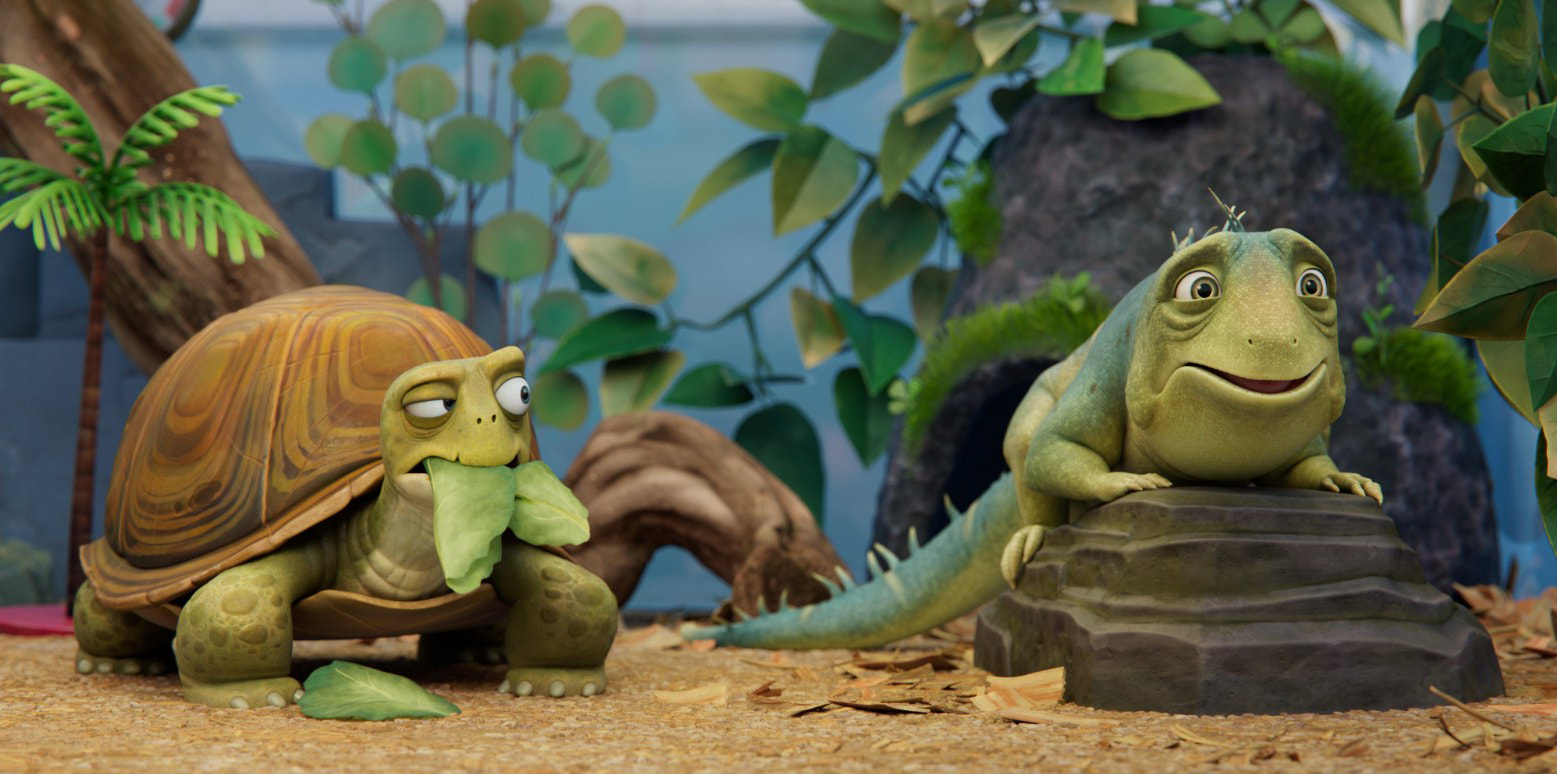 Image Courtesy of Netflix. Adam Sandler hasn't done many animated films in his career. He has done the Hotel Transylvania series, though, where he played Count Dracula. Now, he is in a new animated film produced by his own Happy Madison called Leo, where he voices a lizard. He takes this role very seriously, and this reptile ends up being a good role model for a class full of bratty kids. Leo (Adam Sandler) and Squirtle (Bill Burr) are two captive animals in a class full of fifth graders. They sit in their cage, commenting on everything that goes on around them. When the teacher gets pregnant, a substitute teacher takes over the class. She's a lot harder on the kids than the last teacher. One of the things she implements is that the kids have to take one of the pets home for the weekend. Leo ends up being the one who goes. When he's with the kids, they learn that he can talk, and he starts to give them advice on home and school lives. The animation is pretty straightforward computer animation. The kids and adults all look similar to many other humans in other animated films. It's the animals — specifically Leo and Squirtle — that have a distinct look to them. I think that was on purpose. The animals had to have a different look to set them apart from all the humans in the film. The humans did have some famous people voicing them, though. 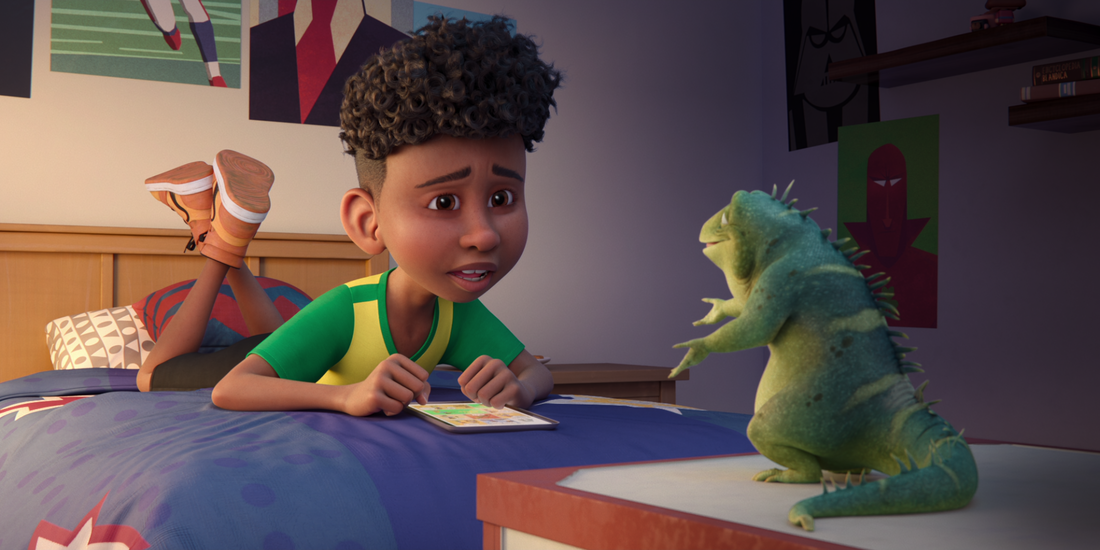 Image Courtesy of Netflix. Jason Alexander, Cecily Strong, Jo Koy, and Rob Schneider (a Happy Madison regular), all voice adults in the film. The kids are voiced by a group of unknowns, as far as I could see. They were all fine, though, in their roles. All the kids had various issues that set them apart from the others. When the story gets to the climax, they all come together for a common goal. The cast as a whole is pretty good.
Robert Smigel, Robert Marianetti, and David Wachtenheim directed this movie from a script by Smigel, Sandler and Paul Sado. They infused themes kids can get behind as well as adults. Plot points involving parental problems, separation, bullying, and body issues are littered throughout this story. The main one I am dealing with in my personal life is aging. That was a surprise to me. I didn't think a story point about an aging lizard would be a key in the story, but it was. It's not fun getting old, so I can relate to that in the film. Leo isn't going to be labeled one of the best animated films of the year, but it is quite interesting in its story, and some of the animation was good. Sandler and company do an adequate job bringing these characters to life. The various story elements are the reason to see the movie on Netflix when it streams. A plot device of talking animals proves to be a good idea in this context. Giving advice and an aging story beat were my favorite parts of what is mostly an average animated film. Leo is now in theaters and streams on Netflix beginning November 21. Rating: 3/5 Review by Daniel Lima 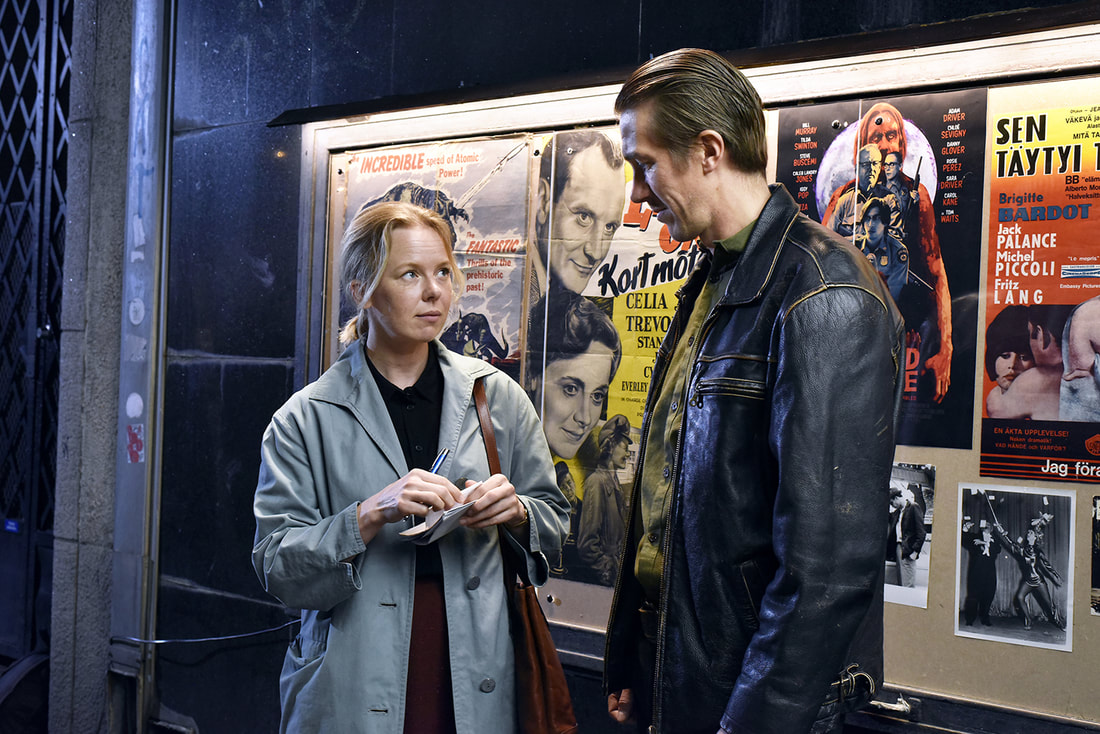 To be a cog in a capitalist world is to live out your days accepting the daily suffering that system forces upon all who live under it. It comes with its creature comforts, but anyone bound to this form of servitude is acutely aware of every great and small indignity it takes to sustain them, and how precarious access to them is. Finnish writer-director Aki Kaurismäki has spent his career examining the mundane cruelties of this life, and while Fallen Leaves doesn't deviate from his established form, it is still a charming and evocative film that finds new resonance today. Alma Pöysti and Jussi Vatanen play a pair of wage workers, struggling to eke out a living in a society that refuses to recognize their humanity. Fate conspires to bring the two together only to keep them apart, yet they never stop trying to reconnect, an act of resistance against the reality thrust upon them. Kaurismäki has never balked at portraying an unromanticized vision of what life at the bottom rungs of society looks like. Characters live in shabby apartments, listen to horrific reports from the Russia-Ukraine War, go out to stark and lonely clubs for what passes for recreation. Work is unfulfilling at best, degrading at worst, reducing employees to annoying and easily replaceable business expenditures. The visual language is reflective of this dreary existence, with cold lighting, scenes cast in shadows, and the few flashes of color appearing faded and atrophied. It's a bleak portrait of the world, but an accurate one for millions of people, if not billions. 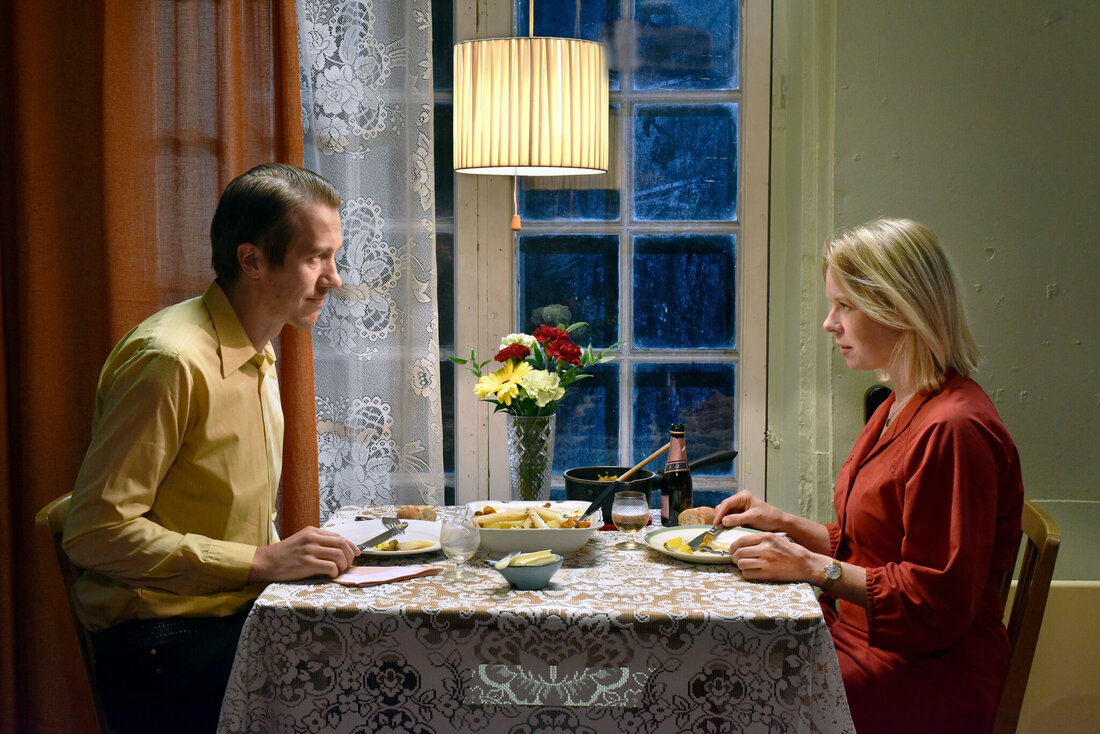 He is not, however, a cynical filmmaker, and Fallen Leaves is not a cynical film. As grueling as their daily lived experience is, the characters leap at every opportunity to rebuke the notion that they must be defined by their suffering. The typical dry and sardonic wit of Kaurismäki’s scripts is here in full force, as the ensemble mock the desolate milieu around them in a way that alleviates its harshness. For every inhumane boss, there are coworkers and friends willing to show solidarity. As dingy as karaoke night at the local bar might seem at first glance, it plays host to bursts of creativity from its patrons. There is a sense that though life’s hardships are unavoidable, they are never insurmountable.
The burgeoning relationship between Pöysti and Vatanen is the ultimate act of rebellion. Kaurismäki’s actors tend to have a Bressonian lack of affect in their performances, seemingly counter-intuitive to a romance. Yet there is a willful defiance in how the two leads pursue each other, in spite of all the contrivances that undermine their efforts. It’s as if by insisting that they must be together, by forcing this connection in a world that seems devoted to crushing any attempt to forge one, they are affirming their right to happiness. Their courtship becomes our fight for self-actualization, and all the more stirring for it. Fallen Leaves does not tread new ground. The director’s oeuvre is filled with low-key comedies that show a great degree of empathy for those who struggle just to make it to the end of the day. Perhaps the fact that is such a powerful experience speaks more to the world it is being released in, when the failed promise of a neoliberal world order has degraded the quality of life of so many, than an actual evolution in his filmmaking. Whatever the case may be, this stands as one of his greatest successes. Fallen Leaves is now playing in theaters. Rating: 4.5/5
Review by Sean Boelman
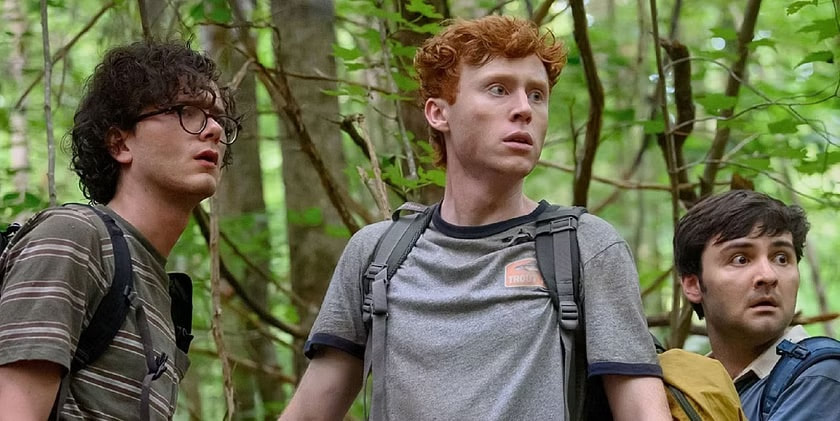
Many of the best skits in the modern tenure of Saturday Night Live come from the group known as Please Don’t Destroy — who star as themselves in goofy, deadpan skits. Although their big feature debut, Please Don’t Destroy: The Treasure of Foggy Mountain, is hardly original storytelling, it’s a funny watch thanks to their signature style of humor.
In the film, Please Don’t Destroy plays a trio of longtime friends who realize they are unhappy with their dead-end lives, inspiring them to set out on an adventure to find lost treasure that they once sought out as children. Although the adventure itself is far-fetched and not all that original, the comedy makes up for it. The set-up is essentially three twenty-something adults who have failed to really grow up, as they go on one last adventure, learning that becoming more mature doesn’t mean giving up what makes life fun. If that emotional arc sounds somewhat familiar, it’s because it’s the premise of virtually every comedy with a juvenile sense of humor. The sense of humor is pretty much what any SNL fan would expect from a feature length movie made by this comedy troupe. It’s goofy and silly, but there are some great gags that will get a chuckle out of audiences. It’s definitely at its best when it leans into the usual deadpan nature of PDD’s comedy, rather than when it tries to go into more broad raunch that they could explore with the R-rating. 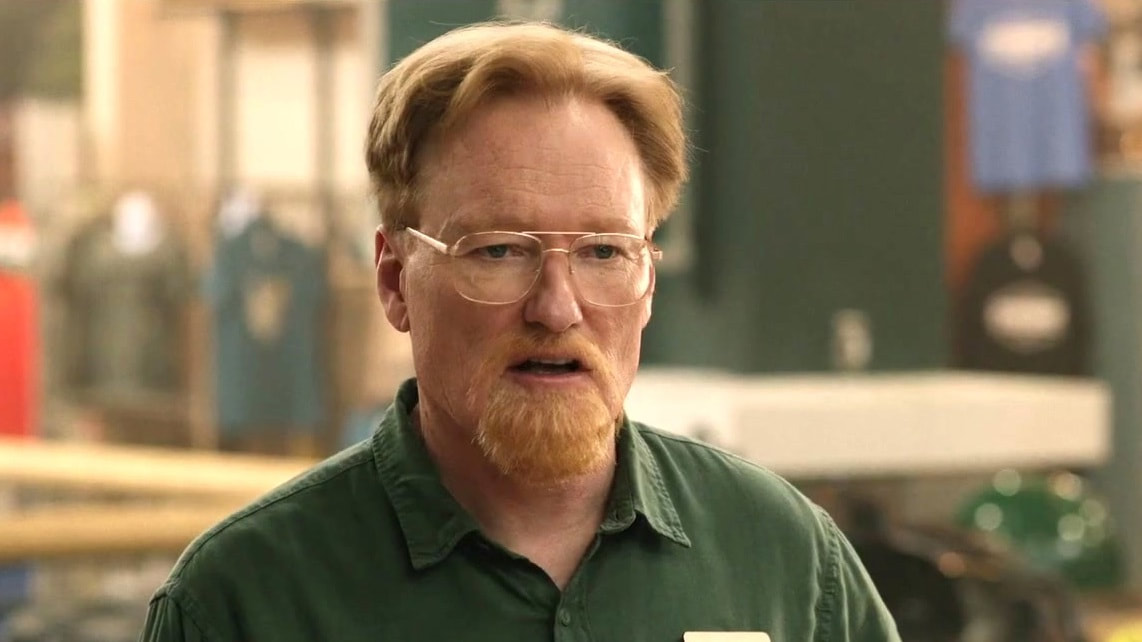
Please Don’t Destroy: The Treasure of Foggy Mountain does live or die by how much audience members enjoy the main trio of Martin Herlihy, John Higgins, and Ben Marshall. However, there is one thing that absolutely cannot be denied: they have brilliant chemistry together. If nothing else, the friendship dynamic between them should be enough to charm their way into the audience's hearts.
There’s also a surprisingly good supporting cast in The Treasure of Foggy Mountain. Of course, there are some SNL players like Bowen Yang, who probably appeared in the project because of their friendship with the PDD guys and admiration for their work, but there are some other great appearances, like Conan O’Brien in a funny supporting role, John Goodman as the narrator, and one cameo that’s ridiculous enough to be very funny. As far as R-rated comedies go, The Treasure of Foggy Mountain is pretty standard. It would have been nice to see the film have a bit more of a distinct aesthetic. For example, if it had embraced the adventure vibe more, it could have felt more like an adult version of The Goonies. While what we get is passable, it also ends up being somewhat forgettable due to its lack of identity. Please Don’t Destroy: The Treasure of Foggy Mountain is unlikely to win the comedy trio over any new fans, but it will be a funny watch for those who are already a fan of the SNL writers/players. It’s a downright silly comedy, and we really don’t get enough of those anymore these days. Please Don’t Destroy: The Treasure of Foggy Mountain is now streaming on Peacock. Rating: 3.5/5 Review by Jonathan Berk  Edgar Wright’s Scott Pilgrim vs. The World didn’t do well upon release, but has since become a beloved cult film. The 2010 adaptation of the Bryan Lee O'Malley graphic novels (and the books themselves) have found quite the fanbase, as well as their detractors. Netflix’s new animated series Scott Pilgrim Takes Off, directed by Abel Gongora and co-written by O’Malley and BenDavid Grabinski, brings back the now-superstar-studded cast from the film to voice the characters as the story is revisited and reimagined. Scott Pilgrim (Michael Cera) meets the girl of his dreams, Ramona Flowers (Mary Elizabeth Winstead) at a party. After their first date, he is made aware that he must defeat her seven evil exes if they are to continue dating. But this time, things get even more complicated. The show looks fantastic. The original graphic novel was black and white, which makes the fact that Ramona changes her hair color on the regular an interesting choice (though the graphic novel was later re-released in color). The show chooses not to pay homage to the novel's original absence of color, and is instead vibrant. The pacing is far less frenetic than in Wright’s film, which at first made the show feel a little less propulsive. However, as the episodes move forward, the show establishes itself as its own thing — not just an animated version of Wright’s film or O’Malley’s books. Both the film and the books are extremely referential, and that is continued here. Of course, it’s been 13 years since the film came out, so the cultural touchstones and attitudes of the world reflected within the film must be updated. These updates make the familiar story feel fresh. The change in format to an episodic series also allows for more exploration into the story and its characters. Fans will likely find some areas of this to resonate more than they did previously, while other areas they loved may feel slighted — or simply missing.  One prominent element from the film that is also present here is the music. There are new songs throughout the show, and they may not click for the audience's musical tastes compared to those in the film -—or, perhaps, the opposite could be true. The show features original songs and score by Anamanaguchi (Scott Pilgrim vs. the World: The Game) and Joseph Trapanese (Straight Outta Compton). There are some earworms present in the series, and the score sets the right tone.
The fact that everyone involved with the original film is back makes this all the more impressive. Most of the cast was relatively early in their respective careers then, and most of them have now gone on to be big stars in one way or another. Their collective love for the project is evident in their performances, with each of them doing something quite special for the show. At this point, we have seen so many stories told, then told again, and told yet another time. Often, they are so similar or feel so inferior to their predecessors that audiences are left scratching their heads as to why they just gave more of their time and money when they could have just rewatched the one they loved. There was also that run in the ‘80s and ‘90s, where it seemed any blockbuster could be adapted into an animated series. Beetlejuice, Robocop, Ghostbusters, Police Academy, and even The Toxic Avenger were among many to get adapted to a kid-friendly cartoon series. Of course, Jurassic Park and Fast and the Furious have both recently been given the same treatment. In both versions of this reuse of IP — whether a “new” version or a different medium — it often feels like nothing more than a studio cash grab. There is no doubt that Netflix expects this show to be a huge success after the fandom that has developed for Scott Pilgrim over the last 13 years. However, the show doesn’t feel like that at all. It's funny and familiar, while somehow doing its own thing that feels completely honest and befitting of the characters. Scott Pilgrim Takes Off is a great example of allowing the IP to evolve and grow, rather than just rehashing what came before it. Scott Pilgrim Takes Off will be on Netflix on November 17. All eight episodes reviewed. Rating: 5/5 Review by Adam Donato 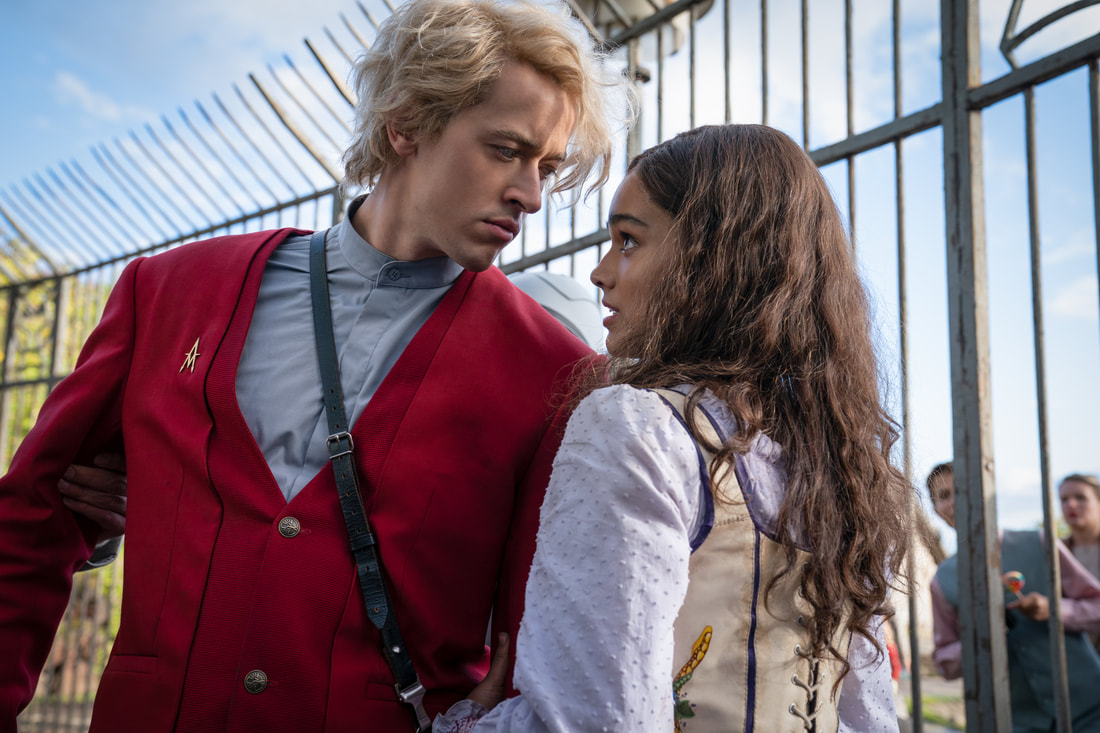 About a decade after The Hunger Games franchise came to a close, audiences find themselves back in Panem for another installment in the franchise. As if splitting the finale into two parts didn’t stretch out this story enough. The Ballad of Songbirds & Snakes is a prequel detailing the rise of one President Snow, complete with another Hunger Games and more backstory on their genesis. With Francis Lawrence coming back to the director’s chair and a cast of stars both old and new, it will be interesting to see the public reception of this prequel. Was the story of Katniss lightning in a bottle, or does this world have more to explore? No franchise extension is complete without constant reminders of its association with something the audience already loves. The characters may as well wink to the camera every time they mention District 12. Hardcore fans may enjoy these cheer desperate moments, but they really hinder this story’s ability to stand on its own. This is a real shame because, for the most part, this story really does stand on its own. A young President Snow is a compelling lead to follow, especially when entangled with the fate of Lucy Gray. Their budding romance is essential to making the target demographic of this type of movie maintain interest, but it’s interesting to see them hold back on building up their forbidden romance. Audiences are more than familiar with the standard Romeo and Juliet setup, so putting their own spin on it here was a good choice. Tom Blyth stars as Coriolanus Snow alongside Rachel Zegler as Lucy Gray. Blyth is relatively new, only previously starring in Ridley Scott’s Robin Hood movie. Zegler, on the other hand, is no stranger to the limelight as of late. Here she gets the opportunity to flex her singing skills, which initiated her start in Spielberg’s remake of West Side Story. She also sports a thick southern accent throughout the movie, which makes sense, as her district is in the area of the Carolinas. The two have solid chemistry together as they play mind games with each other throughout the movie. 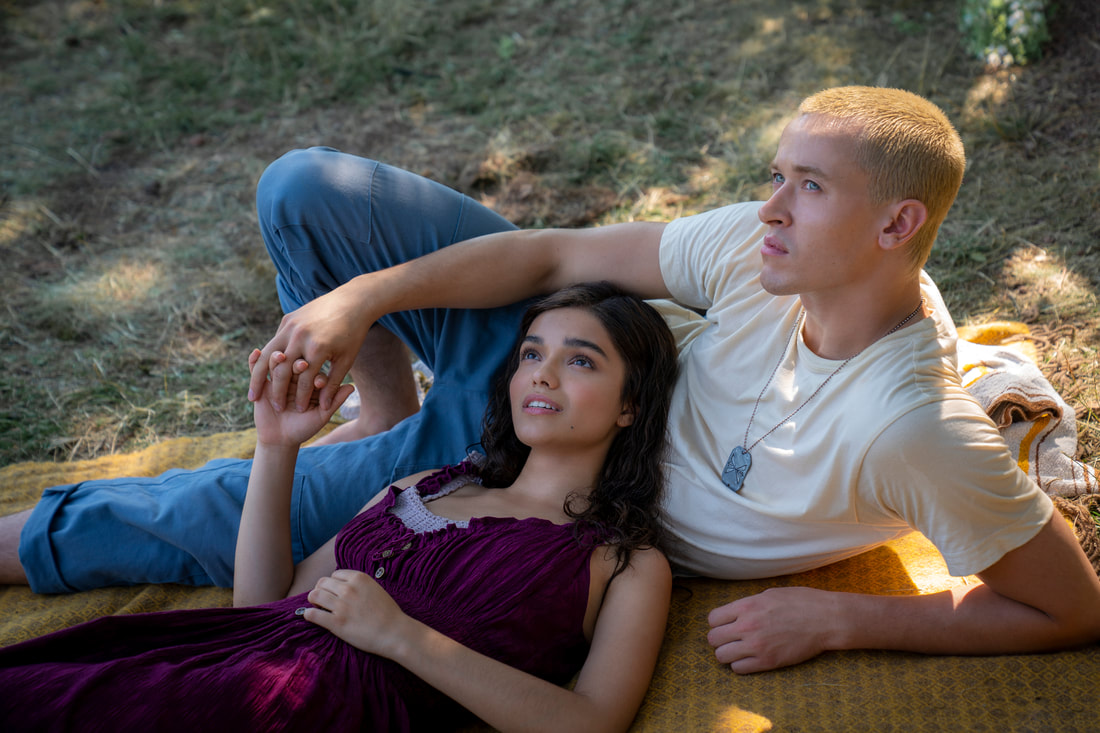 The most inspired casting in the film is Jason Schwartzman as Lucky Flickerman, an ancestor of Stanley Tucci’s standout character from the original series. He adds much needed comic relief and does a great job driving home the satire of the situation. Viola Davis is unhinged, and it’s a shame she didn’t get more screen time. Same can be said for Peter Dinklage. The veteran talent in the cast is responsible for holding down the fort here. The story takes an interesting departure, leaving us devoid of these three cast members, and the film grinds to a halt when that happens.
The main theme of the movie is muddy and feels like it comes out of nowhere. It’s hard to connect the dots between the character we saw during this film and the villain we get in the original series. Granted, there’s a big time difference between films, but from the journey presented here, it’s hard to justify Snow continually backing up the games. The ending is quite unsatisfying and leaves too many unanswered questions — not as much in an interpret for yourself way, and much more of the movie has to end at some point. Sporting a run time of over two and a half hours, getting through the movie is somewhat of a trek. Unfortunately, it’s easier to see something like this being historically compared to something obligatory like The Hobbit, rather than a passion project like Prometheus. Despite the qualms with The Hunger Games: The Ballad of Songbirds & Snakes, it’s a solid viewing experience for anyone already invested in The Hunger Games franchise. Studios can’t have their cake and eat it too. Enticing audiences with a continuation of the franchise, but alienating new viewers and facing comparison to the standard set in the original movies. That being said, it’s much more on par with the lot of The Hunger Games movies, except for The Hunger Games: Catching Fire, which is The Empire Strikes Back of the franchise, if there is one. Fans should catch this one in theaters, despite the onslaught of holiday releases this season. The Hunger Games: The Ballad of Songbirds and Snakes hits theaters on November 17. Rating: 3/5 |