
|
Review by Dan Skip Allen 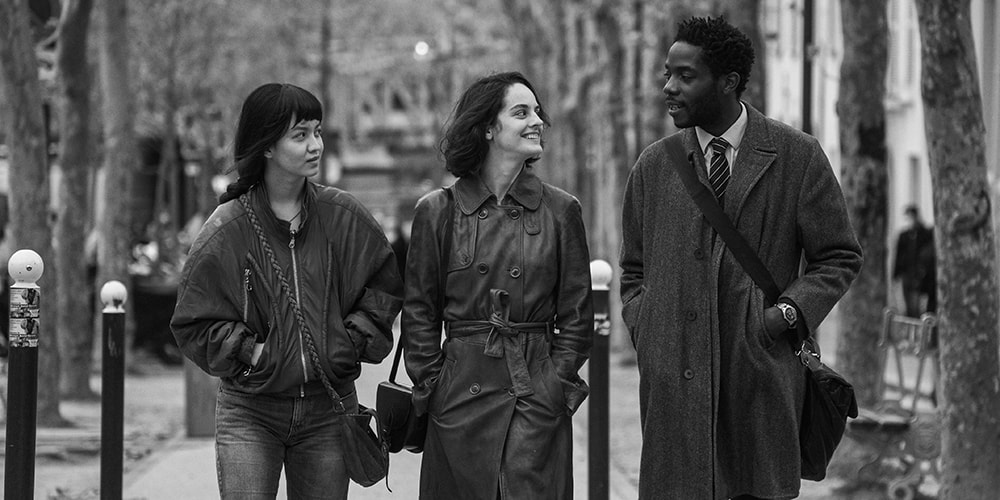 Lucie Zhang as “Émilie,” Noémie Merlant as “Nora,” and Makita Samba as “Camille” in Jacques Audiard’s PARIS 13TH DISTRICT. Courtesy of IFC Films. An IFC Films release. Jacques Audiard is the acclaimed director of films such as Rust & Bone, A Prophet, and most recently, The Sisters Brothers. His films have been very well received by critics and fans alike. He has also won the Palme d'Or for the best film at the Cannes Film Festival. It's safe to say he has done it all in his career thus far, with his filmography ranging from Western to romance and everything in between. His latest film Paris, 13th District, falls back on his country land and the city where he's from: Paris, France. This film focuses on a group of people featuring a young Chinese woman (Lucie Zhang) who lives in a lovely apartment. She rents her extra room out to a teacher (Makita Samba). They don't take long before the boundaries of renter and rentee are crossed. Another character in the film is a woman (Noémie Merlant, Portrait of a Woman on Fire) trying to be a student but eventually settling on becoming a real estate agent instead. These three characters' lives are intertwined throughout the length of the film. In this film, Audiard falls back on his expertise in this neighborhood of Paris, France, and decides to do a smaller, more intimate story instead of the crime and violent stories he's done in the past. These three character arcs intertwine quite nicely. He weaves in the more personal aspects of these characters to make them more relatable to the audience watching. These characters have their ups and downs within the context of the film, which makes them and their lives fascinating to watch.  Noémie Merlant as “Nora” and Makita Samba as “Camille” in Jacques Audiard’s PARIS 13TH DISTRICT. Courtesy of IFC Films. An IFC Films release. The film is based on short stories by Adrian Tomine, a cartoonist from Sacramento, California. He is most famous for his ongoing comic book series Optic Nerve. "Amber Sweet," "Killing and Dying," "Summer Blonde," and "Hawaiian Getaway" are the three short stories the film consists of. They all meld together in the movie very nicely. Tomine has shown that he knows how to turn this medium into one that can tell real stories about real people, relationships, and problems they have. This film deals with these topics very adeptly.
Audiard decided to use black and white as in the comics strips. We see it as just that. How the story unfolds is black and white as well. The lives of these people are anything but that, though. They have relations with each other that are sensual, graphic, and raw. Like relationships, these characters get on each other's nerves, and they break up and get back together again. I indeed like the depiction of how these people interact with each other. It is a true romantic soap opera of a film to some extent. Audiard adapts these stories into a very tight romantic film. The character development throughout is masterfully directed. The script by Audiard and others shows the characters at their most intimate as well as their struggles and personal best and worst. The medium of comics and graphic novels have proven they can be shown in a great light, such as in this film. The cast successfully brings those stories to life and does a solid job with this material. Paris, 13th District hits theaters and VOD on April 15. Rating: 3.5/5
0 Comments
Review by Dan Skip Allen  Luma in Andrea Arnold’s COW. Courtesy of IFC Films. An IFC Films release. Documentaries are films that inform and educate the masses. Andrea Arnold's Cow deals with a fascinating subject, and one many people don't know about. The lives of farmers aren't easy, but the lives of the animals and the things they work with make their lives and jobs a lot harder. This film deals with an animal we all take for granted because of how much we rely on them for our food and other things. The cow is a necessity in the lives of millions around the world. Cow is a documentary about a mother cow and her daughter, from the calf's birth to its rearing and everything in between. Cows have a relatively mundane life except when they have to give their daily milk. Sometimes they have to go through routine checkups for disease and so forth. They also need grooming and other things done to keep them up to snuff for the farmers who own them. Like any mother, cow 1142 has motherly instincts — she gets sad when her baby is separated from her. She makes calls trying to say she wants her baby back. Unfortunately for her, they are separated for good. Her daughter is now starting a life of her own. She's making new friends, and she will be a mother before you know it. It's only a matter of time. This film shows the fascinating lives of these two cows and many more just like them.  Luma in Andrea Arnold’s COW. Courtesy of Cow Films Ltd. An IFC Films release. Documentaries deal with all kinds of subjects. This is the first one I ever saw that focuses on the lives of cows. Sure other films have dealt with this subject matter. Many think that the life of a cow is quite dull, but this film shows that might not be the case. Cows are essential to our ecosystem. They provide milk that is very important in our everyday lives. That milk also gets turned into other foods we eat, such as cheese and so forth.
I am not a farmer, nor have I ever dreamed of being a farmer. That being said, I have always wondered what the life of a farmer would be like. Cow shows a little of that lifestyle to some extent. They have to get up every day and tend to these animals that can't tend to themselves. This cycle goes on and on every day for months and months, continuing on into oblivion. Cow is now in theaters and on VOD. Rating: 3/5 Review by Tatiana Miranda 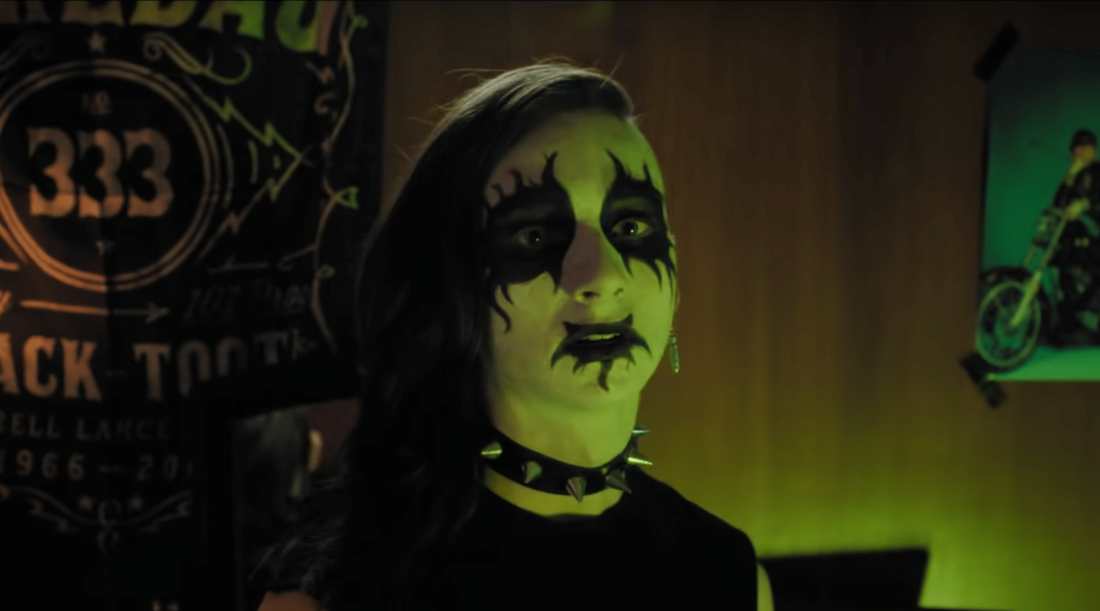 Netflix’s new original film Metal Lords follows the trials that metalheads Hunter and Kevin face as they navigate high school. In the vein of many popular music-based teen movies, the conflict centers around the upcoming Battle of the Bands competition that the two protagonists long to conquer. There’s just one problem: their band doesn’t have a bass player. In comes Kevin’s love interest and resident cello player with anger issues, Emily. The three interact throughout the film in an attempt to truly understand what it means to be metal. Similar to Netflix’s 2021 original Moxie, which explores the punk sub-genre riot grrrl, Metal Lords strips any nuance of metal music and its fanbase and instead turns it into a stereotyped look at the genre. The primary metal fan in the group, Hunter, dons Slayer graphic tees and is apparent in his belief that his music taste makes him better than everyone else. He looks down on the popular kids as they play Ed Sheeran at a party, and he especially looks down on Emily with her conservative attire and ability to play the cello. Hunter’s whole personality is that he is edgy and misunderstood, and it’s not clear if the audience is meant to sympathize with him as he is bullied by his peers or poke fun at the incel-like behavior he portrays. Throughout the movie, several great jokes point out the gatekeeping of metal and rock cultures. For instance, there’s a moment where Hunter refers to Emily joining the band as “completely gay,” which is promptly followed by Emily and Kevin’s glances at Hunter’s wall covered with near-naked men and suggestive band names. It is the perfect way to showcase Hunter’s backward thinking in relation to his love of metal music. This visual depiction of his mindset is also paired nicely at the end of the film, where he showcases some female metal icons in an attempt to show his growth. 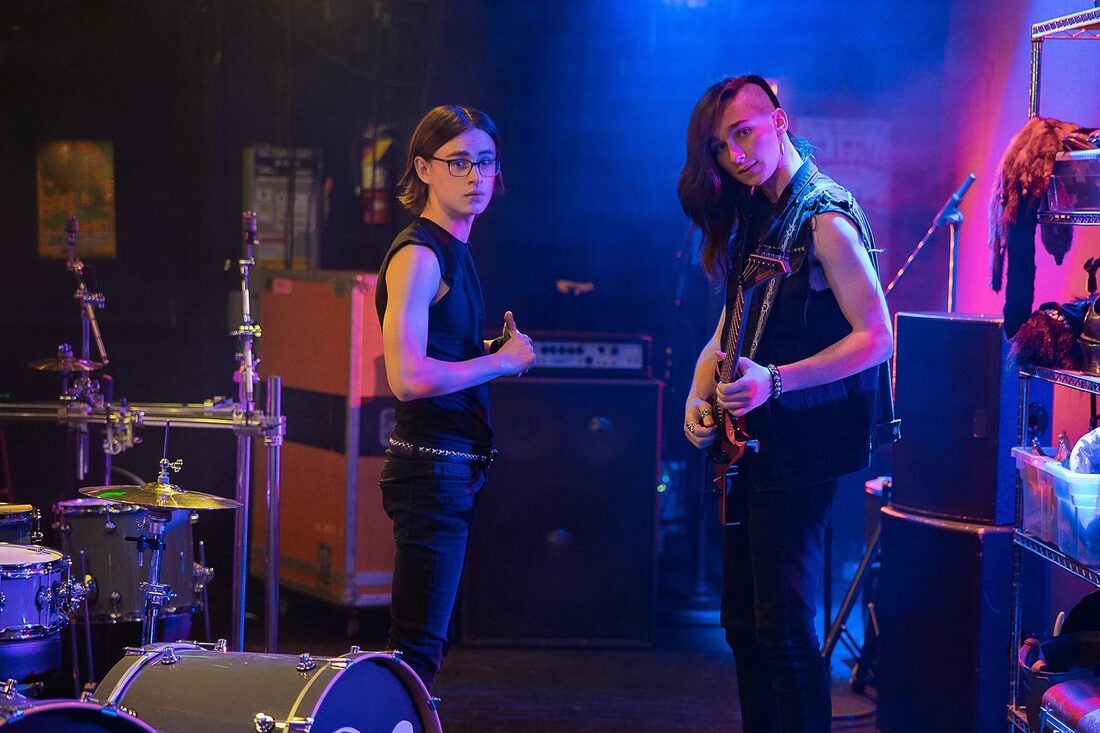 While there is a definite change in Hunter’s behavior by the end of the movie, it doesn’t come across as warranted. For nearly the entirety of Metal Lords, he has been strong in his misguided convictions and unwilling to relent to any suggestions his close friend Kevin has. He treats everyone around him poorly, yet the audience is expected to root for him as he endures against all odds. Nothing is endearing about him as he portrays the worst of metalheads, yet he is one of the main protagonists in a movie solely about metalheads.
There are some notable moments in Metal Lords, such as the visual and auditory blend of classical music from Emily’s cello and Kevin’s metal drumming. Yet, it’s overpowered by the movie’s indecisiveness on which storyline it wants to follow. The relationship between Emily and Kevin is sweet. It creates a nice blend of rock and classical music that represents their personalities well, with Kevin being quiet yet a fan of metal music, and Emily’s classical music skills contrast with her more metal tendencies in her erratic behavior. The friendship between Kevin and Hunter can also be compelling at times, as the movie explores the rift between them as Kevin gets into a relationship with Emily. Still, Metal Lords has too much happening with not enough development to make the movie interesting as a whole. Metal Lords begins streaming on Netflix on April 8th. Rating: 2/5 EVERYTHING EVERYWHERE ALL AT ONCE -- A Brilliant Blend of Blockbuster and Indie Sensibilities4/6/2022
Review by Sean Boelman
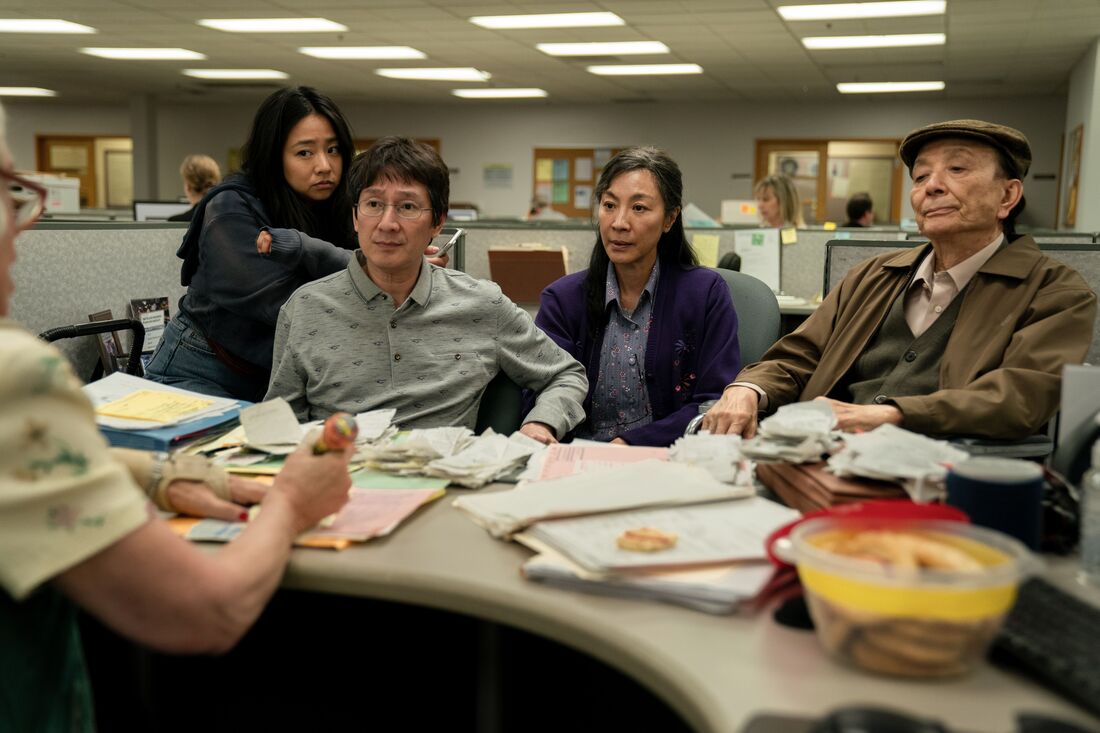
Partnering two of the most idiosyncratic voices in indie filmmaking with who is perhaps the most mainstream duo in the studio system was an interesting if confusing prospect for cinephiles. But the risks taken with Everything Everywhere All at Once pay off, as it ingeniously blends blockbuster and indie sensibilities.
The movie tells the story of an everyday woman who is swept away in an unexpected adventure when a visitor from another universe tells her that she may be the only one with the ability to save the world from a powerful threat bent on destroying the multiverse. In terms of the story itself, it borrows some beats from other films exploring the same idea, but the approach that Daniels takes to it is very original. Even though the movie is over two hours long, which one would normally think is a bit excessive for the genre, it is paced impeccably. Jokes that are set up early in the first act pay off in the third, and the action keeps everything moving along without overwhelming any of the more substantive, emotional moments. Like Daniels’ previous outing Swiss Army Man, this film uses zany humor as a guise to deliver a gut-punching message. It’s best to experience the movie as it comes, letting its emotions take over you over the course of the runtime. Viewers will likely be surprised by how much of an emphasis there is on the mother-daughter relationship, which leads to some extraordinary moments. 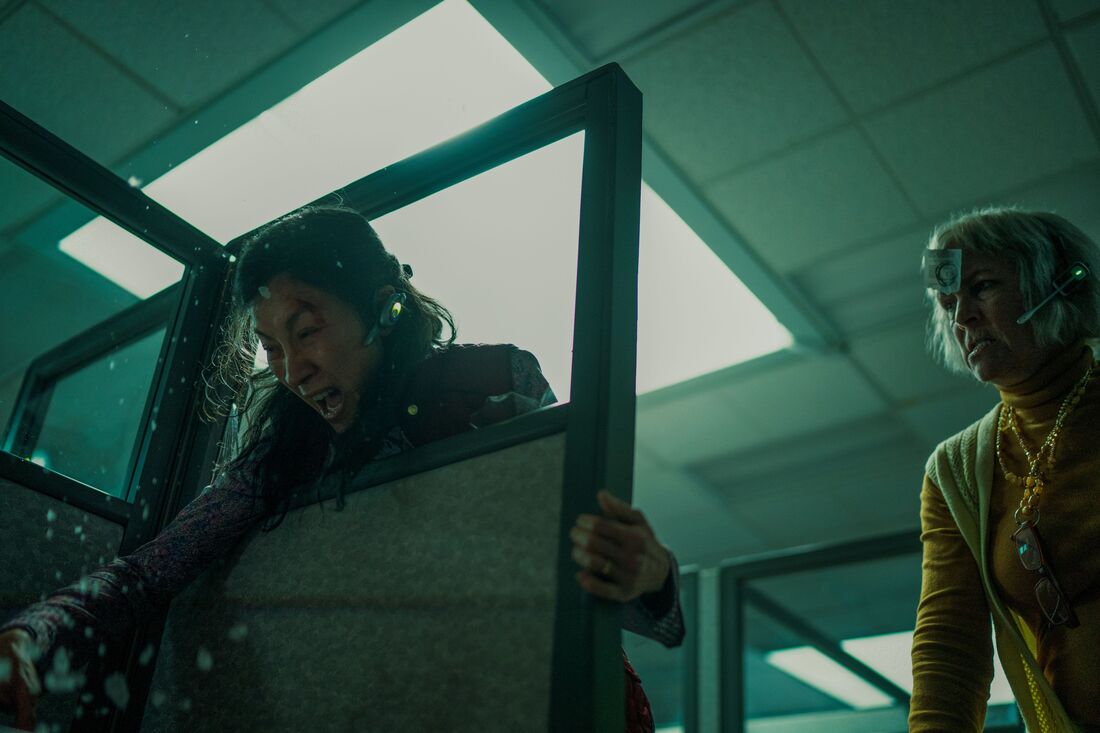
Audiences will immediately get endeared to the protagonist. Even though she may come across as a bit standoffish at first, it’s hard not to connect with her support of her family. And while the movie is kept at a smaller scale, there are plenty of quirky supporting characters that are absolutely hilarious.
Michelle Yeoh’s performance in the leading role is truly fantastic, one of the best she has given in a career that is already filled with amazing turns. It was also awesome to see Ke Huy Quan return to acting with a substantial role that gives him a lot to work with. And in supporting roles, Jamie Lee Curtis, James Hong, and Harry Shum Jr. are all excellent. The multiverse aspect of the film also allows some interesting stylistic choices to be made. Each multiverse comes with its own defining characteristics, and there are some moments that are brilliant. The action choreography in the movie is also consistently great, which is quite an accomplishment for a film that has a comparatively small budget like this. Everything Everywhere All at Once is an early contender for the best movie of 2022. It’s without a doubt one of the most singular, creative things that has ever graced the screen, and it makes cinema feel more alive than ever. Everything Everywhere All at Once is now in theaters. Rating: 5/5 Review by Dan Skip Allen 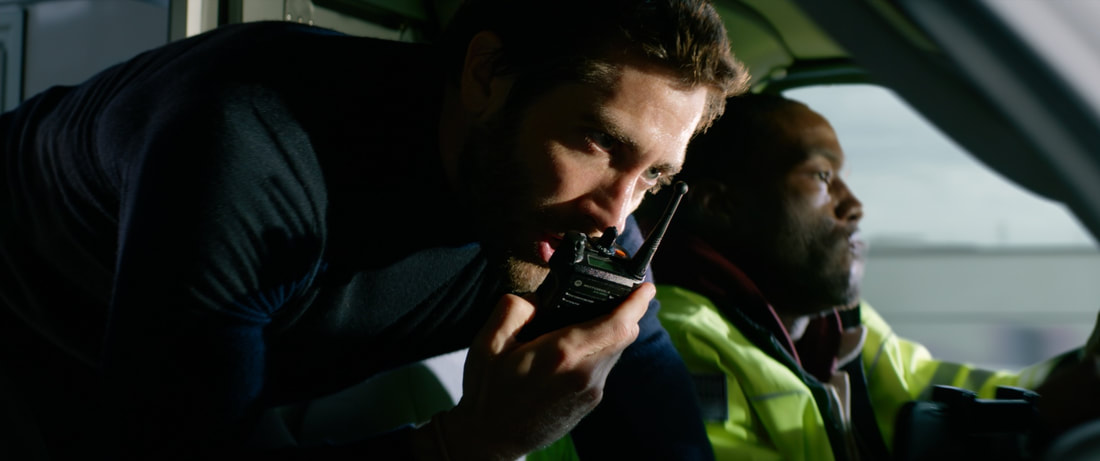 (from left) Danny Sharp (Jake Gyllenhaal) and Will Sharp (Yahya Abdul-Mateen II) in Ambulance, directed by Michael Bay. Photo Credit: Universal Pictures. Michael Bay has been known to make films with a lot of flair. His unique style has spawned other filmmakers that want to copy his style, but he is the only one who has mastered this style — a flashy, shiny, glossy style with lens flares and a newness. The Transformers films were the perfect example of this style he has perfected. The newest film from Bay is Ambulance, another actioner that fits the same bill. Yahya Abdul Mateen II plays an ex-military man looking for a way to pay for an experimental surgery for his wife and mother of his child. He calls his brother (Jake Gyllenhaal), who has a job that will set everyone up forever. Trying to convince Mateen's character to rob a bank with him and his team was the easiest part. Surviving and getting away is the hardest part. The film focuses on several groups of people: the bank robbers, a couple of LA cops in the wrong place at the wrong time, and an EMT worker who gets caught in the middle of all of this. The EMT worker is played by Eiza Gonzalez (Baby Driver), who is the heart of the film. We, as the viewer, see everything from her perspective. The film deals with some moral dilemmas, and how these characters deal with them is the key to seeing how this film unfolds. Trying to save a life plays a huge part in the movie. Whether it's Mateen's character's wife, a little girl who gets caught in the crossfire of one of the police officers who gets shot trying to stop the bank robbers, saving lives is the utmost concern of the screenwriters.  (from left) Danny Sharp (Jake Gyllenhaal) and Will Sharp (Yahya Abdul-Mateen II) in Ambulance, directed by Michael Bay. Photo Credit: Andrew Cooper/Universal Pictures. Bay decides to tell this story of moral dilemmas by doing some technical things that just didn't work for me. His cinematic style gets in the way of a relatively interesting story. He can't seem to let the camera rest without spinning it around in circles and causing headaches from the non-stop movement and shaking of the camera. Also, the score that is so over the top it's mind-splittingly numb.
What draws this film to an exciting conclusion is a film long car chase where the incompetent LAPD chases an ambulance around the greater Los Angeles area. This chase sequence is fantastic. It's one of the best car chase scenes in movie history, but it's so over the top it's hard to believe that an ambulance can outrun and outwit the entire LAPD. This is the kind of thing Bay does, though. He's famous for doing this type of wild, crazy stuff in his films. Ambulance relies on Bay's overabundance of Bayisms, shaky cam, and loud, obnoxious score. The moral dilemmas the film tries to interject into the script are a disguise for all of these Bayisms that he inexplicably has to put into his movies. He can't help himself. Most audiences will probably enjoy this film and ignore the problems I see with the film. I can't, though! These problems completely threw me out of another shiny, glossy flashy Bay film. Ambulance hits theaters on April 8. Rating: 2/5 Review by Dan Skip Allen  Photo Credit: Stefania Rosini/Amazon Studios. Chris Pine is no stranger to spy films or franchises. In All the Old Knives, he plays a CIA agent who has to investigate a plane hijacking from six years prior. The hostage situation may have been compromised, so he has to go around interrogating his previous operatives to see which one was the culprit. One of those operatives was an ex-lover, played by Thandiwe Newton. There is more going on than meets the eye, though. Besides Pine and Newton, this film boasts an impressive cast. Laurence Fishburne plays the leader of the CIA sub-office in Vienna, where this group worked. He answers directly to Langley, Virginia. Jonathan Pryce plays a grizzled CIA operative who's been on the job for a while. He may have some things to hide. The film is also filled with many other lesser-known character actors who all do a stellar job in their various roles as spies and or terrorists. Spy films are usually filled with espionage, sneaking around and gunfights, and so forth. This film is a lot different from other spy films I've watched. It has a central focus which is the hijacking. Everything else builds off that, including the interrogation scenes with Pine and the other cast members. The problem is that all of this setup doesn't have much payoff. The viewer doesn't get much to get behind except a few conversations explaining what we've already seen. These scenes are mixed together and jumbled. It's a very convoluted plot and storyline. 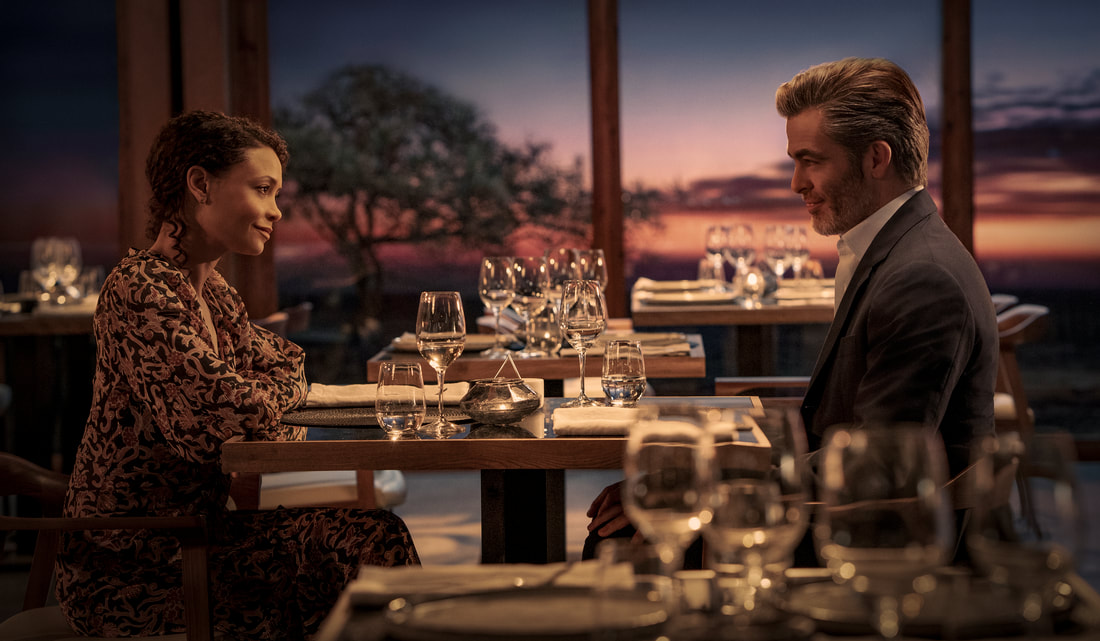 Photo Credit: Stefania Rosini/Amazon Studios. Spy films and series can have complex storytelling and plot devices, but they still have competent writing and story beats that filmgoers can follow along with. A film such as Tinker, Taylor, Soldier, Spy is a great example. It's a very complex but well-written and acted film. All the Old Knives tries to be something of a new take on the spy genre. It's just not very good. It's not that interesting, and the acting is just passable.
All the Old Knives lacks any sharpness that other spy genre films and television series have. It's too confused with what it wants to be and instead ends up being something hard to follow along with and very convoluted. It mixes too many story beats into this hour and forty-minute runtime. These complex subplots would work in a book but not in a film. I like the cast, but they were wasted on this subpar script and direction. All the Old Knives hits theaters and Prime Video on April 8. Rating: 2.5/5 Review by Camden Ferrell  Regardless of one’s personal opinions about him, it’s hard to deny the cultural prominence of Elon Musk in recent years. Musk, the richest person on the planet, is also the CEO of SpaceX. Return to Space, the new documentary from Oscar-winning duo Jimmy Chin and Elizabeth Chai Vasarhelyi, is an interesting but far too safe and conventional look into modern space exploration for directors of this caliber. This film follows the collaboration between NASA and SpaceX as they work towards sending American astronauts back to space and beyond. In this documentary, we get to see the inner workings of SpaceX, including the work of its engineers, astronauts, and CEO. This is an interesting topic that is relevant to our time, and it’s a story all audiences can enjoy, not just those interested in space travel. It’s clear early on that this movie is intent on being conventional. It plays out like a standard documentary. It aptly tells its story, but the film itself doesn’t have a whole lot of passion or personality; that burden is but on the subject. This is probably the film’s most underwhelming aspects since it comes from the directors of Free Solo, one of the best documentaries of the last decade.  The movie has a lot of great interviews from people involved in space exploration. They’re often able to give entertaining commentary or insight into the process of SpaceX and NASA while still being accessible to all audiences. There is also an abundance of great footage of these engineers and astronauts at work that is balanced adequately with the interviews and archive footage alike.
On a visual level, the movie is shot very well, and it takes full advantage of the magnitude of its subject. However, this exuberance exists solely on a superficial level, and the rest of the movie can feel rather uninspired at times. As mentioned before, this is a really solid documentary that is ultimately disappointing considering who is helming the production. Despite being over two hours long, it feels like more could have been done with this movie. Return to Space may not be a fully comprehensive look at SpaceX and their objectives, but it’s a great starting point to learn more. It examines the history of space exploration and how it affects that field today, and it offers an optimistic promise for what’s to come in the near future for these pioneers. Return to Space is streaming on Netflix April 7. Rating: 3.5/5
Review by Sean Boelman
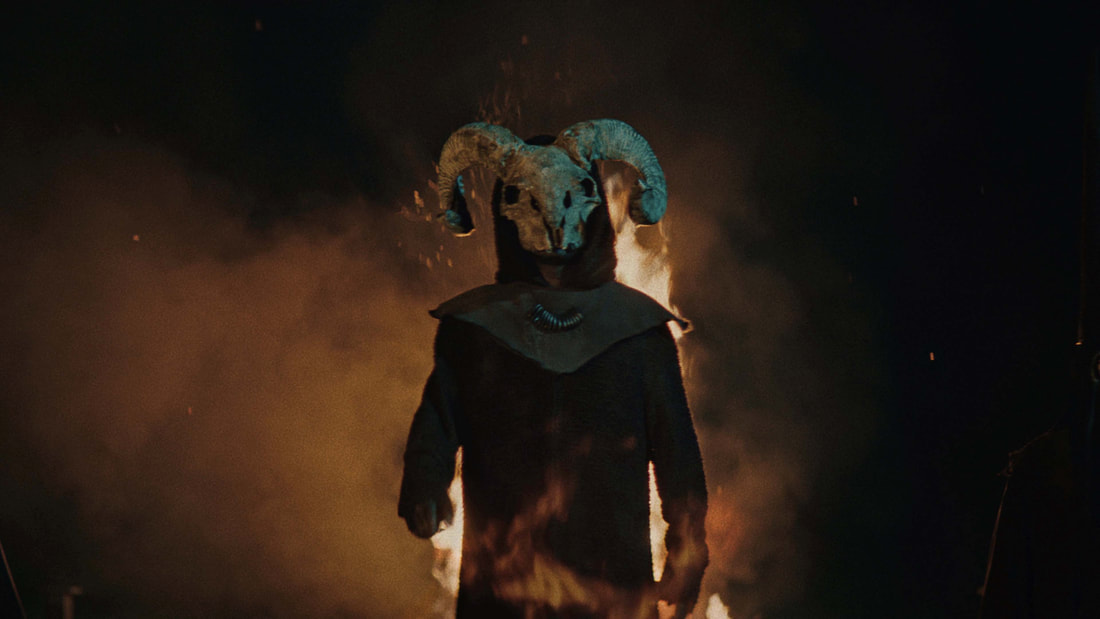
At this point, Scout Taylor-Compton is basically the scream queen of modern straight-to-VOD horror movies, putting out more movies in a year than anyone this side of Nicolas Cage. The Long Night looked like it was going to be one of the better ones, but it’s really just another generic occult horror picture.
The film follows a woman who leaves the city with her boyfriend to return to her southern home in an attempt to reconnect with her past, only for a cult to begin to terrorize them as part of an ancient prophecy. It’s an enormously derivative movie, Rich Ragsdale’s competent direction being the only thing that saves this from total obscurity. Mark Young and Robert Sheppe’s script is terribly generic. Take a bit of The Wicker Man, add a dash of Rosemary’s Baby, and fill the rest with every imaginable trope of the cult horror genre, and you have this derivative picture. Its biggest flaw is that it simply isn’t interesting, something which was unavoidable to an extent given how generic it is, but the least Young and Sheppe could have done is give it some energy. The one good thing about the film’s writing is that it is mercifully short. The story feels like an excuse for some moderately creepy horror imagery, and that’s basically what we get. There’s basically no substance to the movie, with very little message to be found but perhaps more damningly, no emotional connection whatsoever.
It definitely would have helped if the character development in the film were a bit more distinctive, but what we get is a generic married couple with tensions boiling beneath the surface, and a mysterious cult leader with motivations that are vaguely superstitious and about as bland as they come.
Taylor-Compton is definitely the glue that holds this movie together. Even when her sole purpose is to look confused as scary stuff happens to her, she manages to command the screen in a mostly compelling way. Nolan Gerard Funk, on the other hand, simply looks as if he doesn’t know what he’s doing for much of the film. There is some decently eerie imagery throughout the movie but it doesn’t add up to much. The cinematography by Pierluigi Malavasi is trying very hard to be good, and it occasionally is, but more often than not, it’s the filmmakers throwing a bunch of stuff to the wall to see what sticks. And the production design is lackluster, because why is the serpent cult wearing bovine skulls as headdresses? The Long Night isn’t an outright bad movie, but it doesn’t stand out in a way that is perhaps more damning. Sometimes a film is more interesting if it does something wrong, and this one doesn’t do anything wrong — it just doesn’t do much right. The Long Night is now available on VOD. Rating: 2/5 FANTASTIC BEASTS: THE SECRETS OF DUMBLEDORE -- With A Fantastic Beginning but Disappointing Ending4/5/2022 Review by Paris Jade 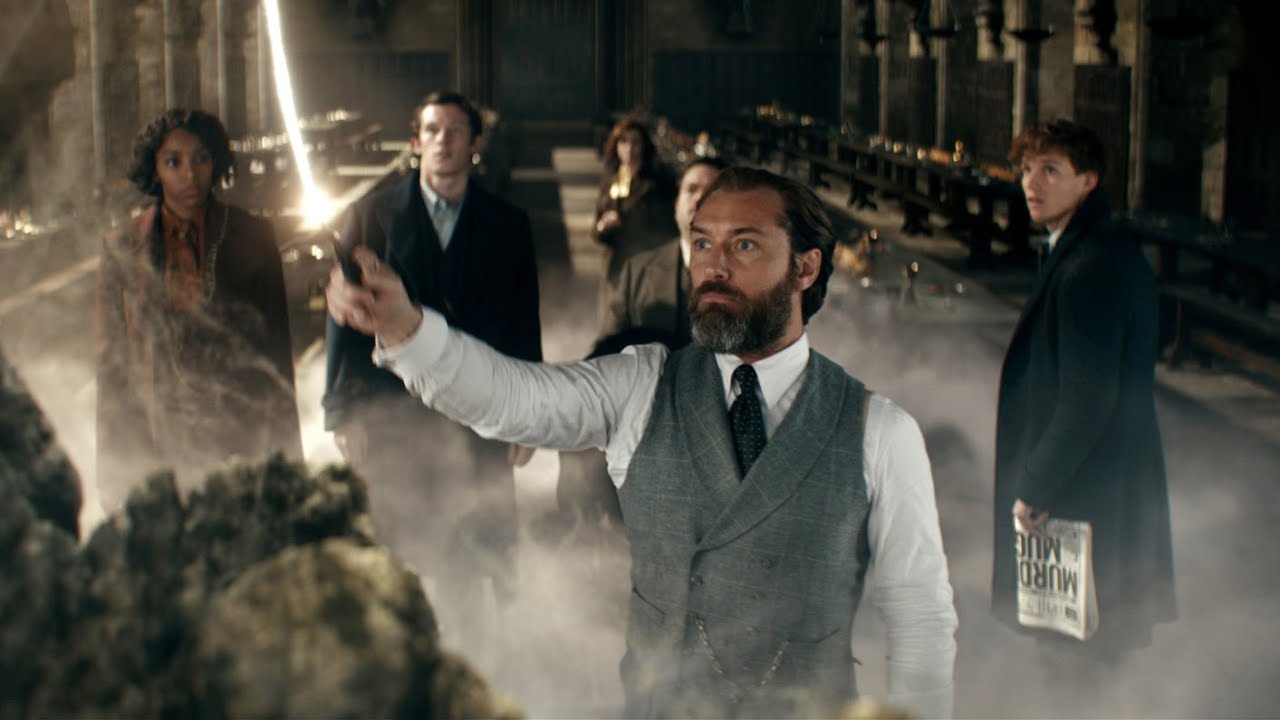 (L-R) JESSICA WILLIAMS as Eulalie “Lally” Hicks, CALLUM TURNER as Theseus Scamander, FIONA GLASCOTT as Minerva McGonagall, DAN FOGLER as Jacob Kowalski, JUDE LAW as Albus Dumbledore and EDDIE REDMAYNE as Newt Scamander in Warner Bros. Pictures' fantasy adventure "FANTASTIC BEASTS: THE SECRETS OF DUMBLEDORE,” a Warner Bros. Pictures release. Courtesy of Warner Bros. Pictures. © 2022 Warner Bros. Entertainment Inc. All Rights Reserved. After four years, we have finally gotten the long-awaited Fantastic Beasts sequel, making this series a trilogy. Fantastic Beasts: The Secrets of Dumbledore has finally arrived. This film was just amazing. Immediately your attention is grabbed in the beginning with the stunning effects. If you hadn't watched the first two films, you might be a bit confused because it immediately goes into the storyline and picks up where the last movie left off, which is perfect for a person who wants to deep dive into the plot. Let's first discuss the casting for this film, as we have a brand new Grindelwald in replacement of Johnny Depp. Mads Mikkelsen makes a great villain; he's a very menacing looking man. The only problem with this particular film is that whoever did the casting decided they wanted someone who looked and sounded just like Mikkelsen. Oscar Masucci plays Anton Vogel, the Supreme Mugwump of the International Confederation of Wizards, basically meaning he called all the shots for the wizarding community. There was a scene where it kept cutting back and forth between Vogel and Grindelwald, and you swear it's the same person. The amount of times you'll be confused about who is on your screen is way too many. So when you do decide to see this film, remind yourself that Grindelwald is the one with a baby grey streak in his hair, obviously a very big distinction. Other than that mishap, the rest of the cast is perfect as they were in their previous films and truly know and understand the characters they are playing. 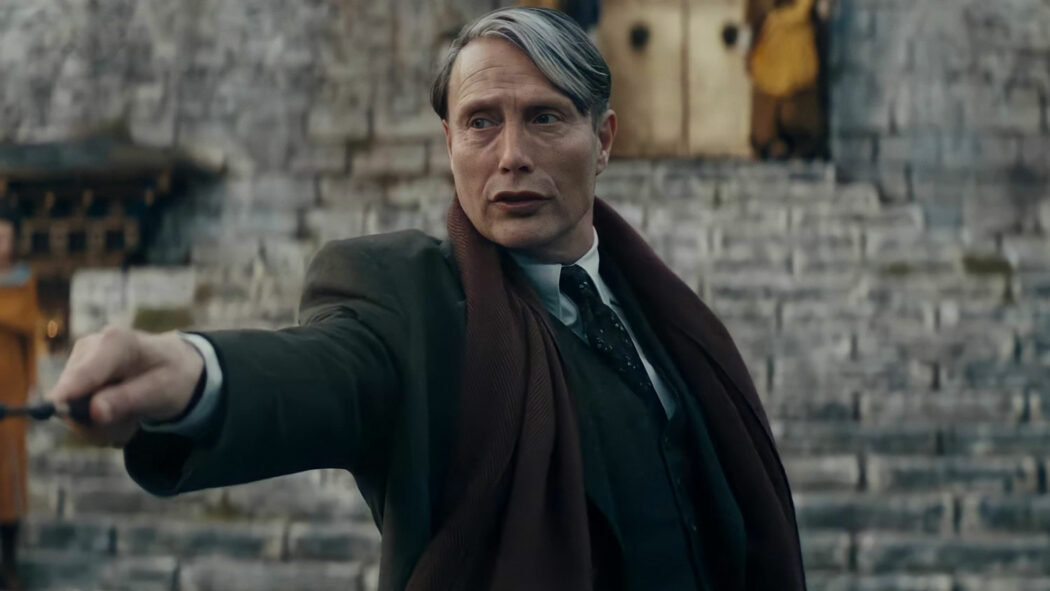 MADS MIKKELSEN as Gellert Grindelwald in Warner Bros. Pictures' fantasy adventure "FANTASTIC BEASTS: THE SECRETS OF DUMBLEDORE,” a Warner Bros. Pictures release. Courtesy of Warner Bros. Pictures. © 2022 Warner Bros. Entertainment Inc. All Rights Reserved. Regarding the effects, Warner Bros. one-ups themselves when it comes to the Harry Potter/Fantastic Beasts franchise. Every new movie delivers great new effects, and this one does not stray away from that. This is a film that you have to experience in theaters. Every fake creature that we discover in the movie looks incredibly real, which only makes you more attached to them.
The plot itself was very entertaining. You are pulled into instantly, and you want to know what happens next. The film starts with a regular conversation between two characters and then shoots you into an epic battle. Suddenly, the stakes are high, and you are on a journey to defeat Grindelwald. The build-up during the film is great. You can feel the tension between Dumbledore and Grindlewald, you can feel the stakes of everyone's lives rising until the final scene, but then there's not much payoff. The ending doesn't feel grand enough for such a big build-up, and it's honestly a little disappointing. There is a bit of a happy ending, but it didn't feel like enough for everything that happened. You leave the film wanting more and not in a good way. However, even with an ending like that, it is still a great film, and you should still watch it, especially if you are already a fan of the series because that's who it is made for. Catch Fantastic Beasts: The Secrets of Dumbledore in theaters on April 15th. Rating: 4/5 Review by Dan Skip Allen  Sonic (Ben Schwartz) in SONIC THE HEDGEHOG 2 from Paramount Pictures and Sega. Photo Courtesy Paramount Pictures and Sega of America. The video game movie genre has been a big miss since films have gotten made of them, starting with Street Fighter and Mortal Kombat in the early '90s. The first Sonic the Hedgehog movie was a big hit, even though it didn't start out that way. Early images came out of the little guy, and the fandom was in an uproar. Paramount pushed the film back six months, and when the movie finally came out, everybody loved this beloved video game film based on this iconic character. So the inevitable was bound to happen: a sequel was greenlit very quickly. Fast forward to 2022, and the new movie is coming out. Sonic is still voiced by Ben Schwartz, and he's still living with James Mardsen's Tom. On the mushroom planet, Dr. Robotnik (Jim Carrey) is trying to devise a plan to get off the planet. An electromagnetic pulse is sent out to see if anybody will come to rescue him. Through a portal comes Knuckles, an echidna race of warriors voiced fantastically by Idris Elba (Zootopia). He packs quite a punch. Also, usually on the sidelines dealing with the tech stuff is Tails, voiced by Collen O'Shaughnessy, an adorable little fox-like creature with two tails, hence the name. They are forced to come out of the shadows to help Sonic with this intergalactic threat and Dr. Robotnik. This film was quite a fun ride from beginning to end. It was filled with pop culture references, jokes, and phrases we all would be familiar with. The film really knows the audience and goes for them every time, getting quite a few cheers when popular things from the games are implemented in the plot. That being said, there are a few things I had issues with. One of them is the CGI. While pretty good most of the time, there were instances when the CGI was a little wonky. The film is filled with CGI characters and action set pieces, so it makes sense that everything wasn't perfect. I also had a problem when the film departed from the CGI characters. When we get the live-action people, the film takes a dip in quality, except, of course, from Jim Carrey. The CGI characters, Dr. Robotnik, and all their hijinks are what we are there for.  Jim Carrey and Knuckles (Idris Elba) in Sonic The Hedgehog 2 from Paramount Pictures and Sega. Photo Courtesy Paramount Pictures and Sega of America. Jim Carrey has done it all in Hollywood. His big breakout year was 1994 with The Mask, Dumb and Dumber, and Ace Ventura: Pet Detective. He even did a biopic of legendary stand-up comedian and television star Andy Kaufman. He's tried his hand at drama as well. The character of Dr. Robotnik is a return to form for this great stand-up comedian, actor, and impersonator. You can tell he's having fun again in an acting role like Liar, Liar or Bruce Almighty. He's eating this character up and loving every bite. He steals the show once again in Sonic the Hedgehog 2. Everybody is in service to his genius. Here's hoping we get more of him in future films.
Jeff Fowler directed the first Sonic the Hedgehog film, and he returns to the sequel. He has a back for knowing this character and its world. The writers Pat Casey, Josh Miller, and others are aiding and abetting Fowler. They write into the wheelhouse of Fowler's directing style: fun comedic moments while also filling the film with action set pieces and giant CGI fight sequences. This is the bread and butter of this franchise. I think fans will be delighted with this second outing of Sonic the Hedgehog. It's full of nostalgia, pop culture references, and heartwarming scenes. The voice-over cast is impeccable. This sequel isn't better than the original, but most sequels aren't, except for a few. People of all ages will enjoy it, even if you haven't played the games. Sonic the Hedgehog 2 hits theaters on April 8. Rating: 4/5 |