
|
Review by Sean Boelman

One of a few documentaries exploring the culture of a particular town that was set to debut at this year’s SXSW Film Festival, Hamtramck, USA is a fascinating exploration of the idea of multiculturalism in modern America. Thanks to its strong and urgent ideas, this film serves as a solid snapshot of the moment, even if its stories aren’t fully developed.
Hamtramck, Michigan was formerly a city whose population was comprised almost entirely of Polish immigrants, but now it has become the first Muslim-majority city in America. Justin Feltman and Razi Jafri’s documentary follows a Muslim man in Hamtramck as he runs for city council and the current Polish mayor, who seeks reelection as the first female mayor in the city’s history. Part of what makes the movie work so well is that it cuts between the two main storylines, creating a parallelism between an immigrant’s quest for greater representation in local government and the systematic oppression of women’s voices in politics. The comparison that Feltman and Jafri are able to build between these two ideas does a good job in making both feel more urgent. As a whole, Feltman and Jafri’s film encourages a greater sense of community. Feltman and Jafri purport that, only when people of all races, ethnicities, and backgrounds in America work together will this country become the utopia for all that it was intended to be. Although that is sadly an unrealistic ambition, there is still a lot to learn about empathy and humanity from this movie. 
Something interesting about Feltman and Jafri’s approach to the story is that they tend to shy away from both candidate’s policies. Although there is some inevitable discussion in debates and other such public forums, the film is less concerned about the political views of the candidates than what they stand for in the greater picture of the American government system.
That said, the movie doesn’t quite achieve the perfect balance in terms of pacing. Feltman and Jafri seem to recognize that the city council campaign is the more unique of the two stories, and as such, focus more time on it. The mayoral campaign is certainly a necessary part of this story, but it would have been nice to see there be more development in this other portion of the film. On a technical level, Fetlman and Jafri take an admittedly conventional fly-on-the-wall approach, but that is a tried-and-true method for a political documentary like this. That said, there are some areas in which this movie could have improved. Namely, a better examination of the politicians’ constituents would have been welcome. Hamtramck, USA may be a more safely-made documentary than its subject material demands, but it still has a lot of interesting ideas that make it a meaningful watch. This film has a very important message of cooperation and bipartisanism in a time that is so divided. Hamtramck, USA was set to debut at the cancelled 2020 SXSW Film Festival. It is currently seeking distribution. Rating: 3.5/5
0 Comments
[SXSW 2020] MY DARLING VIVIAN -- An Entertaining New Perspective on the Life of Johnny Cash3/27/2020
Review by Sean Boelman
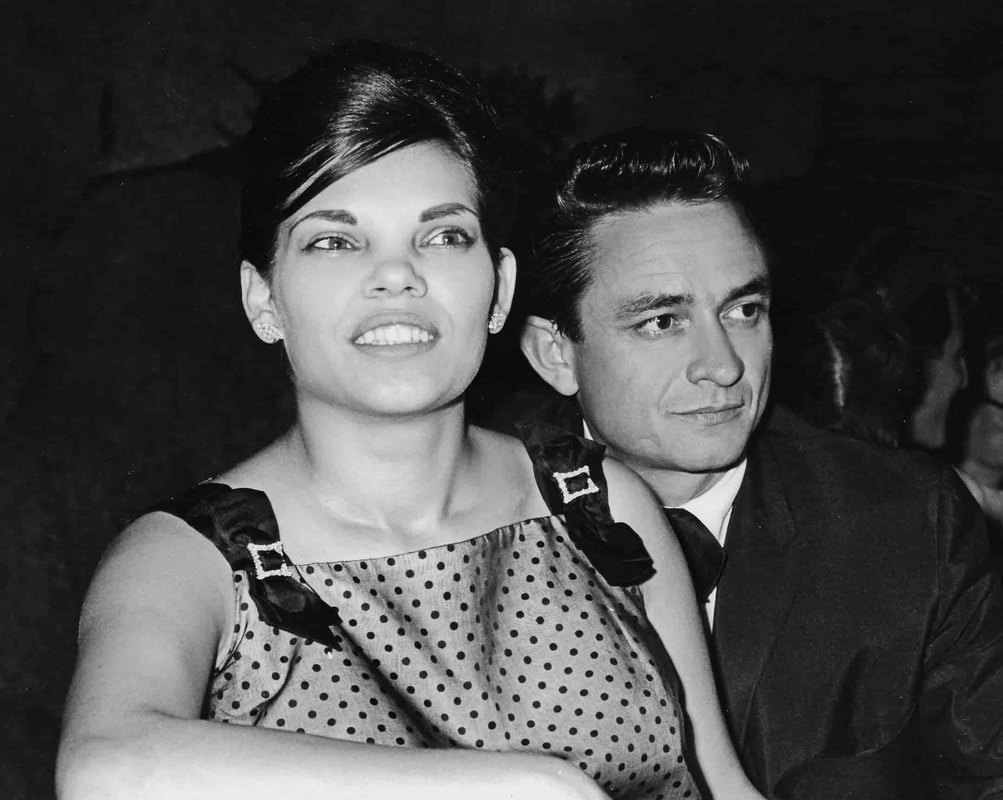
Detailing the relationship between Johnny Cash and his first wife Vivian Liberto, My Darling Vivian takes an interesting perspective on the life of the music legend. An entertaining, if sometimes underdeveloped documentary, this film is nonetheless essential viewing for fans of the country music icon.
The movie tells the story of Vivian Liberto, who met Johnny Cash at a young age and became his first wife and mother to four of his children. It is interesting to see this portion of Cash’s life depicted on film because most biographies (including the biopic Walk the Line) focus more on the time after he met (and eventually married) June Carter. Something about this movie that may rub viewers the wrong way is that it is very concerned with disproving myths regarding Cash’s relationship with Liberto. Because this portion of Cash’s life is less frequently documented, there’s been a lot of speculation, and at times, it feels like Liberto’s family is simply trying to turn the tables on Cash rather than setting the record straight. That said, the film will prove to be of tremendous interest to anyone who is a fan of Cash. By exploring Cash’s life from the perspective of those who knew him the most, his children, this movie promises an element of honesty unlike biographies of the past. Additionally, the film features some of Cash’s own words in the form of correspondence he shared with Liberto while he was serving overseas in the war. 
However, director Matt Riddlehoover does lose track of the movie at times. The title implies that this is a documentary about Vivian Liberto, but more often than not, it feels like a documentary about the early portion of Johnny Cash’s life. While it is understandable why Riddlehoover took this route (it’s much more easily marketable), it is admittedly a bit disappointing.
Granted, there are some portions of the film that explore Liberto’s life before and after her relationship with Cash, but even those are framed in the shadow of the superstar. When their children are discussing Liberto’s second marriage, they discuss it in terms of how Cash’s departure made Liberto feel desperate to find someone. Riddlehoover’s execution is definitely very strong and done in a way as to make the movie as generally audience-friendly as possible. The film is told mostly through archive materials and interviews from Cash and Liberto’s children, which solidify the movie as very informative. Of course, some of Cash’s iconic tunes make a welcome appearance on the soundtrack, but they don’t dominate the film. My Darling Vivian offers some interesting insight into Johnny Cash’s life, but it doesn’t fulfill its promise as a documentary about Vivian Liberto. Still, it is well-made all-around and a breezy enough watch. My Darling Vivian was set to debut at the cancelled 2020 SXSW Film Festival. It is currently seeking distribution. Rating: 3.5/5
Review by Sean Boelman

Directed by Kevin Ford, The Pushback is the type of SXSW film that would have been a near guarantee to be a smash hit with festival audiences thanks to its local connections. Still, even if one isn’t from the area in question, Ford’s movie makes some interesting claims regarding the state of democracy in America.
Over the course of the film, Ford follows two groundbreaking women as they run for office in Texas, one with the goal of becoming the first Latina Congresswoman from Texas, and the other the only African-American running for a city council seat in Austin. Like last year’s similarly-themed documentary Knock Down the House, Ford’s movie works because it is compelling to see these people busting through the glass ceiling. That said, as is the case with so many political documentaries, Ford attempts to go too big with his story, and loses some of its impact as a result. Although both of these female politicians have fascinating experiences, Ford feels the need to create a parallel between their experiences and the campaign of the much higher-profile Beto O’Rourke. With this comes the loss of some of the connection that the audience would have otherwise had with the film’s subjects. Natasha Harper-Madison, who is campaigning for city council, gets more screen time than Veronica Escobar, and as a result, feels more developed. The other storylines of the movie feel underwhelming. 
Another thing that will hold the film back is that it is very aggressively political. In certain sequences, Ford and his interviewees seem to be acting as if liberalism in Texas is under attack. This will frustrate the movie’s conservative viewers, and even potentially alienate a moderate audience that could have benefitted from hearing the story.
Regardless, there is something inspiring about the two main stories that are on display in this film. Interviews with Harper-Madison and Escobar prove that they are among the politicians who are in the field to make a difference and change lives, rather than to make a profit. In a time of division, this is an important reminder of how the government can help the people when it is functioning properly. On a technical level, Ford’s movie is certainly very polished, and that is another thing working in its favor. Combining fly-on-the-wall footage with interviews gives the film a very personal feel that a political documentary like this needs to succeed. Furthermore, Ford shoots some of the more high-intensity sequences, such as the elections, in a thriller-like style, allowing greater investment from the viewer. Kevin Ford’s documentary The Pushback may not be as narratively streamlined as it could spare to be, but it offers a compelling story nonetheless. It’s a shame that Texas audiences weren’t able to see this at SXSW, but hopefully the opportunity will eventually come their way. The Pushback was set to debut at the cancelled 2020 SXSW Film Festival. It is currently seeking distribution. Rating: 3/5
Review by Sean Boelman
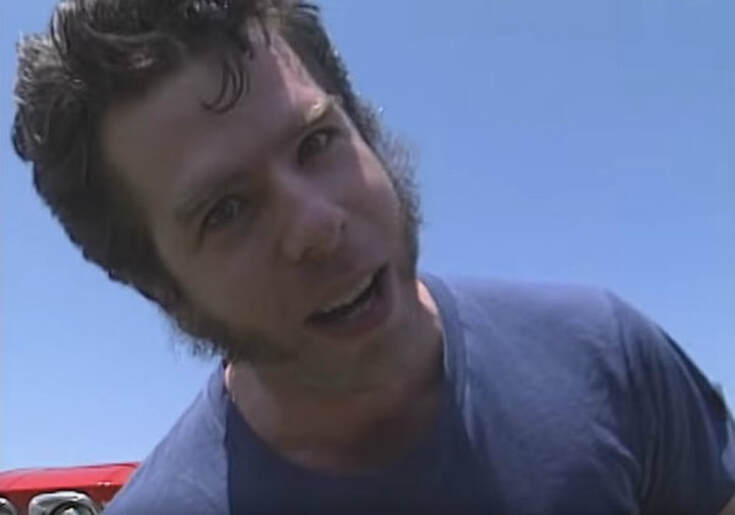
An homage to one of the most famous rebels in all of music history, The Mojo Manifesto: The Life and Times of Mojo Nixon is a documentary tailor-made for fans of the cult-favorite musician. However, despite the unabashedly weird persona of its subject, this is a disappointingly conventional biography.
The film tells the story of Mojo Nixon (born Neill Kirby McMillan Jr.) as he goes from son of a radio station owner to a blues-inspired counterculture sensation known for his unorthodox style and absurd live appearances. McMillan’s story is an interesting one, even for those who are uninitiated to the Mojo, because it is a compelling and unexpected rags-to-riches tale. However, director Matt Eskey makes some unusual choices behind the camera. For one, the movie doesn’t follow McMillan’s life chronologically, presenting itself in chapters, and chapter one doesn’t come until about twenty minutes into the film. The result is that the movie stumbles early on and struggles to regain its footing. Of course, it would be wholly inaccurate to say that McMillan lived anything close to a boring or traditional life. Yet even so, Eskey presents McMillan’s story in a very paint-by-numbers way, forcing the film to follow the beats of a generic rock doc (albeit in a slightly different order). While this does make the movie easily palatable, it doesn’t provide the insight that fans would like to hear. 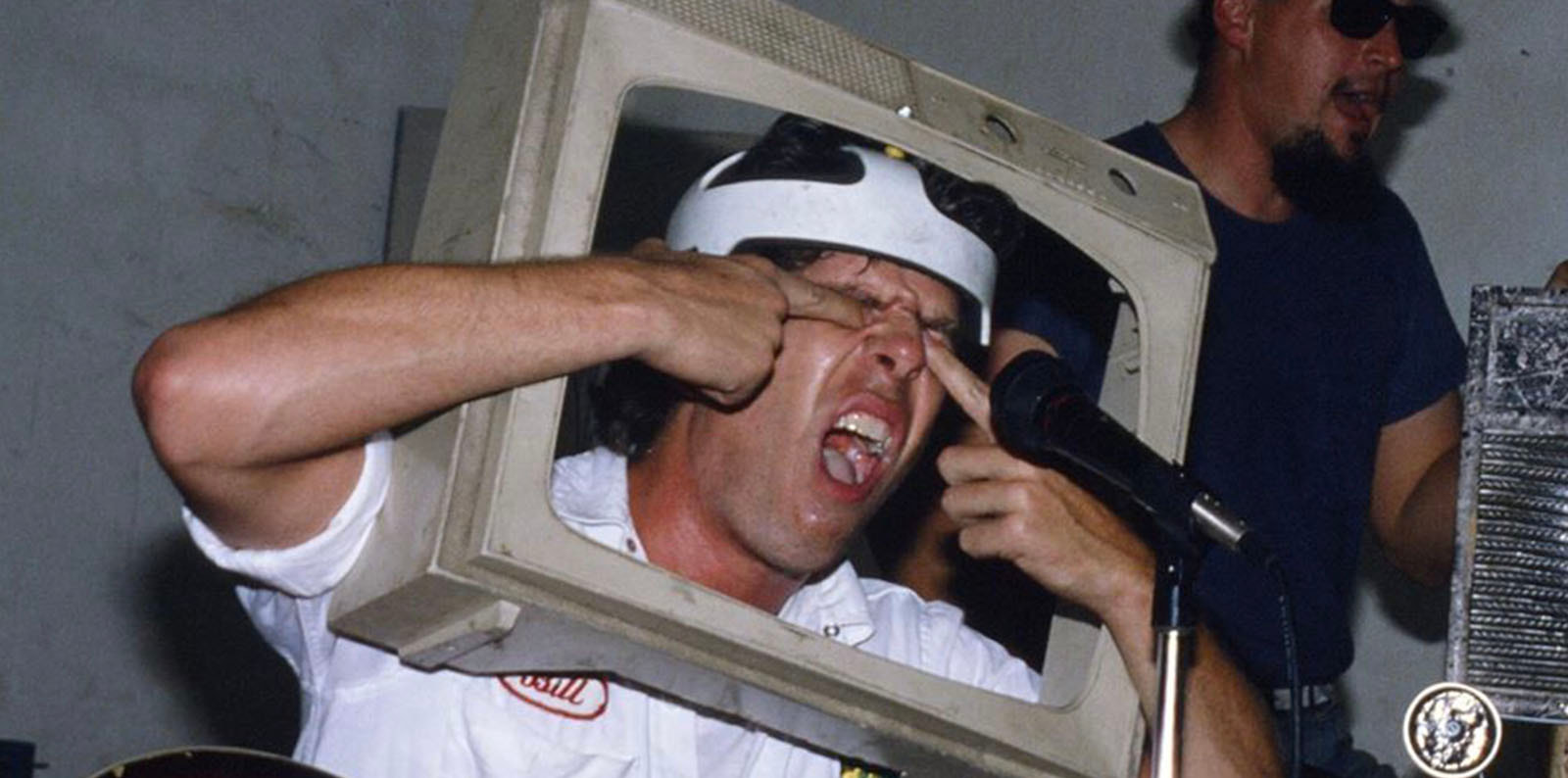
In what is both one of the film's biggest strengths and its greatest weakness, Eskey frames the movie around interviews with McMillan himself. Even though McMillan is technically retired, he still has an obvious passion for his music, and still exhibits a lot of the same wacky traits. That said, his idiosyncratic persona leads him to rambling at times, which is entertaining at first but becomes old pretty quickly.
Additionally, Eskey’s film is very rough and unpolished. Although it is almost fitting given the subject, it is frankly pretty distracting. The interviews are poorly-framed and not very aesthetically appealing at all. The editing feels haphazard and struggles to maintain a sense of narrative momentum. What ends up being the saving grace of this movie is the wealth of archive materials to which Eskey had access. Eskey incorporates the modern-day interviews with past interviews with McMillan and performance footage. These moments in which the audience gets to see McMillan performing are the most entertaining in the film. For the most part, The Mojo Manifesto: The Life and Times of Mojo Nixon is made for those who are already fans of the musician. Still, some very fun moments allow the movie to be entirely watchable despite its flaws. The Mojo Manifesto: The Life and Times of Mojo Nixon was set to debut at the cancelled 2020 SXSW Film Festival. It is currently seeking distribution. Rating: 2.5/5
Review by Sean Boelman
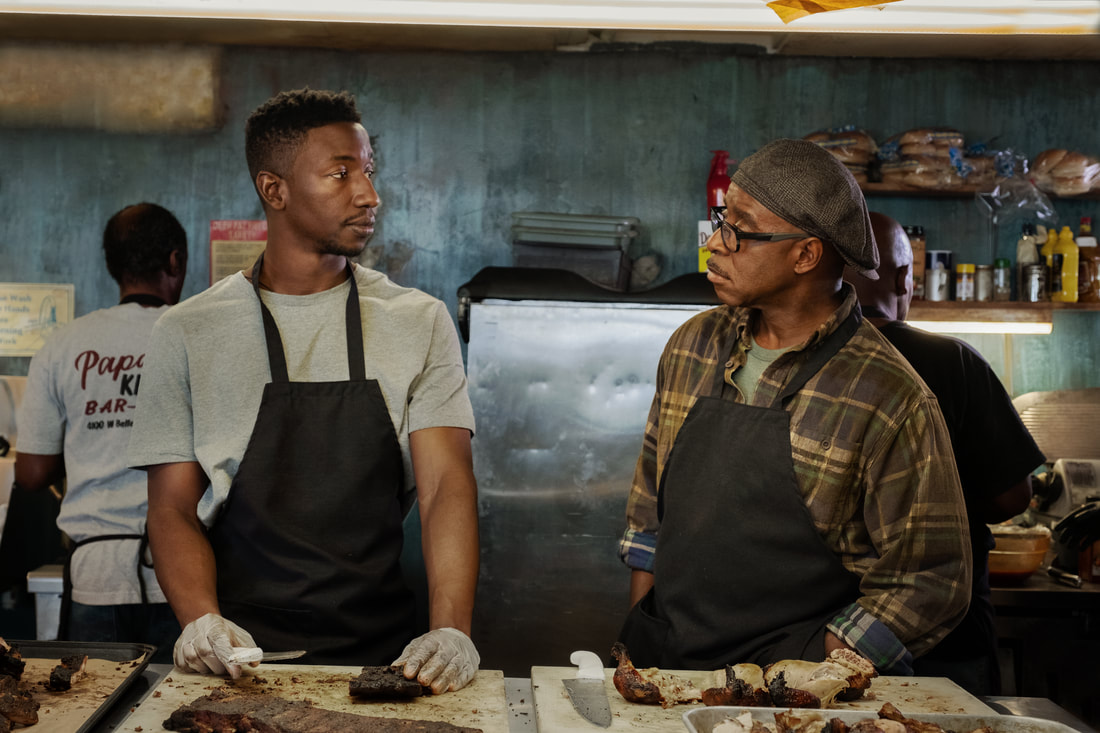
Photo Credit: Nina Robinson/NETFLIX.
The feature debut of writer-director Prentice Penny (who serves as executive producer on Issa Rae’s HBO show Insecure), Uncorked is an endearing new drama. Thanks to a compelling emotional arc and inspiring message, combined with a great lead performance, Penny’s film is an entertaining watch.
The movie follows a man as his aspirations of becoming a master sommelier begin to clash with his family’s expectations that he will continue the family business. Although there are plenty of films about someone from a tight-knit community wanting to break with his family expectations to go on their own path, this movie manages to stand out because of its unique premise. Films about food are traditionally very interesting because everyone has a relationship of some sort with food, but Penny’s movie takes a very intriguing approach. Part of what makes the film so appealing is that it offers a look into the world of wine and sommeliers. While viewers won’t learn as much from watching this movie as they would a documentary on the topic, it’s fascinating nevertheless. The character development in the film is also strong. Although the protagonist’s arc is a bit archetypal, it is very sympathetic nonetheless because it taps into the very common feeling of having dreams and aspirations that feel unreachable. A few of the emotional beats in the movie feel a little forced, but none of them are unearned. 
Photo Credit: Nina Robinson/NETFLIX.
Perhaps Penny’s greatest success in the film is that he is able to deliver an interesting exploration of the relationship between family obligations and personal desires. Penny’s perspective on these somewhat common themes is refreshing because it comes from a place of such honesty and reality.
Mamoudou Athie does an absolutely wonderful job in his leading role. When the movie has some comedic moments, he nails the timing, but he also has the excellent range for which the role calls. Courtney B. Vance and Niecy Nash are also both great as the protagonist’s parents, complementing Athie’s performance very well. Of course, as is the case with many films about food, there are some absolutely gorgeous shots in the movie featuring food and wine. Even though this film doesn’t really lend itself to the expression of a unique visual style, Penny proves that he has a lot of talent behind the camera, and it will be interesting to see what he does with material that allows him to show more stylistic freedom. Uncorked takes advantage of the interesting world in which it is set to provide a compelling and emotionally-driven story. With what’s happening in the world, a breezy and inspiring drama like this will likely gain plenty of traction. Uncorked is now streaming on Netflix. Rating: 4/5
Review by Sarah Williams
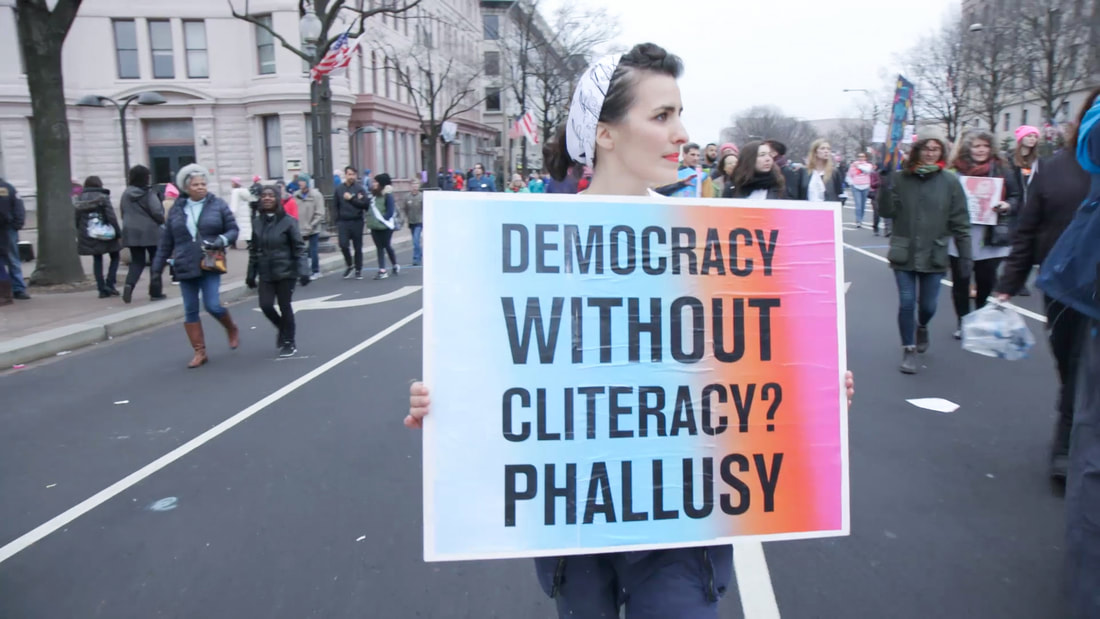
The Dilemma of Desire is an entire movie dedicated to the clitoris. Focusing on the underexposed female organ, it's a story of reclaiming sexuality. Not only do we learn an anatomy lesson, but there's the sociology around it, and an unveiling of why so little is common knowledge. It's an exposé on the suppression of women's sexual health, and it's unsettling to see how commonplace it is. As a long-form news story of sorts, Maria Finitzo's film is a cultural acceptance and reclamation of the clitoris in the purest form. This education is referred to as "cliteracy", a portmanteau for understanding women's bodies. It's a word that seems crude at first, but is no more so than any of the male versions that are commonplace.
It's a shame that for so many important topics, the film feels shallow and unrefined. It shifts between a sex education lecture, a showing of yonic art, and then pivots to how much it's taught in schools. The topics discussed aren't all things that would be learned at the same age, leaving a majority of the film much less useful based on the viewer's age. There is also a largely one issue view taken, meaning the film lacks any discussion on how these facts and access to resources may change based on a woman's sexual orientation, ability, class, or race. This intersectionality makes it harder for any nuance to come with the content. 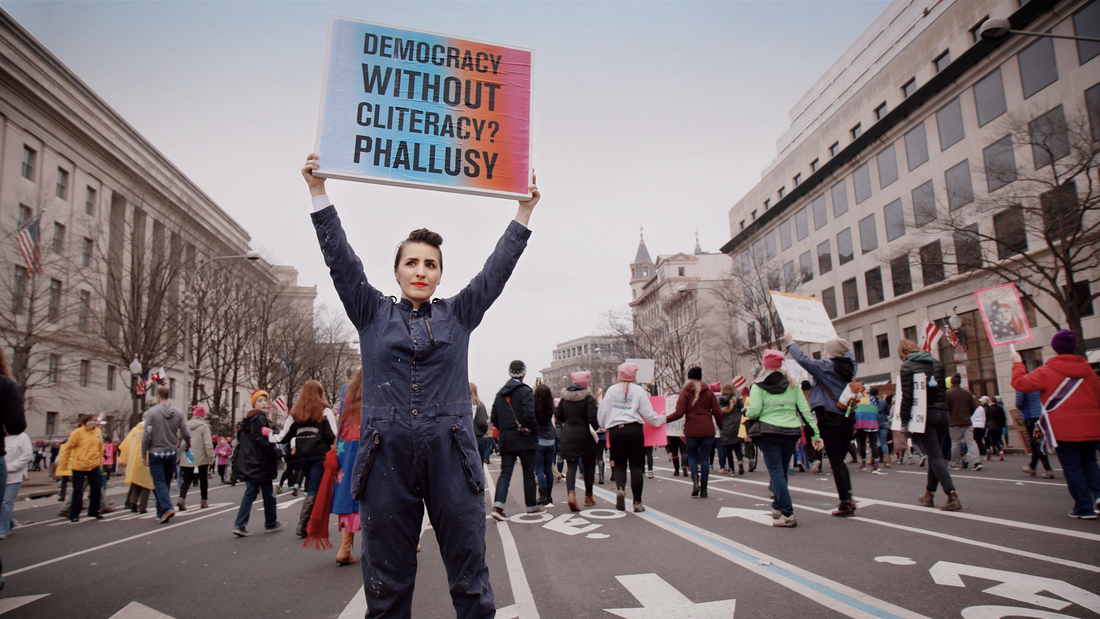
While the film is jumping around, it does highlight some chilling facts about how little we are taught about our own bodies. “In the USA, only 24 states require some sort of sex education, only 13 require that the information be medically accurate.” Less than half of the country requires anything, and only a quarter mandates that that must be real science taught. It's a scary fact, this misinformation, and it does need to be highlighted. What is taught is largely geared towards and about young boys, leaving the rest in the dark over how anything actually works.
The main issue is the film doesn't quite know its audience. The overt feminist themes that are in the premise, title, and marketing, so the audience is already going to be on its side. Yet the film chooses to start from the beginning, blending the biology and sociology lesson on the clitoris with a primer on feminism these viewers simply don't need. The key parts would be best taken out as a short documentary, more of a grab-and-go format to dispatch and garner awareness of how little we know. The content of the film is all what needs to be marketed to young women, just not as a whole. Some parts of the film are key to when hitting puberty and discovering the body, while others are for when first becoming sexually active, and these are very different contexts. As an educational work outside of learning these things for the first time, The Dilemma of Desire is a well-presented look at what information is withheld and what the truth is, but it struggles to understand what it wants its audience to be, and how to speak to them. The Dilemma of Desire was set to debut at the cancelled 2020 SXSW Film Festival. It is currently seeking distribution. Rating: 3/5
Review by Sean Boelman
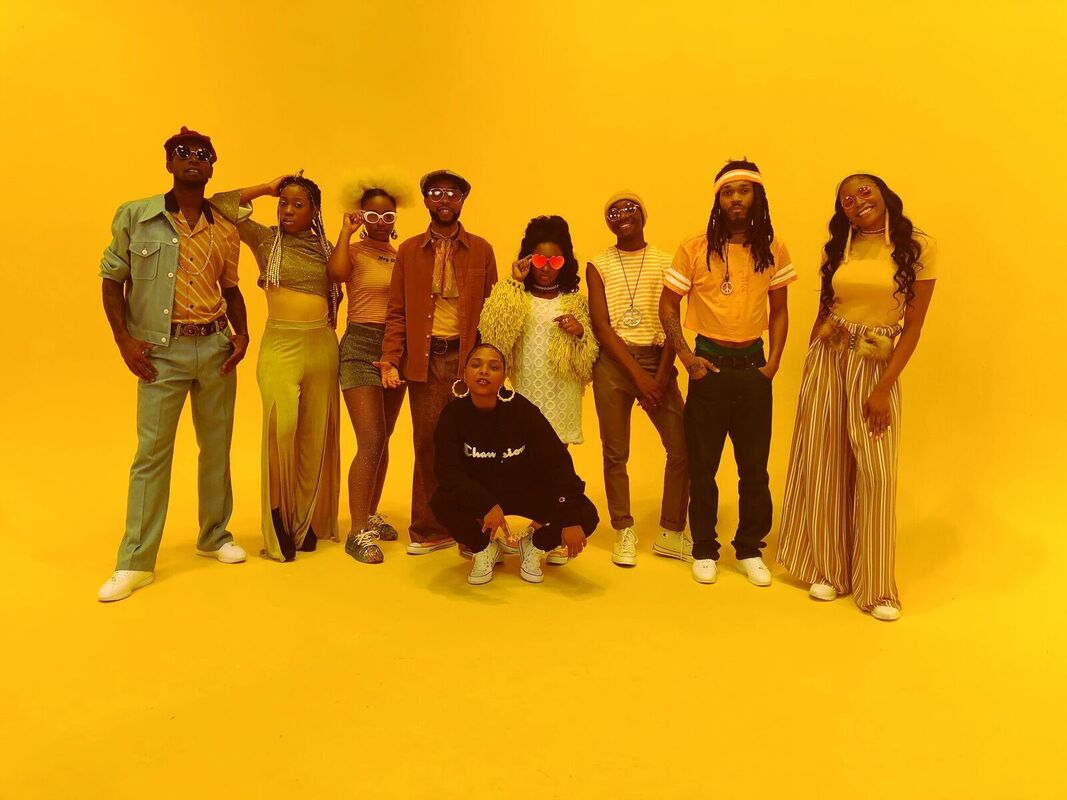
The directorial debut of musical artist TT the Artist, Dark City Beneath the Beat is one of the most gorgeous and idiosyncratic music documentaries to come out in a long time. Thanks to the filmmaker’s unique vision, this hybrid performance film and documentary is hypnotic and fascinating beyond belief.
In the film, TT the Artist takes a look at the Baltimore club music scene and the impact it has had on the people of Baltimore, both of the artists that call it home and the community at large. This is by no means a traditional music documentary, as it is much more concerned with the context in which the music was born than the music itself. Perhaps the most interesting thing about this film is the way in which it indirectly explores the political climate of Baltimore through the music that it inspired. Arguably the most interesting sequence in the film addresses the 2015 death of Freddie Grey and the consequences that it had, both short-term and long-term. TT the Artist serves as the de facto protagonist of the film, although the city itself is the subject. Although she was not born in Baltimore, that is where she met a majority of her success because of the city’s music scene. Through interviews with other artists and producers, the filmmaker fills out her message about creativity in the city. 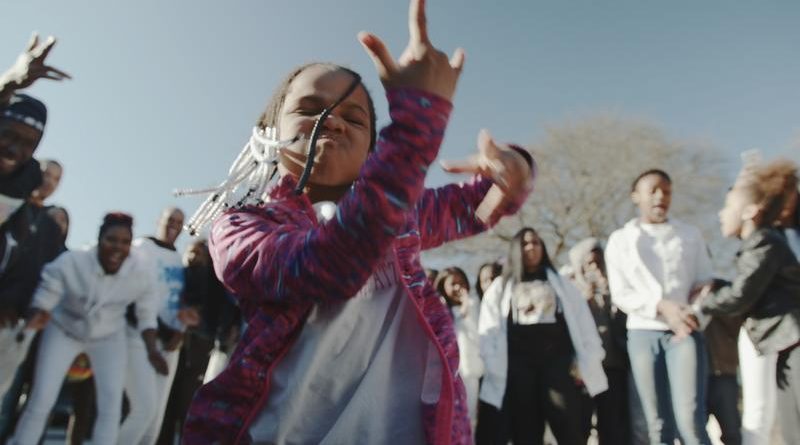
Of course, if one isn’t partial to Baltimore club music, it is likely that the film won’t resonate as much because the film is heavily rooted in that sound. The film’s narrative momentum is pushed along by performance scenes in which dancers perform some thoroughly impressive choreography to the type of music to which the film is a love letter.
By blending these elements of information and performance, TT the Artist is able to deliver a cinematic experience that is immersive and entertaining. While it doesn’t follow a traditional narrative structure, it never fails to lose the audience’s attention. Clocking in at just a little over an hour long, it’s a short but sweet film. On a technical level, TT the Artist has made a phenomenal work of performance art under the guise of a documentary film. The cinematography of the film is gorgeous, highlighting the beauty of both the choreography and the settings in which it is performed. Surreal dance sequences also permeate the film, making the film even more spellbinding. Dark City Beneath the Beat won’t be everyone’s cup of tea, but those who can get behind the film’s abstract nature will be awestruck by the amount of artistry on display. TT the Artist has a phenomenal voice that deserves to be heard, so hopefully this film will make its way to the people sooner rather than later. Dark City Beneath the Beat was set to debut at the cancelled 2020 SXSW Film Festival. It is currently seeking distribution. Rating: 4.5/5
Review by Sean Boelman

Directed by Joshua Tsui, Insert Coin is the type of nostalgia-based documentary built for gamers who reminisce about the good ol’ days of putting quarters into video games at an arcade. An amusing and informative look into an industry that has evolved so much in years since, this documentary is almost as fun as the games it features.
The film tells the story of the game developers at Midway, whose coin-op game cabinets like Mortal Kombat, NBA Jam, and Terminator 2 revolutionized the gaming industry forever. Even the most casual of gamers will be familiar with some of the games being discussed (Mortal Kombat in particular having found great success as a console game later in its life), and it is absolutely fascinating to learn about their origins. Tsui divides the movie into segments, each exploring a different game created by Midway and the innovations that went along with it. There’s definitely a lot of technical language used throughout, so those who don’t have a remedial understanding of the way games work and function may find themselves lost at times, but it isn’t so complex as to be unfollowable. That said, Midway’s story isn’t one entirely composed of successes, and the film also serves as a cautionary tale of corporate greed. Tsui picks up the story with Midway experiencing great success and follows them as they begin to struggle with the increasing prevalence of at-home gaming. It’s interesting to watch as consumer preferences shift in this time. 
The movie features interviews with various people involved in the making of these games, from the programmers to the actors who lent their likenesses to be characters in the increasingly complex visuals of the games. These interviews provide a great deal of insight as to how these games were made with a combination of skill, creativity, and luck.
In addition to cashing in on the nostalgia that many viewers (and the interviewees) will have for a bygone era of gaming, the film does a great job of making the audience appreciate the level of hard work that goes into creating games like these. More so than other gaming documentaries, Tsui’s movie emphasizes game design as an art. On a technical level, Tsui gives the film a lot of visual energy. The story is told mostly through interviews, with archive footage and gameplay footage used to accompany what is being discussed. Tsui’s editing style is certainly very kinetic, particularly when he cuts from archive footage of the making of the game to footage of the game being played. The result is pretty captivating. Insert Coin admittedly relies a lot on the viewer’s love of classic video games to work, but it is certainly going to be very entertaining for anyone who does have that admiration of gaming. Audiences will leave this movie feeling informed about how some of their favorite games came to fruition. Insert Coin was set to premiere at the cancelled 2020 SXSW Film Festival. It is currently seeking distribution. Rating: 4/5
Review by Sean Boelman
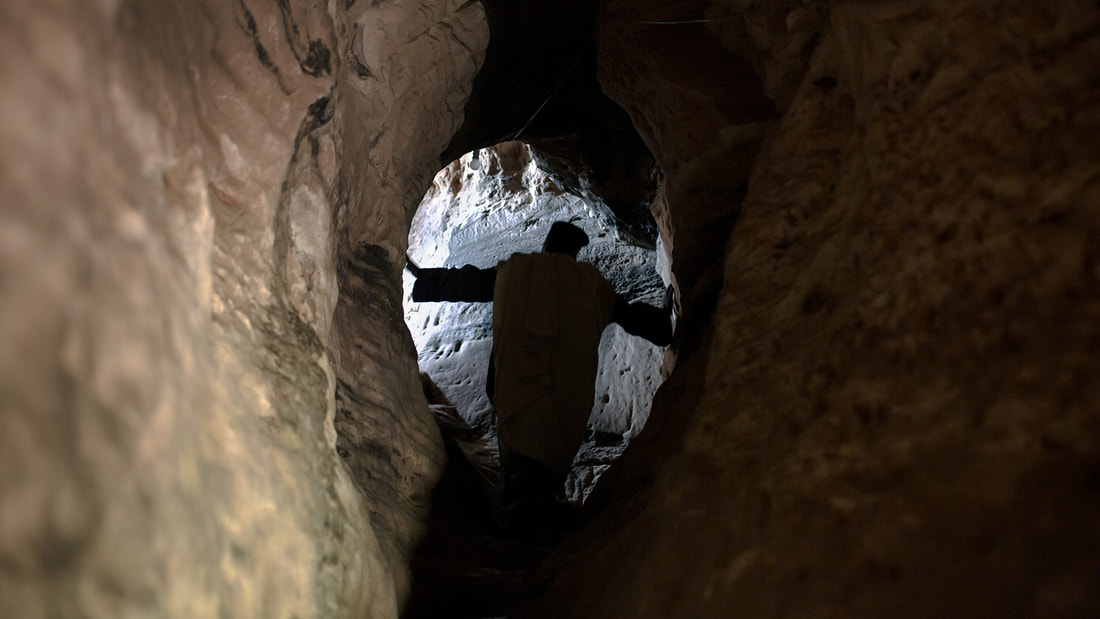
Steve Elkins’s gorgeously-shot Echoes of the Invisible is probably the largest-minded documentary that was set to screen at this year’s SXSW Film Festival. However, despite Elkins’s grand aspirations for the film, it simply isn’t consistent enough to be particularly profound.
The movie explores the journeys of four people as they set out to understand the natural world around them with the hopes of discovering something about themselves in turn. As is the case with any documentary containing multiple storylines, there are some weak links, but since Elkins cuts between them, audiences won’t be stuck with their least favorite for too long. The first story in the film follows a blind man as he runs through Death Valley alone, challenging his mind and body. This is arguably the most effective of the storylines because it has the greatest emotional impact. More so than all the others, this storyline will inspire the viewers to set out on their own journey to find their unique connection to the world. Elkins compares his most effective story to what is perhaps the movie’s weakest. The blind man’s story is interwoven with the story of a journalist trying to retrace the migration of humanity’s ancestors. Although this is an undoubtedly impressive feat, the journalist’s motivations simply aren’t as strong as his counterpart’s, and as a result, this segment isn’t as riveting. 
On the opposite end of the spectrum, Elkins explores people who are working to understand the smaller aspects of the world. The more interesting of these storylines follows a photographer as she explores some of the oldest living organisms on Earth, this portion of the film is the most poetic, exploring the way the world functioned in the past.
And in what is the only storyline to feel out-of-place in the movie, Elkins wraps up his point with a story about a group of scientists trying to explore the idea of time. While this segment is the most ambitious of the film, there is enough content in it that an entire feature could have been devoted to this material. Elkins sadly doesn’t have enough time to do it justice in his project. On a technical level, Elkins’s movie is undeniably gorgeous, and this is likely what will gain the film notice. (It won an award for cinematography from the jury via virtual judging.) That said, Elkins doesn’t have enough stylistic consistency for the movie to be an absolute win. For example, large portions of the film explore the idea of silence with a “narration” delivered via captions rather than audio, but other portions of the message are conveyed via interviews. These shifts are frequently jarring. Echoes of the Invisible is certainly a very pretty movie, but the interwoven narrative isn’t quite tight enough to hold together. Still, Elkins’s ambition and visual prowess alone make this film worth watching. Echoes of the Invisible was set to debut at the cancelled 2020 SXSW Film Festival. It is currently seeking distribution. Rating: 3/5
Review by Sean Boelman
Directed by Heather Ross, For Madmen Only should be required viewing for anyone who proclaims themself to be a fan of comedy. Telling the story of one of the most iconic and influential figures in all of comedy history, Ross’s documentary is both very entertaining and extremely compelling.
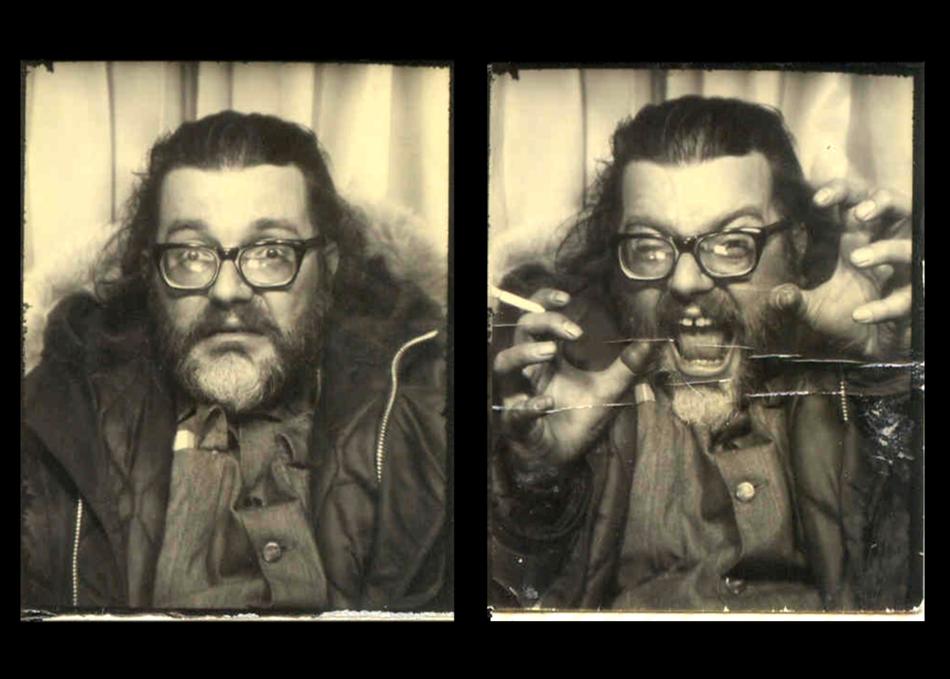
The film offers a biography of comedian Del Close, who served as a mentor for countless well-known comedians and whose ideas changed the field of comedy forever. Although those to whom the movie will most cater to will already likely know much of the information that the film has to present about the way in which society functions, it is nonetheless an important reminder of how a beloved medium got to its current place. Perhaps the movie’s biggest success is in making the audience admire Close’s creativity. Anyone who has heard the name Del Close before will almost undoubtedly associate it with his comedic genius. However, even those who may not be as familiar with the origins of modern comedy will be impressed by the level of creativity in Close’s art. Ross moves her film along at a very good pace, and while there are some standard documentary gimmicks sprinkled throughout, they are all done for the sake of giving the movie some additional narrative momentum. That said, the film’s most compelling part is undeniably when it finally starts to talk about Close’s magnum opus, the “Harold”. 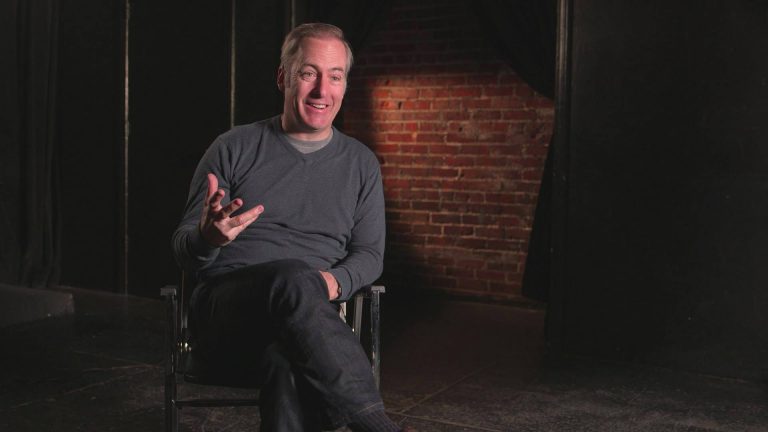
The movie features interviews with some of the most recognizable faces in comedy today, some of whom participated in Close’s workshops, and others who were simply inspired by his revolutionary approach to performing. These interviews will go a long way in giving the film a higher profile, as these portions of the movie work very well.
Additionally, the film features reenactments starring comedian James Urbaniak as Close. Unlike many other reenactment-based documentaries, this method does not work to the detriment of the movie because they are rooted in reality. Ross builds these reenactments off of recordings made by Close before he passed. Of course, the film also contains plenty of archive footage and archive materials featuring the real-life Close. Although it would have been nice to see even more of Close performing, specifically in relation to the “Harold”, the footage that the audience does get to see of the performers acting and rehearsing is entertaining and mind-blowing. For Madmen Only takes full advantage of its larger-than-life subject to create a documentary that is absolutely captivating. While the movie itself doesn’t reveal much that fans won’t already know, it is still a worthwhile watch. For Madmen Only was set to debut at the cancelled 2020 SXSW Film Festival. It is currently seeking distribution. Rating: 4/5 |